

Many people choose Miele vacuum cleaners for their strong suction, long life, and clean air performance. But one simple part—the Miele vacuum bag—plays a big role in how well your vacuum works. If you change the bag at the right time, you get better cleaning, less dust in your home, and a longer-lasting machine. If you wait too long, suction drops, the vacuum can smell bad, or even break down. So, how often should you really change Miele bags? Let’s look at the facts, the signs, and some helpful tips so you can keep your Miele working its best.
Why Miele Bags Matter
Miele vacuum bags are not just simple dust holders. They use multi-layer filtration to trap fine particles, allergens, and even tiny bits of dust that regular bags let through. This keeps your air cleaner and protects the vacuum’s motor. If you use a full or damaged bag, dirt escapes back into your room and can harm your machine. Using the right bag—genuine Miele type FJM, GN, or others—also makes a big difference. Some cheaper or fake bags don’t fit well and can leak dust, hurting both your health and the vacuum.
How Long Does A Miele Bag Last?
On average, a Miele bag will last between 1 to 3 months for most homes. But this is just a guideline. Some people need to change bags every few weeks, while others can go 2–3 months. It depends on a few key factors:
- Home size: Larger homes need more vacuuming, so bags fill faster.
- Number of people or pets: More hair, dander, and dirt means quicker bag fills.
- Type of floors: Carpets release more dust and fluff than hard floors.
- Vacuuming frequency: Daily use fills bags much faster than weekly cleaning.
A family with pets in a large home may change bags every 3–4 weeks. A single person in a small apartment with hard floors might go 3 months. There is no one-size-fits-all answer, but these averages help guide you.
Signs Your Miele Bag Needs Replacing
While the time between changes can vary, your vacuum gives you clues that the bag is full or needs changing. Here are some clear signs:
- Loss of suction: If your vacuum isn’t picking up as well as before, check the bag first.
- Bag change indicator: Most Miele vacuums have a color or mechanical indicator. If it turns red, orange, or shows “full,” it’s time for a new bag.
- Bad smells: Old dirt and dust can start to smell if left too long. A new bag often fixes this.
- Visible dust clouds: If dust escapes when you open the vacuum or see puffs from the exhaust, the bag may be leaking or overfull.
- Bag feels hard or heavy: Gently press the bag (when off). If it’s stiff and packed, change it.
Ignoring these signs can cause bigger problems, like overheating the motor or needing costly repairs.
Different Types Of Miele Bags
Miele makes several types of bags, each designed for specific models. Here’s a quick overview:
| Bag Type | Vacuum Models | Bag Size | Filtration |
|---|---|---|---|
| FJM | Compact C1, C2 | Smaller (3.5L) | High |
| GN | Classic C1, C3 | Larger (4.5L) | High |
| Type U | Upright Models | Medium (5.2L) | High |
| Type KK | Stick Vacuums | Small (2.0L) | Medium |
Using the correct bag type ensures the best fit, filtration, and performance. Always check your user manual before buying replacement bags.
Factors That Affect How Often You Change Bags
1. Home Environment
If you have pets, kids, or live in a dusty area, you’ll need to change bags more often. Pet hair and dander fill bags quickly. Construction or pollen seasons also add more dust.
2. Vacuuming Habits
Vacuuming daily or cleaning messy spots often will fill bags faster. If you only vacuum once a week, bags last longer.
3. Floor Types
Carpets trap more dust and debris than hard floors, so you’ll notice more frequent bag changes if your home is mostly carpeted.
4. Allergy Concerns
If someone in your home has allergies, it’s smart to change the bag a little before it’s totally full. This keeps air cleaner and reduces sneezing or asthma issues.
How To Check If Your Miele Bag Is Full
Not everyone knows how to check a vacuum bag. Here’s a simple way:
- Turn off and unplug your vacuum.
- Open the bag compartment.
- Look at the bag. If it feels hard, heavy, or you see dust packed to the top, it’s ready to be changed.
- Check the indicator. If it shows full—even if the bag isn’t packed solid—it’s best to change.
- If unsure, gently squeeze the bag. A full bag feels firm and heavy.
Don’t wait for the bag to burst or block airflow completely. Changing it a bit early is better than waiting too long.

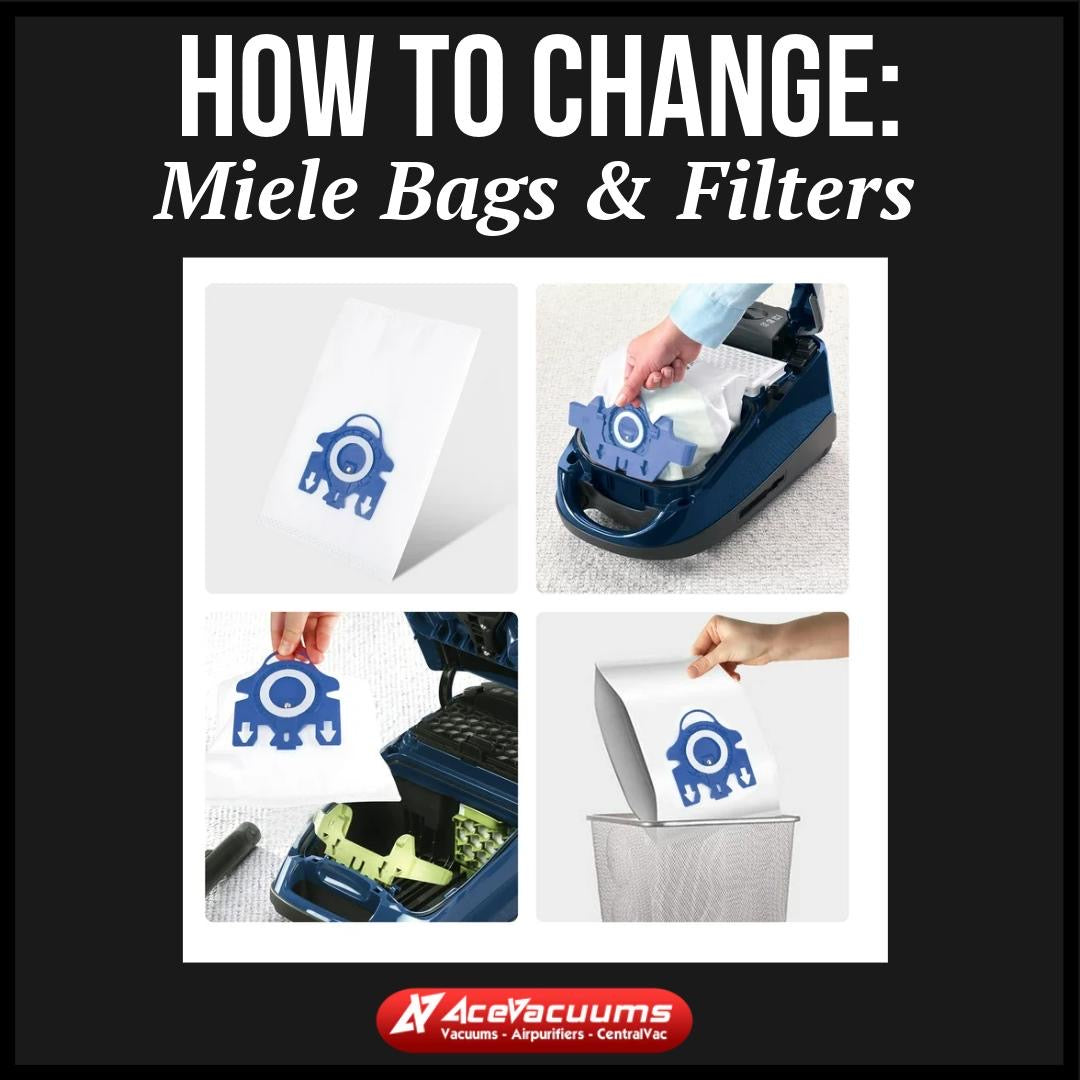
How To Replace A Miele Bag
Changing your Miele bag takes just a few steps:
- Switch off and unplug the vacuum.
- Open the bag compartment.
- Remove the old bag by pulling on its plastic collar. Miele bags seal themselves when removed—keeping dust inside.
- Insert a new bag, making sure it clicks into place.
- Close the lid and plug back in.
Always use genuine Miele bags. Fake or off-brand bags can leak dust and don’t always seal, which can damage your vacuum over time.
Miele Bag Cost And How To Save
Miele bags are more expensive than generic brands, usually about $18–$22 for a box of 4 (as of 2024). But you get better performance, longer motor life, and cleaner air. Some people try to shake out and reuse bags to save money, but this is not recommended—it damages the filtration and can tear the bag.
If you want to save:
- Buy in bulk for a lower price per bag.
- Look for sales from trusted retailers.
- Register your product on the Miele website; sometimes they offer coupons or samples.
What Happens If You Don’t Change The Bag?
Many beginners don’t realize the risks of using an overfull bag:
- Suction drops sharply: A full bag blocks airflow, so dirt stays on the floor.
- Motor gets hot: The vacuum has to work harder, which can cause it to overheat or break.
- Dust leaks: Overfull bags can rip, causing dust to escape into your home.
- Strange smells: Old dirt, mold, or pet hair can stink if left too long.
These problems are easy to avoid by changing bags regularly.
Miele Bag Comparison: How Long They Typically Last
Here’s a look at how long different Miele bags last in real homes:
| Bag Type | Average Duration (Light Use) | Average Duration (Heavy Use) | Best For |
|---|---|---|---|
| FJM | 2–3 months | 3–4 weeks | Small/Medium Homes |
| GN | 2.5–4 months | 1–2 months | Large Homes, Families |
| Type U | 2–3 months | 1 month | Uprights, Pet Owners |
| Type KK | 1–2 months | 2–3 weeks | Small Apartments |
Non-obvious insight: Even the same bag type lasts different times based on your cleaning habits. Many users overlook that “light use” means not just frequency, but also how dirty the area is. For example, vacuuming a sandy entryway once can fill half a bag, but dusting a clean bedroom barely fills it.
Practical Tips To Make Bags Last Longer
- Pick up large debris by hand: Don’t vacuum up big crumbs, paper, or small toys. These fill the bag fast and can even cause tears.
- Keep floors tidy between cleans: Sweep or dust mop high-traffic areas to reduce load on your vacuum.
- Use the right power setting: For bare floors, use a lower suction setting so the vacuum doesn’t pull in more air than needed.
- Don’t store your vacuum full: After big cleaning jobs, empty the bag, even if it’s not 100% full. This stops dust from compacting and keeps your vacuum fresh.
Beginners often miss that even unused vacuums can develop odors or compacted dirt if bags are left full for weeks.
When To Change The Bag Even If It’s Not Full
Sometimes, you should change a Miele bag before it’s completely full:
- After vacuuming fine dust (plaster, flour, or fireplace ash)
- If you vacuum up broken glass or sharp debris that could damage the bag
- When allergies are acting up
- If the vacuum smells bad even after cleaning the filter
Changing the bag early keeps your vacuum and your air much cleaner.
The Role Of Filters In Bag Life
Miele vacuums use both bags and filters to trap dust. Every time you change the bag, check your pre-motor and exhaust filters. A clogged filter can make you think the bag is full, but really it’s just blocked airflow. Replace filters every 4–6 bags, or as the manual suggests. For those with allergies, consider using Miele’s HEPA AirClean filters for extra dust trapping.
Bagless Vs Bagged: Why Miele Sticks With Bags
Some people wonder why Miele still uses bags when many brands are going bagless. The main reason is hygiene and performance. Miele bags trap 99.9% of dust and seal shut when removed. Bagless vacuums can be cheaper but often release clouds of dust when emptied, which is bad for allergy sufferers. If you care about clean air and easy maintenance, Miele’s bag system is hard to beat. For more details on vacuum hygiene, see the official Miele site.
Frequently Asked Questions
How Do I Know Which Miele Bag My Vacuum Needs?
Check your vacuum’s model number, usually found under the machine or in your manual. Use only the bag type (FJM, GN, U, or KK) listed for your model. Using the wrong bag can cause leaks or poor fit.
Can I Reuse A Miele Bag To Save Money?
No. Miele bags are designed for one-time use. Shaking out and reusing them damages the microfilter layers and can cause rips or leaks, risking your vacuum and your air quality.
Does A Full Bag Damage My Vacuum?
Yes. Running your Miele with a full bag reduces suction and can overheat the motor, sometimes causing permanent damage. Always change bags before they are packed tight.
How Often Should I Change Miele Vacuum Filters?
Change or wash filters every 4–6 bags, or about every 6 months for most homes. If you have allergies, pets, or use the vacuum heavily, check filters more often.
Is It Okay To Use Non-miele Bags?
It’s not recommended. Off-brand bags may be cheaper but often don’t seal as well and can let dust escape, lowering air quality and risking vacuum damage. Always use genuine Miele bags for best results.
A well-maintained Miele vacuum with fresh bags will give you years of great cleaning and healthier air. By paying attention to bag changes, using the right type, and not waiting too long, you’ll enjoy all the benefits your Miele was designed for.

