

If you’ve just bought a Miele Classic C1 or you’re thinking about it, you might wonder: what attachments come with the vacuum? Knowing these tools is not just about curiosity—it helps you clean your home better. Each attachment is designed for a specific job, and many new owners don’t realize how much easier cleaning gets when you use the right tool. If you want to keep your floors, carpets, and furniture spotless, understanding the Classic C1’s attachments is key.
The Miele Classic C1 is famous for its reliability and strong suction. But many people overlook its accessories, which play a big role in its cleaning performance. In this guide, you’ll learn about each attachment, how to use it, and what makes it different from competitors.
I’ll also share practical tips and a few insights that most beginners miss.
Main Attachments Included With Miele Classic C1
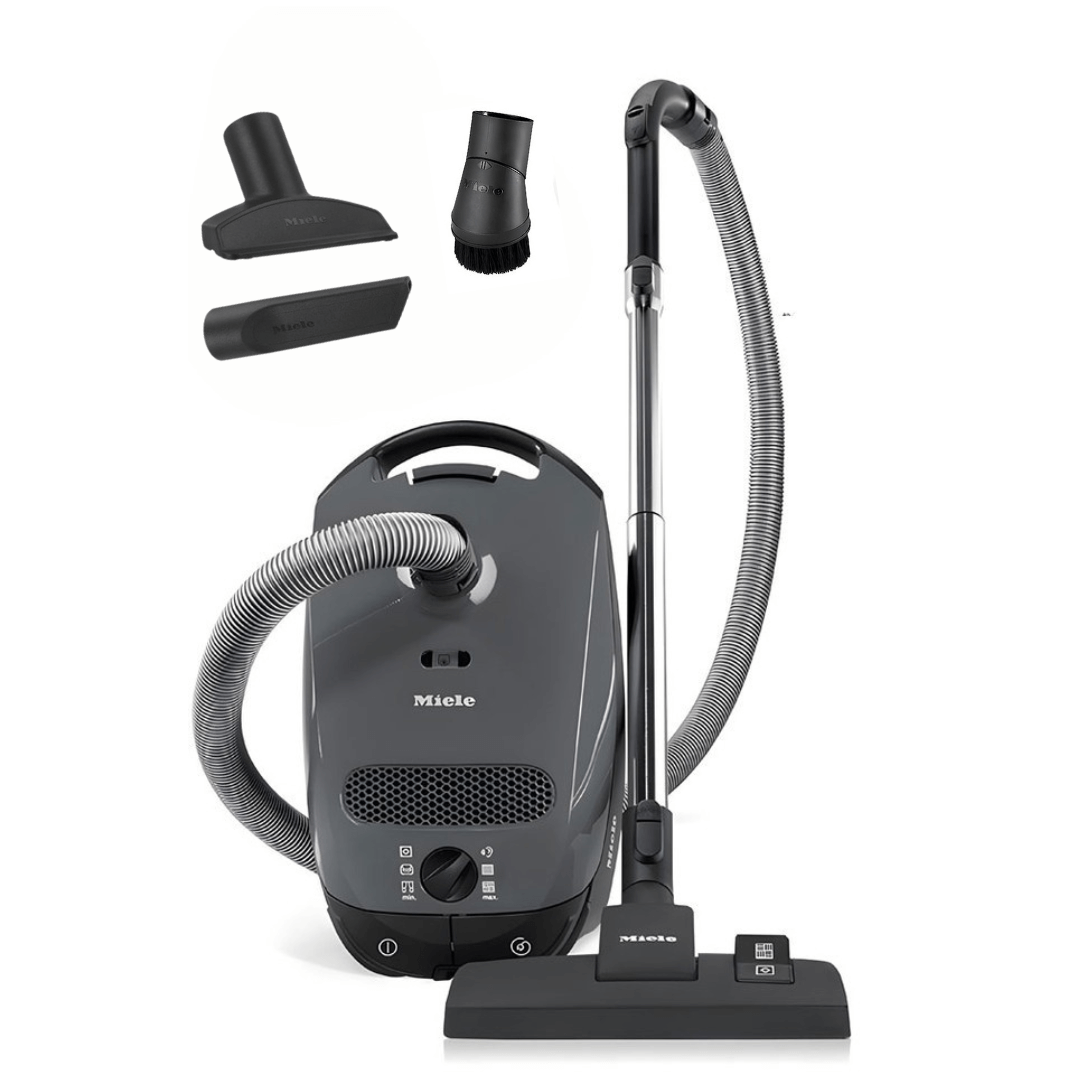
Miele offers several versions of the Classic C1—such as the Pure Suction, HomeCare, and Turbo Team. While the main body of the vacuum is always similar, the attachments can vary a bit depending on the model. However, most versions come with these essential accessories:
- Combination Floorhead (SBD 285-3)
- Dusting Brush
- Upholstery Tool
- Crevice Tool
Let’s look at each one in detail.
Combination Floorhead (sbd 285-3)
The Combination Floorhead is the Classic C1’s main cleaning tool. It’s designed for hard floors and low-pile carpets. You’ll notice a foot switch on top. Press it, and the bristles lower for wood, tile, or laminate. Press again, and they retract for carpet.
What makes this floorhead special is its versatility. You don’t need to swap attachments when moving from a kitchen tile to a hallway rug. The SBD 285-3 glides smoothly, and its wide opening ensures strong suction.
Common beginner mistake: Many users forget to switch modes, using the bristles on carpet. This reduces suction and makes cleaning harder. Always use the right mode for the surface.
Dusting Brush
The dusting brush is a small, round tool with soft bristles. It’s perfect for delicate surfaces—think bookshelves, window sills, lampshades, or picture frames. The bristles loosen dust while the vacuum sucks it away.
Some don’t realize that the dusting brush is ideal for electronics like keyboards or audio equipment. The soft bristles prevent scratches, and the suction removes dust that cloths leave behind.
Non-obvious tip: Use the dusting brush for air vents and blinds. It gets between slats and removes allergens most cloths can’t reach.
Upholstery Tool
The upholstery tool is flat and wide, with a felt strip. It’s made for fabric surfaces—sofas, chairs, cushions, and mattresses. The tool gently lifts dust, crumbs, and pet hair without damaging fabric.
If you have pets, this attachment is a lifesaver. It grabs fur from couches or car seats better than most handheld vacuums.
Non-obvious tip: Use the upholstery tool on curtains. It cleans them without pulling or damaging the fabric.
Crevice Tool
The crevice tool is long and thin, designed for tight spaces. It reaches between couch cushions, along baseboards, and inside car interiors. Its shape concentrates suction, pulling out crumbs and dust from deep gaps.
Many ignore the crevice tool, thinking it’s only for corners. But it’s excellent for sliding door tracks, behind radiators, or under appliances.
Practical tip: For deeper cleaning, move slowly—let the suction pull debris from hidden spots.
Special Attachments: Model Variations
Not all Classic C1 models come with the same extras. Let’s see how attachments differ across popular versions.
| Model Name | Main Floorhead | Extra Tools | Best For |
|---|---|---|---|
| Classic C1 Pure Suction | SBD 285-3 | Dusting, Upholstery, Crevice | Hard floors & low-pile carpets |
| Classic C1 Turbo Team | Turbobrush (STB 305-3) | Dusting, Upholstery, Crevice | Low-medium carpets, pet hair |
| Classic C1 HomeCare | SBD 285-3 | Parquet Twister, more tools | Delicate floors, versatile cleaning |
The Turbo Team model, for example, adds a Turbobrush—a powered brush for carpets and pet hair. The HomeCare version might include a Parquet Twister for delicate wood floors.
Beginner insight: If you have pets or thick carpets, consider the Turbo Team. The Turbobrush makes a huge difference for deep cleaning.
How Each Attachment Improves Cleaning
Attachments are not just “add-ons”—they solve real cleaning challenges. Here’s how each tool helps:
- Combination Floorhead: Cleans large areas fast, switches easily between surfaces.
- Dusting Brush: Protects fragile surfaces, removes dust from places cloths miss.
- Upholstery Tool: Grabs hair and debris from soft surfaces without damage.
- Crevice Tool: Targets hidden debris, keeps corners and gaps clean.
If you skip these tools, you might miss up to 20% of dust and allergens, especially in corners and on furniture. That’s why professional cleaners always use the right attachment.
Comparison: Miele Classic C1 Attachments Vs Other Brands
Let’s compare Miele Classic C1’s standard attachments with other popular vacuum brands.
| Brand/Model | Attachments Included | Floorhead Versatility | Dusting Brush Quality | Special Tools |
|---|---|---|---|---|
| Miele Classic C1 | 4–5 tools | Switchable for carpets/floors | Soft, durable | Optional Turbobrush, Parquet |
| Dyson Ball Multi Floor | 3–4 tools | Automatic adjustment | Plastic, less soft | Tangle-free turbine |
| Shark Navigator | 4 tools | Manual adjustment | Medium quality | Pet power brush |
Miele’s dusting brush is softer than many competitors, making it safer for delicate items. The combination floorhead lets you switch modes quickly, which is not always possible with other brands.
How To Use Each Attachment Effectively
Many owners use attachments incorrectly or not at all. Here’s how to get the most from your tools:
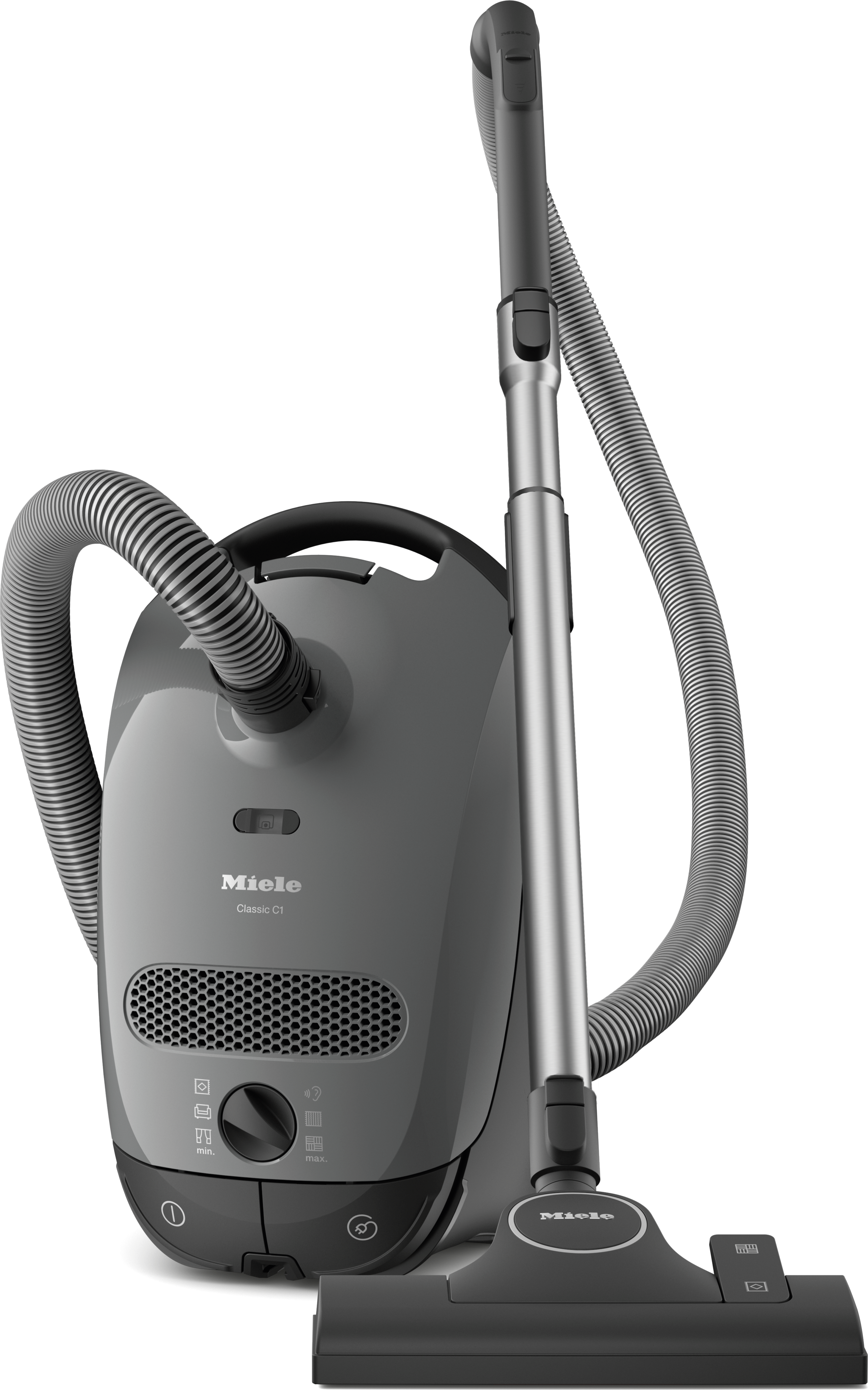
- For floors, use the combination floorhead. Press the switch for hard floors, retract for carpets.
- For dusting, attach the dusting brush. Move in gentle circles—don’t press hard.
- For upholstery, use the upholstery tool. Run it slowly over fabric, overlapping strokes.
- For corners, slide on the crevice tool. Move it along edges and into gaps.
Quick example: If you’re cleaning a living room, start with the floorhead for big areas. Switch to the dusting brush for shelves, then the crevice tool for corners. Finish with the upholstery tool on sofas.
Extra tip: Attachments store neatly on the Classic C1’s body, so you won’t lose them. Always put them back after use.
Cleaning And Maintaining Attachments
Attachments last longer if you care for them. Here’s how:
- Dusting brush: Wash bristles with warm water and mild soap. Dry before reattaching.
- Upholstery tool: Wipe felt strip with a damp cloth.
- Crevice tool: Rinse if dirty, check for clogs.
- Floorhead: Remove hair and debris from bristles regularly.
If attachments get clogged, suction drops by up to 15%. Regular cleaning keeps performance high.
Buying Extra Or Replacement Attachments
You can buy extra tools or replacements if you lose one or need a special attachment. Miele sells a wide range—like HEPA filters, Parquet Twister, or Turbo brushes.
Common mistake: Buying generic attachments. They might not fit well or work as efficiently. Always check compatibility with your Classic C1.
Where to buy: Official Miele dealers or their website. For more details, see Miele USA.
Hidden Benefits Most Owners Miss
Many owners don’t realize that using all attachments improves air quality. The Classic C1’s filtration system is excellent, but attachments help capture more dust and allergens. For allergy sufferers, the difference is noticeable.
Another overlooked benefit: attachments prevent scratches and wear. Using the right tool keeps floors and furniture looking newer for longer. For example, using the parquet tool on wood floors avoids micro-scratches.

Real-world Data: User Satisfaction
Let’s look at user ratings for attachments from several sources:
| Attachment | Average User Rating (out of 5) | Most Liked Feature | Common Complaint |
|---|---|---|---|
| Combination Floorhead | 4.6 | Easy switching | Not ideal for thick carpet |
| Dusting Brush | 4.8 | Soft bristles | Small size |
| Upholstery Tool | 4.7 | Removes pet hair | Needs frequent cleaning |
| Crevice Tool | 4.5 | Reaches tight spots | Can get clogged |
Most users praise the attachments’ durability and effectiveness. A few mention that the floorhead isn’t perfect for thick carpets, which is why the Turbo Team model exists.
Frequently Asked Questions
What Attachments Are Included With The Miele Classic C1?
Most Classic C1 models come with a combination floorhead, dusting brush, upholstery tool, and crevice tool. Some versions, like the Turbo Team or HomeCare, include extra tools such as a Turbobrush or Parquet Twister.
Can I Use Miele Classic C1 Attachments On Other Miele Vacuums?
Many attachments fit across Miele canister models, but check compatibility before buying. Some tools, like the Turbobrush, require specific connectors.
How Often Should I Clean The Attachments?
Clean brushes and tools every few weeks, or after heavy use. This prevents clogs and keeps suction strong. Dusting brushes and upholstery tools should be washed more often if you have pets.
Are Miele Classic C1 Attachments Good For Allergy Sufferers?
Yes. Using all attachments helps remove dust and allergens from floors, furniture, and corners. The vacuum’s filtration system works best when attachments are clean and used correctly.
What Should I Do If I Lose An Attachment?
Buy genuine Miele replacements from official dealers or their website. Avoid generic tools—they may not fit or perform well.
Final Thoughts
The Miele Classic C1 stands out not just for its suction, but for the quality and variety of its attachments. Each tool is designed to make cleaning easier, safer, and more thorough. If you use all the attachments as intended, your home stays cleaner and healthier—and your vacuum lasts longer.
Whether you have wood floors, carpets, or lots of furniture, there’s an attachment for every job. Don’t overlook these tools. With a little practice, you’ll clean faster and more effectively, enjoying the full power of your Classic C1.

