

Buying a new vacuum cleaner can feel overwhelming. There are hundreds of models, many price points, and brands that all claim to be “the best. ” But what really matters is value—getting the best cleaning performance, reliability, and features for the money you spend.
With so many choices, how do you know which vacuum offers the best value? Let’s break down the key factors and highlight the models that stand out for most homes.
What Does “best Value” Mean For A Vacuum Cleaner?
When people say best value, they usually want a vacuum cleaner that:
- Cleans well on all floor types
- Lasts several years without major problems
- Is easy to use and maintain
- Offers good features for the price
- Doesn’t cost a fortune
A high-priced vacuum might have every feature but could be overkill for a small apartment. A cheap vacuum could save money up front but may break quickly or perform poorly. The sweet spot is where price, performance, and long-term cost meet.
Types Of Vacuum Cleaners Compared
Vacuum cleaners come in several main types. Each type has its own strengths and weaknesses for different homes and cleaning needs.
| Type | Best For | Typical Price | Main Pros | Main Cons |
|---|---|---|---|---|
| Upright | Large areas, carpets | $100–$500 | Strong suction, easy to store | Heavy, noisy |
| Canister | Hard floors, stairs | $150–$700 | Versatile, quieter | Bulky, more setup |
| Stick | Quick cleanups, apartments | $100–$600 | Lightweight, cordless options | Shorter battery, less power |
| Robot | Maintenance cleaning | $150–$1000+ | Hands-free, smart features | Expensive, not deep cleaning |
| Handheld | Cars, furniture, small messes | $30–$150 | Portable, convenient | Limited power, small bin |
A key insight: Most families will get the best value from an upright or stick vacuum as their main cleaner. Canister and robot vacuums can be great but usually cost more for the same cleaning power.
Key Features That Affect Value
Some features increase convenience, others are just marketing. Here are the most important features to look for when deciding what vacuum offers the best value:
1. Suction Power
Look for models with strong airflow (measured in CFM) and sealed suction (measured in air watts or kPa). These numbers are not always easy to find, but real-world reviews and tests are helpful.
2. Filtration
HEPA filters trap tiny dust and allergens. This is important for homes with allergies or pets. Make sure the vacuum is “sealed” so air does not leak before it’s filtered.
3. Bagged Vs Bagless
Bagged models often hold more dirt and are better for allergy sufferers, but you must buy bags. Bagless models save money on bags but can be messier to empty.
4. Attachments And Tools
Crevice tools, dusting brushes, and motorized pet tools add value, especially if you have stairs, furniture, or pets.
5. Weight And Handling
Lighter vacuums are easier to carry and use. For older adults or people with mobility challenges, every pound matters.
6. Noise Level
Quieter vacuums are less stressful, especially in apartments or with pets.
7. Corded Vs Cordless
Cordless models are convenient for quick cleanups but often have less power and run time. Consider your home size and cleaning habits.
How Much Should You Spend?
A common mistake is buying the cheapest vacuum, expecting it to last years. In reality, most budget models ($50–$100) lose suction, break, or clog quickly. On the other side, high-end models above $600 can offer small improvements for a big price jump.
Most homes get the best value in the $150–$400 range. In this range, you can expect:
- Good cleaning power
- Reliable build quality
- Useful attachments
- Good filtration
Very large homes, people with allergies, or those with lots of pets may benefit from spending more, but it’s often not necessary for most families.

Top Vacuum Cleaners For Value In 2024
After deep research and comparing real-world reviews, here are the models that give the best value for their price in each main category.
Upright: Shark Navigator Lift-away Nv352
This model is a favorite for value. It cleans carpets and hard floors well, has a sealed HEPA system, and the canister lifts off for stairs or tight spots. At around $200, it beats many pricier brands in performance.
Why it stands out:
- Reliable for 5+ years with basic care
- Lightweight for an upright (13.7 lbs)
- Easy to empty and maintain
- Good for pet hair
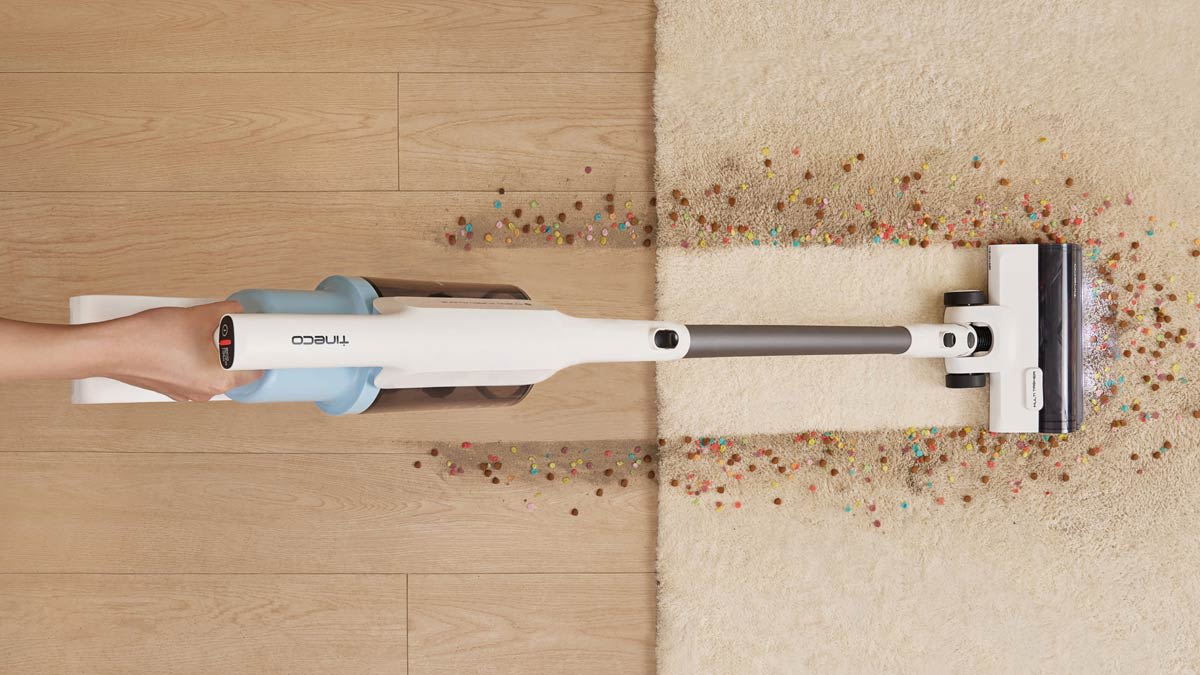
Stick: Tineco A11 Hero
If you want a cordless stick vacuum, the Tineco A11 Hero is hard to beat for the price (about $250). It offers strong suction, a long run time (up to 40 minutes), and comes with many attachments.
Why it stands out:
- Two batteries included
- Good on both carpet and hard floors
- HEPA filtration
- Quiet operation
Canister: Miele Classic C1 Pure Suction
For those who prefer canisters, the Miele C1 is a proven model. While it lacks a motorized brush (better for low-pile carpets and hard floors), its build quality and filtration are top-notch.
Why it stands out:
- Quiet, reliable German engineering
- Long cord and hose for reach
- Bags are affordable and large
- Great for allergy sufferers
Robot: Roborock Q5
Robot vacuums have become much better, but you can overpay for little benefit. The Roborock Q5 (about $300) offers smart mapping, strong suction, and rarely gets stuck.
Why it stands out:
- Cleans efficiently and avoids obstacles
- Good app control
- Large dustbin
- Reasonable price for smart features
Pet Hair: Bissell Cleanview Swivel Pet
Pet owners need a vacuum that handles fur and dander. The BISSELL CleanView Swivel Pet (around $140) is affordable, powerful on pet hair, and has a large capacity.
Why it stands out:
- Specialized pet tools
- Large, easy-to-empty bin
- Swivel steering for easy movement
- Great customer support
How Do These Models Compare?
Let’s look at a side-by-side comparison of the top value picks:
| Model | Type | Price | Weight | HEPA Filter | Best For |
|---|---|---|---|---|---|
| Shark NV352 | Upright | $200 | 13.7 lbs | Yes | All floors, stairs |
| Tineco A11 Hero | Stick (Cordless) | $250 | 5.5 lbs | Yes | Quick cleaning, apartments |
| Miele C1 | Canister | $325 | 12.9 lbs | Optional | Hard floors, low carpets |
| Roborock Q5 | Robot | $300 | 7 lbs | Yes | Hands-free, tech lovers |
| BISSELL CleanView Pet | Upright | $140 | 12.5 lbs | No | Pet owners |
When To Buy A More Expensive Vacuum
Sometimes, paying more makes sense. For example:
- Severe allergies: Miele and SEBO models with hospital-grade HEPA filtration
- Thick carpets: Dyson Ball Animal 3 or higher-end Shark models
- Large homes: Cordless vacuums with two batteries or advanced robots like Roborock S8
But for most people, spending $400 or less gives 90% of the cleaning power and reliability for a much lower cost.
Hidden Costs: What Beginners Miss
Many people forget about ongoing costs:
- Bags and filters: Bagged models need new bags every 1–3 months. Even bagless vacuums need filter replacements or washing.
- Battery replacements: Cordless vacuums lose power after 2–4 years. Replacement batteries can cost $50–$100.
- Repairs and warranty: Check warranty length and what it covers. Some brands charge high shipping fees for repairs.
Tip: Vacuum at least once a week and clean filters monthly for the longest life.
:max_bytes(150000):strip_icc()/shark-nv360-navigator-lift-away-deluxe-upright-vacuum-phoebe-cheong-photo-01-3565ac0e1416498484e8658efba6cbf3.jpg)
Common Mistakes When Choosing A Vacuum
- Focusing only on suction. Good airflow, brush design, and sealed systems are just as important.
- Ignoring weight and ease of use. A powerful vacuum is useless if it’s too heavy or awkward to use often.
- Buying for rare situations. Don’t pick a vacuum based on the one time you spill flour. Choose for regular needs.
- Not checking the cord length or bin size. Small bins mean more emptying, and short cords mean more plugging and unplugging.
- Falling for “gimmick” features. UV lights and Wi-Fi may sound cool, but rarely improve cleaning.
Real-world Examples
- Apartment dweller: Jane chose the Tineco A11 Hero. She loves how easy it is to use daily and doesn’t worry about cords.
- Family with pets: The Smiths picked the BISSELL CleanView Pet. It handles pet hair and dander without clogging, and the price was a relief.
- Allergy sufferer: John invested in the Miele C1 for its sealed system and HEPA option. His allergies improved after regular use.
How To Get The Most Value From Your Vacuum
- Read the manual: Many problems come from misuse. Take 10 minutes to learn how to clean filters and use attachments.
- Register for the warranty: It’s free and can save you money if something breaks.
- Buy from reputable sellers: This protects you from fakes and makes returns easier.
- Replace parts on time: Filters, belts, and batteries wear out. Changing them keeps your vacuum working well.
When To Replace Your Old Vacuum
If your vacuum loses suction, smells, or needs frequent repairs, it’s time to upgrade. Most well-made vacuums last 5–8 years with care. Cheap models often fail in 1–3 years.
Frequently Asked Questions
What Is The Most Important Feature For Vacuum Value?
The most important feature is consistent cleaning power. Suction alone isn’t enough—look for models that maintain power over time and have a good brush roll for carpets.
Is A Bagged Or Bagless Vacuum Better For Value?
Bagged vacuums can cost more in the long run due to replacement bags, but they’re better for allergies and usually less messy. Bagless models save money and are more convenient but need regular filter cleaning.
How Often Should I Replace Vacuum Filters?
Most filters should be changed or washed every 3–6 months, depending on usage and brand. A clogged filter reduces suction and can shorten the vacuum’s life.
Are Robot Vacuums Worth It?
Robot vacuums offer great value for hands-free daily cleaning, especially for busy people or those with mobility issues. However, they can’t replace deep cleaning from an upright or stick vacuum.
Where Can I Find Reliable Vacuum Reviews And Tests?
Independent organizations like Consumer Reports test vacuums for real-world use. For more information, visit Consumer Reports.
The best value vacuum cleaner is the one that fits your home, your habits, and your budget. Focus on the features that matter most to you, avoid common pitfalls, and you’ll enjoy cleaner floors for years—without overspending.

