

Choosing the right vacuum cleaner for your car can make cleaning faster, easier, and much more effective. Cars collect dust, food crumbs, pet hair, and even sand—sometimes in hard-to-reach places. If you use the wrong vacuum, you’ll waste time and still see dirt left behind.
The best vacuum for cars is one that fits your needs, cleans every corner, and doesn’t make cleaning a hassle. But with so many types and brands out there, it’s easy to feel overwhelmed. Let’s break down what matters, compare popular models, and help you make a confident choice.
Why Standard Vacuums Don’t Work Well For Cars
Most people try to use their home vacuum for car cleaning. However, these machines are often bulky, heavy, and not designed for tight spaces. Their attachments might not reach under seats or inside cup holders. Also, their cords can be too short, and their suction might not be strong enough for gravel, sand, or pet hair stuck in car mats.
Car interiors need specialized cleaning tools. That’s why car vacuum cleaners are made with slim designs, portable bodies, and focused suction. If you clean your car often or drive kids and pets, you’ll notice the difference right away.
Key Features To Look For
Let’s explore the most important features that make a vacuum cleaner ideal for cars:
1. Portability
A car vacuum should be lightweight and easy to carry. Most are under 5 pounds, so you can hold them for longer periods without tiring your arm. Cordless models are especially convenient.
2. Suction Power
Suction is measured in air watts or kPa (kilopascals). Look for at least 3–5 kPa for light cleaning, and 10–15 kPa for heavy-duty tasks. Higher suction can remove sand, dried mud, or pet fur more efficiently.
3. Attachments
Different attachments help you clean every part of your car:
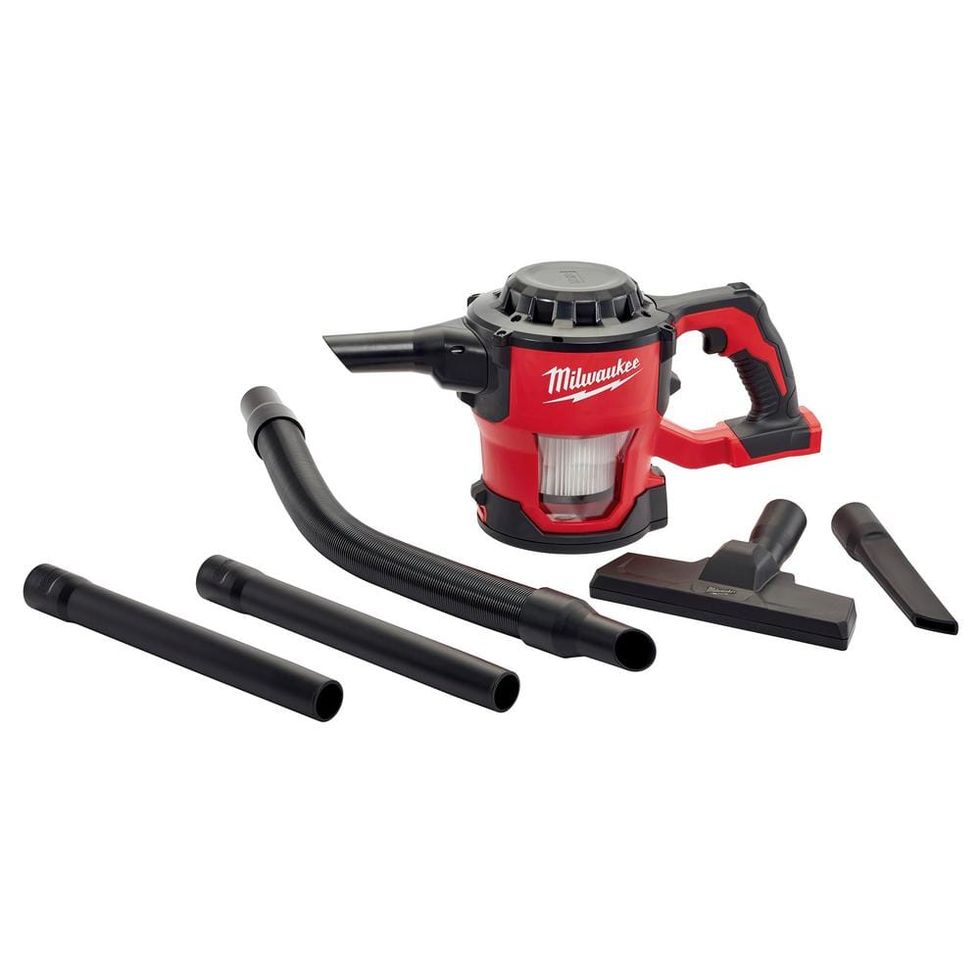
- Crevice tool: For narrow gaps and corners.
- Brush nozzle: For seats and carpets.
- Extension hose: For hard-to-reach spots.
- Pet hair attachment: For removing stubborn fur.
4. Battery Life Or Cord Length
Cordless vacuums rely on batteries. Look for at least 15–20 minutes of runtime for small cars; 30+ minutes for SUVs or vans. For corded models, check if the cord is at least 12–15 feet to reach all parts.
5. Dust Capacity
Car vacuums usually have smaller dust bins (0. 3–0. 6 liters). If you clean often or have kids, a bigger bin saves trips to the trash.
6. Filter Quality
A HEPA filter traps dust, pollen, and allergens. This is crucial if you or your passengers have allergies.
7. Price And Warranty
Most car vacuums range from $30 to $150. A longer warranty (1–2 years) shows the brand’s confidence in their product.
Types Of Car Vacuum Cleaners
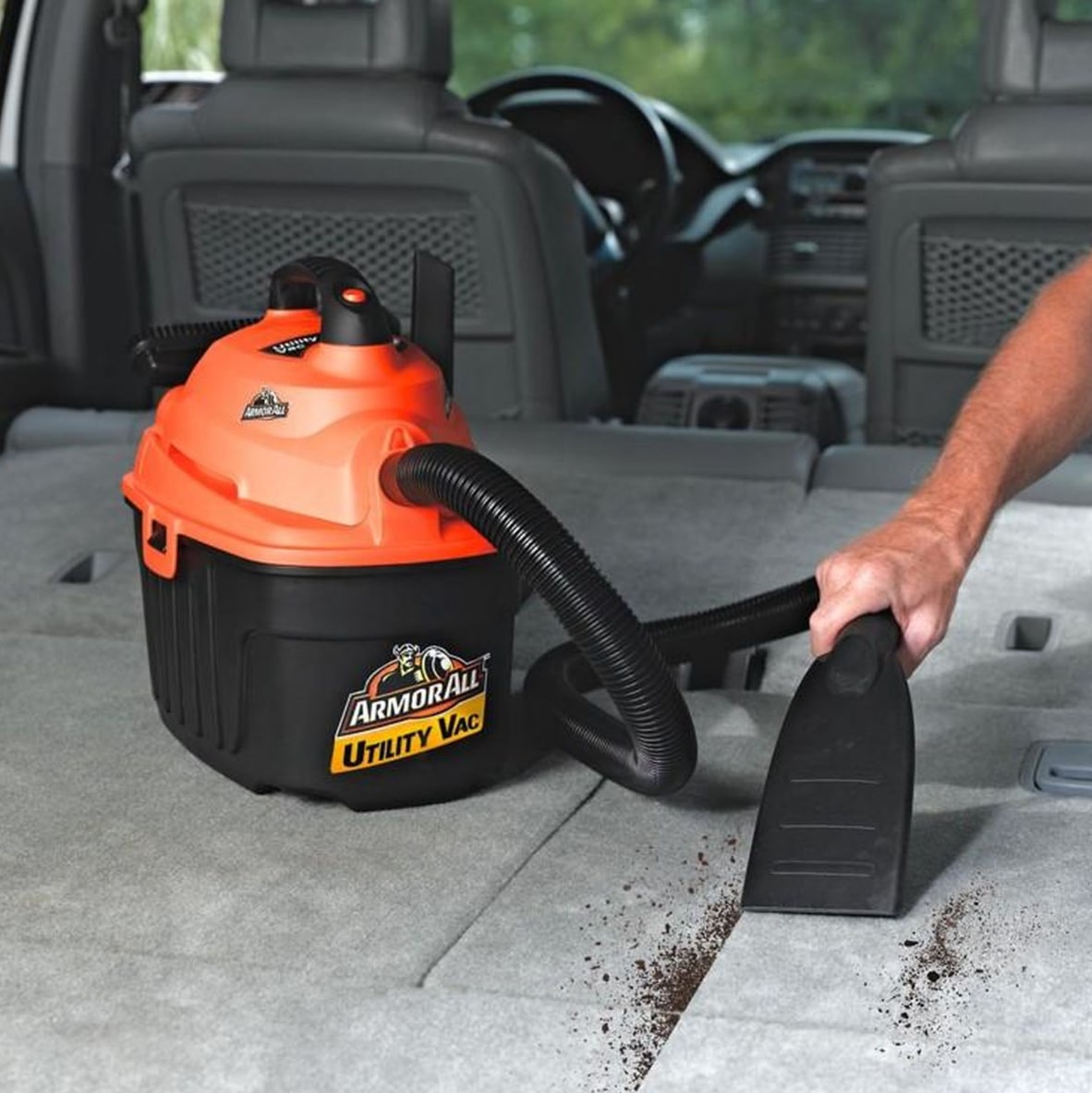
Car vacuums come in several styles. Each has pros and cons depending on your needs.
| Type | Best For | Advantages | Drawbacks |
|---|---|---|---|
| Cordless Handheld | Quick clean-ups, portability | Lightweight, easy to use, no cords | Limited battery life |
| Corded Handheld | Deep cleaning, larger vehicles | Stronger suction, unlimited runtime | Needs power outlet, less portable |
| Wet/Dry Vacuum | Spills, heavy messes | Cleans liquids and solids, high power | Bulky, often noisy |
| Compact Shop Vac | Garage use, big jobs | Large capacity, strong suction | Heavy, not always car-friendly |
Comparing Popular Car Vacuum Models
Let’s look at some of the most recommended car vacuums in 2024. Each has unique strengths.
| Model | Type | Suction Power | Battery/Cord | Price | Key Features |
|---|---|---|---|---|---|
| Black+Decker Dustbuster Flex | Cordless Handheld | 15 kPa | 20 min battery | $89 | Flexible hose, strong suction |
| Armor All AA255 | Wet/Dry Vacuum | 13 kPa | 10 ft cord | $59 | Wet/dry cleaning, large bin |
| Holife Handheld | Cordless Handheld | 8 kPa | 30 min battery | $55 | HEPA filter, lightweight |
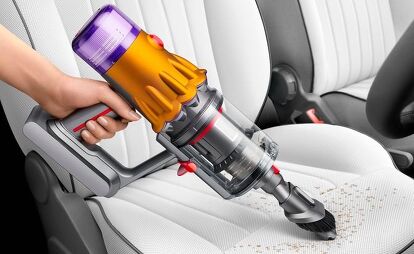
| Dyson V7 Trigger | Cordless Handheld | 16 kPa | 30 min battery | $149 | Powerful, premium build |
| RIDGID Wet/Dry Vac | Shop Vac | 14 kPa | Corded | $109 | Large tank, strong suction |
Best Car Vacuum Cleaner For Each Situation
Your ideal vacuum depends on your lifestyle, car size, and cleaning habits. Here’s what fits best for different needs:
For Small Cars
A cordless handheld model is perfect. It’s easy to carry, stores in your trunk, and cleans fast. The Black+Decker Dustbuster Flex is a favorite because of its flexible hose and strong suction.
For Families With Kids
Kids spill snacks, drop toys, and bring dirt. Choose a vacuum with a large dust bin, strong suction, and multiple attachments. The Armor All AA255’s wet/dry feature handles both solid messes and spills.
For Pet Owners
Pet hair is stubborn and sticks to seats. You need a vacuum with a pet hair attachment and a HEPA filter. The Dyson V7 Trigger offers both, plus high suction for deep cleaning.
For Outdoor Enthusiasts
If you transport bikes, sports gear, or go camping, you’ll need power. Compact shop vacs like the RIDGID Wet/Dry Vac have big tanks and heavy-duty suction.
For Quick Touch-ups
For fast cleaning between rides, a lightweight cordless model like the Holife Handheld works well. Its long battery life means you don’t rush.
Non-obvious Tips For Better Car Vacuuming
- Clean when the car is cool: Heat can make dust stick to surfaces, especially plastic and leather. Wait until your car is cool for easier cleaning.
- Remove floor mats first: Shake them outside and vacuum separately. This prevents dirt from spreading inside.
- Use the crevice tool for air vents: Dust builds up in vents, affecting air quality. A slim nozzle removes it efficiently.
- Vacuum under the seats by moving them forward and back: Many people forget to adjust seats, missing hidden dirt.
- Check filter maintenance: A clogged filter reduces suction. Clean or replace it every few months, or as your model recommends.
Mistakes To Avoid When Choosing A Car Vacuum
- Ignoring battery life: If you pick a cordless vacuum with a short runtime, you’ll always rush or leave tasks unfinished.
- Choosing only by price: Cheap models often lack suction or durability. It’s better to invest a bit more for a model with proven reliability.
- Skipping the attachments: Not all vacuums come with essential tools. Make sure the model you buy has at least a crevice tool and brush nozzle.
- Overlooking warranty: Some brands offer only a few months of coverage. If you use your vacuum often, a longer warranty can save money in the long run.
How To Use A Car Vacuum For Maximum Effect
Cleaning your car with a vacuum isn’t just about running it over surfaces. Here’s a step-by-step approach for a thorough result:
- Remove all loose items: Take out trash, toys, and personal belongings.
- Shake out and vacuum mats: Mats collect most of the dirt.
- Start with seats: Use a brush nozzle to loosen debris.
- Clean crevices and corners: Use the crevice tool for cup holders, seat edges, and between cushions.
- Vacuum the dashboard and vents: A soft brush attachment prevents scratches.
- Finish with the trunk: Don’t forget under the spare tire, where dust collects.
- Empty the dust bin promptly: This keeps suction strong and prevents odors.
Real-world Data: Car Vacuum Satisfaction
According to a 2023 survey by Consumer Reports, 73% of users were happier with their car cleaning after switching from a standard home vacuum to a specialized car model. The top reasons included easier reach, better suction, and less time spent cleaning.
Another study found that cars cleaned with HEPA-filtered vacuums had 30% less dust measured on surfaces after one week, compared to cars cleaned with basic handheld models.
If you want more details about vacuum cleaner technology, check out Wikipedia’s Vacuum Cleaner page.
Frequently Asked Questions
What Is The Best Vacuum Cleaner For Cars In 2024?
The Dyson V7 Trigger is often rated highest for its strong suction, long battery, and reliable attachments. However, if you need wet/dry cleaning, the Armor All AA255 is an excellent choice.
Can I Use My Home Vacuum To Clean My Car?
While possible, home vacuums are usually too big and lack the necessary attachments. They may not reach tight spaces or provide enough suction for tough messes.
How Often Should I Vacuum My Car?
Most experts recommend cleaning your car every 2–4 weeks, depending on usage. If you have kids or pets, weekly cleaning keeps your car fresh and prevents buildup.
What’s The Difference Between Hepa And Standard Filters?
HEPA filters trap tiny particles like pollen and dust mites, improving air quality inside your car. Standard filters catch only larger debris, so they’re less effective for allergy sufferers.
Are Cordless Car Vacuums Powerful Enough?
Modern cordless vacuums deliver strong suction—often equal to corded models. Battery life is the main limit; choose models with at least 20–30 minutes of runtime for best results.
If you care about keeping your car spotless, investing in the right vacuum is a smart move. It saves time, protects your car’s value, and makes every drive more pleasant. With the tips above, you’ll find a model that fits your lifestyle, clean smarter, and avoid common mistakes.
Cleaning your car doesn’t have to be a chore—just pick the right tool, and you’ll see the difference right away.

