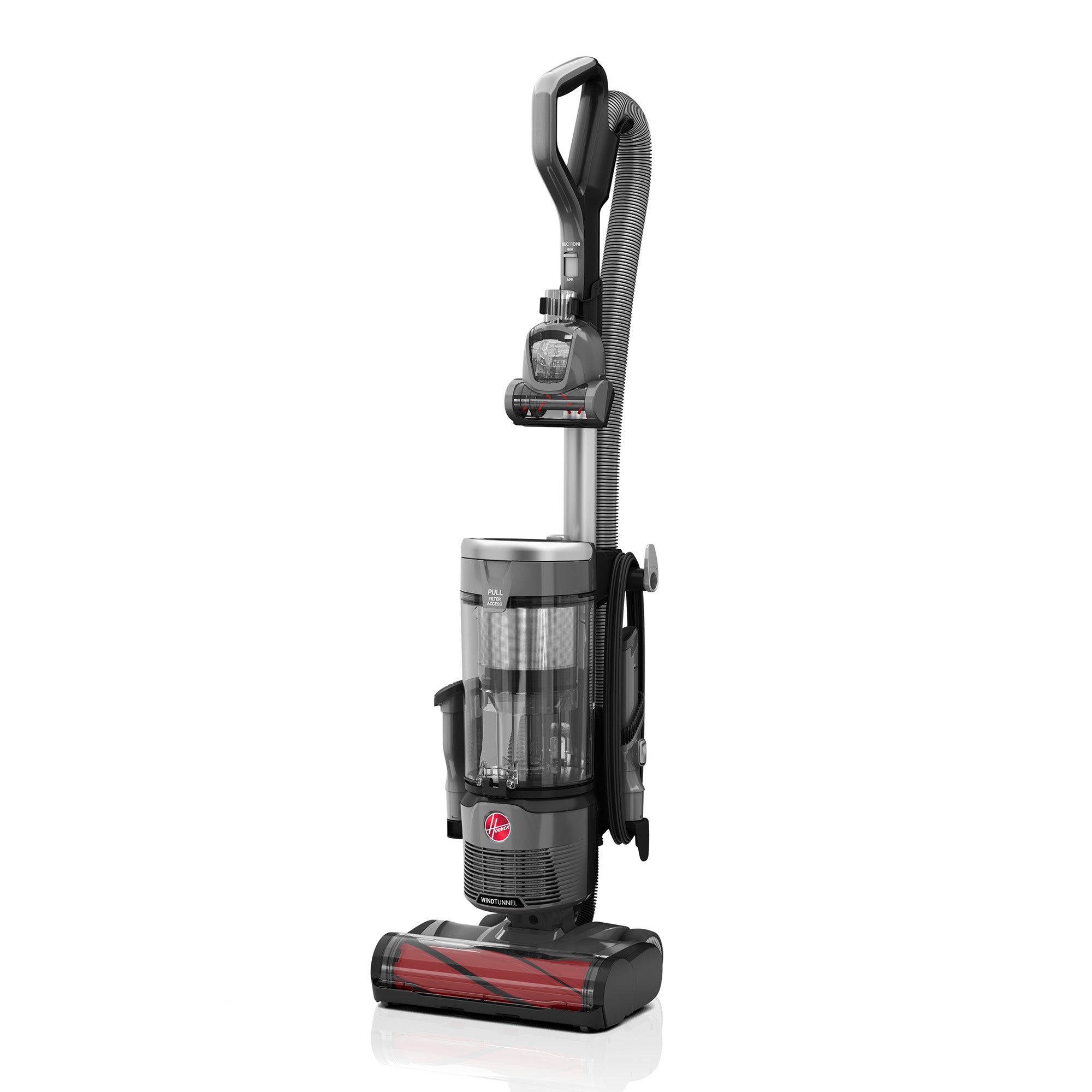
The Hoover WindTunnel 3 is a popular vacuum cleaner series known for strong suction and deep-cleaning abilities. But how does it really work? If you’re considering buying one or just want to understand your machine better, you’re in the right place.
In this article, you’ll find out how the Hoover WindTunnel 3 works, what makes it different from other vacuums, and how each of its three WindTunnel technologies function. You’ll also see how the whole system works together, where it excels, and where it can struggle.
By the end, you’ll have a clear and complete understanding of this vacuum’s inner workings—without technical confusion.
What Is The Hoover Windtunnel 3?
The Hoover WindTunnel 3 is a line of upright and bagless vacuum cleaners. They’re made to remove dirt, dust, and pet hair from carpets and hard floors. The “3” in WindTunnel 3 refers to its three-channel suction technology. This system is designed to lift and remove more dirt from both surface and deep within carpets. Hoover uses this name to show that their vacuum doesn’t rely on just one airflow path. Instead, it uses three separate channels for better cleaning.
While there are different models (like the WindTunnel 3 High Performance, Pet, and Pro), all of them share the same core cleaning system. The main focus is on how air moves through the vacuum and how dirt is separated and trapped.
This makes the WindTunnel 3 a step above many basic vacuums.
The Three Windtunnel Technologies Explained
The standout feature of the Hoover WindTunnel 3 is its three unique WindTunnel channels. Understanding each channel will help you see why this vacuum is more effective than single-channel designs.
1. Surface Debris Channel
The first channel is made to pick up surface debris. This includes larger particles like crumbs, pet hair, and dust balls sitting on top of carpets or floors. When you push the vacuum forward, the brush roll spins, and the suction from the first channel pulls these particles into the dirt cup.
This channel is especially important for quick cleanups. If your kids spill cereal or you see pet hair floating around, this part of the system makes sure nothing gets left behind. Cheaper vacuums often struggle with bigger debris, but the WindTunnel 3’s design keeps suction strong even when picking up large particles.
2. Embedded Dirt Channel
The second channel targets embedded dirt—the fine dust, sand, and tiny particles that hide deep in carpet fibers. This is where the WindTunnel 3 really shines compared to single-channel vacuums. As the brush roll agitates the carpet, the second channel creates a strong upward airflow. This lifts stubborn dirt and pulls it out from the base of the carpet.
Why is this important? Many vacuums only clean the top layer, leaving gritty dirt behind. Over time, embedded dirt can damage carpet fibers and make them look old. By using a dedicated channel for deep dirt, the WindTunnel 3 helps carpets stay cleaner and last longer.
3. Edge Cleaning Channel
The third channel is designed for edge cleaning. This means it pulls in dust and debris from the edges of walls, baseboards, and corners. These spots are easy to miss, and most vacuums lose suction at the sides of the cleaning head. The WindTunnel 3’s third channel uses special airflow to pull dirt from edges into the main suction path.
For homes with lots of wall-to-wall carpeting or baseboards, this feature saves time. You don’t need to use a separate attachment for edges as often. It’s a non-obvious advantage—many users only notice it when they see less dust building up along the walls.
How The Windtunnel 3 System Works Together
Each channel in the Hoover WindTunnel 3 has a separate role, but they all work at the same time. Here’s a simple breakdown of what happens when you vacuum:
- Brush roll spins: It loosens dirt and sweeps up larger particles.
- Three suction channels activate: Airflow moves through all three channels, each collecting different types of debris.
- Cyclonic separation: The vacuum uses cyclonic air movement to spin dust and dirt out of the air and into the canister.
- HEPA filtration: Fine dust passes through a HEPA filter, trapping allergens before air is released back into the room.
The combination means the WindTunnel 3 can pick up everything from big debris to tiny dust, all in one pass. The three-channel design also prevents suction loss—a common problem in standard vacuums as the dirt cup fills.
Comparing Windtunnel 3 To Other Vacuums
To see what sets the WindTunnel 3 apart, let’s compare it to both single-channel and dual-channel vacuums.
| Feature | Single-Channel | Dual-Channel | WindTunnel 3 (Triple-Channel) |
|---|---|---|---|
| Suction Power | Weakens with use | Moderate improvement | Strong, consistent |
| Surface Cleaning | Good | Good | Excellent |
| Deep Dirt Removal | Poor | Better | Best |
| Edge Cleaning | Weak | Average | Strong |
| Clog Prevention | Poor | Moderate | Excellent |
As the table shows, the WindTunnel 3’s triple-channel design outperforms most older or cheaper models, especially for deep cleaning and edge performance.
Filtration And Allergen Control
The WindTunnel 3 isn’t just about suction. It also uses HEPA filtration—a system that traps 99.97% of dust, pollen, and pet dander down to 0.3 microns. This is important for anyone with allergies or asthma.
The vacuum’s cyclonic action keeps most dirt and dust in the canister, so less reaches the filter. This reduces filter clogging and keeps suction strong. When air finally passes through the HEPA filter, nearly all fine particles are trapped before the air goes back into your room.
A non-obvious tip: Change or wash the filter regularly. Many users forget this, leading to weaker suction and more allergens escaping. It’s best to check the filter every 2-3 months, or more often if you have pets.
Practical Features Of Windtunnel 3 Vacuums
Beyond its three-channel technology, the Hoover WindTunnel 3 comes with several features that make cleaning easier.
- Multi-floor brush roll: You can switch between carpet and hard floor modes with a button or lever.
- Adjustable height: Useful for different carpet thicknesses.
- Extended hose and attachments: Helps clean stairs, upholstery, and above-floor surfaces.
- Large dirt cup: Fewer trips to the trash can.
- Cord rewind or long cord: On some models, the cord retracts automatically.
These features help you clean faster and more comfortably. For example, the adjustable height prevents the vacuum from getting stuck on thick carpets—a common problem in older models.
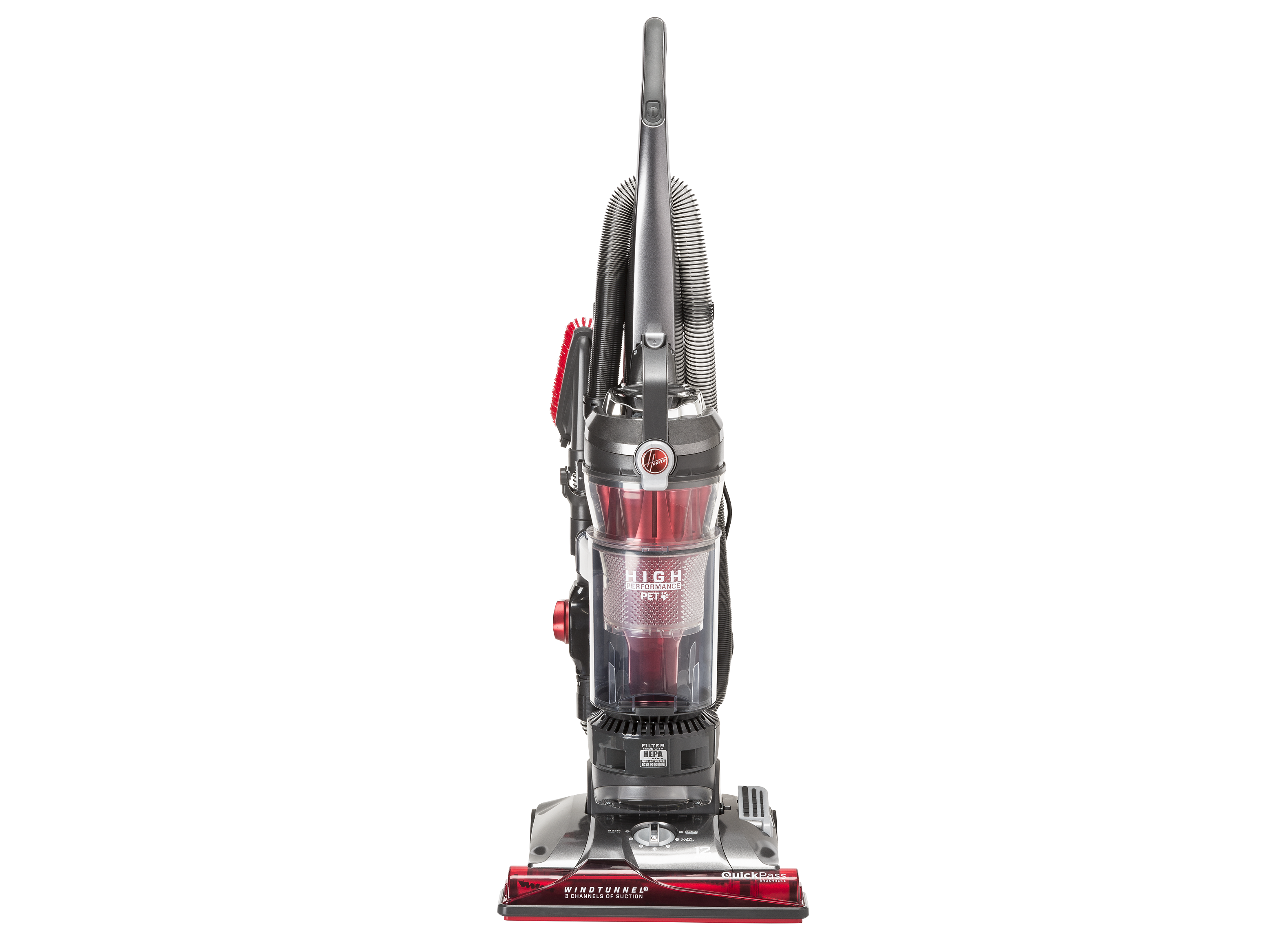
Strengths And Weaknesses Of The Windtunnel 3
No vacuum is perfect, and it’s important to know both the strengths and limits of the WindTunnel 3.
Strengths
- Powerful suction: The three channels mean you pick up more dirt in fewer passes.
- Great for pets: Strong airflow and special tools remove pet hair from carpets and furniture.
- Edge cleaning: Less dust along baseboards and corners.
- HEPA filtration: Good for allergy sufferers.
- Large capacity: You can vacuum large rooms without stopping to empty the canister.
Weaknesses
- Weight: Many WindTunnel 3 models are heavier (often 15-18 lbs). They may be harder to carry upstairs.
- Noise: The strong motor can be louder than some lightweight vacuums.
- Maintenance: You must clean filters and check for clogs to keep suction strong.
- Bulky design: The upright style may not fit under low furniture.
- Corded only: If you want cordless, this is not the model for you.
A practical tip for owners: Learn how to clear blockages in the hose and brush roll. Most suction problems come from trapped hair or debris, not from the motor. Regular cleaning keeps performance high.
Real-world Performance
How does the Hoover WindTunnel 3 work in everyday cleaning? Many users report that it picks up more dirt and pet hair than their older vacuums. In independent tests, the WindTunnel 3 removes over 90% of test dirt from medium-pile carpets in just one or two passes.
On hard floors, it collects most debris without scattering it—thanks to the surface channel.
Edge cleaning works well, but for tight corners, you may still need the crevice tool. The vacuum’s weight can be a drawback for seniors or those with limited strength, but the cleaning power is hard to beat for the price.
Pet owners especially notice less hair and dander in their homes. The HEPA filter also makes a difference for people with allergies, reducing sneezing and dust in the air.
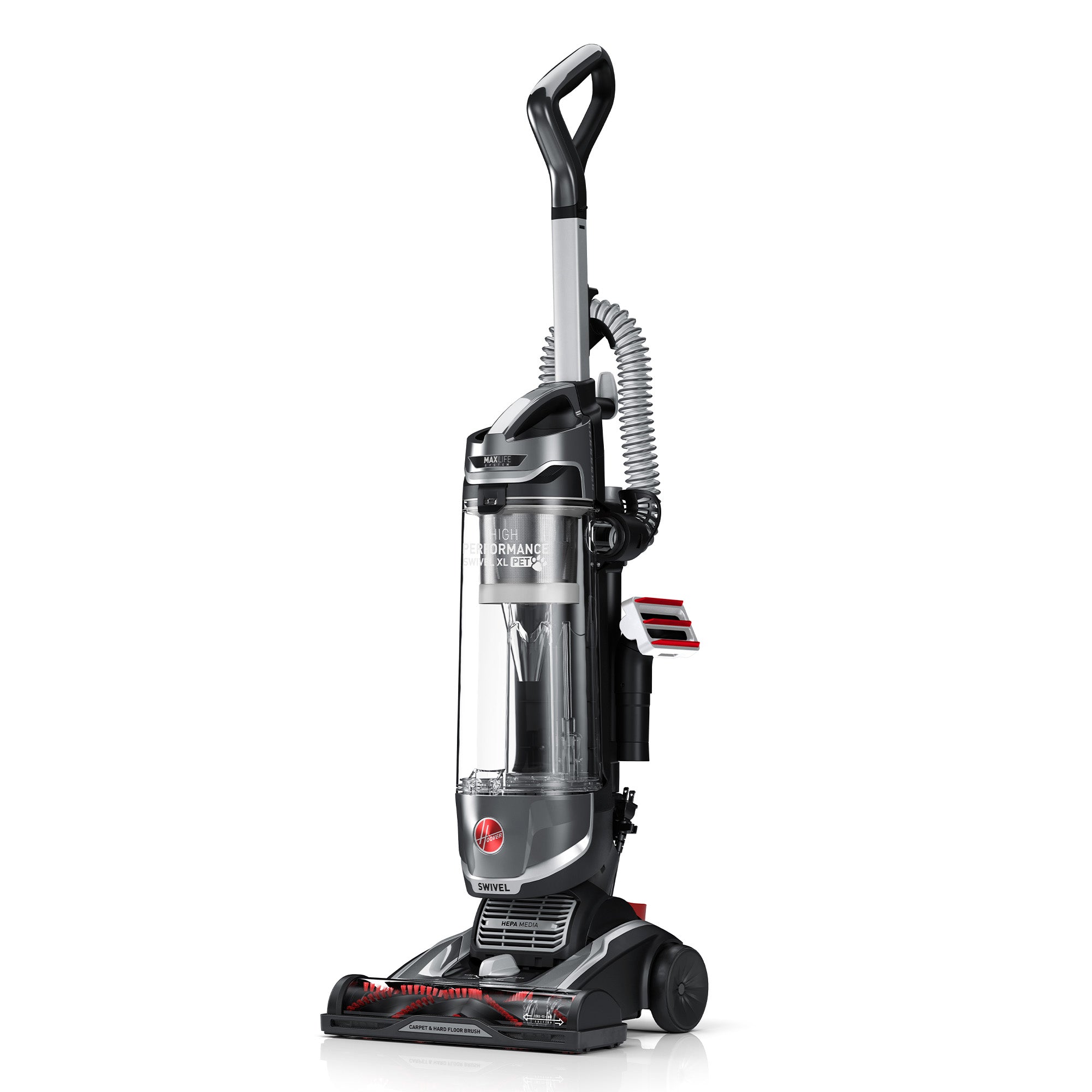
Maintenance And Care Tips
To keep your Hoover WindTunnel 3 working at its best, follow these simple steps:
- Empty the dirt cup after each use: This prevents clogs and keeps suction strong.
- Check and clean the filters: At least every 2-3 months, or monthly with pets.
- Inspect the brush roll: Remove hair and strings to avoid jams.
- Look for blockages: If suction drops, check the hose, wand, and air channels.
- Replace HEPA filter as needed: Usually every 6-12 months, depending on use.
A common beginner mistake is forgetting the filter entirely. Dirty filters make the vacuum work harder and can even burn out the motor. Cleaning them regularly keeps your vacuum working like new.
Choosing The Right Windtunnel 3 Model
There are several models of the Hoover WindTunnel 3. Most share the same cleaning system, but some offer extra features. Here’s a quick comparison of popular models:
| Model | Main Feature | Weight | Best For |
|---|---|---|---|
| High Performance | Large canister, pet tools | 18 lbs | Big homes, pets |
| Pet Upright | Odor filter, tangle-free brush | 17 lbs | Pet hair, allergies |
| Pro Bagless | Cord rewind, multi-floor | 16 lbs | Mixed surfaces |
If you have pets, look for models with odor filters and special pet hair tools. For large areas, a bigger canister means less emptying. Always check the model’s weight if you need to carry it upstairs.
How Does Hoover Windtunnel 3 Compare To Other Brands?
The WindTunnel 3 is often compared to vacuums from Dyson, Shark, and Bissell. While Dyson offers higher-tech features and cordless options, the Hoover WindTunnel 3 is usually more affordable. Shark models are lighter but may not clean as deeply, especially for embedded dirt.
In third-party tests, the WindTunnel 3 matches or beats these brands on carpet cleaning, but may lose points for weight and noise. For most families, especially those with pets or allergies, the WindTunnel 3 offers a solid mix of power and value.
If you want to compare more vacuum models, check resources like Consumer Reports for independent reviews.
Frequently Asked Questions
What Does “windtunnel 3” Mean?
WindTunnel 3 refers to Hoover’s three-channel suction technology. Each channel has a special airflow path to pick up surface debris, deep dirt, and edge dust. All three work together to clean your floors better than single-channel vacuums.
Does The Windtunnel 3 Work On Hard Floors?
Yes, all WindTunnel 3 models have a multi-floor brush roll. You can switch modes for hard floors and carpets. The vacuum does well on tile, wood, and laminate, picking up most debris without scattering.
How Often Do I Need To Change The Hepa Filter?
Replace the HEPA filter every 6 to 12 months, depending on how often you vacuum and if you have pets. Clean or rinse pre-filters more often to keep suction strong.
Is The Hoover Windtunnel 3 Good For Pet Hair?
Yes, the WindTunnel 3 is great for pet hair. Its strong suction and pet tools remove hair from carpets, furniture, and stairs. Models with odor filters also help with pet smells.
Can The Windtunnel 3 Lose Suction Over Time?
Suction stays strong if you empty the canister, clean the filters, and check for blockages. Most suction loss is caused by clogged filters or hoses, not by the motor.
The Hoover WindTunnel 3 stands out for its triple-channel technology, deep cleaning, and strong filtration. For busy homes, pet owners, and allergy sufferers, it remains a smart and reliable choice. Understanding how it works helps you get the most from your vacuum and keep your home cleaner every day.