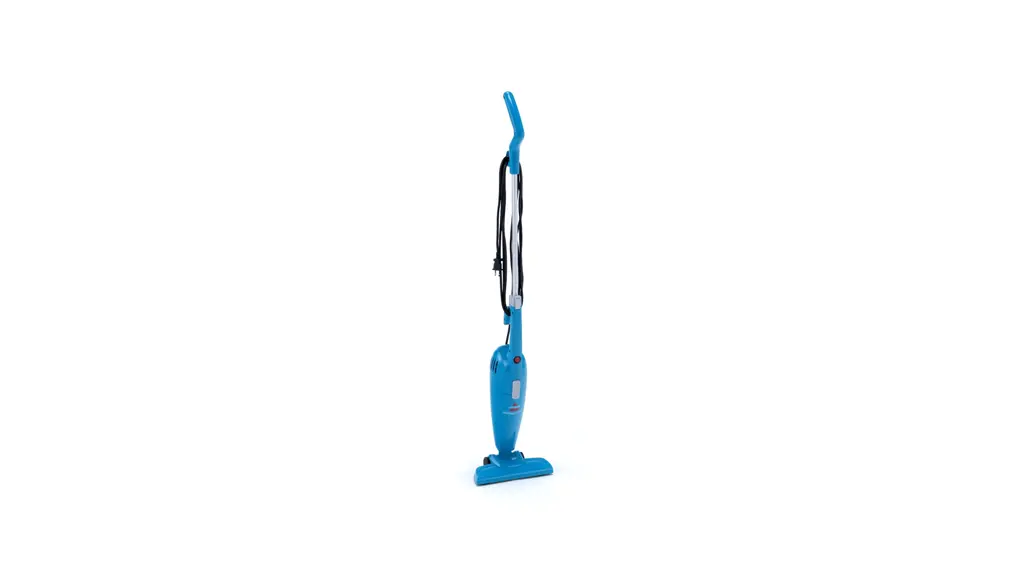
If you’re thinking about buying a Bissell Featherweight vacuum or already own one, you probably wonder: how long will it last? The Featherweight is a popular, lightweight stick vacuum known for its easy handling and affordable price. But reliability matters, especially for busy homes or people looking to get value for their money. In this guide, you’ll learn how long the Bissell Featherweight can last, what affects its durability, signs of wear, and how to make it last longer. You’ll also find real-world comparisons, practical tips, and honest insights that many reviews miss.
What Is The Bissell Featherweight?
The Bissell Featherweight is a compact stick vacuum designed for quick cleanups, hard floors, rugs, and even stairs. It weighs less than 3 pounds and converts easily from a stick to a handheld unit. Its popularity comes from its price, simplicity, and how easy it is to carry around.
Most Featherweight models feature:
- 2-in-1 or 3-in-1 design (stick, handheld, stair)
- A washable filter
- A corded power source (not battery-operated)
- 1.2 amp motor
- Dust cup with about 0.67 liters capacity
Bissell markets the Featherweight as ideal for apartments, dorms, and small homes. But is it built to last, or is it just for short-term use?
Average Lifespan Of Bissell Featherweight
According to user reports, manufacturer statements, and third-party reviews, the average lifespan of a Bissell Featherweight is between 2 to 4 years with regular home use. Some owners report their units lasting up to 5 years, while others see problems after 18 months.
Below is a comparison with similar stick vacuums:
| Vacuum Model | Average Lifespan (Years) | Warranty (Years) | Price Range (USD) |
|---|---|---|---|
| Bissell Featherweight | 2-4 | 1 | $25-$35 |
| Dirt Devil Simpli-Stik | 2-3 | 1 | $25-$30 |
| Shark Rocket | 4-6 | 5 | $120-$160 |
| Eureka Blaze | 2-4 | 1 | $30-$45 |
Most stick vacuums in this price category last about the same. The Featherweight is not designed for heavy-duty cleaning but can handle light, daily messes for several years.
Factors That Affect Bissell Featherweight Longevity
Many things impact how long your Bissell Featherweight will last. Understanding them can help you get the most from your vacuum.
Usage Habits
If you vacuum once a day on hard floors, your Featherweight will likely last longer than if you use it on thick carpets or for big messes. The Featherweight is best for:
- Hard floors (tile, wood, laminate)
- Low-pile rugs
- Small spills
Trying to clean deep carpets or heavy debris can strain the motor and reduce its life.
Maintenance And Care
Proper care is the biggest factor in longevity. Simple steps can double the vacuum’s life:
- Empty the dust cup often: Overfilling can clog the filter and stress the motor.
- Clean or replace the filter: Wash the filter every few weeks, and replace it if it’s worn.
- Check for blockages: Remove hair, string, or debris from the nozzle and tube.
- Store properly: Keep the vacuum dry and avoid dropping it.
Build Quality
The Featherweight is made from lightweight plastic. While this makes it easy to carry, it also means parts can crack if handled roughly. The cord is thin, so avoid pulling or twisting it hard.
Environment
Using the Featherweight in high-humidity areas or for outdoor cleaning can cause damage. It’s designed for indoor, dry surfaces.
Frequency Of Use
If you use your Featherweight for quick cleanups once or twice a week, it may last much longer than daily heavy use. Some users in smaller homes report their vacuums lasting over four years.
Signs Your Featherweight Is Wearing Out
Knowing when your vacuum is nearing the end of its life can help you plan ahead. Common signs include:
- Loss of suction: Even after cleaning the filter and dust cup, the vacuum doesn’t pick up as well.
- Strange noises: Grinding, rattling, or whining sounds from the motor.
- Overheating: The body feels hot, or the vacuum shuts off during use.
- Cracked or broken parts: Handle, nozzle, or dust cup does not fit or stay together.
- Electrical issues: Cord is frayed, plug is loose, or vacuum turns on and off by itself.
These signs don’t always mean you need a new vacuum immediately. Sometimes, replacing the filter or cleaning the nozzle can fix the issue. But if problems keep coming back, it’s likely time for a replacement.
Real-world User Experiences
Looking at reviews and owner forums, you’ll find a range of experiences. Here are some typical examples:
- Apartment owners: Many report their Featherweight lasts about 3 years with weekly use on tile and laminate. They praise its light weight and easy storage.
- Families with pets: Some users say their Featherweight lasted just over 2 years, but struggled with pet hair and needed frequent filter cleaning.
- College students: Often report the vacuum lasting through a full year of school, with no issues if used gently.
- Homeowners with heavy use: In homes with lots of carpet or big messes, some see the vacuum slow down after 18-24 months.
It’s important to remember that proper maintenance is often the difference between a vacuum lasting 2 years or more.
How To Make Your Bissell Featherweight Last Longer
You can extend the life of your Featherweight by following practical steps. Many owners miss these, but they make a big difference.
1. Clean The Filter Regularly
Wash the filter every 2-4 weeks. Let it dry fully before putting it back. A clogged filter is the number one reason for loss of suction and motor strain.
2. Avoid Overfilling The Dust Cup
Empty the dust cup when it’s half full. This keeps airflow strong and prevents debris from reaching the motor.
3. Use For Intended Surfaces Only
Stick to hard floors and low-pile rugs. Don’t try to vacuum sand, gravel, or thick carpets.
4. Watch The Cord
Don’t yank the cord from the wall, step on it, or let it get twisted. A damaged cord can cause electrical problems.
5. Store Safely
Keep the vacuum upright, in a dry place. Don’t leave it outside or in damp basements.
6. Replace Parts When Needed
Filters cost $8-$12 and are easy to find. Replacing them when worn out can restore suction and help the motor.
7. Avoid Water Or Wet Messes
The Featherweight is not a wet/dry vacuum. Using it for liquids can damage the motor and electrical parts.
Below is a quick maintenance schedule:
| Task | Frequency | Tips |
|---|---|---|
| Empty dust cup | After every use | Don’t let debris pile up |
| Wash filter | Every 2-4 weeks | Dry completely before use |
| Check nozzle/tube | Monthly | Remove hair and blockages |
| Inspect cord | Quarterly | Look for fraying or damage |
| Replace filter | Annually | Buy genuine Bissell parts |

Comparing Bissell Featherweight To Other Vacuums
If you want a vacuum that lasts longer, you might consider other brands or models. Here’s a quick comparison of Bissell Featherweight versus higher-end stick vacuums:
| Feature | Bissell Featherweight | Shark Rocket | Dyson V7 |
|---|---|---|---|
| Weight | 2.8 lbs | 4.2 lbs | 5.5 lbs |
| Average lifespan | 2-4 years | 4-6 years | 5-7 years |
| Warranty | 1 year | 5 years | 2 years |
| Price | $25-$35 | $120-$160 | $300-$350 |
| Best for | Light, quick cleanups | Mixed floors | All floor types |
The Featherweight is ideal if you need something cheap, light, and simple. If you want more durability or power, you’ll pay more for it.
Common Mistakes That Reduce Lifespan
Many Featherweight owners make mistakes that cause their vacuum to fail early. Here are some to avoid:
- Using the vacuum for wet spills
- Not cleaning the filter regularly
- Vacuuming large debris (coins, rocks, paperclips)
- Dropping the vacuum or pulling the cord hard
- Ignoring strange noises or overheating
One insight many beginners miss: never use the Featherweight for deep carpet cleaning or outdoor dirt. It’s made for light indoor messes only.
Warranty And Support
The Bissell Featherweight comes with a 1-year limited warranty. This covers manufacturing defects, not wear and tear. If your vacuum stops working within a year, Bissell can repair or replace it. Always keep your proof of purchase.
If your vacuum fails after the warranty, replacement parts are affordable. Filters, dust cups, and cords can be bought online. Repairs for major issues (like motor failure) often cost more than a new unit.
For full warranty details, visit the official Bissell site or check the manual included with your vacuum. For more details, refer to Bissell Support.
Frequently Asked Questions
How Long Does The Bissell Featherweight Vacuum Last On Average?
Most Featherweight vacuums last 2 to 4 years with regular home use. Light, careful use and proper maintenance can extend this to 5 years.
Can I Use My Featherweight For Carpet Cleaning?
The Featherweight works best on hard floors and low-pile rugs. It is not designed for deep carpet cleaning. Using it for heavy carpets can reduce its lifespan.
What Should I Do If My Featherweight Loses Suction?
First, empty the dust cup and wash the filter. Check for blockages in the nozzle or tube. If these steps don’t help, the filter may need to be replaced.
Is It Worth Repairing A Broken Featherweight?
For minor issues like filter replacement or cord repair, it can be worth fixing. For motor problems or broken plastic parts, buying a new unit is usually cheaper.
How Do I Make My Featherweight Last Longer?
Clean the filter regularly, empty the dust cup often, use the vacuum only on intended surfaces, and store it safely. Avoid vacuuming wet messes or large debris.
Choosing a vacuum is about more than just price or features—it’s about reliability and lasting value. The Bissell Featherweight offers dependable performance for light cleaning, as long as you treat it with care. With good maintenance, most users get several years from their Featherweight.
Knowing its limits and strengths can help you decide if it’s right for your home.