

Keep your blower running longer with simple, regular care and smart storage.
I’ve worked with outdoor power tools for years and tested dozens of machines. This guide on Leaf blower maintenance tips combines hands-on experience, manufacturer best practices, and clear checklists so you can avoid breakdowns, save money, and extend service life. Read on for step-by-step routines, quick fixes, seasonal plans, and safety rules you can apply today.
Why regular Leaf blower maintenance tips matter
Regular care prevents sudden failures and cuts repair costs. Leaf blower maintenance tips keep performance steady and fuel use low. A well-maintained blower also runs cleaner and safer for you and the environment. From simple checks to seasonal overhauls, maintenance protects your investment and helps lawns and driveways look their best.
Basic routine checks you should do often
Do these checks before each use or at least weekly during heavy seasons.
- Visual inspection: Look for loose screws, cracked tubes, and damaged housings.
- Fasteners: Tighten nuts and screws on handles, mounts, and outlets.
- Intake and outlet: Clear leaves, nests, and debris from vents to keep airflow healthy.
- Controls and throttle: Test the throttle, choke, and stop switch for smooth action.
- Vibration and noise: Note new rattles or excess vibration and stop if something feels wrong.
These simple steps make advanced repairs rarer. Use a small wrench set and a soft brush. Keep a logbook of maintenance dates and tasks. Leaf blower maintenance tips become easier when you follow a habit.
Fuel and engine care for gas blowers
Gas models need more attention than electric units. Proper fuel care is one of the most important leaf blower maintenance tips.
- Use fresh fuel: Old gas causes varnish and clogs. Fill with clean, fresh gasoline.
- Fuel stabilizer: Add stabilizer if fuel will sit more than 30 days. Stabilizer reduces gum and corrosion.
- Drain for storage: Run the engine dry or follow the manufacturer’s drain steps before long storage.
- Carburetor care: Clean or rebuild a dirty carburetor to restore idle and throttle response.
- 2-stroke mix: If your blower uses a 2-stroke engine, measure oil precisely and mix to spec.
From my experience, a clogged carburetor is the top cause of no-starts. A small carb cleaner and a rebuild kit will save you a service call.

Air filter and spark plug: small parts, big impact
These two parts are cheap but vital. Replace them on schedule as part of your leaf blower maintenance tips.
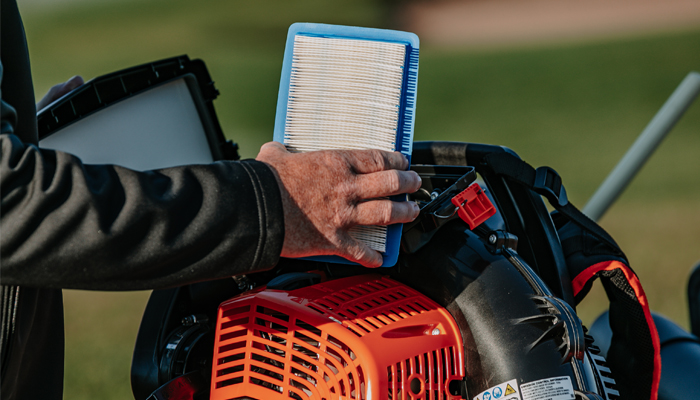
- Air filter: Check monthly in heavy use. Clean foam filters with warm soapy water, dry fully, and lightly oil if required. Replace paper filters if dirty or clogged.
- Spark plug: Inspect every season. Replace if electrodes are worn or fouled. Gap to the spec in the owner’s manual.
- Signs to watch: Hard starting, poor power, or heavy smoke often point to the air filter or spark plug.
A clean air filter improves power and fuel economy. I always carry a spare spark plug in my tool bag during autumn cleanups.

Cleaning, storage, and winterizing steps
Correct cleaning and storage are core leaf blower maintenance tips for long life.
- Surface cleaning: Wipe housing with a damp cloth and clear vents with a brush. Avoid soaking electrical parts.
- Fuel system: Run the engine until it stops or use the drain method. Store without fuel in cold months.
- Battery care (electric models): Store batteries in a cool, dry place at partial charge. Avoid freezing temperatures.
- Protective storage: Hang or shelve the blower to avoid dents and moisture. Use a breathable cover to keep dust off.
- Seasonal check before reuse: Inspect seals, hoses, and oil (if 4-stroke) and clean the air filter before re-entry into service.
I learned the hard way that fuel left in a carburetor can cause a winter headache. Emptying fuel or using stabilizer saved me many hours of cleanup.
Troubleshooting common problems and fixes
Quick diagnosis saves time. These steps reflect tested leaf blower maintenance tips.
- Blower won’t start: Check fuel, spark plug, and air filter. Prime and choke according to the manual.
- Loss of power: Inspect the air filter, muffler, and carburetor. Replace clogged filters and clean the carburetor jets.
- Excessive smoke: Too much oil in 2-stroke mix or fouled spark plug. Recheck mixing ratio and replace plug.
- Overheating: Blocked intake or worn cooling fins. Clear debris and check for proper ventilation.
- Vibration or loose parts: Tighten fasteners and inspect mounting hardware. Replace worn rubber mounts.
If troubleshooting fails, document what you tried and share those details with a repair tech. Clear notes speed up accurate repairs.
Tools, parts, and supplies to keep on hand
Stocking the right items makes maintenance quick and effective.
- Basic tools: Screwdrivers, socket set, pliers, and a spark plug wrench.
- Cleaning supplies: Soft brushes, carburetor cleaner, shop rags, and compressed air.
- Spare parts: Extra filters, spark plugs, fuel lines, and a carb rebuild kit.
- Lubricants and fluids: Engine oil for 4-stroke models, 2-stroke oil, and fuel stabilizer.
- Safety gear: Eye protection, gloves, and hearing protection.
A small maintenance kit in a toolbox or garage shelf ensures you can apply leaf blower maintenance tips when needed.
Safety and best practices when performing maintenance
Safety protects you and your equipment while you follow leaf blower maintenance tips.
- Disconnect spark or battery: Always isolate the ignition before working.
- Work in a ventilated area: Avoid inhaling fumes and dust.
- Cool engine: Let hot parts cool before touching or refueling.
- Use proper tools: Avoid improvised fixes that can damage parts.
- Follow the manual: Manufacturer specs for torque, oil type, and clearances matter.
Respecting these rules keeps maintenance safe and effective.
Short PAA-style questions
What is the best interval for routine checks? Do a quick visual check every use and a full routine every 25 hours of operation.
How often should I replace the air filter? Replace or deep-clean the filter each season or sooner if you use the blower in dusty conditions.
Should I use ethanol-free gasoline? Ethanol-free fuel reduces clogging and may extend carburetor life, but use what’s recommended by the manufacturer.
Frequently Asked Questions of Leaf blower maintenance tips
How often should I perform basic maintenance on a leaf blower?
Perform basic checks before each use and a full maintenance session every 25 to 50 hours of operation or at least once per season. Seasonal checks catch wear that small, frequent inspections can miss.
Can I store fuel in my leaf blower over winter?
It’s best to drain fuel or add a stabilizer before long storage. Old fuel can gum up the carburetor and cause starting problems.
Are electric blowers easier to maintain than gas models?
Yes. Electric blowers need less routine engine care and no fuel system work, but batteries and electrical connections still require attention. Follow the manufacturer’s battery care rules.
What are the signs my carburetor needs cleaning?
Hard starting, poor idle, and fluctuating power are common signs. Cleaning or rebuilding the carburetor often fixes these issues.
What safety gear should I use during maintenance?
Wear eye protection, gloves, and hearing protection when testing a running unit. Disconnect spark or battery before doing any mechanical work.
How do I winterize a battery-powered leaf blower?
Charge the battery to about 40–60 percent for storage and keep it in a cool, dry place above freezing. Avoid fully discharging or storing in extreme cold.
When should I call a professional for repairs?
Call a pro if you face persistent starting issues, major vibration, or internal engine problems you cannot diagnose. Professional service prevents costly mistakes.
Conclusion
Keeping up with leaf blower maintenance tips saves you time and money. Regular checks, clean filters, proper fuel care, and safe storage are simple steps with big payoff. Start a routine today, keep a small toolkit, and note problems early to avoid bigger repairs. Try one maintenance habit this week and see how much smoother your blower runs—then come back and share your results or questions.

