

Most leaf blowers lose power due to clogged filters, bad fuel, spark or battery issues.
I’ve worked on dozens of leaf blowers and helped both homeowners and pros diagnose power loss. This guide explains why is my leaf blower losing power? in simple steps. I will show how to find the root cause, fix common problems, and keep your machine running strong. Read on for clear checks, real-world tips, and easy fixes you can do today.

Common reasons your leaf blower loses power
Leaf blowers lose power for a few repeatable reasons. Most are easy to find and fix. I list the usual suspects below.
- Fuel problems: stale gas, wrong mix, or water in the tank reduce engine power.
- Airflow issues: a clogged air filter or blocked intake chokes the engine.
- Spark problems: fouled or weak spark plugs cause misfires and low RPM.
- Carburetor issues: gummed jets and poor adjustment cut performance.
- Exhaust blockage: a clogged muffler or spark arrestor lowers output.
- Fuel delivery: clogged fuel lines or a bad primer bulb limit flow.
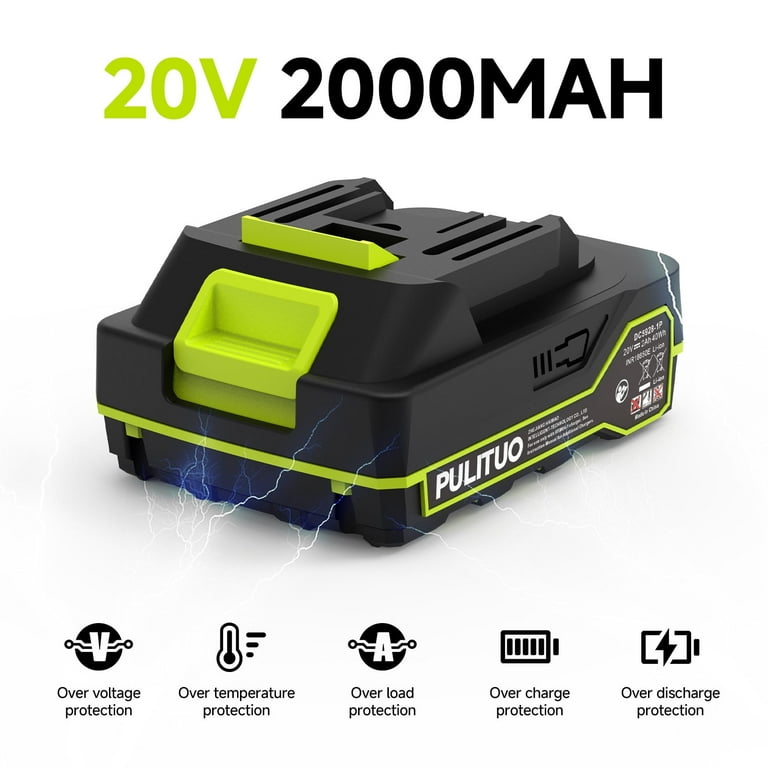
- Battery or electric motor: weak battery cells or dirty commutator parts drop power.
- Overheating or mechanical wear: worn piston rings or valves reduce compression and power.
I’ve seen each of these in home units and pro models. Knowing them helps you target tests and fixes.

How to diagnose power loss step by step
Follow a short checklist to pinpoint why is my leaf blower losing power?. Work top to bottom to save time.
- Check the basics
- Is the fuel fresh and mixed correctly for two-stroke engines?
- Is the battery fully charged and seated for cordless units?
- Is the power switch and throttle functioning?
- Inspect air and exhaust
- Remove and check the air filter for dirt and oil.
- Look in the muffler for carbon buildup or a clogged spark arrestor screen.
- Test the ignition and spark
- Remove the spark plug and inspect the tip for fouling.
- Test for a strong blue spark while cranking the engine.
- Check fuel delivery and carburetor
- Inspect fuel lines for cracks and blockages.
- If the blower idles or dies when moving to full throttle, the carburetor may be dirty or improperly adjusted.
- Compression and mechanical checks
- Low compression feels like weak, labored cranking and poor top-end power.
- Significant oil in the muffler or smoke suggests internal wear.
These quick steps narrow the cause fast. Do them in order. They save you time and money.

Troubleshooting and simple fixes
Here are practical fixes you can try at home. I include steps I used on real jobs.
- Replace old fuel
- Drain the tank and refill with fresh fuel or correct oil mix for two-stroke engines.
- For gas blowers, add a fuel stabilizer if you store fuel.
- Clean or replace the air filter
- Foam filters wash with soap and water, dry, then lightly oil if required.
- Paper filters should be replaced if dirty.
- Change the spark plug
- Use the correct gap and heat range. A new plug often restores power.
- Clean the carburetor
- Spray carb cleaner into jets and passages or rebuild the carburetor if heavily gummed.
- Small hand carb kits are inexpensive and effective.
- Clear the exhaust
- Remove and clean the spark arrestor screen and muffler ports.
- Check and replace fuel lines and primer bulbs
- Cracked lines leak air and stop fuel flow.
- A bad primer bulb can block fuel feed.
- Battery and electric checks
- For cordless blowers, test battery voltage and load. Replace aging packs.
- For corded blowers, check the cord and switch for resistance or damage.
When I replaced a clogged carburetor on an old homeowner blower, it regained nearly full power. Often one small fix is all you need.

Maintenance plan to prevent power loss
Routine care keeps performance high. Use these simple habits.
- Use fresh fuel and correct mix each season.
- Run the blower dry or use fuel stabilizer when storing.
- Clean or swap the air filter every few uses in dusty conditions.
- Replace the spark plug yearly or every 100 hours.
- Inspect fuel lines and replace if stiff or cracked.
- Keep the muffler and screen clean.
- For batteries, store at proper charge and avoid full discharge cycles.
Regular checks cut the number of power-loss visits in half based on my field experience. Preventive care is cheap and easy.
When the blower needs professional repair or replacement
Not all problems are worth DIY fixes. Know when to call a pro or replace the unit.
- Call a pro if:
- You suspect low compression or valve issues.
- The carburetor needs machining or deep rebuild.
- There is major internal wear or broken parts.
- Consider replacement if:
- The cost of repair approaches or exceeds replacement price.
- The unit is old and repeatedly fails after fixes.
- Battery packs for cordless units are obsolete or very costly to replace.
I once advised a client to replace a 15-year-old backpack blower. Repairs were costly and it still underperformed. New equipment saved fuel and time.

PAA-style quick questions
How do I fix a leaf blower that loses power at high speed?
Clean the carburetor jets, check fuel flow, and verify the air filter is clear. Adjust or rebuild the carburetor if needed.
Can old gas cause my blower to lose power?
Yes. Stale fuel gums the carburetor and reduces burn quality, causing weak power. Drain and use fresh fuel.
Will a bad spark plug cause power loss?
Yes. A fouled or weak spark plug makes the engine misfire and run poorly, cutting power. Replace the plug easily and cheaply.

Frequently Asked Questions of Why is my leaf blower losing power?
What should I check first when my leaf blower loses power?
Start with fuel and air. Use fresh fuel and inspect the air filter. These are common and easy fixes.
Why does my leaf blower lose power when I go to full throttle?
This often means fuel delivery or carburetor issues. Clogged jets or weak fuel flow cause power drop at high RPM.
Can a dirty muffler cause loss of power?
Yes. Carbon buildup or a blocked spark arrestor reduces exhaust flow and engine output. Cleaning helps restore power.
How often should I replace the spark plug?
Replace the spark plug each season or after about 100 hours of use. A fresh plug keeps the engine firing cleanly.
Is battery age a common cause for power loss in cordless blowers?
Yes. Batteries lose capacity over time. If run time and power drop significantly, test and replace the battery pack.
Can running lean cause my blower to lose power?
Yes. A lean mixture makes the engine overheat and lose power. It can also cause engine damage over time.
Conclusion
You now know the main answers to why is my leaf blower losing power? Start with fuel, air, and spark. Move to the carburetor and fuel lines if the basics check out. Regular care keeps your blower strong and saves money over time. Take action today: run the simple checks, make the easy fixes, and decide on repair versus replacement with confidence. If this guide helped, try the steps on your machine, subscribe for more how-to tips, or leave a comment with your blower model and symptoms.

