

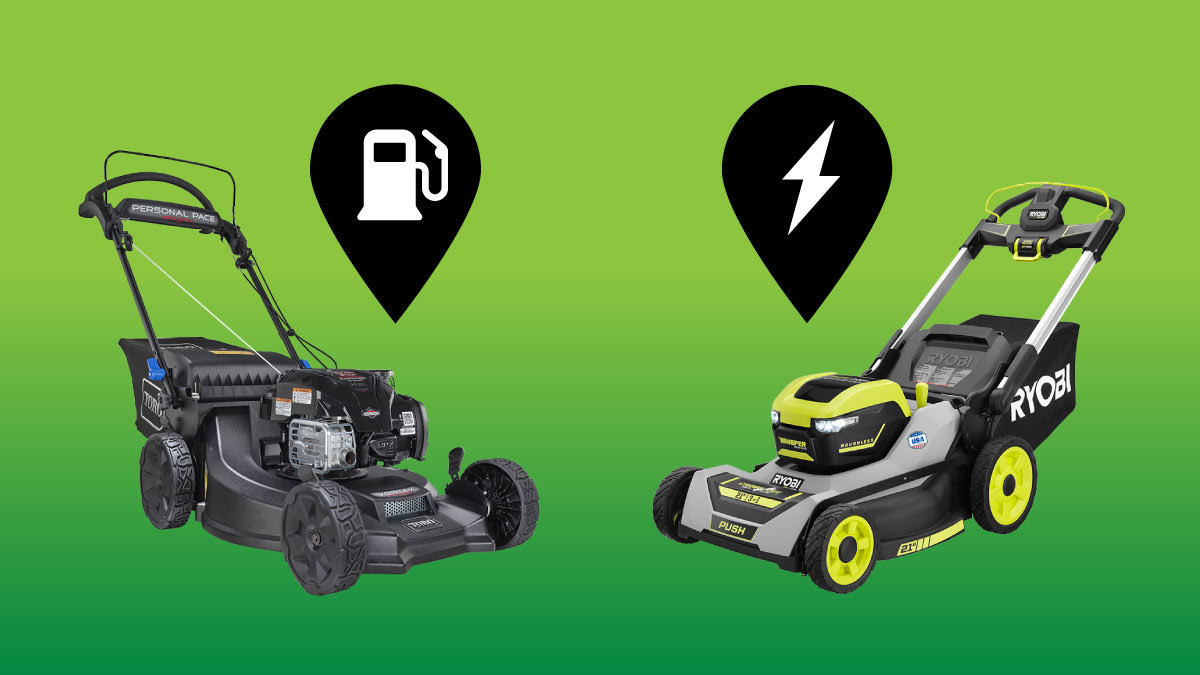
Electric turf vacuums are best for most home and light commercial jobs; gas wins for heavy, nonstop work.
I’ve managed turf on sports fields and serviced vacuums for years, so I know the trade-offs between a gas or electric turf vacuum. This guide breaks down performance, cost, noise, and real-world use to help you choose the right tool for your turf care needs. Read on for clear advice, buying tips, and hands-on lessons from actual field work.
How turf vacuums work
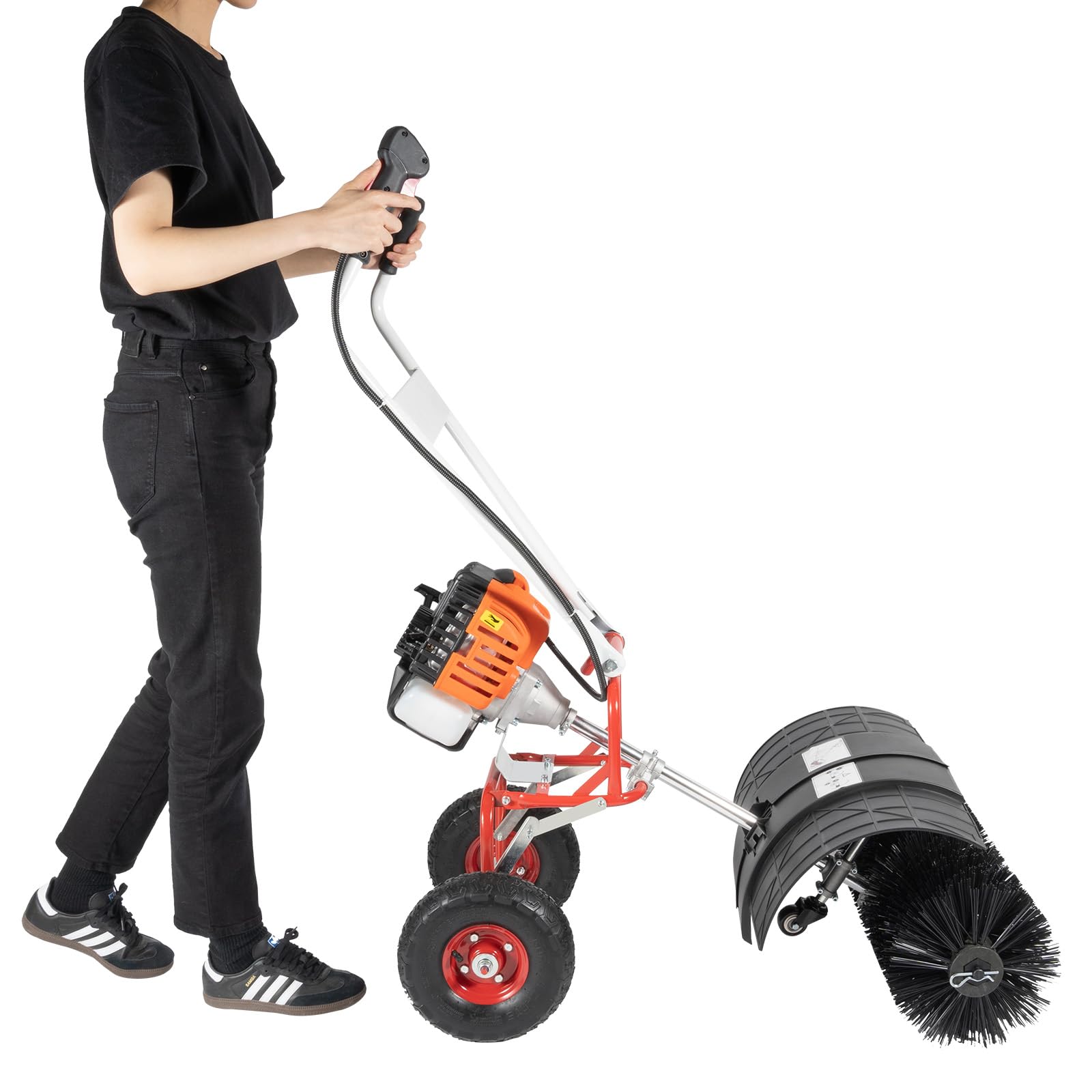
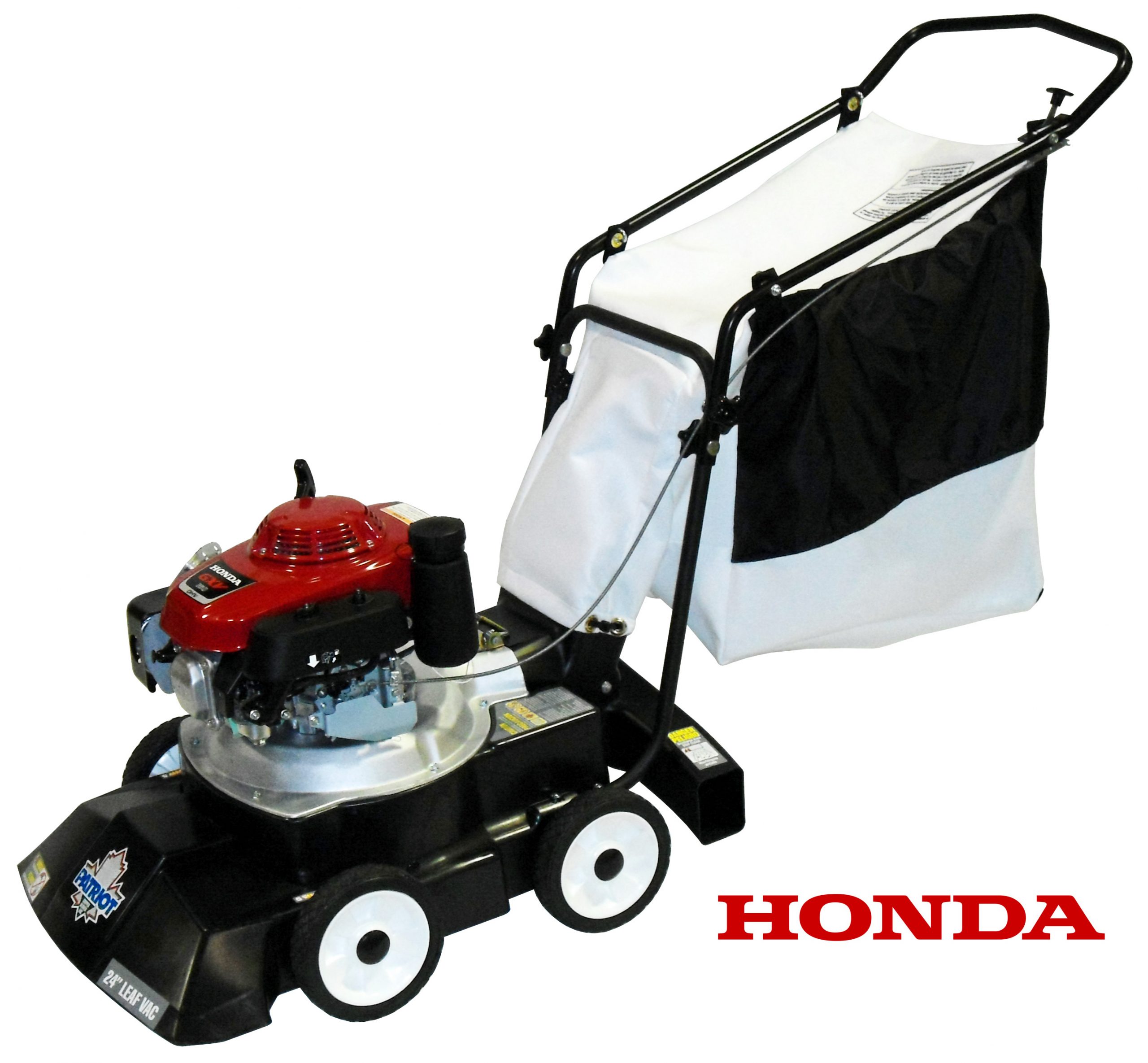
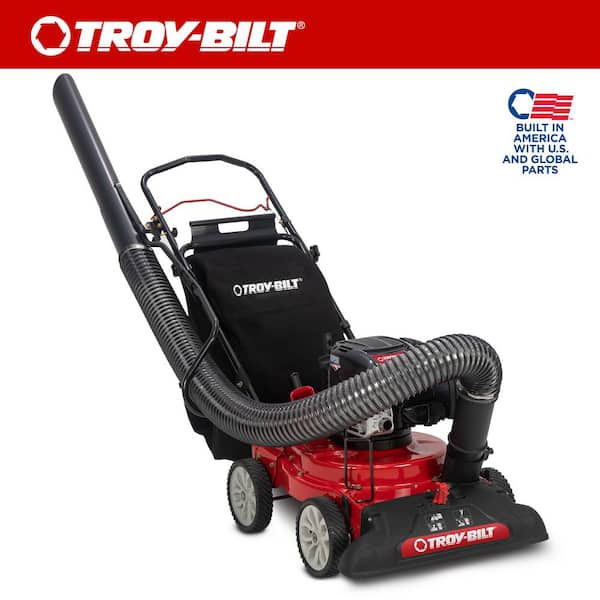
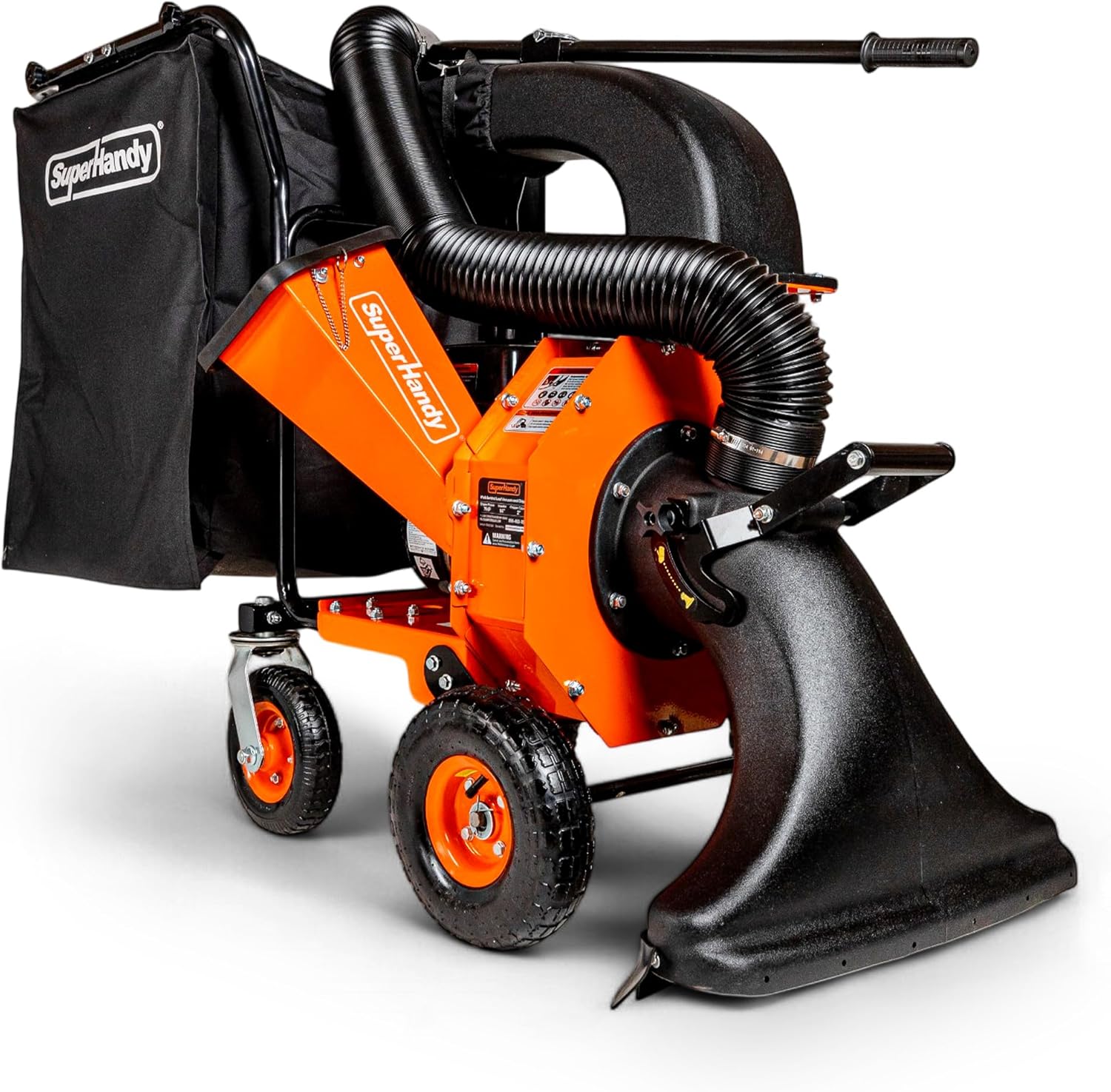
Turf vacuums remove debris from natural and artificial turf. They use a fan or impeller to pull leaves, sand, seed, and thatch into a collection bag or hopper. Some models add brushes or agitation rollers to free stuck debris. Both gas and electric turf vacuums rely on the same basic airflow and collection concepts, but they differ in power source and drive design.
Performance: power, run time, and turf impact
Power and suction
- Gas machines: often deliver steady, high suction. They excel at heavy, wet debris and dense infill.
- Electric machines: modern brushless motors offer strong suction. High-end electric units can match light commercial gas models.
Run time and duty cycle
- Gas machines: run as long as they have fuel. They suit long shifts and large jobs.
- Electric machines: limited by battery run time. Swappable batteries can extend use, but they require charging logistics.
Turf impact
- Gas or electric turf vacuum choice affects turf wear. Lower weight and lower vibration reduce turf damage. Many electric units are lighter and gentler on delicate artificial carpets.
Practical example
- For a small yard or routine artificial turf cleanup, an electric turf vacuum often works fast and quiet. For cleaning stadium infill after a long event, a gas or large battery system is usually faster and more practical.

Noise, emissions, and environmental impact
Noise
- Gas models typically run louder, often 85 dB or higher at the operator position. That can mean hearing protection and noise curfews in many areas.
- Electric hub-motor or brushless designs run much quieter, often in the 60–75 dB range. This matters for early-morning work near homes.
Emissions
- Gas engines emit local pollutants and CO2. That matters for indoor use or in low-emission zones.
- Electric turf vacuum models have zero local tailpipe emissions. Battery production and disposal have environmental costs, but local air quality benefits are clear.
Regulation and sustainability
- Cities and colleges increasingly favor electric fleet tools to meet clean-air goals. Choosing an electric turf vacuum can future-proof your equipment needs.

Cost: purchase price, fuel, maintenance, and total cost of ownership
Upfront cost
- Gas turf vacuums: can be less expensive at lower power levels but cost more for heavy-duty commercial units.
- Electric turf vacuums: entry-level cordless units are affordable, but high-performance battery systems and spare batteries raise the price.
Operating cost
- Gas needs fuel and regular engine service. Oil changes, spark plugs, and carburetor work add time and cost.
- Electric needs battery replacements and chargers. Batteries age and will need replacement after a few hundred charge cycles.
Maintenance and downtime
- Gas units have more moving parts and routine checks. They often need more shop time.
- Electric units have fewer routine service needs. Swapping a battery is quick, which cuts downtime on small crews.
Total cost example
- For a small lawn business that works short jobs, an electric turf vacuum with two batteries may cost less per year. For a large grounds crew doing full-day stadium work, gas units may show lower overall cost due to continuous run time.
Use cases: when to choose gas or electric turf vacuum
Choose gas or electric turf vacuum based on how and where you work.
- Homeowner / small yard: Choose electric for low noise, low fuss, and no fuel storage.
- Artificial turf maintenance: Electric is ideal for routine grooming and quick cleanups.
- Commercial landscaping business: Consider both. Electric for residential jobs; gas for long commercial jobs.
- Stadium and sports fields: Gas often wins for long, heavy-duty sessions, unless the stadium invests in high-capacity electric setups.
- Indoor arena or enclosed spaces: Electric only. No fumes allowed.

Practical tips for buying and operating
Key specs to check
- Airflow (CFM): higher values move more debris.
- Vacuum pressure (inches of water): shows suction strength on dense debris.
- Hopper capacity: larger reduces the number of stops to empty.
- Weight and wheel design: affects turf contact and ease of maneuvering.
- Battery runtime and charge time: for electric, plan for spares.
- Noise rating and emissions: check local rules.
Operational tips
- Match the tool to the job size. Don’t over-buy power for small tasks.
- For electric systems, buy at least one spare battery and a fast charger.
- Keep filters and bags clean to maintain suction.
- Test on a patch of turf when possible to check for damage risk.
My experience and lessons learned
I’ve run both gas and electric turf vacuums on parks and sports fields. One lesson stuck with me: plan for logistics, not just specs. A powerful gas unit is useless if you can’t reach the site easily. A battery system is great until you run out of charge mid-job. I once under-estimated hopper size and spent hours stopping to empty debris. Now I buy slightly larger hoppers or use a crew member as an emptying runner. Also, local noise rules cost a job the first time I ignored them. Learn from that and check local restrictions before buying.
Common myths and real facts
- Myth: Gas is always stronger. Fact: High-end electric units can match light commercial gas for many tasks.
- Myth: Electric means short life. Fact: Proper battery care and replacements keep electric tools productive for years.
- Myth: Gas is always cheaper to own. Fact: Fuel and maintenance add up; electric can be cheaper for light to medium workloads.
- Myth: Electric won’t handle wet debris. Fact: Some electric vacuums handle damp leaves well; check specs and IP ratings.

Frequently Asked Questions of Is a gas or electric turf vacuum better?
What is the main difference between a gas or electric turf vacuum?
The main difference is the power source: gas runs on fuel and gives long continuous runtime, while electric runs on batteries or cord power with lower noise and no tailpipe emissions. Both use the same suction and collection design.
Are electric turf vacuums powerful enough for commercial use?
Some high-end electric systems are designed for commercial use and can match light commercial gas units. For long, heavy-duty shifts, gas still often offers longer runtime and consistent power.
How long do batteries last in electric turf vacuums?
Battery runtime varies by model, load, and battery size. Expect 30 minutes to a few hours per battery; having spare batteries doubles or triples usable work time.
Do gas turf vacuums damage artificial turf more than electric ones?
Not inherently. Turf damage depends on weight, wheel design, and vibration. Many electric models are lighter and can be gentler, but proper setup matters most.
Which option is better for indoor arenas?
Electric turf vacuums are the only safe choice indoors due to zero local emissions and lower noise. Gas engines are not suitable in enclosed spaces.
How often do gas vacuums need maintenance?
Regular checks are needed: fuel, oil, spark plugs, and air filters. A small business might schedule weekly checks during peak season and tune-ups monthly.
Can I convert a gas turf vacuum to electric?
Conversions exist but are complex. They require matching motor specs, battery capacity, and mounts. For most users, buying purpose-built electric units is easier and safer.
Conclusion
Choosing between a gas or electric turf vacuum comes down to job size, noise limits, environmental goals, and logistics. For most homeowners and light commercial work, an electric turf vacuum gives quiet operation, low upkeep, and strong performance. For long shifts, heavy debris, or remote sites without charging, a gas or high-capacity system may be the smart pick. Try to match the tool to the task, plan for power or fuel needs, and buy a model with the right airflow, hopper size, and user comfort. If you found this helpful, leave a comment with your situation, subscribe for gear guides, or test a model at a rental shop before you buy.

