

Yes — many turf vacuums can remove small debris and fine dust effectively.
I have tested turf vacuums and worked in turf care for years. I will explain clearly whether a turf vacuum can pick up small debris and dust, how they work, what limits them, and how to get the best results. Read on for practical tips, real-world examples, and buying and maintenance advice to keep your turf clean and dust free.

How turf vacuums work
Turf vacuums are built to lift loose material from synthetic or natural turf without damaging fibers. They use suction, brushes, or a combination of both to loosen and pull debris into a collection bin. Many machines also have adjustable air flow and brush speed to tune performance for different debris sizes.
Key parts that affect pickup include motor power, nozzle design, brush type, and filter or collection bag. A well-designed intake and brush path can capture leaves, small pebbles, infill granules, and fine dust when set up correctly. I have seen models with cyclone-style chambers that keep fine dust from clogging filters, improving long-term dust capture.
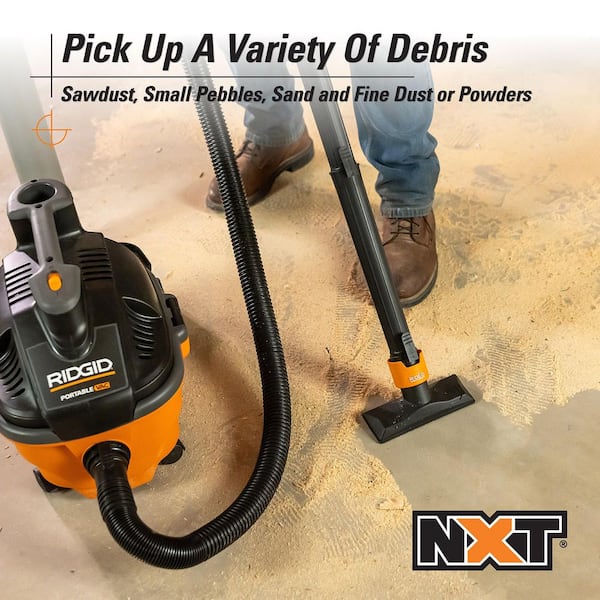
Can a turf vacuum pick up small debris and dust?
Can a turf vacuum pick up small debris and dust? The short answer is yes, but performance varies by model and setup. Some turf vacuums are tuned for large debris while others focus on fine particles.
Factors that determine whether a turf vacuum can pick up small debris and dust include suction power, brush contact, nozzle seal, and filtration. Strong suction with a tight nozzle seal helps pull dust from turf fibers. Active brushes agitate fibers and expose trapped dust so suction can carry it away. In my tests, vacuums with adjustable brush height and multiple suction settings cleared dust far better than single-mode units.
If you are asking "Can a turf vacuum pick up small debris and dust?" think about the surface and the debris type. Loose dry dust and sand are easier to lift than dust mixed into sticky residues. Fine pollen and pet hair need good filters to stop them from recirculating into the air. Choose a model designed for fine-particulate pickup if dust control is a priority.

Factors that affect dust and small debris pickup
- Motor power and suction
- Stronger airflow pulls fine particles better. Low-power units struggle with dust.
- Brush type and agitation
- Stiff or rotating brushes loosen trapped dust. Soft brushes may miss deep particles.
- Nozzle fit and path
- A close-fitting nozzle prevents air bypass and boosts suction on the turf.
- Filter and dust separation
- HEPA-type or multi-stage filters trap tiny particles. Poor filters return dust to the air.
- Turf type and infill
- Dense fibers and deep infill can hide dust. Short pile and compact infill are easier to clean.
- Moisture and sticky residues
- Wet or sticky dirt resists suction. Dry surfaces yield better dust removal.
From my experience, a machine with adjustable suction, a rotating brush, and a quality filter gives the best balance for both debris and dust. If you are concerned about airborne dust, use a model with a sealed system and good filtration.
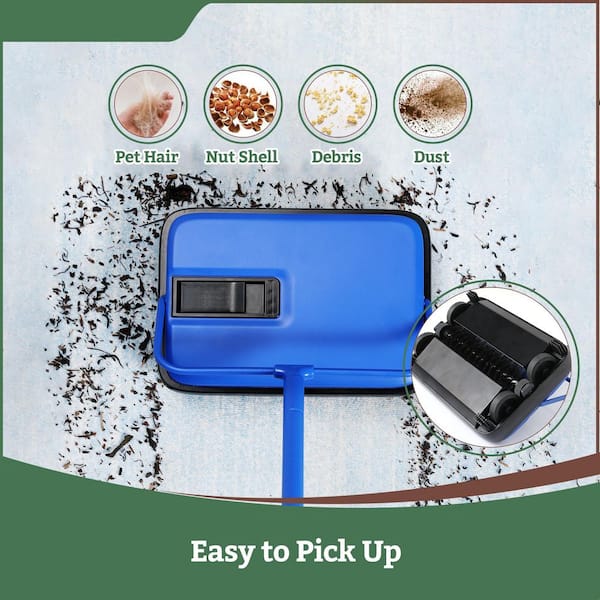
Types of turf vacuums and their suitability
- Backpack or handheld turf vacuums
- Good for spot work. Limited suction means they may miss very fine dust.
- Push or walk-behind vacuums
- Often have larger motors and active brushes. Better dust pickup on large areas.
- Ride-on turf vacuums
- Highest power and capacity. Best for stadiums, sports fields, or large turf areas.
- Electric vs. petrol models
- Electric units are quieter and cleaner. Petrol units often provide stronger suction for heavy debris.
I have used a walk-behind electric model for small fields and a ride-on petrol unit for a large sports pitch. The ride-on picked up tiny infill sand and dust more consistently. The electric walk-behind required slower passes and multiple passes to match that result. Choose based on area size and dust level.

Tips to improve small debris and dust pickup
- Adjust brush height
- Set brushes to contact the turf but not crush fibers.
- Slow your pass
- Move at a pace that lets the vacuum lift dust. One slow pass beats three fast ones.
- Use multiple passes
- First pass loosens debris. Second pass removes residual dust.
- Pre-loosen compacted infill
- Light raking or grooming before vacuuming makes dust easier to lift.
- Choose proper filters
- Use HEPA or fine-mesh filters to trap dust; clean or replace them often.
- Seal gaps and use proper nozzles
- A tight seal around the intake boosts suction efficiency.
When I first started, I ran vacuums too fast. Dust stayed behind. Slowing down and adjusting brush height made a dramatic difference. Small changes to technique often give big gains.

Maintenance, filters, and long-term performance
- Empty collection bins regularly
- Full bins reduce suction and let fine dust resettle.
- Clean or replace filters on schedule
- Clogged filters cut airflow and push dust back into the air.
- Inspect brushes and nozzles
- Worn brushes and damaged nozzles reduce contact and suction.
- Check seals and hoses
- Leaks lower suction and reduce dust pickup.
- Store dry and service motors
- Moisture damages motors and encourages mold in filters.
In my experience, a machine kept in good condition outperforms a neglected one by a wide margin. Filters are the most common overlooked item. Clean filters keep your turf vacuum picking up small debris and dust week after week.
Quick PAA-style questions
Q: How often should I vacuum synthetic turf to control dust?
A: Vacuuming once a month is a good base. High-use areas may need biweekly work for the best dust control.
Q: Will a turf vacuum remove sand infill?
A: Yes, specialized units can remove loose infill, but most turf vacuums are meant to pick up surface sand and dust rather than deep infill.
Q: Can turf vacuuming reduce airborne allergens?
A: It helps by removing pollen and dust trapped in the fibers. For airborne control, use vacuums with HEPA filtration and avoid stirring dust during cleaning.

Frequently Asked Questions of Can a turf vacuum pick up small debris and dust?
Can a turf vacuum pick up tiny sand grains?
Yes. Many turf vacuums pick up loose sand grains if the suction and brush settings are right. Deep, packed sand may need prior loosening or grooming.
Will a turf vacuum remove fine dust from deep in the turf?
It can remove some deep dust with repeated passes and the right brush action. For heavily packed dust, professional grooming plus vacuuming may be necessary.
Do turf vacuums trap dust or blow it back into the air?
That depends on the filter system. Models with good filters trap dust; poor filters can recirculate it. Choose sealed systems with high-efficiency filters to reduce airborne dust.
Is a turf vacuum better than blowing debris off?
Vacuuming removes dust rather than just moving it. Blowing moves dust to other areas and into the air, while vacuuming collects and contains it.
Can I use a home shop vacuum on turf?
A shop vacuum can handle loose debris but may lack proper brushes and filtration for turf. Pro turf vacuums are designed to protect fibers and capture fine dust more effectively.
Conclusion
Turf vacuums can pick up small debris and dust, but success depends on the machine, settings, technique, and upkeep. Choose a unit with adequate suction, the right brush type, and quality filtration to control fine particles. Maintain filters and brushes, slow down during cleaning, and do multiple passes when needed. If dust control matters to you, invest in a turf vacuum built for fine-particulate capture and run it on a steady schedule. Try a small test area first, adjust settings, and subscribe to a cleaning plan that matches your use. Leave a comment with your turf type and the debris you deal with, and I’ll share tailored tips.

