

Most homeowners need a 24–36‑inch walk‑behind turf vacuum; larger properties need 36–60+ inches.
I design and test turf cleaning gear for a living, and I’ve helped landscapers and facility managers pick the right machine many times. This guide explains exactly what size turf vacuum do I need? I break down how size links to area, debris, power, and budget. Read on for clear rules, examples, and real-world tips to pick the right machine with confidence.

How turf vacuums work and why size matters
A turf vacuum lifts debris with suction and/or a brush and stores it in a hopper. Size matters because the nozzle width and hopper capacity affect how fast you clean and how often you empty. Picking the wrong size wastes time, increases labor, and can harm turf.
What size turf vacuum do I need? Think about area, debris type, and how fast you need the job done. The right size balances efficiency with maneuverability and cost.

Key factors to consider when choosing size
-
Area size
Measure the square footage you clean. Small yards need narrow machines. Big fields need wider units. -
Debris type
Leaves, infill sand, and pet hair need different suction and brush action. Heavier debris needs larger power and capacity. -
Turf type and pile height
Short synthetic turf needs gentle suction. Tall or loose fibers need adjustable brushes and careful settings. -
Hopper capacity
Larger hoppers mean fewer stops to empty. They add weight and cost. -
Machine type: walk‑behind vs ride‑on
Walk‑behind vacuums work well up to a few acres. Ride‑on models make sense for big commercial jobs or sports fields. -
Power and airflow
Engine power, CFM, and brush speed matter more than width alone. Match power to debris load. -
Maneuverability and storage
Wider units cover more ground but may not fit through gates or tight paths. -
Budget and ROI
Bigger machines cost more. Calculate time savings and labor when choosing size.
What size turf vacuum do I need? Start with area and debris, then match to width, power, and capacity.

Short PAA-style questions (quick answers)
How often should I empty the hopper?
Empty when the hopper is 60–80% full. Heavy debris fills faster than leaves, so check often on the first run.
Will a wider vacuum damage synthetic turf?
Not if the brushes and suction are set correctly. Avoid aggressive brush speed and high downward force.
Is electric or gas better for turf vacuums?
Electric suits small jobs and low noise needs. Gas and diesel give more power and run time for large areas.

What size turf vacuum do I need? — Sizing guide by application
Below are practical ranges. Use them as a starting point.
-
Residential lawn and small yards (up to 0.5 acre)
Width: 24–36 inches.
Hopper: 5–10 cubic feet.
Power: 5–12 HP or strong electric motor.
Best for: Leaves, small twigs, pet hair, light infill cleanup. -
Large residential or small commercial (0.5–2 acres)
Width: 36–48 inches.
Hopper: 10–20 cubic feet.
Power: 12–25 HP.
Best for: Regular maintenance, mixed debris, light infill. -
Commercial landscaping and parks (2–10 acres)
Width: 48–60 inches.
Hopper: 20–35 cubic feet.
Power: 25–40 HP.
Best for: Heavy leaf loads, frequent use, contractor work. -
Sports fields, stadiums, airports (10+ acres)
Width: 60–96+ inches (ride‑on).
Hopper: 40+ cubic feet or tipping hoppers.
Power: 40+ HP, high CFM systems.
Best for: Fast cleanup, heavy debris, infill redistribution.
What size turf vacuum do I need? Match these ranges to your job size and debris load for the best fit.

How to measure your property and match vacuum size
-
Measure area
Walk the perimeter and measure or use an app to get square footage. Note narrow gates and tight spots. -
Note debris type and frequency
List common items: leaves, pine needles, rubber infill, sand, pet waste. Note how often they accumulate. -
Pick a width that fits gates and storage
A 48‑inch unit may be ideal for a 2‑acre yard but won’t fit a 36‑inch gate. Measure doors and gates. -
Check power needs and run time
For heavy debris, choose higher CFM and longer run time. For quiet, short jobs, consider electric. -
Test and adjust
If possible, try a rental in the target area. Rentals show whether the size meets real needs.
What size turf vacuum do I need? Use area, debris, and access to choose a size that saves labor without wasting money.

Common mistakes and tips from my experience
-
Buying the biggest machine first
Bigger is not always better. I once recommended a 60‑inch unit for a property with tight gates. It sat unused because it could not pass through the gate. Measure first. -
Ignoring hopper capacity
Smaller hoppers force frequent stops. For busy jobs, choose a bigger hopper or a machine with power‑dump options. -
Overlooking turf health
Aggressive brushes and heavy suction can pull fibers. I learned to lower brush speed and test a corner first. -
Forgetting attachments
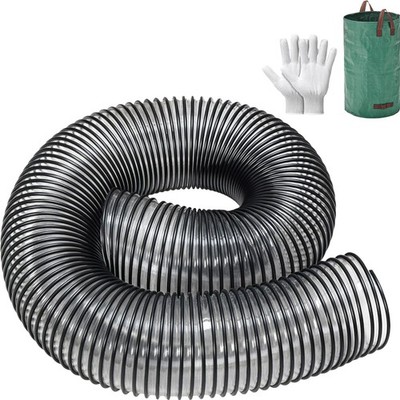
Nozzle shapes and brush types change performance. Ask about extra hoses or brushes for specific debris. -
Not planning for maintenance
Regular filter and brush care keeps suction strong. I keep spare belts and filters on hand for busy seasons.
What size turf vacuum do I need? Learn from these mistakes and pick a machine that fits real daily needs.
Maintenance, attachments, and upgrade tips
-
Daily checks
Inspect brushes, belts, and filters. Clear blockages quickly. -
Filters and seals
Replace filters on schedule. Good seals keep suction steady. -
Useful attachments
Consider a dethatching brush, narrow nozzle, or water spray for stubborn debris. These make smaller machines more versatile. -
Upgrades to consider
Larger hopper kits, higher CFM fans, or electric conversion kits can extend machine life and match changing needs. -
Safety and turf protection
Use rubber or soft brushes on delicate turf. Train operators to avoid sharp turns at high speed.
What size turf vacuum do I need? Factor maintenance and attachments into your purchase for long term value.

Cost and ROI considerations
-
Upfront cost vs labor saved
Larger machines cost more but cut hours. Calculate payback by reducing labor time. -
Rental vs buy
Rent to test a size before buying. Rentals reveal access and handling limits. -
Fuel and maintenance costs
Bigger engines use more fuel and cost more to maintain. Balance these costs with time savings. -
Resale value and brand support
Well‑known brands often hold value and have parts available. Consider service networks.
What size turf vacuum do I need? Run simple ROI numbers to choose a size that pays back in reduced labor and time.

Frequently Asked Questions of What size turf vacuum do I need?
What size turf vacuum do I need for a small backyard?
For a small backyard under 0.5 acre, a 24–36 inch walk‑behind turf vacuum is usually best. It fits gates and balances cost with speed.
Can a narrow turf vacuum handle heavy leaf loads?
A narrow vacuum can handle leaves but may need more passes and a larger hopper would be better for heavy loads. Consider a wider or higher‑capacity unit for efficiency.
Is a ride‑on turf vacuum necessary for sports fields?
Yes. Sports fields and stadiums often need 60+ inch ride‑on vacuums for speed and hopper capacity. They save many labor hours on large surfaces.
How do I choose between electric and gas models?
Choose electric for small, quiet jobs and short runtimes. Choose gas for long runs, high power needs, and remote sites without power access.
Will a bigger vacuum damage my artificial turf?
Not if the brushes and suction are set correctly and the machine is used carefully. Test in a small area first and use soft brush options.
How often should I replace brushes and filters?
Check brushes weekly during heavy use and replace when bristles wear or break. Replace filters on a schedule based on hours and debris type.
Conclusion
Choosing the right size turf vacuum comes down to area, debris, access, and budget. Measure your space, note debris type, and match width, hopper, and power to the job. Start with the sizing guide, test if you can, and plan for maintenance.
Take action now: measure your property, list common debris, and try a rental that matches the recommended size. Share your experience or questions in the comments, or subscribe for more hands‑on gear advice.

