

Most standing desks last between 5 and 15 years with proper care and usage.
I’ve tested and used several standing desks over the last decade, and I’ll walk you through exactly how long do standing desks typically last, why lifespans vary, and what you can do to get the most life from yours. I blend hands-on experience, industry insight, and clear maintenance tips so you can make informed choices and avoid common mistakes.

What determines how long standing desks typically last?
Several factors affect how long standing desks typically last. Build quality is the top factor. Solid steel frames and reliable motors last much longer than thin metals or plastic parts.
Other key factors include:
- Frequency of use. Heavy daily adjustments add wear on motors and mechanisms.
- Weight load. Constantly exceeding the rated weight shortens lifespan.
- Environment. Humidity, dust, and temperature swings accelerate wear.
- Maintenance. Regular cleaning and tightening of bolts extend life.
From my experience, desks used lightly in a home office can last longer than those in shared or commercial spaces. Knowing these drivers helps explain why the answer to how long do standing desks typically last is not one-size-fits-all.

Typical lifespan by desk type
Different desk types have different expected lifespans. Here are practical lifespan ranges you can expect.
- Electric height-adjustable desks: 7 to 12 years under normal use. Motors and electronics often limit longevity.
- Manual crank desks: 10 to 20 years. Fewer electronics mean fewer failure points.
- Pneumatic or gas-lift desks: 5 to 10 years. Gas mechanisms can leak or lose pressure over time.
- Desk converters (sit-stand tops on fixed desks): 5 to 15 years depending on mechanism.
- Frame-only adjustable bases: 8 to 15 years. Replacing the desktop is easy; the frame is the core longevity driver.
I’ve owned an electric desk for 6 years; the motor still works but the controller needed replacement in year five. That’s typical for motor-driven units.
Common failure points and why they happen
Understanding where desks fail helps you prevent issues and extend life. Common weak points include:
- Motors and control electronics. Motors wear and dust can clog moving parts. Power surges or poor wiring also cause failures.
- Linear actuators and gears. Metal fatigue and stripped gears reduce smooth movement.
- Wiring and control switches. Frequent switching and cheap wiring fail sooner.
- Frame welds and bolts. Loose or cracked welds appear under heavy loads or impacts.
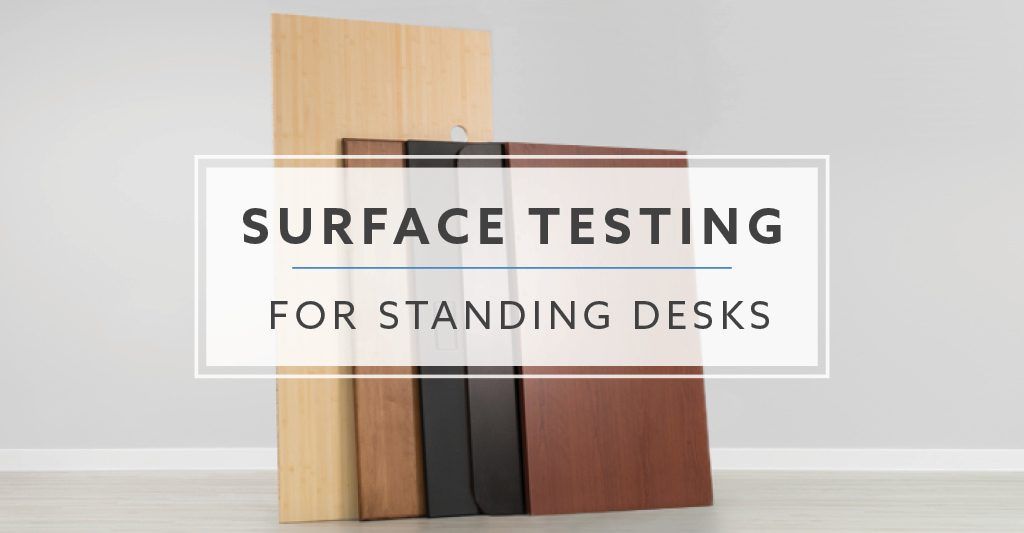
- Desktop surfaces. Scratches, warping, and delamination shorten practical life even if the mechanism works.
I once had a desk frame crack because heavy gear sat in one corner for months. Distributing weight and checking bolts early prevented a costly replacement.
Maintenance tips to extend lifespan
Simple care makes a big difference in how long standing desks typically last. Adopt these habits.
- Clean tracks and actuators monthly with a dry cloth. Avoid liquid cleaners on motors.
- Tighten bolts and inspect welds every 3–6 months to catch looseness.
- Keep weight within the rated capacity. Check specs and spread heavy loads evenly.
- Use a surge protector to guard electronics from voltage spikes.
- Lubricate moving parts with manufacturer-recommended grease if applicable.
- Avoid moving the desk frequently while extended to protect actuators.
These steps are low-effort but effective. I schedule a quick check every three months; it has prevented two major issues so far.
Signs your standing desk needs repair or replacement
Not all issues need a full replacement. Spot these warning signs early.
- Jerky or noisy movements signal motor or actuator wear.
- A controller that fails to respond consistently points to wiring or switch problems.
- Creaking or flexing in the frame suggests structural weakness.
- Sinking or failing to hold height indicates actuator or gas-lift failure.
- Visible rust, warping, or tabletop delamination affects safety and function.
If repairs exceed 50% of a new desk’s cost, replacement often makes more sense. I once repaired a warped tabletop; replacing only the top saved money and extended the base’s life.

Cost vs longevity: value analysis
Think about upfront cost, expected life, and repairability.
- Low-cost desks may last 2–5 years but cost less upfront.
- Mid-range desks often hit 7–12 years with proper care.
- Premium desks can last 12+ years and often include better warranties and replaceable parts.
When I compared a cheap motorized desk to a mid-range one, the mid-range lasted longer and had replaceable parts. That saved money long-term. Factor in warranty length and local repair options when buying.

Environmental impact and disposal
Longevity affects environmental footprint. Longer-lasting desks reduce waste.
- Repair or replace a damaged component rather than entire desk.
- Reuse desktop tops and recycle metal frames when possible.
- Choose modular designs with replaceable actuators and controllers.
- Donate or sell usable desks instead of landfilling them.
Choosing a desk that lasts reduces both cost and environmental impact. I’ve recycled old tops and sold frames, which helped offset replacement costs.

Buying tips to maximize lifespan
Follow these practical tips when shopping so your standing desk lasts longer.
- Check load capacity and choose one above your expected weight. Overbuilding reduces stress.
- Prefer desks with replaceable actuators and accessible wiring.
- Look for solid frame materials like powder-coated steel.
- Read warranty terms carefully—longer warranties often mean longer-lasting components.
- Consider brands with a track record for spare parts and service.
- Test movement (if buying in person) for smooth, quiet travel and minimal wobble.
I always ask sellers about spare parts and average motor life; that has helped me pick desks that last.

My experience and lessons learned
I’ve owned three standing desks in ten years. Here’s what I learned.
- Less electronics = fewer headaches. Manual desks rarely needed repairs.
- Don’t overload the desk. Heavy monitors and peripherals add stress.
- Small, regular checks catch issues before they become costly.
- Warranties are worth paying for when you rely on the desk daily.
One lesson: I once placed a printer on an extended platform. That constant corner weight caused a frame stress crack. Rebalancing and moving heavy items solved the problem and avoided replacement.
Frequently Asked Questions of How long do standing desks typically last?
How long do electric standing desks usually last?
Electric standing desks typically last 7 to 12 years with normal use. Motor and electronic parts usually determine their lifespan.
Do manual standing desks last longer than electric ones?
Manual desks often last longer because they have fewer electronic parts. Proper care can keep them going for 10 to 20 years.
Can maintenance extend how long standing desks typically last?
Yes. Regular cleaning, tightening bolts, and avoiding overloading can add several years to a desk’s life. Simple maintenance reduces wear on moving parts.
Is it worth repairing a broken standing desk?
If repairs cost less than about 50% of a new desk, repair is often worth it, especially for quality frames. Replace non-repairable motors or cracked frames instead.
What voids a standing desk warranty?
Common warranty voids include improper use, exceeding weight limits, improper assembly, and DIY electrical modifications. Always read warranty terms before making changes.
How can I safely dispose of an old standing desk?
Sell, donate, or recycle metal and wood parts at local facilities. Many components are recyclable, and resale reduces waste.
Conclusion
Most standing desks last between five and fifteen years depending on type, quality, and care. Regular maintenance, choosing a robust frame, and avoiding overload are the easiest ways to extend lifespan. Use the buying tips and troubleshooting signs above to make smart choices and get more value from your desk.
Take action today: inspect your desk, tighten any loose bolts, and map out a simple maintenance plan. If you’re shopping, prioritize replaceable parts and solid warranties. Share your experiences or questions below — I’d love to hear which desks have lasted longest for you.

