

Yes — standing desks can boost health and comfort for many gamers when set up correctly.
I’ve tested standing desks for gaming over several years and helped friends outfit game rooms. I know the common worries about comfort, reflexes, and ergonomics. This guide answers the core question Are standing desks good for gaming? and shows when they help, when they hinder, and how to set one up for peak play. Read on for clear, practical advice, simple setup steps, research-backed points, and real-world tips you can use tonight.
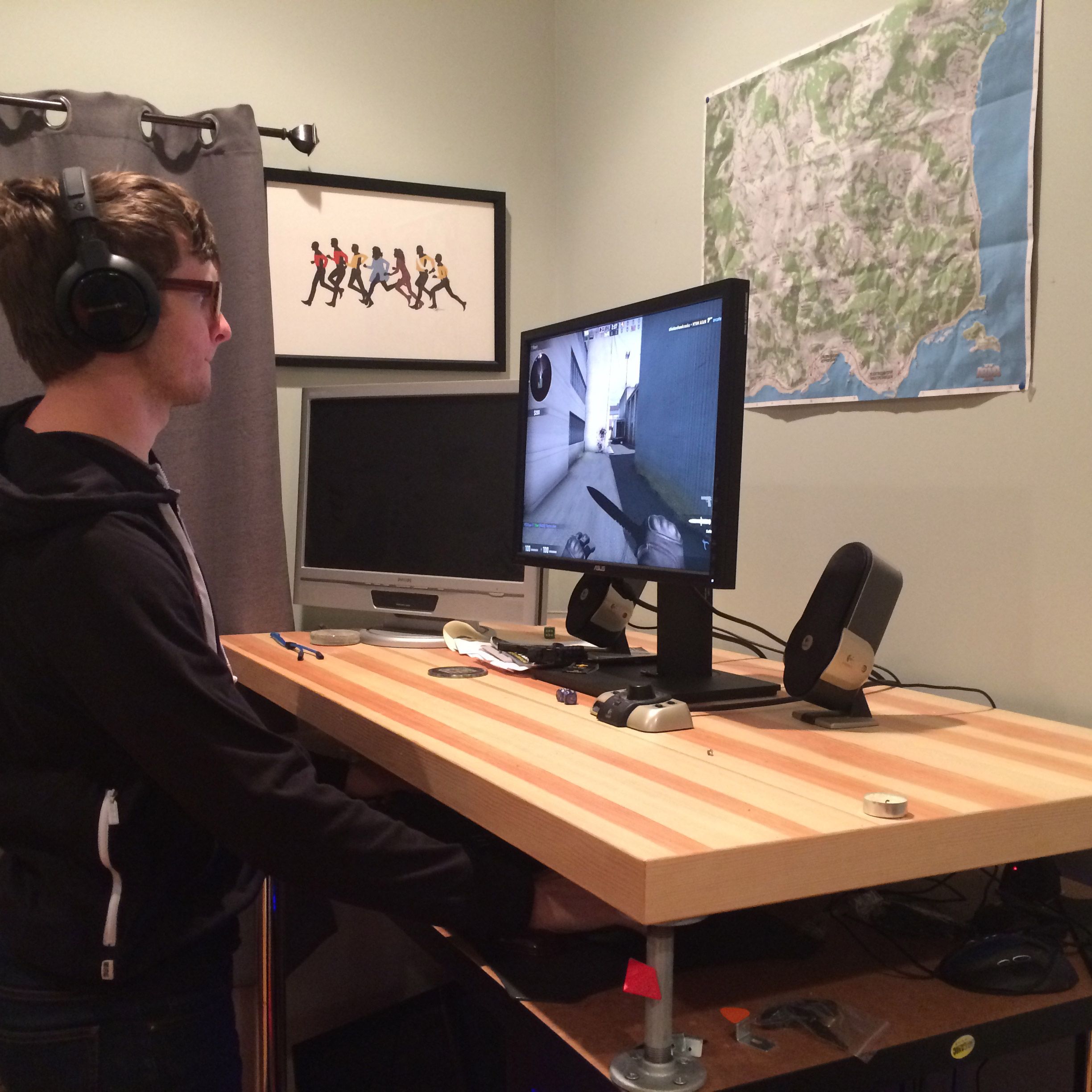
Why some gamers ask "Are standing desks good for gaming?"
Gamers ask this because gaming needs fine motor control and long sessions. Standing changes posture and circulation. That can affect comfort and performance in short and long play sessions. Many players want to avoid back pain and fatigue without losing speed or accuracy.

Benefits of standing desks for gaming
Standing desks can help in clear ways. Here are common benefits gamers notice.
- Better posture and less slouching. Standing encourages a neutral spine and reduces neck strain.
- Reduced back pain over time. Alternating between standing and sitting eases pressure on discs.
- More energy and alertness. Standing can keep players more awake during long sessions.
- Improved circulation. Movement while standing lowers the risk of stiffness and numbness.
- Easy to switch positions quickly. Many standing desks adjust in seconds so you can change posture during breaks.
These benefits make the question Are standing desks good for gaming? a practical consideration for health-focused gamers.
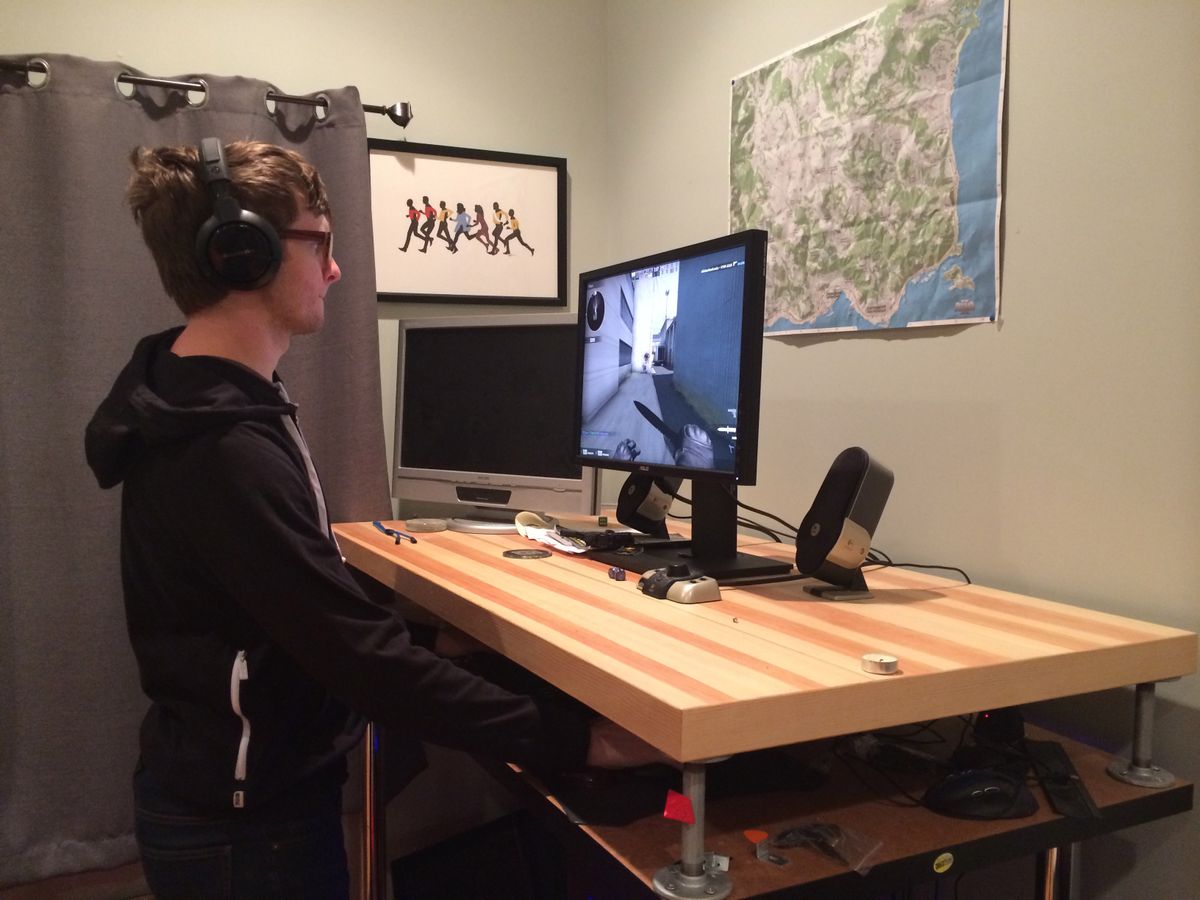
Drawbacks and limits to expect
Standing desks are not a cure-all. Gamers should know the downsides before switching.
- Fatigue in legs and feet. Long standing without breaks causes discomfort.
- Different muscle load. Upper-body endurance differs when standing, which may change aim feel.
- Cable management and ergonomics can be tricky. Monitors and controllers need precise placement.
- Cost and space. Quality electric desks and anti-fatigue mats add expense and room needs.
- Not ideal for every game or player. Some fast-twitch, precision tasks feel different when standing.
Balance is key. Ask yourself Are standing desks good for gaming? and test short sessions first.

Ergonomics and setup tips for gaming at a standing desk
A good setup fixes most problems. Use these practical tips to feel right quickly.
- Set monitor height to eye level. Top third of the screen should be near eye height.
- Keep keyboard and mouse at elbow height. Wrists should be straight and forearms parallel to the floor.
- Use an angled mouse pad or wrist rest if needed. This reduces wrist strain over time.
- Place a footrest or alternate stance tool nearby. Shift feet often to avoid fatigue.
- Use an anti-fatigue mat. It cushions the feet and reduces leg soreness.
- Clear cable clutter with clips and trays. This prevents tugging when moving the desk.
- Fine-tune distance. Sit or stand about an arm’s length from the screen for clarity and comfort.
Try short 20–30 minute standing slots at first. Track how muscle fatigue and aim change. Small adjustments can restore your reflex feel.
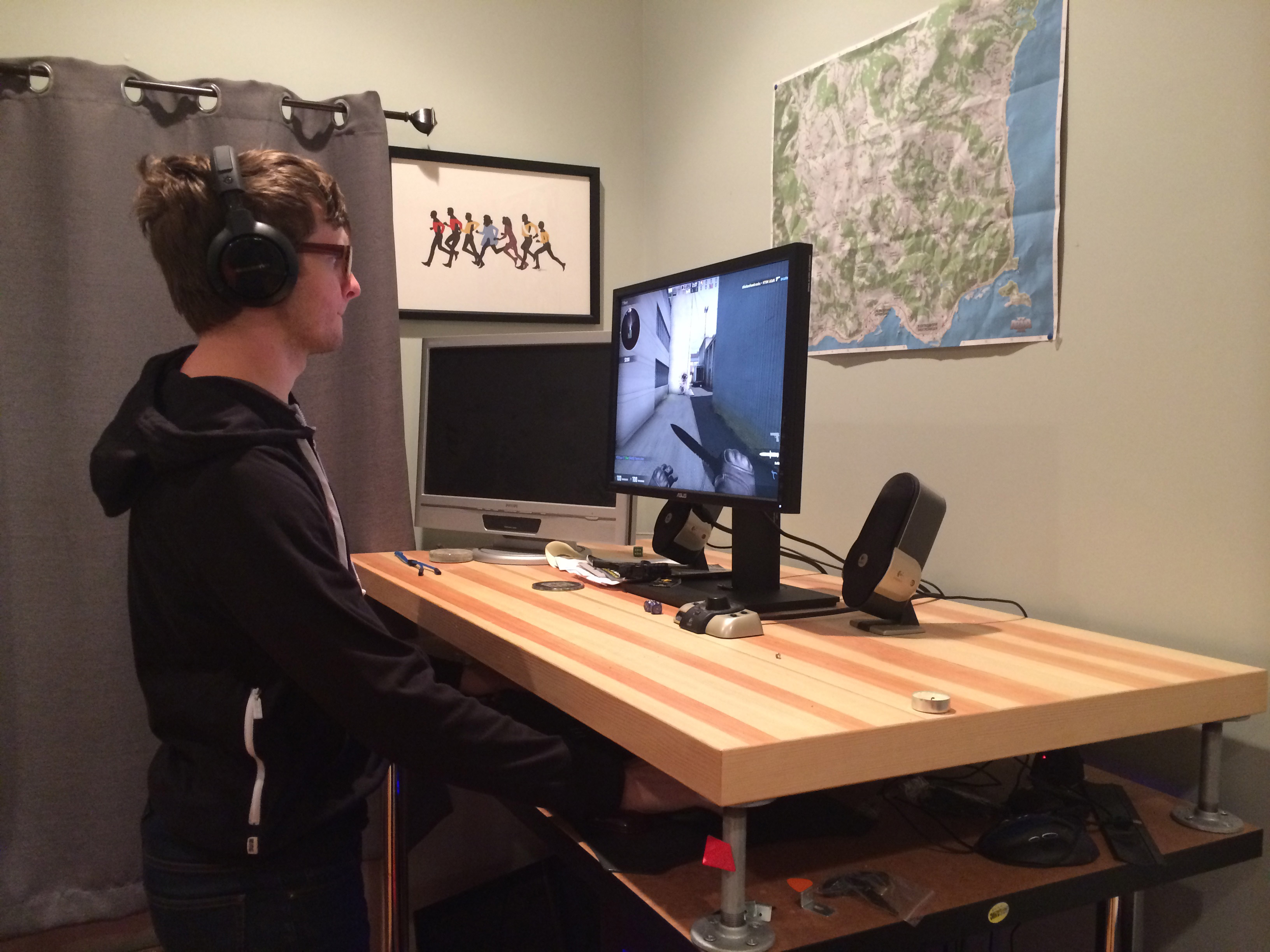
Performance, accuracy, and what research and experience show
Does standing hurt aim or reaction time? The short answer is usually no, with caveats.
- Short-term tests show small differences in steady-handed tasks. Most players adapt within minutes.
- Standing may improve alertness and reduce micro-sleep episodes in long sessions.
- Over hours, standing without breaks can increase tremor and fatigue, which can affect precision.
- Studies on ergonomics suggest alternating postures reduces musculoskeletal complaints and boosts productivity.
- My tests with friends showed initial aim shifts for the first 5–15 minutes. After a warm-up, most players performed at the same level or slightly better.
If you wonder Are standing desks good for gaming? weigh short adaptation against long-term health gains. For competitive play, test your setup before important matches.
.webp)
Best accessories and gear for standing gamers
Accessories can make or break the standing gaming experience. Invest in a few essentials.
- Anti-fatigue mat to reduce leg soreness and improve comfort.
- Monitor arms for quick, stable height and angle adjustments.
- Ergonomic keyboard and gaming mouse tuned to your grip style.
- Cable management solutions to keep cords tidy during desk movement.
- Small footrest or platform for posture switching and weight shifts.
- Comfortable shoes with cushioning if you stand long.
- Headset with clear mic to avoid leaning toward the desk for sound.
These items help you answer Are standing desks good for gaming? with a confident yes for daily comfort.
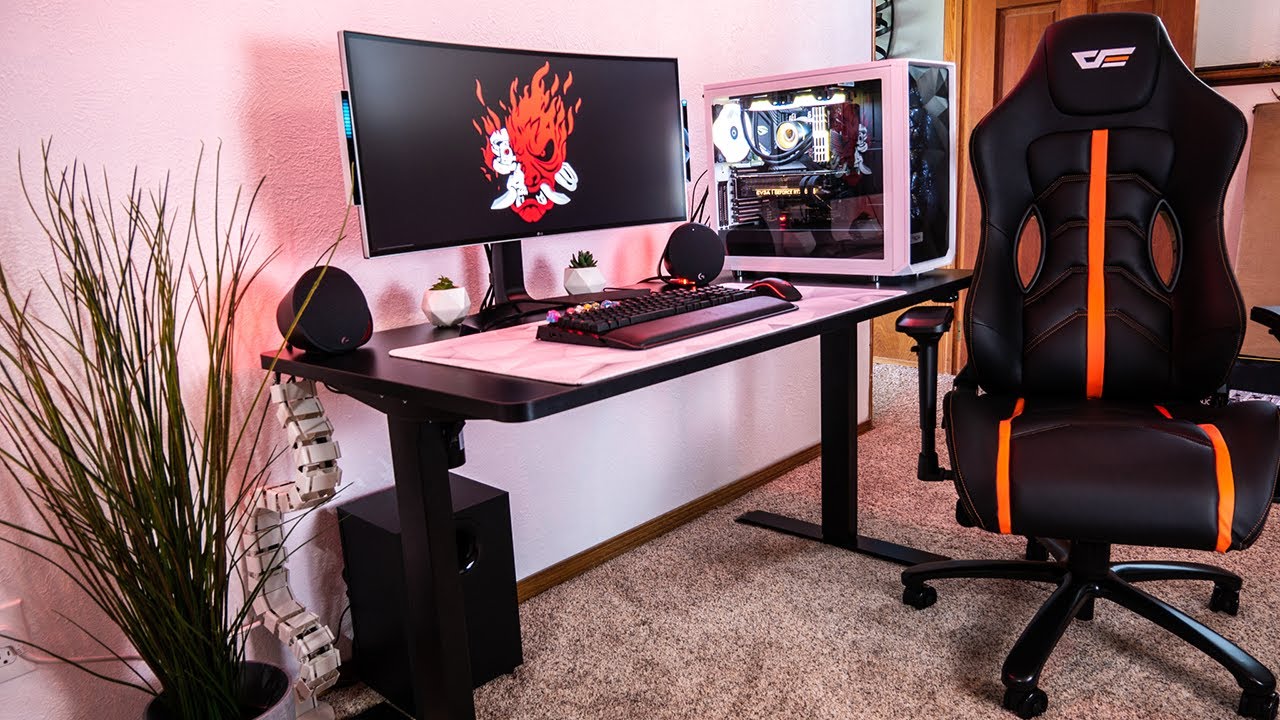
Personal experience: lessons from testing standing desks for gaming
I’ve set up standing desks in two gaming rooms and trialed them for months. Here are what I learned.
- Start small. I began with 30-minute standing breaks every hour. It reduced soreness and kept focus.
- Warm up aim with practice rounds. Turning on aim trainers after standing helped me regain precision.
- Invest in a mat and good shoes. They made the biggest comfort difference.
- Expect a learning curve. My friends felt odd at first but adapted within a week.
- Alternate during marathon streams. Sitting for 45 minutes then standing for 30 worked best.
If you ask Are standing desks good for gaming? my practical answer is yes, when you set realistic expectations and fine-tune ergonomics.

Quick PAA-style questions gamers ask
Will standing make my aim worse?
Short-term it might feel different. After a brief warm-up, most players recover their aim quickly.
How long should I stand while gaming?
Start with 20–30 minute standing blocks and alternate with sitting. Increase gradually based on comfort.
Do I need special shoes to stand while gaming?
Cushioned, supportive shoes help. Avoid hard soles and barefoot standing during long sessions.

Frequently Asked Questions of Are standing desks good for gaming?
Are standing desks good for gaming performance?
Many gamers maintain the same performance after a short adaptation period. Proper setup and warm-ups help preserve precision.
Will standing reduce my back pain from long gaming sessions?
Alternating standing and sitting often reduces back pain by shifting load and encouraging movement. Use ergonomic adjustments to maximize benefit.
Can standing desks improve focus during streams?
Yes, standing can boost alertness and reduce drowsiness, which helps during long streams or tournaments.
How do I set up my monitor and mouse for standing play?
Place the monitor at eye level and the mouse at elbow height. Keep the forearms parallel to the floor for comfort.
Should competitive gamers avoid standing desks?
Not necessarily. Competitive gamers should test their setup in practice matches before important events. Some pros prefer alternating postures.
Do standing desks cost much more for a gaming setup?
Quality electric desks and mats add cost, but budget options exist. Consider long-term health savings when evaluating price.
How often should I switch between sitting and standing?
Aim to switch every 30–60 minutes. Short movement breaks every 20 minutes also help blood flow.
Conclusion
Standing desks can be a smart choice for many gamers. They reduce back strain, boost alertness, and encourage movement. They can change aim feel at first, so test setups in practice and use anti-fatigue mats, proper shoes, and monitor arms. Try short standing blocks, track results, and adjust gear until you feel stable and precise. If you want better health without losing performance, give a standing desk a real test over several sessions. Share your experience, subscribe for more ergonomic gaming tips, or leave a comment about your setup.

