

Most air purifiers are quietly designed, but noise varies by model and fan speed.
As someone who has tested and lived with several room air cleaners, I’ll walk you through whether air purifiers noisy during operation are a real concern. I explain how noise is measured, what makes some models louder, practical ways to cut sound, and how to pick a quiet unit that still cleans well. Read on for clear, tested advice and simple steps you can use today to balance clean air and a calm home.

How noisy are air purifiers and what to expect
Noise from home air cleaners is usually measured in decibels. Typical bedroom models range from about 20 dB on low to 50 dB on high. That means some units are nearly silent while others are similar to a quiet fan. Many buyers ask whether air purifiers noisy during operation will disrupt sleep or conversations. The short reality is noise depends on fan speed, design, and room size, so you can often find models that fit your comfort level.
What makes air purifiers noisy during operation
Several parts and design choices create sound in an air cleaner.
- Fan and motor. The fan blade shape and motor type are the main sound sources. Brushless motors are quieter than older motors.
- Airflow speed. Higher speeds move more air but raise noise. Fans produce aerodynamic hum and whine as speed increases.
- Filter condition. Clogged filters force the motor to work harder and can make the unit louder.
- Housing and vibration. Thin plastic and loose panels can rattle. Poor assembly increases noise.
- Additional features. UV lights, ionizers, or electrostatic plates may add faint buzzing.
Understanding these causes helps you choose and maintain a unit that minimizes noise. Many people find air purifiers noisy during operation only when they run at maximum speed or when maintenance is overdue.

How noise is measured and what common numbers mean
Decibels (dB) measure sound on a logarithmic scale. A few quick comparisons:
- 20 to 30 dB: whisper or rustling leaves. Very quiet for a bedroom.
- 30 to 40 dB: quiet home background, like a refrigerator hum.
- 40 to 50 dB: light traffic outside; noticeable but not loud.
Most consumer specs list dB at each speed setting. A model that lists 25 dB on low and 45 dB on high will be gentle at night and effective during the day. When asking if air purifiers noisy during operation will bother you, compare the listed dB to sounds you already tolerate in the room.

Practical tips to reduce noise from air purifiers
You can reduce perceived noise without sacrificing air cleaning.
- Run on lower fan speeds overnight. This cuts noise and saves energy.
- Place the unit on soft surface or anti-vibration pads. It stops rattle.
- Keep filters clean and replace them on schedule. A fresh filter keeps airflow smooth.
- Move the unit away from walls and corners. Better airflow often lowers noise.
- Choose a slightly larger unit for your room. A higher-capacity purifier can run quietly at low speed while still cleaning fast.
Small changes often remove the annoyance people report when air purifiers noisy during operation seems worse than it is.
Choosing a quiet air purifier: features to look for
When shopping, check these specs and features.
- Noise ratings in dB at each fan speed. Compare low-speed dB for night use.
- Brushless or DC motors. These tend to be quieter and more durable.
- Variable speed or sleep mode. Allows fine control of noise versus cleaning power.
- High CADR for your room size. A better CADR can let you run at lower, quieter settings.
- Solid construction and low-vibration design. Read reviews for real-world noise reports.
As you evaluate models, ask whether air purifiers noisy during operation at the settings you plan to use. Look for user feedback about night use and long-term noise behavior.
My experience and lessons learned testing air purifiers noisy during operation
I’ve tested multiple purifiers in bedrooms, living rooms, and offices. Here’s what I learned.
- Don’t trust only the spec sheet. Real-world noise can differ from lab numbers.
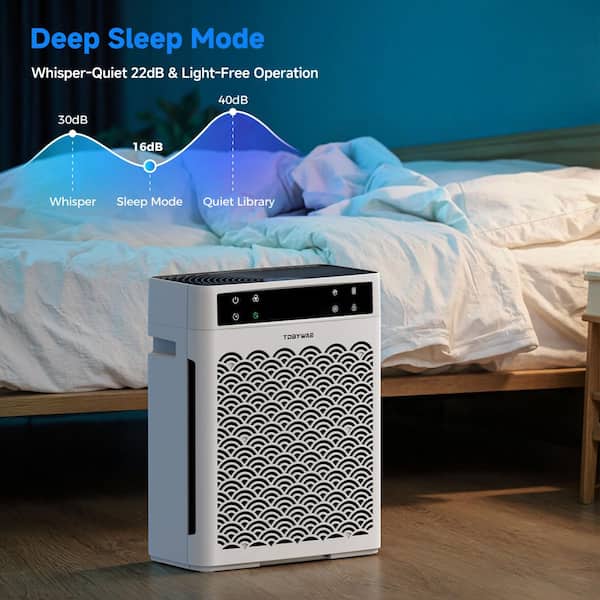
- Night modes matter. A model with a true 20–25 dB night mode made deep sleep possible for me.
- Maintenance changes sound. Cleaning the pre-filter reduced whine in one older unit.
- Bigger is often quieter. A unit rated for a larger room can clean quietly at low speeds.
- Placement beats higher fan speed. A quiet unit placed well performed better than a louder unit turned down.
My mistakes included buying by price alone and ignoring dB at low speed. After adjusting placement and filters, noise dropped noticeably and comfort rose.

Quick PAA-style questions
Q: Will an air purifier disturb sleep?
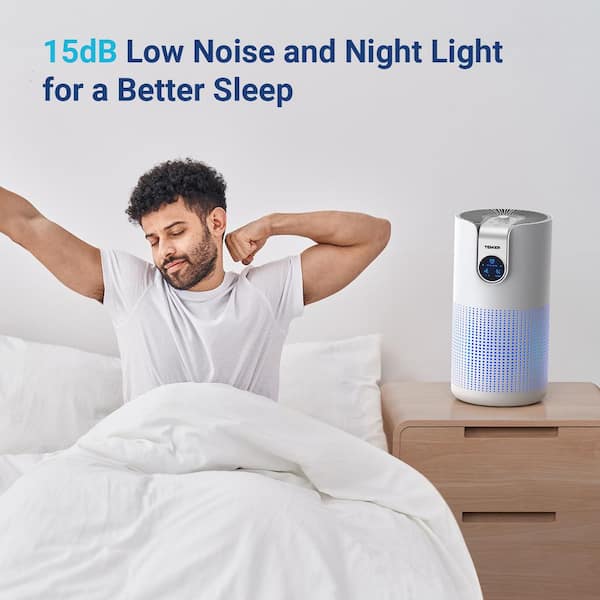
A: Not usually. Models with 20–30 dB night modes are designed for bedrooms and rarely disturb sleep.
Q: Does a higher fan speed make the unit work better?
A: Yes. Higher speeds increase air changes per hour, but they also make the purifier noisier.
Q: Can I make a noisy purifier quieter?
A: Often yes. Clean filters, move the unit, use pads to reduce vibration, or operate at a lower speed.
Frequently Asked Questions of Are air purifiers noisy during operation?
Are all air purifiers loud when they run on high?
Most air purifiers become noticeably louder on high because fans spin faster. High speed increases air cleaning but also raises noise levels.
Is a noise level of 40 dB acceptable for a bedroom?
Yes, 40 dB is generally acceptable for many people and is similar to a quiet office or soft conversation. If you are noise-sensitive, aim for 25–30 dB on night mode.
Do HEPA filters make the purifier louder?
HEPA filters can slightly increase resistance as they capture particles, but they don’t typically add significant noise unless they become clogged. Regular replacement keeps noise down.
Will a purifier get noisier as it ages?
It can if filters are neglected or parts wear. Cleaning and timely replacement usually prevent rising noise over time.
Are ionic or ozone purifiers quieter than HEPA models?
Ionic units can be quieter because they use less airflow, but they may not remove particles as effectively and can have other trade-offs. Choose based on health needs, not just noise.
How can I test noise before buying?
Check third-party reviews and in-home tests, watch demo videos, and compare dB specs at low and high speeds. Where possible, listen to a unit in person before purchase.
Conclusion
Air purifiers noisy during operation is a common worry, but the issue is manageable. Most modern units offer quiet modes, and noise often comes down to fan speed, filter condition, and placement. Start by checking dB ratings, choosing a model with a true night mode, and keeping filters clean. Try simple fixes like anti-vibration pads or a larger-capacity unit to run quieter. Take action today: identify your room size, compare noise specs, and test units at low speeds to find a purifier that keeps your air clean without disturbing your life. Leave a comment with your room size or model and I’ll suggest quiet options.

