

Air purifiers can reduce airborne viruses and bacteria, but effectiveness depends on filter type, airflow, and room conditions.
As an indoor air quality specialist with years of hands-on testing, I’ll walk you through what air purifiers can and cannot do about microbes. This article explains how purifiers work, what HEPA filters capture, when UV or ionizers help, real-world study results, practical tips, and clear limits so you can make an informed choice about using an air purifier to lower viral and bacterial load indoors. Read on to get honest, actionable guidance based on evidence and field experience.
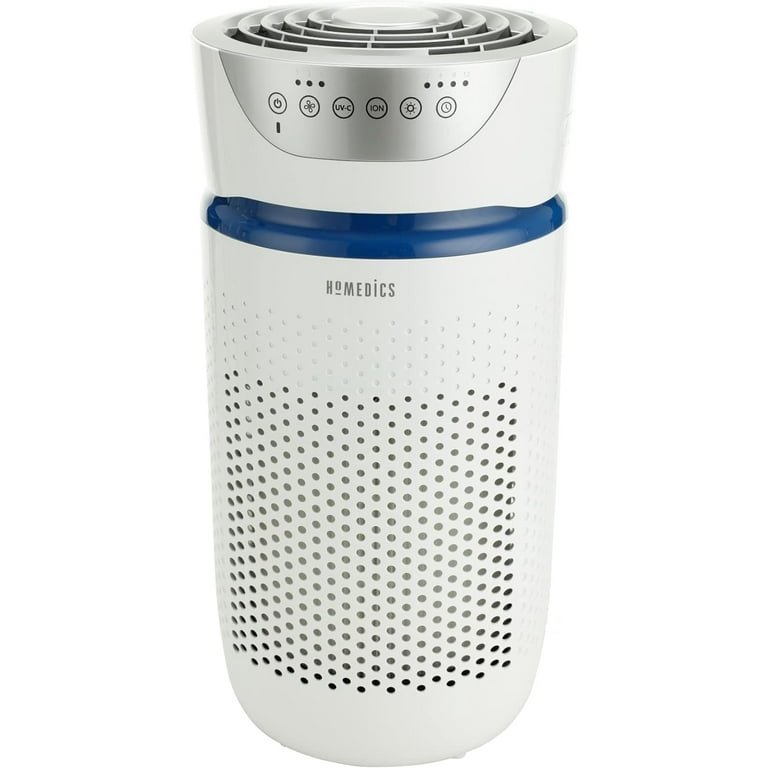
How air purifiers work
Air purifiers move room air through a filter or treatment chamber to remove particles or change chemical composition. Most units use a fan to draw air in, trap particles, and return cleaned air. The air change rate (ACH) and Clean Air Delivery Rate (CADR) determine how quickly a machine can reduce particle levels.
Can an air purifier remove viruses and bacteria? The basic role is to capture airborne particles that carry microbes. Viruses alone are very small, but they usually travel attached to droplets or aerosols that filters can trap. Proper sizing, continuous operation, and correct placement are essential for good results.
Key terms to know
- CADR: indicates how fast an air cleaner reduces smoke, pollen, and dust in a room.
- ACH: how many times the unit replaces air in a room per hour.
- True HEPA: certified to capture 99.97% of particles 0.3 microns in diameter.

HEPA filters and particle capture
HEPA filters use dense fiber mats to capture particles through interception, impaction, and diffusion. These mechanisms work across a range of sizes, including the most penetrating particle sizes. Viruses often ride inside respiratory droplets or aerosol particles that range from about 0.1 to several microns. HEPA filters effectively trap aerosols and droplets.
Can an air purifier remove viruses and bacteria? With a true HEPA filter, many airborne bacteria and virus-laden particles will be captured as air passes through the filter. That reduces airborne concentration and lowers exposure risk when combined with ventilation and other controls.
Practical points
- Look for "True HEPA" or H13/H14 ratings for medical-grade capture.
- MERV-rated HVAC filters help, but high MERV or HEPA works best for microbes.
- Filters need regular replacement; clogged filters reduce effectiveness.

Can air purifiers deactivate viruses and bacteria?
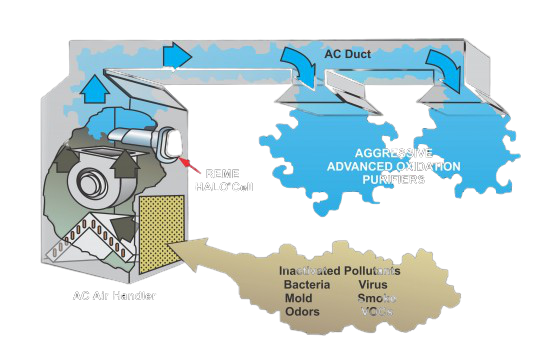
There is a difference between capturing microbes and inactivating them. Capture removes particles from the air stream. Inactivation or killing requires additional technology: UV-C light, photocatalytic oxidation, or heat. Some units combine HEPA capture with UV-C chambers to both trap and inactivate microbes.
Can an air purifier remove viruses and bacteria? Yes, some systems both capture and inactivate microbes, but effectiveness varies by design, dwell time, and maintenance. UV-C lamps must deliver sufficient dose and be placed so air receives enough exposure; many compact consumer units do not provide enough contact time to reliably inactivate viruses.
Notes on other technologies
- Ionizers and electrostatic precipitators can remove particles but may produce ozone or reactive byproducts.
- UV-C is effective at proper doses but must be shielded and maintained for safety.
- Photocatalytic oxidation promises inactivation but may create byproducts; evidence is mixed.

Real-world effectiveness and studies
Laboratory tests show HEPA filtration reduces airborne particle count and can lower viable microbes in controlled settings. Field studies in schools, clinics, and offices show reduced particulate levels and, in some cases, lower respiratory illness rates when filtration or portable purifiers are used as part of layered controls.
Can an air purifier remove viruses and bacteria? Evidence supports meaningful reductions in airborne microbial concentrations when a correctly sized purifier with a true HEPA filter runs continuously in the right room. Still, results depend heavily on room size, ventilation, number of people, and behavior (masking, talking, singing).
What influences real-world performance
- Room volume and ACH: small rooms get cleaned faster than large halls.
- Source control: fewer infected people means better outcomes.
- Placement: units work best in the breathing zone and away from obstructions.
Limitations and common misconceptions
Air purifiers are not magic boxes. They lower airborne risk but do not sterilize surfaces or completely prevent infection if an infected person is close by. They are also not a replacement for ventilation, masks, vaccination, or hand hygiene.
Can an air purifier remove viruses and bacteria? Not entirely on its own. Purifiers reduce airborne load and complement other measures. Expect diminishing returns if the unit is too small, poorly placed, or not run long enough.
Common myths
- Myth: One purifier protects an entire house. Reality: You need the right capacity per room or whole-house filtration.
- Myth: All purifiers kill viruses. Reality: Only units with proper inactivation tech provide that effect, and proof varies.
- Myth: Higher fan speed always better. Reality: Higher speeds move more air but may be noisier and still need proper filtration.

How to choose and use an air purifier
Choose with purpose. Start by measuring room size, then pick a unit with CADR and ACH ratings that match your goals. For infection risk reduction, aim for at least 4–6 ACH in high-risk spaces when possible.
Checklist for buying and using
- Select True HEPA (H13/H14) filters for particle capture.
- Match CADR to room size; aim for higher ACH for shared spaces.
- Run units continuously during occupancy; set higher speeds when risk is high.
- Replace pre-filters and HEPA cartridges as recommended.
- Avoid units that produce ozone or unproven byproducts.
- Combine with good ventilation, masking when needed, and vaccination.
Can an air purifier remove viruses and bacteria? Yes, when chosen and used correctly. The unit must be powerful enough and maintained to deliver the intended protection.
Personal experience and practical tips
In field tests and home installs, I’ve seen big differences between quiet, underpowered units and well-sized purifiers. A common mistake is buying a pretty unit for a large room and running it on low settings. Another is neglecting filter changes until airflow drops.
Lessons from the field
- Tip: Measure the room and calculate required CADR before buying.
- Tip: Place the unit near the center of activity or near the source when possible.
- Mistake: Ignoring pre-filter cleaning; a clogged pre-filter shortens HEPA life.
- Small wins: Running purifiers overnight in bedrooms showed better sleep for allergy sufferers I worked with.
Can an air purifier remove viruses and bacteria? My experience says yes, as part of a layered approach that includes ventilation and behavior changes.

Frequently Asked Questions
Can an air purifier stop virus spread in a classroom?
An air purifier with the right CADR and HEPA filter can lower airborne particle levels and reduce transmission risk, but it should complement ventilation, masks, and distancing. Multiple units or higher ACH are needed for larger rooms.
Are portable air purifiers better than HVAC filtration?
Both help. Portable HEPA units let you target specific rooms and add ACH quickly, while HVAC upgrades clean whole-home air if the system supports high-efficiency filters. Use both when possible.
Do ionizers or ozone generators help kill viruses?
Ionizers can remove particles, but many produce ozone or byproducts that are harmful. Ozone generators are not recommended for occupied spaces and are generally unsafe for virus control.
How often should I change the HEPA filter?
Change intervals vary, but check every 6–12 months for home use and sooner in dusty or high-use settings. Replace when airflow drops or the manufacturer recommends.
Can air purifiers protect against surface contamination?
No. Air purifiers reduce airborne particles but don’t clean surfaces. Regular cleaning, hand hygiene, and surface disinfection remain necessary.
Conclusion
Air purifiers, especially units with true HEPA filters and appropriate CADR, can meaningfully reduce airborne viruses and bacteria in indoor spaces. They are most effective when part of layered controls that include ventilation, masking when needed, vaccination, and hygiene. Choose the right size, run the unit continuously during occupancy, maintain filters, and avoid technologies that produce harmful byproducts.
Takeaway: Treat an air purifier as a powerful tool—not a cure-all. Start by measuring the room, pick a true HEPA unit sized for the space, and use it alongside other proven measures to lower infection risk. If this helped, consider subscribing for more practical indoor air tips or leave a comment about your own experiences.

