

An Intensive Care Unit (ICU) is a place where the sickest patients go when they need constant care and advanced treatments. Here, every second matters, and every tool must work perfectly to support life. Among all the equipment, the ICU hospital bed plays a bigger role than most people realize. It’s not just a place for a patient to rest—it’s a life-saving platform designed to help doctors and nurses give the best care possible. Understanding what makes an ICU bed special can help families, caregivers, and even hospital planners make better decisions. Let’s explore the features, functions, and importance of these beds in detail.
What Is An Icu Hospital Bed?
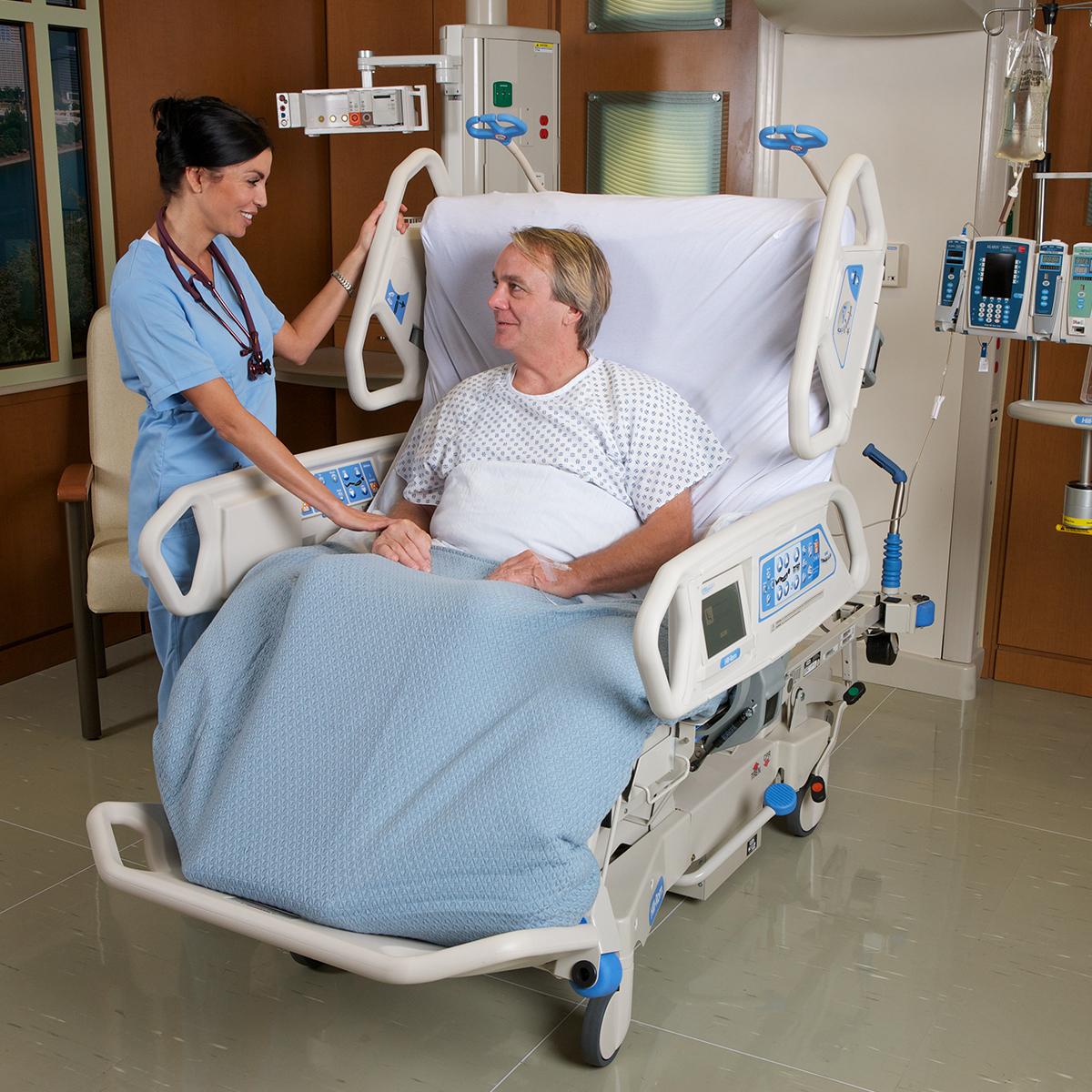
An ICU hospital bed is a highly specialized bed used for patients who need intensive medical attention. These beds are designed for the unique needs of critically ill patients. Unlike regular beds, ICU beds help with patient recovery, safety, and comfort while allowing healthcare workers to provide round-the-clock care.
ICU beds do much more than simply hold a patient. They can change positions, track vital signs, and even help prevent complications like pressure ulcers. Their design helps manage emergencies, makes moving patients safer, and supports complex treatments. Most importantly, they allow medical teams to react quickly and effectively when a patient’s condition changes.
Key Features Of Icu Hospital Beds
ICU beds are packed with technology and features that set them apart from regular hospital beds. Let’s look at the most important ones:
1. Adjustable Positions
The most obvious difference is their adjustability. ICU beds allow the head, feet, and even the entire bed height to change easily. This helps with:
- Breathing support (raising the head can help with oxygen flow)
- Comfort during long stays
- Easier access for medical staff
- Quick changes during emergencies
Most ICU beds use electric motors for smooth, quiet movement. Some even remember favorite positions.
2. Vital Signs Monitoring
Many modern ICU beds have built-in monitoring systems. These can track:
- Heart rate
- Blood pressure
- Breathing rate
- Oxygen levels
Alarms alert staff if anything changes suddenly. This means faster response to life-threatening events.
3. Patient Safety Features
Safety is a priority. ICU beds often include:
- Side rails to prevent falls
- Locking wheels so beds don’t move during procedures
- Brake-off alarms that warn if the bed is unlocked
- Exit alarms to alert staff if a patient tries to get up
These features reduce accidents and make sure patients stay safe even when they’re confused or weak.
4. Pressure Relief Surfaces
Critically ill patients often can’t move much. This puts them at high risk for pressure ulcers (bedsores). ICU beds use advanced mattresses with:
- Air or gel layers that shift pressure points
- Automatic turning systems to gently move patients
- Moisture control to keep skin dry
Preventing sores is crucial—it improves comfort, reduces infection risk, and helps recovery.
5. Integrated Scales
Some ICU beds have built-in scales. This allows staff to weigh patients without moving them. Accurate weight is vital for:
- Calculating drug dosages
- Monitoring fluid balance (important in heart and kidney care)
- Detecting sudden changes in body weight
This reduces the risk of injury and saves time.
6. Easy Patient Transfer
ICU beds are built to make moving patients safer and simpler. Features can include:
- Bed height adjustment for smooth transfers
- Removable head or foot boards
- Sliding surfaces or transfer boards
Safe transfers reduce the risk of patient falls or staff injuries.
7. Advanced Controls
Controls are often available for both staff and the patient. They are:
- User-friendly and clearly labeled
- Sometimes include touchscreen panels
- May allow locking out features for confused patients
Easy controls mean faster response during emergencies.
8. Infection Control Design
Hospitals fight hard against infections. ICU beds use:
- Surfaces that are easy to clean and disinfect
- Materials that resist bacterial growth
- Fewer seams or cracks where germs can hide
Some beds even have antimicrobial coatings. This lowers the risk of dangerous hospital-acquired infections.
9. Emergency Features
ICU beds must handle emergencies well. Key features include:
- CPR release: A quick way to flatten the bed for chest compressions
- Shock position: Elevates legs to improve blood flow to the heart
- Battery backup: Keeps the bed working during power cuts
Seconds count in critical care, so these features can save lives.
10. Compatibility With Medical Devices
ICU beds are designed to work with:
- IV poles and infusion pumps
- Respirators and ventilators
- Overbed tables and examination lights
Attachment points and power outlets are built in, so everything a patient needs is close at hand.
How Icu Beds Differ From Regular Hospital Beds
It’s easy to think a hospital bed is just a hospital bed. But the differences between a standard bed and an ICU bed are huge, and they matter.
| Feature | Regular Hospital Bed | ICU Hospital Bed |
|---|---|---|
| Adjustability | Head/foot only, manual or basic electric | Multiple, precise positions; often fully electric |
| Vital Sign Monitoring | Usually absent | Often built-in or easily attached |
| Pressure Relief | Basic foam or spring mattress | Advanced air or gel surfaces, auto-turning |
| Emergency Features | Limited | CPR release, shock position, battery backup |
| Patient Transfer | Manual, sometimes difficult | Height adjustment, sliding, removable boards |
| Safety Features | Basic side rails | Smart rails, exit alarms, brake alarms |
| Infection Control | Standard materials | Antimicrobial, easy-clean surfaces |
ICU beds cost much more than regular beds, but their value is clear when a patient’s life is on the line.
Types Of Icu Hospital Beds
ICU beds are not all the same. Hospitals may choose different types based on their patients’ needs. Here are the main categories:
1. Manual Icu Beds
These are rare in modern ICUs but still found in some places. Movement is controlled by turning hand cranks. They are low cost but:
- Slower to adjust
- Harder to use in emergencies
- Less comfortable for patients
Manual beds are a last resort in resource-limited settings.
2. Semi-electric Icu Beds
These beds use electric motors for some functions (usually head/foot adjustment), but bed height is adjusted manually. They are:
- Cheaper than full-electric beds
- Easier to use than manual beds
- Not as fast or versatile as advanced models
They are sometimes used for step-down units, not the sickest patients.
3. Fully Electric Icu Beds
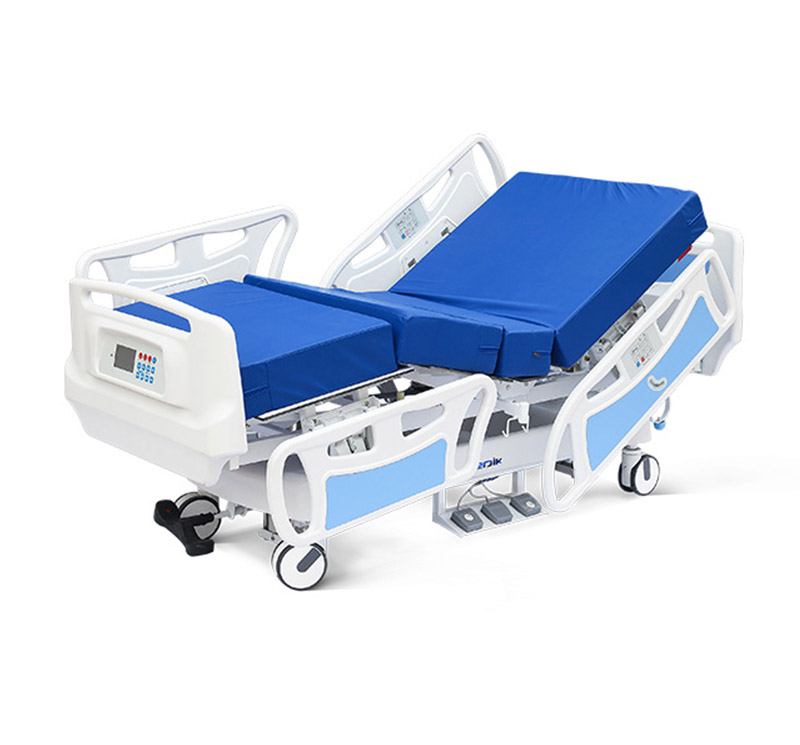
These are the gold standard in modern critical care. All adjustments are powered, including:
- Head/foot angle
- Bed height
- Special positions (Trendelenburg/reverse Trendelenburg)
- Chair or cardiac positioning
They allow quick, precise movement, even during power loss (thanks to battery backup).
4. Air Fluidized Beds
Air fluidized beds use a special mattress filled with tiny beads. Air is blown through the beads, making the surface feel like a soft fluid. These beds are used for:
- Patients with severe burns or wounds
- Extreme risk of pressure ulcers
They provide nearly zero pressure points and are very comfortable, but costly and noisy.
5. Low Air Loss Beds
These beds use a mattress with air chambers that automatically adjust. They help:
- Control heat and moisture
- Shift pressure to prevent sores
- Reduce the need for staff turning patients
Low air loss beds are popular for long-stay ICU patients.
6. Bariatric Icu Beds
For patients over 350 lbs (160 kg), special bariatric beds are needed. They offer:
- Wider, stronger frames
- Reinforced motors and parts
- Extra safety features
Obese patients are at higher risk for complications, so these beds are critical.
7. Pediatric And Neonatal Icu Beds
Children and newborns need beds sized for their bodies. Features include:
- Smaller frames and rails
- Integrated incubators for newborns
- Special padding for comfort and safety
These beds support the youngest, most fragile patients.
Why Icu Beds Matter For Patient Recovery
The right ICU bed is more than a luxury—it can speed recovery, reduce complications, and even save lives. Here’s how:
Faster Healing And Fewer Complications
ICU beds help prevent:
- Pressure ulcers, which can become infected and slow healing
- Pneumonia, by allowing upright positions for easier breathing
- Blood clots, by supporting early movement or passive motion
A study published in the journal *Critical Care* found that advanced beds reduced pressure ulcer rates by up to 60%. That’s a huge improvement for patient comfort and outcomes.
Safer For Staff And Patients
Moving, turning, and lifting patients is a top cause of injury for nurses and aides. ICU beds reduce this risk, which means:
- Fewer staff injuries
- Less need for extra help
- Safer patient handling
This boosts morale and saves money for hospitals.
Quicker Emergency Response
Time matters in the ICU. With features like one-touch flattening for CPR or instant bed height changes, the care team can react faster in life-threatening moments.
Better Infection Control
ICU patients are often at risk for infections. With easy-to-clean surfaces and antimicrobial materials, modern ICU beds help keep germs in check. This is especially important with antibiotic-resistant bacteria on the rise.
Improved Patient Comfort And Dignity
Being in the ICU is stressful. Small touches—like the ability to sit up, change position, or call for help easily—make a big difference. Comfortable beds can reduce anxiety and support better sleep, both of which help healing.
How Hospitals Choose Icu Beds
Choosing the right ICU bed is a complex decision. Hospitals consider several factors:
Clinical Needs
What types of patients does the ICU serve? For example:
- Trauma centers may need extra-strong beds for heavy or injured patients.
- Burn units require air fluidized beds.
- Children’s hospitals focus on pediatric models.
Budget
ICU beds are expensive, sometimes costing $10,000–$45,000 each. Hospitals must balance cost with features. However, cheaper beds can end up costing more if they increase injury or infection rates.
Space And Infrastructure
Some ICU beds are bulky or need special power outlets. Hospitals must check if beds fit through doors, around equipment, and meet electrical standards.
Staff Training
Advanced beds have complex controls. Hospitals invest in training so staff use all features safely and correctly.
Vendor Support
Good technical support is vital. If a bed breaks down, repair must be quick to keep patients safe.
Common Challenges With Icu Beds
Even the best ICU beds aren’t perfect. Some challenges include:
Maintenance And Repairs
With so many moving parts and electronics, ICU beds need regular checks. A broken bed can delay care or put patients at risk. Hospitals must schedule maintenance and keep spare parts ready.
Infection Control
Even with special surfaces, beds can harbor germs if not cleaned well. Staff need proper training in disinfection routines.
Patient Movement
Critically ill patients may still develop pressure sores or muscle loss if not moved enough. Advanced beds help, but human care is always needed.
Cost
High-quality beds are expensive. This limits access in low-resource hospitals, where basic beds may increase complication rates.
Technology Overload
Too many alarms or features can confuse staff, especially in emergencies. Simple, clear controls are best.
Real-world Examples And Use Cases
Consider these examples to see how ICU beds impact care:
- In a major US hospital, switching to air mattresses in the ICU cut pressure ulcer rates by half in one year.
- During the COVID-19 pandemic, hospitals needed more ICU beds with advanced ventilator support. Beds with built-in oxygen ports and power sources made care easier.
- In disaster zones, portable ICU beds with battery backup allowed critical care even during power cuts.
These examples show how the right bed can make a real difference, even beyond the hospital.

The Future Of Icu Hospital Beds
Technology keeps moving forward, and ICU beds are evolving too. Here’s what’s coming next:
Smart Beds
Future beds will connect to hospital networks, sending data straight to electronic medical records. Features may include:
- Automatic patient identification
- Real-time vital sign tracking
- Predictive alarms that warn of trouble before it happens
Robotic Movement
Some beds will help move or turn patients automatically, reducing the need for staff lifting. This can prevent injuries and speed recovery.
Remote Monitoring
Beds may soon let families or doctors check on patients from a distance, using cameras and sensors (with strict privacy rules).
Eco-friendly Design
Manufacturers are working on beds made from recyclable materials, with lower energy use and less waste.
Personalized Care
Beds that adjust automatically to each patient’s body type and medical needs are on the horizon. This will make care even safer and more comfortable.
How To Care For An Icu Bed
ICU beds need special attention to stay safe and effective. Here are some tips for hospitals and caregivers:
- Regular cleaning: Follow strict guidelines for disinfecting all surfaces, especially after a patient is discharged.
- Routine checks: Inspect for loose parts, working motors, and safe electrical connections.
- Staff training: Make sure all users know how to operate controls, alarms, and emergency features.
- Report problems: Fix any issues immediately—don’t wait for a scheduled repair.
- Use beds as intended: Don’t overload, misuse, or disable safety features.
Proper care extends a bed’s life and protects both patients and staff.
Cost Of Icu Beds And Value For Hospitals
ICU beds are a big investment, but they offer high value. Here’s a comparison of typical costs and what hospitals get in return:
| Bed Type | Average Cost (USD) | Main Benefits |
|---|---|---|
| Manual ICU Bed | $3,000–$6,000 | Basic care, low cost |
| Semi-Electric ICU Bed | $7,000–$12,000 | Some adjustability, lower nurse workload |
| Fully Electric ICU Bed | $13,000–$45,000 | Full features, best safety, faster response |
| Specialty ICU Bed (e.g., air fluidized) | $20,000–$60,000 | Prevents sores, for special cases |
While advanced beds cost more upfront, they can lower overall hospital costs by reducing complications, staff injuries, and patient length of stay.
Non-obvious Insights About Icu Beds
Most people know ICU beds are adjustable and comfortable. But here are some facts that surprise even experienced caregivers:
- ICU beds are designed to fit with life support machines: Their frame and height are matched to equipment like ventilators or dialysis units, so tubing and wires don’t get tangled.
- Preventing pressure ulcers saves more than pain: Each severe bedsore can add $20,000 or more to a patient’s hospital costs and increase the risk of death.
- A bed’s alarm system can be life-saving or dangerous: If staff ignore too many false alarms, they might miss a real emergency. Smart settings and good training are essential.
Frequently Asked Questions
What Is The Main Difference Between An Icu Bed And A Regular Hospital Bed?
The ICU bed offers advanced features like full electric adjustability, integrated monitoring, pressure relief surfaces, and emergency settings. These make it safer and more comfortable for critically ill patients, while regular beds are simpler and less adaptable.
Why Are Icu Beds So Expensive?
The high cost comes from their complex design, advanced technology, and strong materials. ICU beds include electric motors, safety alarms, infection-resistant surfaces, and often built-in monitoring equipment. These investments help prevent complications and save lives.
Can Icu Beds Be Used Outside The Icu?
While technically possible, it’s rare. ICU beds are heavy and require special power sources and maintenance. They are best used where constant monitoring and quick adjustments are needed. Some step-down units may use simplified ICU beds for high-risk patients.
How Often Do Icu Beds Need Maintenance?
Most hospitals check ICU beds every few months, with daily visual inspections by staff. Repairs are done immediately if any part fails. Preventive maintenance keeps beds safe and extends their lifespan.
Where Can I Learn More About Icu Bed Standards And Technology?
A good place to start is the Wikipedia page on Hospital Beds, which covers history, types, and global standards.
Final Thoughts
The ICU hospital bed is much more than furniture. It is a critical tool that supports life, speeds healing, and protects patients and staff. From advanced adjustability to infection control, every detail is designed with patient safety in mind. As technology advances, these beds will become even smarter and more supportive. Understanding what makes an ICU bed unique helps everyone—from families to hospital leaders—make better choices for those who need the highest level of care.

