

When someone enters an intensive care unit (ICU), they often see advanced medical devices all around. One of the most important pieces is the ICU hospital bed. It is not just a place to sleep; it is a life-support tool with many features that help doctors, nurses, and patients. But what does such a bed cost? If you are a hospital manager, a healthcare worker, or just curious, understanding the price of an ICU hospital bed is useful. There are many factors affecting this cost, and it is more than just buying a simple bed.
ICU beds play a key role in the recovery and comfort of critically ill patients. They must allow caregivers to respond quickly to emergencies, adjust patient positions easily, and keep patients safe during long hospital stays. For many people, the price of an ICU bed is surprising.
It is not only about the physical bed but also the technology, safety, and support that come with it. Let’s look deeper into what makes these beds special, why their price varies so much, and what to keep in mind when choosing one for your hospital or clinic.
What Makes An Icu Hospital Bed Different?
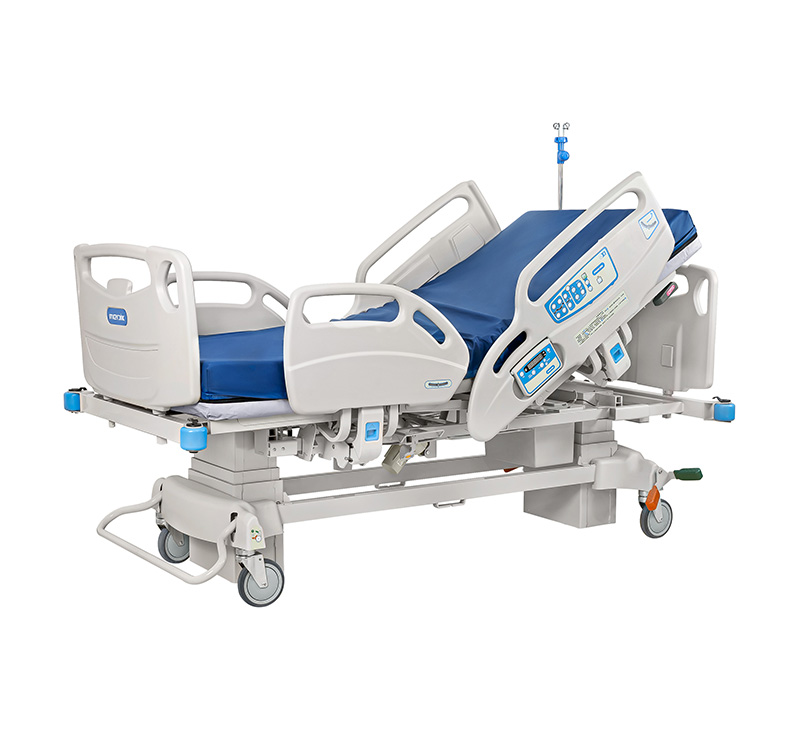
To understand why ICU beds are expensive, you must first know what makes them unique. Standard hospital beds are simple—they allow a patient to rest. ICU beds go much further. They have features such as:
- Electronic controls for adjusting height, backrest, and leg support
- Integrated patient monitoring systems
- Side rails for safety
- CPR functions for emergencies
- Built-in weighing scales
- Special mattresses to prevent bedsores
- Battery backup in case of power failure
- Mobility wheels with locking systems
These features make ICU beds more than furniture—they are medical devices. They must be reliable and safe, sometimes supporting critical care for weeks.
Another important difference is the way ICU beds are designed for infection control. Many models use easy-to-clean materials, seamless surfaces, and antimicrobial coatings to reduce the risk of hospital-acquired infections. ICU beds also handle more weight and movement than regular beds, as patients are often repositioned to prevent pressure ulcers or to help with breathing.
Some beds allow for “trendelenburg” and “reverse trendelenburg” positions, where the whole bed tilts to help with certain treatments or procedures. This flexibility is vital in critical care. In addition, modern ICU beds may have alarms that alert staff if a patient tries to get out of bed or if there is a malfunction.
All these details add to their complexity and price.
Price Range Of Icu Hospital Beds
ICU hospital beds do not have a fixed price. The cost depends on many factors, such as brand, features, country of purchase, and added technology. However, most ICU beds fall into these price ranges:
- Basic ICU beds: $2,500 – $6,000
- Mid-range ICU beds: $6,000 – $15,000
- Advanced ICU beds: $15,000 – $40,000
- Custom ICU beds: Can exceed $50,000
Some hospitals may pay less if buying in bulk or negotiating deals. Others may pay more for extra features or imported models. Most beds in general hospitals are in the mid-range, while specialty hospitals may use advanced or custom beds.
It’s important to note that the final price can also change due to local taxes, shipping fees, and installation costs. For example, importing a bed from another country may add thousands of dollars in customs fees, which many buyers overlook at first.
Also, some suppliers include basic accessories in the price, while others charge separately.
Another detail is that certain ICU beds designed for children or larger patients (bariatric beds) often fall into the advanced or custom range. These beds are engineered for specific patient needs and may require extra safety testing, raising the cost further.
For hospitals with high patient turnover, investing in more advanced beds can reduce maintenance and replacement costs over time.
Key Factors Affecting Icu Bed Price
Buying an ICU bed is not like buying a regular bed. Several important factors influence the price:
1. Bed Features
The more features a bed has, the higher the cost. For example, a bed with motorized controls, digital displays, and built-in scales will cost more than a basic model. Some features, like pressure-relief mattresses, can add thousands to the price.
Simple beds may only have basic electric adjustments, while high-end models can remember patient positions, have integrated air mattresses, or offer wireless connectivity for remote monitoring. Some even have USB charging ports for patient convenience.
2. Brand Reputation
Well-known brands such as Hill-Rom, Stryker, and Invacare often charge more. Their beds are reliable, durable, and supported with warranties. Cheaper brands may offer fewer features or lower build quality.
Choosing a recognized brand may also help with resale value. Hospitals often find it easier to maintain and resell beds from trusted brands because parts and service are more available.
3. Country Of Origin
Beds made in the United States, Germany, or Japan are usually more expensive than those from China or India. However, quality and safety standards may be higher in developed countries.
Some buyers opt for local brands to save on shipping and customs fees. However, the long-term reliability and spare parts availability should always be checked, especially for critical care equipment.
4. Technology Integration
Some ICU beds connect directly to hospital monitoring systems, electronic health records, or nurse call systems. These integrations can increase costs by thousands of dollars.
For example, a bed that can send patient weight and position data to the hospital’s central system can help nurses work more efficiently and reduce errors, but it comes with a higher price tag.
5. Quantity Purchased
Hospitals often buy beds in bulk. Manufacturers may offer discounts for large orders, reducing the unit price.
For example, buying 20 beds at once can often get you a 10–20% discount per unit, especially if you are buying from a local supplier. This is a key way larger hospitals control costs.
6. Accessories And Customization
Mattresses, IV poles, oxygen tank holders, and side rails are sometimes sold separately. Custom designs for special needs (like pediatric or bariatric beds) can add extra cost.
Small add-ons like folding trays, patient restraints, or privacy screens may seem minor, but they add up quickly. Hospitals often underestimate how many of these extras are needed for day-to-day use.
7. Warranty And After-sales Service
Beds with longer warranties or 24/7 support are more expensive. Hospitals pay more for peace of mind and quick repairs.
Good after-sales service can also mean faster spare parts delivery and on-site technician visits, which minimize patient downtime during repairs. Some suppliers offer service packages that include yearly checks, software updates, and even staff re-training.
Icu Hospital Bed Price Comparison By Brand
To illustrate the price differences, here is a comparison of popular brands:
| Brand | Basic Model Price | Advanced Model Price | Warranty (years) |
|---|---|---|---|
| Hill-Rom | $7,000 | $33,000 | 2–5 |
| Stryker | $6,500 | $28,000 | 2–5 |
| Invacare | $4,500 | $17,000 | 1–3 |
| Paramount Bed | $5,000 | $19,000 | 1–3 |
| Local Brands (India/China) | $2,800 | $11,000 | 1–2 |
This data shows how prices vary across brands and countries. Well-known brands offer longer warranties and more features, but at a higher price.
It’s also worth considering that some brands have better local service networks. For example, Hill-Rom and Stryker have wide service coverage in North America and Europe, making maintenance easier. On the other hand, local brands in India or China may offer faster delivery but may not have as many advanced features or as strong international support.

Detailed Breakdown Of Icu Bed Costs
When hospitals buy ICU beds, they pay for more than the bed itself. Here is a detailed breakdown of costs:
Bed Frame And Electronics
The frame is usually made of high-quality steel or aluminum. Electronics include motors, control panels, and sensors. These account for 40–60% of the total price.
Some beds use sealed motors or waterproof electronics to withstand frequent cleaning. Sensors may include patient movement alarms, weight detection, and automatic brake systems for safety.
Mattress
Special mattresses prevent bedsores and are designed for critical care. Some mattresses cost over $2,000 each.
There are different types of ICU mattresses, such as air-fluidized, low-air-loss, and memory foam. Air mattresses can automatically adjust pressure based on the patient’s weight, reducing the risk of pressure injuries. For patients who spend weeks in the ICU, this feature is essential.
Safety Features
Side rails, locking wheels, and emergency buttons are required. These can add $500–$2,000 per bed.
Modern side rails may include integrated control panels, exit alarms, or even lighting for night safety. Emergency buttons allow quick access to CPR mode, instantly flattening the bed for resuscitation.
Accessories
Hospitals often add accessories such as IV poles, oxygen tank holders, and patient lifts. These are usually $200–$1,000 each.
A common mistake is ordering beds without checking if the accessories fit. Some brands use unique attachment systems, so it’s important to confirm compatibility before purchase.
Installation And Training
Many beds require professional installation. Hospitals may pay $500–$1,500 for setup and staff training.
Proper installation ensures the bed is safe and all electronic features work. Training is needed so staff can use advanced features, reducing the risk of user errors that could harm patients.
Maintenance
Annual maintenance contracts cost $300–$1,000 per bed. This covers routine checks, repairs, and software updates.
Some hospitals also choose preventive maintenance packages, which include regular inspections to catch problems early. This can extend the life of the bed and reduce emergency repair costs.
Customization
Special beds for children, obese patients, or burns victims can cost 30–100% more than standard models.
Customization often involves stronger frames, wider mattresses, or unique safety features. For example, pediatric beds may have higher rails and softer surfaces, while bariatric beds use reinforced materials and extra-wide designs.
Icu Bed Price Comparison By Country
Prices can vary greatly depending on location. Here is a comparison of average ICU bed prices in different countries:
| Country | Average Price (USD) | Import/Local |
|---|---|---|
| United States | $10,000 – $40,000 | Mainly Imported |
| Germany | $12,000 – $45,000 | Imported & Local |
| Japan | $11,000 – $37,000 | Imported & Local |
| India | $2,800 – $10,000 | Mainly Local |
| China | $3,000 – $11,000 | Mainly Local |
| Brazil | $5,000 – $18,000 | Imported & Local |
The price is higher in developed countries due to stricter regulations, higher labor costs, and advanced technology.
One non-obvious reason for cost differences is that some countries require more extensive testing and certification before a bed can be used. For example, the US Food and Drug Administration (FDA) and the European CE mark both require strict testing for safety, which adds cost but also ensures reliability.
New Vs. Used Icu Hospital Beds
Hospitals sometimes buy used ICU beds to save money. Used beds can be 30–60% cheaper than new ones. However, there are risks:
- Shorter warranty or no warranty
- Older technology and fewer features
- Possible wear and tear
- Limited support for repairs
Used beds are often refurbished with new mattresses and electronics. They are suitable for smaller clinics or backup needs but not ideal for critical care.
When considering used beds, always ask for a detailed maintenance history and check if the manufacturer still supports the model. Sometimes, spare parts for older beds are no longer available, leading to longer downtimes. Refurbished beds should also be inspected for rust, damaged motors, or electrical problems before use.
Hidden Costs And Common Buyer Mistakes
When buying ICU beds, hospitals often overlook hidden costs or make mistakes. Here are some examples:
- Ignoring maintenance costs: Buyers focus on upfront price and forget annual servicing fees.
- Choosing the cheapest model: Low-cost beds may lack important safety features or break down quickly.
- Not planning for accessories: Some buyers forget to include IV poles, special mattresses, or monitoring devices.
- Overlooking staff training: Advanced beds need proper training. Without it, staff may misuse or damage the bed.
- Failing to check compatibility: Beds must work with hospital systems (nurse call, monitoring). Incompatible beds cause problems.
One non-obvious insight is that regulatory approval adds cost. Beds must be certified by local health authorities (like FDA or CE), which increases price but guarantees safety.
Another overlooked factor is the cost of removing old beds. Replacing beds in a busy ICU may require special disposal of electronic waste or hazardous materials, which can cost several hundred dollars per bed.
Icu Bed Price Vs. Patient Outcomes
Some hospitals wonder if expensive ICU beds are worth the price. Studies show that advanced beds:
- Reduce bedsores by up to 80%
- Lower patient falls by 50%
- Improve patient recovery time
While basic beds save money, advanced beds help hospitals avoid costly complications and improve care. Investing in quality ICU beds can save money in the long run.
For example, a pressure-relief mattress may cost $2,000 more, but if it prevents just one serious bedsore, the hospital can save thousands in treatment costs. Hospitals with high patient turnover or many long-stay patients often find that spending more upfront leads to better outcomes and fewer lawsuits.
Practical Tips For Buying Icu Hospital Beds
If you are buying ICU beds for a hospital or clinic, consider these tips:
- List required features: Decide what features are essential (motorized controls, CPR function, mattress type).
- Check warranty: Choose beds with at least 2 years of warranty.
- Ask for training: Ensure the supplier offers staff training.
- Request maintenance package: Include maintenance contracts in the deal.
- Compare prices: Get quotes from at least three suppliers.
- Test compatibility: Confirm the bed works with your monitoring systems and nurse call systems.
- Consider patient needs: Choose beds suitable for your patient population (children, obese, elderly).
A mistake beginners often make is underestimating the importance of after-sales service. Beds may need repairs or software updates. Good support is vital.
Another tip is to ask for demonstrations or trial periods. Some suppliers will let you test a bed for a week to see how it works in your ICU. This can help you spot any issues early and ensure the bed fits your workflow.

Icu Hospital Bed Price Vs. Other Hospital Beds
ICU beds are much more expensive than general ward beds or maternity beds. Here is a simple comparison:
| Bed Type | Average Price (USD) | Features |
|---|---|---|
| General Hospital Bed | $800 – $2,500 | Manual controls, basic safety rails |
| Maternity Bed | $1,500 – $4,000 | Adjustable, special mattress |
| ICU Bed | $2,500 – $40,000 | Motorized, advanced safety, monitoring, CPR |
The higher price of ICU beds is justified by advanced features and safety.
It’s also good to remember that ICU beds must comply with stricter health and safety standards. They are tested for electrical safety, durability, and infection control in ways that general beds are not. This extra testing and certification increases costs but is necessary for intensive care environments.
The Role Of Government And Health Insurance
In some countries, the government or health insurance helps hospitals buy ICU beds. Grants, subsidies, or insurance payments can reduce costs. However, requirements may be strict, and funding is not always available. Hospitals must plan carefully and apply for support if possible.
Some government health departments run programs to upgrade hospital equipment, especially in public hospitals. These programs may have long waiting periods or require detailed paperwork. In some cases, private insurance will pay for special beds at home for certain patients, but only if the bed meets specific criteria.
Hospitals can also work with charitable organizations to get discounts or donations of ICU beds, especially in low-income countries.
Where To Buy Icu Hospital Beds
ICU beds are sold by medical equipment suppliers, manufacturers, and online platforms. Reliable sellers include:
- Authorized distributors of major brands
- Direct manufacturer sales
- Medical equipment websites (with verified reviews)
Avoid buying from unknown sellers or without proper certification. For more information, see FDA Medical Devices.
Before purchasing, check if the supplier provides installation, training, and ongoing support. Always ask for references from other hospitals that have bought the same beds to learn about their experience.
Frequently Asked Questions
What Is The Average Price Of An Icu Hospital Bed?
The average price is between $6,000 and $15,000 for a mid-range bed. Advanced beds can cost up to $40,000 or more, depending on features.
Are Used Icu Beds Safe To Use?
Used ICU beds can be safe if properly refurbished and certified. However, they may lack modern features and warranties. Always check for quality and support before buying.
What Features Should An Icu Bed Have?
Essential features include motorized controls, safety rails, CPR function, anti-bedsores mattress, and compatibility with monitoring systems. Optional features are integrated scales, battery backup, and nurse call integration.
How Much Does Maintenance Cost For An Icu Bed?
Annual maintenance costs $300–$1,000 per bed. This covers routine checks, repairs, and software updates. Maintenance is important for safety and performance.
Can Health Insurance Or Government Funding Cover Icu Bed Costs?
In some cases, health insurance or government grants can cover part of the cost. Requirements vary by country and hospital. Check with local authorities or insurance providers for details.
Buying an ICU hospital bed is a major decision that affects patient care, hospital budgets, and long-term results. Understanding the price and what drives it can help you make a smart choice. Always consider safety, quality, and after-sales support—not just the upfront cost.
With proper research, you can find a bed that fits your needs and budget.

