

Choosing the right food for your dog can be tricky. You want to give your furry friend the best, but with so many options, it’s easy to feel confused.
Is wet dog food better than dry dog food? This question matters because what your dog eats affects their health, energy, and happiness. By the end of this article, you’ll know exactly which type of food suits your dog’s needs best.
Keep reading—you and your dog deserve the best answer.
Nutritional Differences
Nutritional differences between wet and dry dog food affect your pet’s health. Understanding these differences helps you choose the best diet. Each type offers unique benefits and challenges for your dog’s nutrition.
Moisture Content Impact
Wet dog food contains about 70-80% water. This helps keep your dog hydrated through meals. Dry food has only about 10% moisture. Dogs eating dry food need more water with their meals. High moisture in wet food can aid digestion. It also helps dogs with urinary tract health.
Calorie Density Comparison
Dry dog food is more calorie-dense than wet food. This means less food volume delivers more energy. Wet food has fewer calories per serving due to water content. Dogs needing weight control may benefit from wet food. Active dogs often need the higher calories in dry food. Portion control is easier with dry food because it is compact.
Ingredient Quality Variations
Wet food often contains higher quality protein sources. It may include real meat or fish chunks. Dry food sometimes uses more fillers like grains or corn. Some dry foods have added vitamins and minerals. Check labels to compare ingredients carefully. Quality ingredients support your dog’s overall health and energy.

Credit: pawspetcareathome.com
Health Benefits
Choosing the right food for your dog affects their health. Wet and dry dog foods offer different benefits. Understanding these can help you make better choices. Health benefits cover hydration, dental health, and weight management.
Hydration And Urinary Health
Wet dog food contains more water than dry food. This extra moisture helps keep your dog hydrated. Good hydration supports kidney and urinary health. It may reduce the risk of urinary tract infections. Dogs that eat wet food often drink less water. This can be helpful for dogs that do not drink much.
Dental Health Considerations
Dry dog food can help clean teeth by reducing plaque. The crunchy texture acts like a brush for teeth. Wet dog food does not provide this benefit. It can stick to teeth and gums more easily. Regular brushing is important if your dog eats wet food. Dental health needs care beyond just food choice.
Weight Management Effects
Wet dog food is often lower in calories than dry food. It can help dogs feel full with fewer calories. This is useful for dogs needing to lose weight. Dry dog food is more calorie-dense and easier to overfeed. Measuring portions is important for weight control. Both types can support healthy weight if fed correctly.
Digestibility And Palatability
Digestibility and palatability are key factors in choosing between wet and dry dog food. Dogs need food that is easy to chew and digest. They also prefer flavors that appeal to their taste buds. Understanding these aspects helps pet owners select the best option for their dogs’ health and happiness.
Taste Preferences In Dogs
Dogs often prefer wet food because it has a stronger smell and richer taste. Wet food contains more moisture, which can enhance flavor. Dry food may be less exciting but some dogs enjoy its crunchy texture. Each dog has unique taste preferences, so offering variety can be helpful.
Ease Of Digestion
Wet food is usually easier to digest due to higher moisture content. It softens quickly in the mouth and stomach. Dry food requires more chewing and can be harder on sensitive stomachs. Dogs with dental problems or digestive issues may benefit from wet food.
Suitability For Different Life Stages
Puppies and older dogs often find wet food easier to eat and digest. Young dogs need high nutrients and moisture for growth. Senior dogs may have weaker teeth and digestion, so wet food suits them better. Adult dogs with healthy teeth can eat either type comfortably.
Practical Aspects
Choosing between wet and dry dog food involves many practical factors. These affect daily feeding routines and storage needs. Understanding these aspects helps in making the best choice for your pet and lifestyle.
Storage And Shelf Life
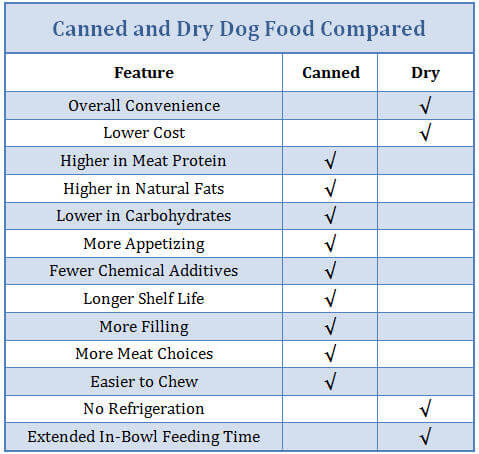
Dry dog food lasts longer once opened. It stays fresh in a sealed container for weeks. Wet dog food must be refrigerated after opening. It usually lasts only two to three days in the fridge.
Unopened wet food cans or pouches have a long shelf life. Keep them in a cool, dry place. Dry food is less messy and easier to store. It does not require special containers or refrigeration.
Cost Comparison
Dry dog food is generally cheaper than wet food. It offers more servings for the same price. Wet food costs more because of packaging and moisture content. Feeding wet food every day can add up quickly.
Buying dry food in bulk reduces the cost per meal. Wet food is often sold in small portions. Budget is an important factor to consider before choosing.
Feeding Convenience
Dry food is quick and easy to serve. It does not require measuring or warming. Wet food needs careful portioning and often spooning. It can be messy and may stain surfaces.
Dry food is ideal for free feeding or leaving out all day. Wet food is best for controlled feeding times. It can help with picky eaters who prefer moist meals.
Veterinarian Recommendations
Veterinarians guide pet owners on the best food for dogs. Their advice depends on your dog’s health, age, and lifestyle. They consider many factors before recommending wet or dry dog food. Understanding their advice helps you make the right choice.
When To Choose Wet Food
Wet food suits dogs with dental problems. It is easier to chew and digest. Dogs who drink less water may benefit from wet food. It adds moisture to their diet. Puppies and senior dogs often need wet food for better nutrition.
When Dry Food Is Preferred
Dry food helps keep teeth clean by reducing plaque. It is easy to store and measure. Active dogs with good teeth often do well on dry food. It also supports weight control by helping dogs feel full longer.
Combining Both Types
Many vets suggest mixing wet and dry food. This approach offers balanced nutrition and variety. Combining both types can improve hydration and dental health. It keeps mealtime interesting for picky eaters. Talk to your vet about the right mix for your dog.

Credit: www.zooplus.co.uk
Credit: www.dogfoodadvisor.com
Frequently Asked Questions
Is Wet Dog Food Healthier Than Dry Dog Food?
Wet dog food contains more moisture, aiding hydration. It often has higher protein and fewer carbs. Dry food supports dental health by reducing plaque. Both have pros; choosing depends on your dog’s needs and preferences.
Does Wet Dog Food Spoil Faster Than Dry?
Yes, wet dog food spoils faster once opened. It should be refrigerated and used within 2-3 days. Dry food lasts longer due to low moisture and airtight packaging, making it more convenient for storage.
Can Dry Dog Food Cause Dehydration In Dogs?
Dry dog food has low moisture, so dogs may drink more water. It doesn’t directly cause dehydration but ensure your dog drinks enough water daily to stay hydrated and healthy.
Which Dog Food Is Better For Dental Health?
Dry dog food is better for dental health. Its crunchy texture helps reduce plaque and tartar buildup. Wet food lacks this abrasive effect, so dental care may require extra attention with wet diets.
Conclusion
Choosing between wet and dry dog food depends on your dog’s needs. Wet food offers more moisture and can be easier to chew. Dry food helps keep teeth clean and lasts longer. Both types provide important nutrients for your dog’s health.
Consider your dog’s age, health, and preferences. You can also mix both to give variety. Watch how your dog reacts to each type. Always provide fresh water alongside any food. Remember, the best choice supports your dog’s happiness and well-being.

