

Choosing the right food for your dog isn’t always easy. You want to keep your furry friend healthy and happy, but some ingredients in dog food can do more harm than good.
Do you know which ones to avoid? Understanding what’s inside the bag can protect your dog from allergies, digestive problems, and long-term health issues. Keep reading to discover the key ingredients you should watch out for and how to make smarter choices for your dog’s meals.
Your pet’s well-being depends on it.

Credit: www.nw-naturals.net
Common Toxic Additives
Common toxic additives in dog food can harm your pet’s health. These ingredients often hide in labels and cause allergies, digestion problems, or worse. Avoiding them keeps your dog safe and happy. Understanding these harmful additives helps you pick better food for your dog.
Artificial Preservatives
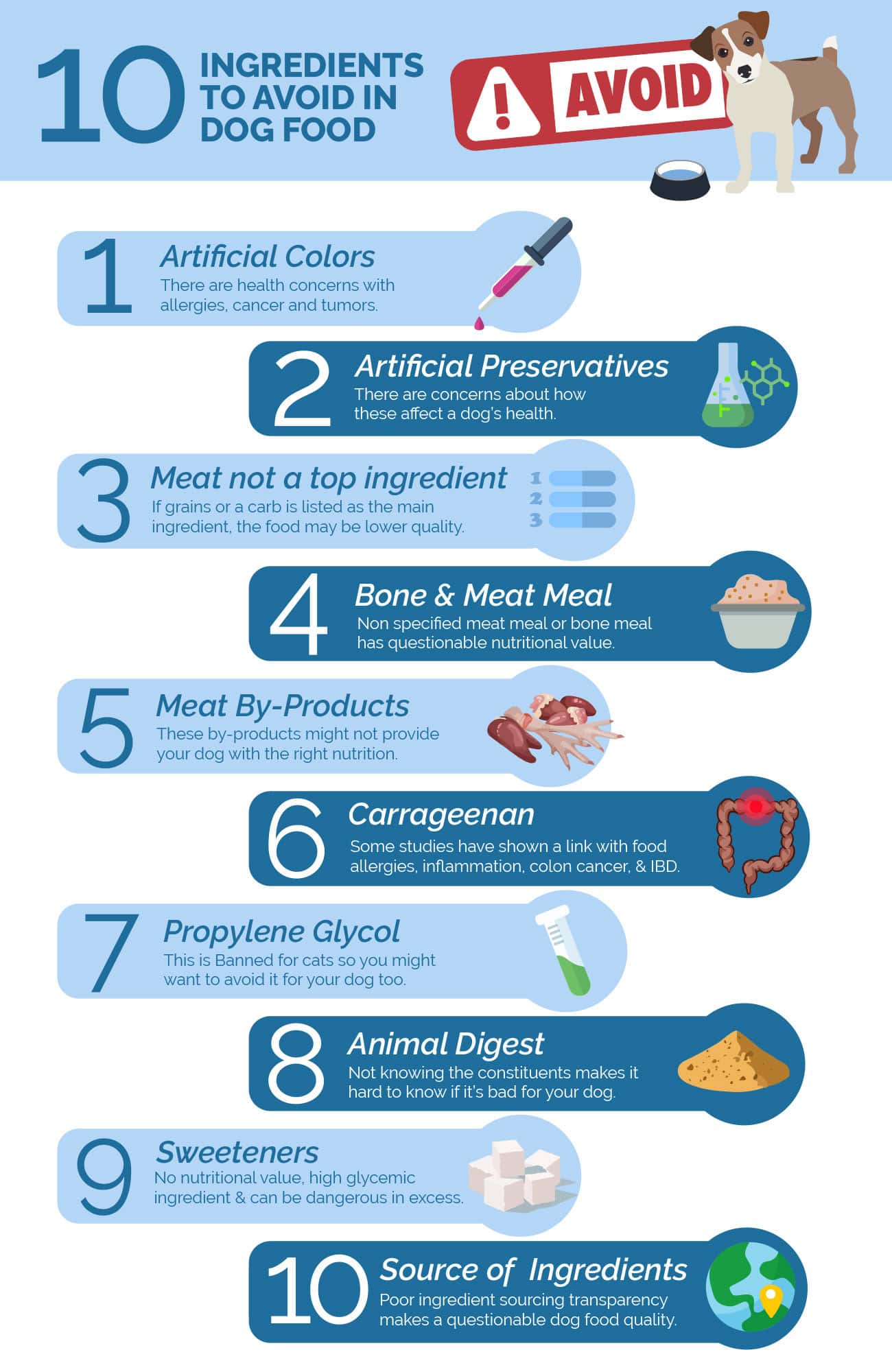
Artificial preservatives keep dog food fresh longer. Some common ones are BHA, BHT, and ethoxyquin. These chemicals may cause allergic reactions and even cancer in dogs. Natural preservatives like vitamin E and C are safer choices.
Chemical Dyes
Chemical dyes make dog food look bright and appealing. These colors have no nutritional value. Some dyes can cause hyperactivity and allergies in dogs. Avoid foods with artificial colors like Red 40 and Yellow 5.
Flavor Enhancers
Flavor enhancers improve taste but can be harmful. Monosodium glutamate (MSG) is one common additive. It may cause headaches and nausea in pets. Natural flavors or real meat are better options.
Sweeteners Harmful To Dogs
Sweeteners like xylitol are toxic to dogs. Xylitol can cause low blood sugar and liver failure. Avoid any dog food or treats listing this ingredient. Stick to natural, dog-safe sweeteners instead.
Credit: unionlakeveterinaryhospital.com
Dangerous Ingredients To Watch
Some ingredients in dog food can harm your pet’s health. These dangerous items can cause serious problems. Knowing which ingredients to avoid keeps your dog safe and healthy.
Many common foods are toxic to dogs. Even small amounts can cause illness or worse. Always check dog food labels carefully.
Onions And Garlic
Onions and garlic contain compounds that damage dog’s red blood cells. This can lead to anemia, which makes dogs weak and tired. Both raw and cooked forms are harmful. Avoid any dog food with onion or garlic powder.
Grapes And Raisins
Grapes and raisins can cause kidney failure in dogs. Even a few pieces can be dangerous. Symptoms include vomiting, diarrhea, and lethargy. Never feed your dog treats or food containing grapes or raisins.
Chocolate And Caffeine
Chocolate and caffeine have substances called theobromine and caffeine that dogs cannot process. These cause heart problems, tremors, and seizures. Dark chocolate is the most toxic. Always keep these away from your dog’s food and reach.
Xylitol
Xylitol is a sweetener found in sugar-free gum and candies. It causes a rapid drop in blood sugar and liver damage in dogs. Even small amounts can be deadly. Check dog treats and foods for xylitol and avoid them completely.
Impact Of Toxic Additives On Health
Toxic additives in dog food harm your pet’s health in many ways. These chemicals and fillers can cause immediate and long-term problems. Dogs may suffer quietly, but the damage builds up inside their bodies. Understanding these effects helps you choose safer food for your dog.
Digestive Issues
Toxic additives often upset a dog’s stomach. Ingredients like artificial preservatives and fillers cause nausea and vomiting. Dogs may also suffer from diarrhea or constipation. These problems make eating painful and uncomfortable. Poor digestion lowers nutrient absorption, weakening your dog over time.
Allergic Reactions
Certain additives trigger allergic reactions in dogs. Symptoms include itching, redness, and swelling of the skin. Dogs might scratch or bite themselves constantly. Some develop ear infections or watery eyes. Allergies reduce your dog’s comfort and quality of life.
Long-term Organ Damage
Continuous exposure to toxic additives harms vital organs. The liver and kidneys work harder to filter out chemicals. Over time, these organs may weaken or fail. Toxic substances can also damage the heart and nervous system. Organ damage reduces your dog’s lifespan significantly.
Behavioral Changes
Toxic additives affect a dog’s mood and behavior. Some dogs become hyperactive or restless. Others may show signs of anxiety or aggression. These changes confuse owners and stress dogs. Healthy food supports calmness and balanced behavior.
Reading Dog Food Labels
Reading dog food labels is important for your pet’s health. Labels show what ingredients are in the food. Understanding labels helps you avoid harmful substances. It guides you to pick safe and nutritious options. Learning how to read these labels takes only a little time but gives big benefits.
Identifying Harmful Ingredients
Check for ingredients that may harm your dog. Avoid artificial colors and flavors. These add no nutrition and can cause allergies. Stay away from by-products, which are low-quality meat parts. Also, watch out for preservatives like BHA and BHT. They can be toxic over time. Choose foods with natural, recognizable ingredients.
Understanding Ingredient Lists
Ingredients are listed by weight from most to least. The first few ingredients matter most. Look for real meat or fish as the top ingredient. Avoid foods that list corn, wheat, or soy first. These fillers provide little nutrition and can cause problems. Short ingredient lists often mean higher quality food.
Recognizing Hidden Additives
Some additives hide behind complex names. Terms like “cellulose” or “gluten” may appear safe but add no value. Watch for sugar or sweeteners that can harm dogs. Some foods use chemical preservatives disguised as vitamins. Reading labels carefully helps you spot these hidden extras. Choose brands that use simple, natural ingredients instead.
Safe Alternatives And Tips
Choosing the right dog food ingredients is key to your pet’s health. Avoid harmful additives and chemicals. Focus on safe, natural options that nourish your dog’s body. Simple changes can improve digestion, energy, and coat shine. Use these tips to find better ingredients and create healthy meals at home.
Choosing Natural Ingredients
Pick dog foods with whole meats and vegetables. Look for real chicken, beef, or fish as the main ingredient. Avoid fillers like corn, soy, and wheat. Natural ingredients provide essential nutrients and are easier to digest. Fresh fruits and vegetables add vitamins and minerals. Choose brands that list simple, recognizable ingredients on the label.
Homemade Dog Food Options
Making dog food at home gives full control over ingredients. Use lean meats, brown rice, and steamed vegetables. Avoid spices, onions, garlic, and salty seasonings. Homemade meals can be fresher and healthier for your dog. Always cook meat thoroughly to kill bacteria. Store leftovers properly to keep food safe and fresh.
Consulting A Veterinarian
Talk to your vet before changing your dog’s diet. Vets can recommend foods based on your dog’s health needs. They help identify allergies or sensitivities. Your vet can suggest supplements if needed. Regular checkups ensure your dog stays healthy and happy with any diet change.
Credit: location-greenbike.com
Frequently Asked Questions
What Harmful Ingredients Are In Dog Food To Avoid?
Avoid artificial preservatives, colors, and flavors in dog food. Also, steer clear of by-products, fillers like corn, wheat, and soy. These can cause allergies and digestive issues in dogs. Always read labels carefully to ensure your dog’s food is safe and nutritious.
Are Fillers Like Corn Bad For Dogs?
Yes, fillers like corn offer little nutritional value and can cause allergies. They often replace high-quality protein in dog food. Avoid dog foods with excessive fillers to ensure your pet gets essential nutrients for healthy growth and energy.
Why Avoid Artificial Preservatives In Dog Food?
Artificial preservatives like BHA, BHT, and ethoxyquin can harm dogs. They may cause allergic reactions and long-term health issues. Choose dog food with natural preservatives, such as vitamin E or rosemary extract, for safer and healthier options.
Is By-product Meal Harmful In Dog Food?
By-product meal consists of low-quality animal parts and can be harmful. It lacks essential nutrients and may contain contaminants. Opt for dog foods with named meat sources to ensure better quality and nutrition for your pet.
Conclusion
Choosing the right dog food matters for your pet’s health. Avoid harmful ingredients like artificial colors, fillers, and by-products. Read labels carefully before buying any food. Clean, simple ingredients help dogs stay strong and happy. Your dog deserves good nutrition every day.
Keep these tips in mind for safer food choices. Trust your instincts to protect your furry friend. Small changes in diet can make a big difference. Stay informed and give your dog the best care.

