

Choosing the right food for your small breed dog can feel overwhelming. You want to give your furry friend the best, but with so many options, how do you know what’s truly right?
Your dog’s size, energy, and health all play a big role in finding the perfect meal. You’ll discover simple, clear tips to pick dog food that keeps your little companion happy and healthy. Keep reading to unlock the secrets that will make feeding time easier and more rewarding for both of you.
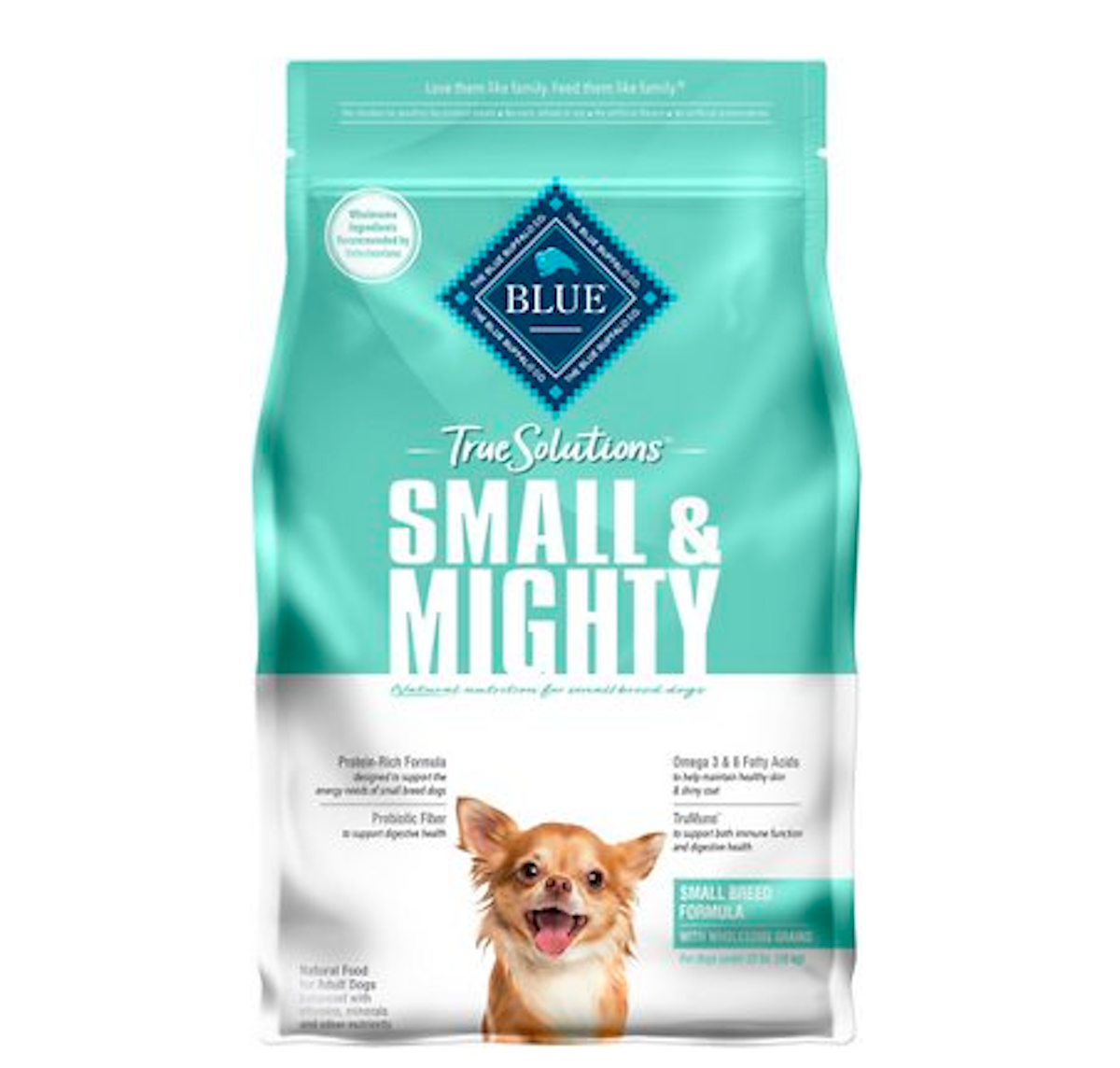
Credit: thebluffsnc.com
Nutritional Needs Of Small Breeds
Small breed dogs have unique nutritional needs. Their bodies burn energy faster than larger dogs. This means their food must be rich in nutrients and calories. Feeding the right food keeps them healthy and active. Understanding their specific needs helps you choose the best dog food.
Calorie Requirements
Small dogs need more calories per pound than big dogs. Their fast metabolism uses energy quickly. Choose food with higher calorie content for small breeds. This supports their energy and keeps their weight steady.
Protein And Fat Ratios
Protein builds muscles and supports growth in small dogs. Fat provides energy and helps absorb vitamins. Look for dog food with balanced protein and fat. Around 22-32% protein and 8-20% fat works well.
Essential Vitamins And Minerals
Vitamins and minerals keep small dogs healthy. Calcium and phosphorus support strong bones and teeth. Vitamins A, E, and B complex improve skin and coat. Ensure the dog food contains these vital nutrients.
Types Of Dog Food Options
Choosing the right food for small breed dogs involves understanding different types available. Each type offers unique benefits and suits different needs. Small dogs have fast metabolisms and specific nutrient demands. Knowing food options helps pick the best for their health and energy.
Dry Kibble Benefits
Dry kibble is easy to store and serve. It helps keep teeth clean by reducing plaque. Kibble comes in small sizes perfect for tiny mouths. It usually costs less than other types. Dry food lasts longer after opening. It offers balanced nutrition with vitamins and minerals. Many brands tailor kibble for small breed needs.
Wet Food Advantages
Wet food has high moisture content which aids hydration. It tends to be more flavorful and soft. This suits picky eaters or dogs with dental issues. Wet food often has fewer preservatives. It can help add variety to a dog’s diet. Many small dogs enjoy the taste and texture. It provides extra water intake, supporting kidney health.
Raw And Homemade Diets
Raw and homemade diets allow full control over ingredients. Fresh meats, vegetables, and grains make up these meals. Some owners prefer this for natural nutrition. It can be tailored to allergies or sensitivities. Preparing food at home requires time and research. Raw diets must follow safety rules to avoid bacteria. These diets may improve coat shine and energy levels.
Ingredients To Look For
Choosing the right ingredients is key to good dog food for small breeds. Small dogs have different needs than big dogs. Their food must support energy and health. Ingredients tell a lot about the quality of the food. Here is what to watch for in dog food labels.
High-quality Protein Sources
Protein is vital for muscle and energy. Look for named meats like chicken, beef, or fish. These provide strong nutrition. Avoid vague terms like “meat by-products.” Real meat helps keep your dog active and healthy.
Whole Grains Vs. Grain-free
Whole grains like brown rice or oats add fiber and nutrients. They help digestion and keep your dog’s weight steady. Grain-free food is good for dogs with allergies. Check your dog’s needs before choosing grain or grain-free options.
Natural Additives And Supplements
Natural additives like vitamins and minerals improve health. Omega-3 fatty acids support skin and coat. Probiotics help digestion and immunity. These extras make food more complete and balanced for small dogs.
Ingredients To Avoid
Choosing the right food for small breed dogs means knowing what ingredients to avoid. Some ingredients can harm your dog’s health or cause allergies. Knowing these helps you pick a better, safer option for your pet.
Artificial Preservatives And Colors
Avoid dog foods with artificial preservatives. These include BHA, BHT, and ethoxyquin. They may cause health problems over time. Artificial colors do not add nutrition. They can trigger allergies and upset stomachs. Natural foods use vitamins like vitamin E to keep fresh.
Excess Fillers And Byproducts
Fillers like corn, wheat, and soy add little nutrition. They can cause allergies or digestive issues. Meat byproducts are low-quality animal parts. They do not provide the best protein for your dog. Look for foods with real meat as the main ingredient.
Harmful Additives
Some additives harm your dog’s health. Avoid artificial sweeteners like xylitol. It is toxic to dogs. Avoid monosodium glutamate (MSG), which can cause headaches and discomfort. Steer clear of excessive salt and sugar. They lead to obesity and other diseases.
Reading Dog Food Labels
Reading dog food labels helps you pick the best food for small breed dogs. Labels show important details about ingredients and nutrients. Learning to read them guides you to choose healthy options. This keeps your dog strong and happy.
Understanding Ingredient Lists
Ingredients are listed by weight, from most to least. Meat or meat meal should be near the top. Avoid foods with too many fillers like corn or wheat. Look for whole foods like chicken, rice, or vegetables. Ingredients tell what your dog will actually eat.
Decoding Guaranteed Analysis
This section shows nutrient percentages in the food. It lists protein, fat, fiber, and moisture. Small breeds need higher protein and fat for energy. Check protein is above 20% and fat above 8%. Fiber should be moderate to support digestion.
Recognizing Marketing Terms
Words like “natural” or “premium” do not always mean better. “Grain-free” is not always healthier for small dogs. Look for clear and honest descriptions instead. Focus on the real ingredients and nutrition facts. Marketing terms can be tricky and confusing.
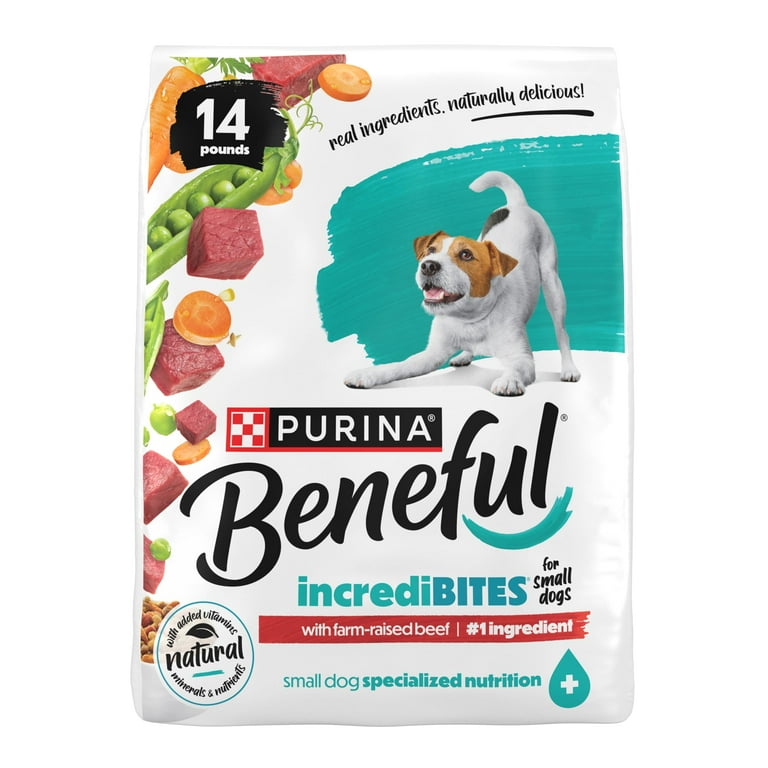
Credit: www.walmart.com
Special Considerations For Small Dogs
Small breed dogs have unique needs that affect their diet. Their size influences how they eat, digest food, and use energy. Choosing the right food means understanding these special needs. This helps keep them healthy and happy.
Teeth And Jaw Size
Small dogs have smaller teeth and jaws. Big kibble can be hard to chew. Food should be bite-sized and easy to eat. Small pieces help prevent choking and dental problems. Soft or crunchy food made for small mouths works best.
Digestive Sensitivities
Many small dogs have sensitive stomachs. Rich or heavy food can cause upset. Choose food with gentle ingredients and balanced nutrients. Limited additives reduce the chance of allergies. Digestive health is key to their well-being.
Energy Levels And Activity
Small breeds burn energy quickly. Their fast metabolism needs nutrient-rich food. High protein and fat support active lifestyles. Calories should match their daily activity. Proper energy helps maintain a healthy weight.
Tips For Transitioning Foods
Changing your small dog’s food needs care and attention. Sudden changes can upset their stomach. A smooth transition keeps your dog happy and healthy. Follow these tips to make the switch easier for your pet.
Gradual Introduction
Start by mixing a small amount of new food with the old food. Increase the new food amount every few days. This slow change helps your dog adjust. It also reduces the chance of stomach problems.
Monitoring Reactions
Watch your dog closely during the switch. Check for any signs of allergies or upset stomach. Look for vomiting, diarrhea, or itching. If you see any problems, slow down the change or stop. Consult a vet if needed.
Adjusting Portions
Adjust food portions to match your dog’s size and activity. Small breeds eat less but need nutrient-rich food. Avoid overfeeding to prevent weight gain. Follow package guidelines and your vet’s advice for best results.

Credit: brownvethospital.com
Consulting Your Veterinarian
Choosing the right dog food for small breed dogs needs care. A veterinarian’s advice makes this easier. They understand your dog’s health better than anyone. Their guidance helps pick food that fits your dog’s needs perfectly.
Health Assessments
Your vet checks your dog’s overall health first. They look at weight, age, and activity level. These details help decide the right food type. A healthy dog needs balanced nutrients to stay active and happy.
Allergy Testing
Some small dogs have food allergies or sensitivities. Your vet can test for these allergies. Knowing what to avoid prevents discomfort or health problems. Allergy testing helps find safe foods that keep your dog well.
Tailored Nutrition Plans
Each dog is different. Your vet can create a food plan just for your dog. This plan fits their lifestyle and health needs. Tailored nutrition supports good digestion and strong immunity. It helps your dog live a long, healthy life.
Frequently Asked Questions
What Nutrients Are Essential For Small Breed Dog Food?
Small breed dogs need high protein, healthy fats, and carbohydrates. Vitamins and minerals like calcium and phosphorus support bone health. Omega-3 fatty acids promote a shiny coat. Balanced nutrition helps maintain energy and overall well-being.
How Much Food Should I Feed My Small Dog Daily?
Feed based on your dog’s weight, age, and activity level. Small breeds usually need 1/4 to 1 cup of food daily. Split meals into two or three servings to aid digestion and prevent overeating.
Can Small Breed Dogs Eat Regular Dog Food?
Regular dog food may lack nutrients tailored for small breeds. Small breed formulas have smaller kibble size and higher calorie density. Choose food designed specifically for small dogs to meet their unique dietary needs.
Why Is Kibble Size Important For Small Dogs?
Small dogs have smaller mouths and teeth. Large kibble is hard to chew and can cause choking. Small kibble size improves chewing, digestion, and nutrient absorption. It also encourages proper eating habits.
Conclusion
Choosing the right food keeps small dogs healthy and happy. Pick food that fits their size and energy needs. Check ingredients for quality protein and essential nutrients. Watch your dog’s reaction to new food carefully. Adjust portions to maintain a healthy weight.
Always provide fresh water alongside meals. Regular vet visits help track your dog’s health. Good nutrition supports a long, active life. Small breed dogs deserve food made just for them. Careful choices make a big difference every day.

