

Are you worried that your dog might be carrying a few extra pounds? Finding the right food for your furry friend can be confusing and overwhelming.
You want to help your dog lose weight safely, but not all dog foods are created equal. What if the key to your dog’s health and happiness lies in the food bowl? Keep reading, because we’re about to reveal exactly what dog food is best for weight loss—and how it can make a real difference for your pet’s energy, mood, and long-term health.
Don’t let extra weight hold your dog back any longer.
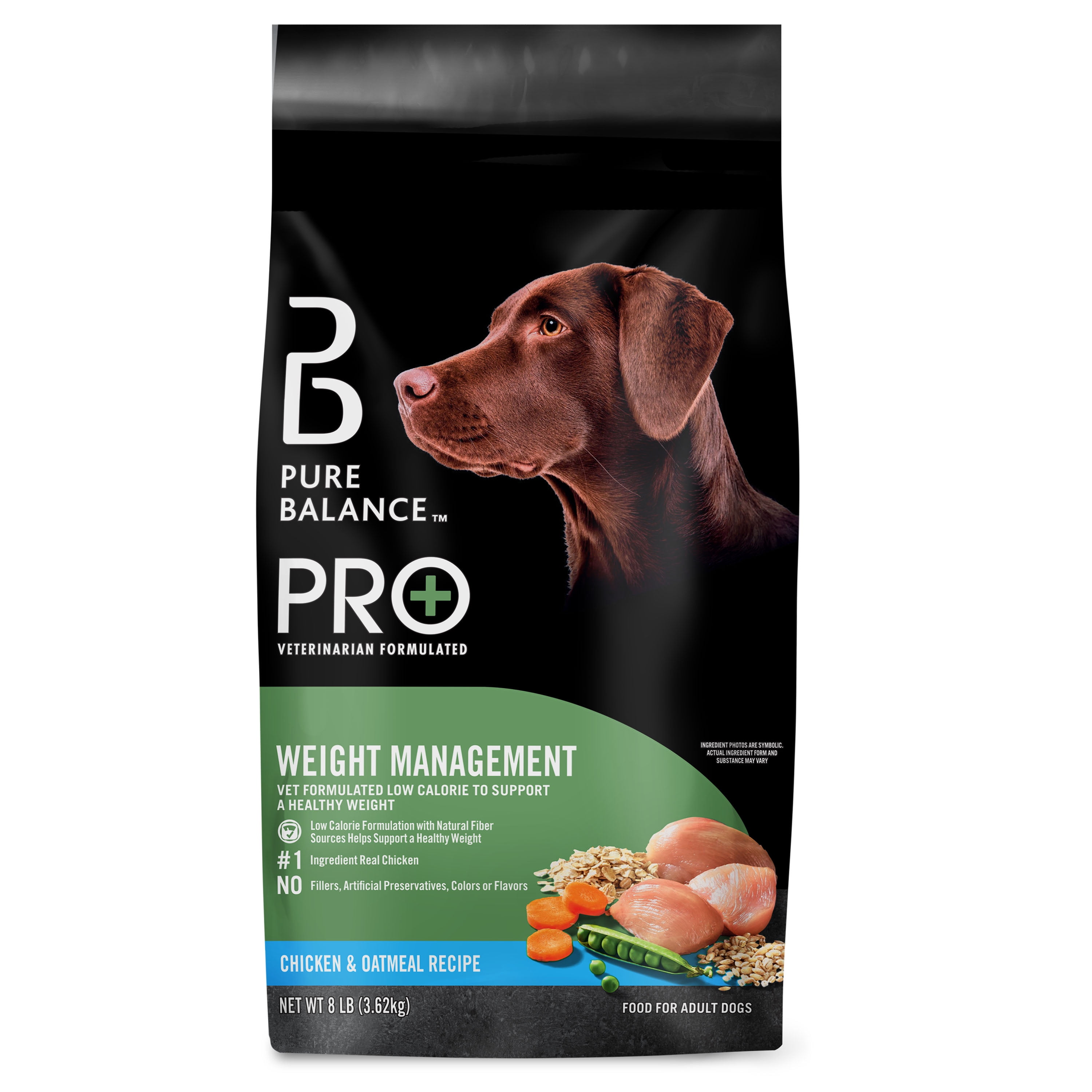
Credit: www.walmart.com
Factors Affecting Canine Weight
Understanding what affects your dog’s weight helps in choosing the right food. Many factors play a role in weight gain or loss. Knowing these helps you support your dog’s health better.
Common Causes Of Weight Gain
Overfeeding is a top reason dogs gain weight. Treats and table scraps add extra calories. Lack of exercise also leads to weight gain. Health problems like hypothyroidism can cause weight issues too.
Breed And Metabolism
Some breeds gain weight easier than others. Smaller breeds often have faster metabolisms. Larger breeds may gain weight more quickly. Metabolism varies from dog to dog. Knowing your dog’s breed helps manage its diet.
Activity Levels
Active dogs burn more calories daily. Less active dogs need fewer calories. Puppies and working dogs require more energy. Older or sedentary dogs need less food. Matching food to activity helps maintain weight.
Key Nutrients For Weight Loss
Choosing the right dog food for weight loss means focusing on key nutrients. These nutrients support fat loss and help keep your dog healthy. They also keep your dog full and satisfied during the diet. Here are the most important nutrients for weight loss in dog food.
Protein Sources
Protein is vital for weight loss in dogs. It helps maintain muscle while burning fat. Good protein sources include chicken, turkey, fish, and lean beef. These proteins are easy to digest and low in fat. High protein keeps dogs feeling full longer. This reduces the chance of overeating.
Fiber Importance
Fiber helps dogs feel full without adding many calories. It slows digestion and controls blood sugar levels. Sources like pumpkin, sweet potato, and beet pulp are great for fiber. Fiber supports healthy digestion and regular bowel movements. It helps dogs avoid hunger between meals.
Healthy Fats
Healthy fats provide energy and support skin and coat health. Omega-3 and omega-6 fats are the best types. Fish oil and flaxseed are common sources of these fats. Healthy fats also reduce inflammation and support the immune system. They help dogs stay active and comfortable while losing weight.
Types Of Weight Loss Dog Foods
Choosing the right dog food for weight loss helps your pet shed pounds safely. Different types of weight loss dog foods offer unique benefits. Each type targets specific needs to support healthy weight management. Understanding these options helps you pick the best food for your dog’s diet and lifestyle.
Low-calorie Formulas
Low-calorie dog foods reduce daily calorie intake. These formulas contain fewer fats and carbohydrates. They help dogs lose weight without feeling hungry. Ingredients focus on fiber to keep dogs full longer. This type suits dogs needing gradual, steady weight loss.
High-protein Diets
High-protein diets support muscle maintenance during weight loss. Protein helps dogs feel satisfied after meals. These foods use lean meats and fish as main ingredients. They boost metabolism and improve energy levels. Ideal for active dogs needing fat loss and muscle strength.
Grain-free Options
Grain-free weight loss foods avoid wheat, corn, and soy. These diets reduce calories and allergies for sensitive dogs. They use vegetables and alternative carbs like sweet potatoes. Grain-free options can improve digestion and weight control. Good for dogs with food sensitivities or allergies.
Top Dog Food Brands For Weight Loss
Choosing the right dog food is key to helping your pet lose weight safely. Many brands offer formulas designed to support weight loss. These foods often have fewer calories and more fiber. They help dogs feel full without overeating. Quality ingredients also keep dogs healthy during weight loss.
Here are some top dog food brands that focus on weight management. They fit different budgets and needs. Each brand has options that can support your dog’s weight goals.
Premium Choices
Premium brands offer high-quality ingredients and balanced nutrition. They use lean proteins and natural fibers to aid weight loss. These foods often avoid fillers and artificial additives. Examples include brands like Orijen and Blue Buffalo. They provide good energy levels without extra calories. Many pet owners trust these brands for their dog’s health.
Budget-friendly Options
Affordable dog foods can also support weight loss. These brands focus on essential nutrients at a lower price. Look for formulas labeled “light” or “weight management.” Brands like Hill’s Science Diet and Purina Pro Plan offer good choices. They help control calories while keeping your dog satisfied. Budget options make weight control accessible to more families.
Veterinary Recommended
Veterinarians often suggest specific diets for weight loss. Prescription dog foods have controlled calorie content and added nutrients. These foods help manage weight safely under vet supervision. Brands like Royal Canin and Hill’s Prescription Diet are common. They support health issues linked to obesity. Always consult your vet before starting prescription food.
Tips For Transitioning To Weight Loss Food
Changing your dog’s food to a weight loss formula needs care. Sudden changes can upset your dog’s stomach. This guide helps you switch smoothly. It ensures your dog adapts well to the new diet.
Gradual Switching Process
Start by mixing a small amount of the new food with the old. Increase the new food gradually over 7 to 10 days. This helps your dog’s digestive system adjust. Watch for any signs of discomfort or refusal to eat.
Monitoring Your Dog’s Reaction
Observe your dog’s behavior and health each day. Check for diarrhea, vomiting, or lack of appetite. Note energy levels and mood changes too. Contact your vet if you see serious problems.
Adjusting Portion Sizes
Follow the feeding guidelines on the weight loss food package. Adjust portion sizes based on your dog’s weight and activity. Do not overfeed; stick to recommended amounts. Small, frequent meals can help manage hunger and energy.
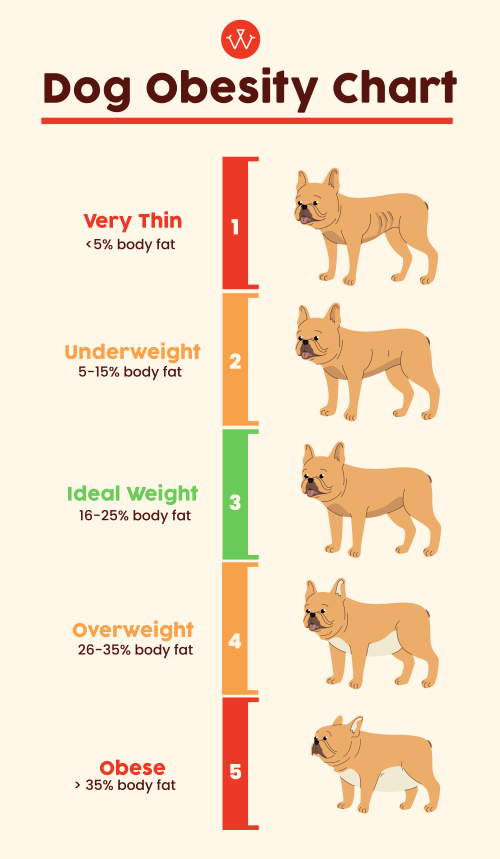
Credit: www.forummagazine.org
Additional Weight Management Strategies
Helping your dog lose weight needs more than just the right food. Other habits can support healthy weight loss. These habits keep your dog active and control calorie intake. They help maintain steady progress and improve overall health.
Regular Exercise Routines
Exercise helps burn calories and build muscle. Walking your dog every day is a good start. Play fetch or run in the yard for fun activity. Keep exercise consistent but not too hard. This keeps your dog motivated and safe.
Healthy Treat Alternatives
Treats often add extra calories without much nutrition. Swap regular treats for low-calorie options. Try small pieces of carrots or green beans. These snacks satisfy your dog’s taste without weight gain. Use treats only for training or good behavior.
Scheduled Feeding Times
Feeding your dog at set times controls food intake. Avoid free-feeding or leaving food out all day. Scheduled meals prevent overeating and help digestion. Measure food portions carefully at each meal. This routine helps your dog learn hunger cues and stay fit.
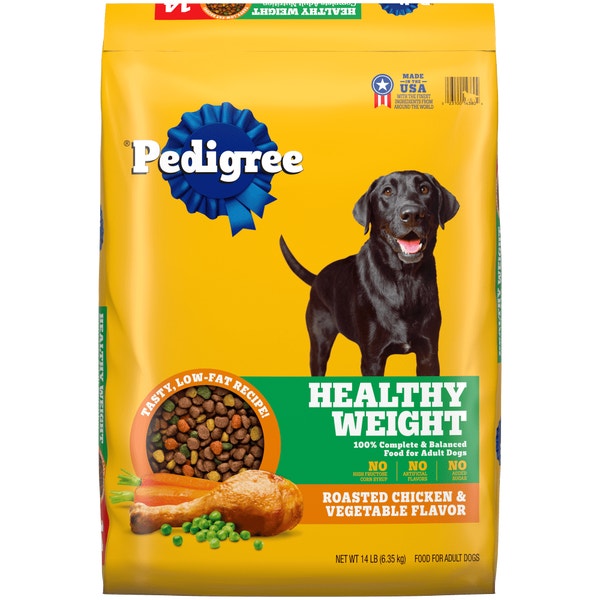
Credit: www.pedigree.com
Frequently Asked Questions
What Ingredients Help Dogs Lose Weight Effectively?
High protein and low fat ingredients support weight loss. Fiber-rich components improve digestion and increase fullness. Avoid fillers like corn and soy. Look for natural, wholesome ingredients for best results.
How To Choose The Best Dog Food For Weight Loss?
Select dog food labeled for weight management. Check calorie content and portion size guidelines. Prefer formulas with lean proteins and fiber. Consult your vet for personalized recommendations.
Can Grain-free Dog Food Aid In Weight Loss?
Grain-free dog food may help dogs with allergies but isn’t essential for weight loss. Focus on calorie control and nutrient balance instead. Always review ingredient quality and consult your vet.
How Much Dog Food Should I Feed For Weight Loss?
Feed based on your dog’s ideal weight, not current weight. Follow package guidelines and vet advice. Divide meals into smaller portions to avoid overeating. Monitor weight regularly and adjust portions as needed.
Conclusion
Choosing the right dog food helps control your pet’s weight safely. Focus on foods with balanced nutrients and fewer calories. Regular feeding schedules support healthy weight loss. Always watch your dog’s progress and adjust portions as needed. Consult your vet to pick the best diet plan.
Healthy weight means a happier, longer life for your dog. Small changes can make a big difference over time. Stay patient and consistent for the best results. Your dog’s health is worth the effort.

