

Have you ever noticed your dog trailing behind you from room to room, never wanting to be out of sight? You might wonder, “Why does my dog follow me everywhere?” It’s more than just a cute habit.
Your furry friend’s constant company says a lot about how they feel about you and their world around them. Understanding this behavior can deepen the bond you share and help you meet your dog’s needs better. Keep reading to discover the surprising reasons behind this loyal habit and what it means for your relationship.
Common Reasons Dogs Follow Owners
Dogs follow their owners for many reasons. It is normal for dogs to stay close to people they trust. This behavior shows the bond between a dog and its owner. Understanding why your dog follows you helps improve your relationship. Here are common reasons dogs stick close to their owners.
Seeking Attention And Affection
Dogs want to feel loved and noticed. Following you is a way to get attention. They may want to play or be petted. Sometimes, they just want to be near you. This closeness makes them feel happy and secure.
Feeling Anxious Or Insecure
Some dogs feel nervous when alone. They follow owners to feel safe. Being near you lowers their stress and fear. This is common in shy or new dogs. Your presence comforts them and calms their mind.
Natural Pack Behavior
Dogs come from pack animals. They like to stay with their group. You are part of their pack. Following you is natural and protective. It helps them stay connected and alert.
Curiosity And Interest
Dogs are curious about your actions. They want to know what you do next. Following you satisfies their interest and keeps them busy. It also helps them learn from you. This keeps their mind active and engaged.
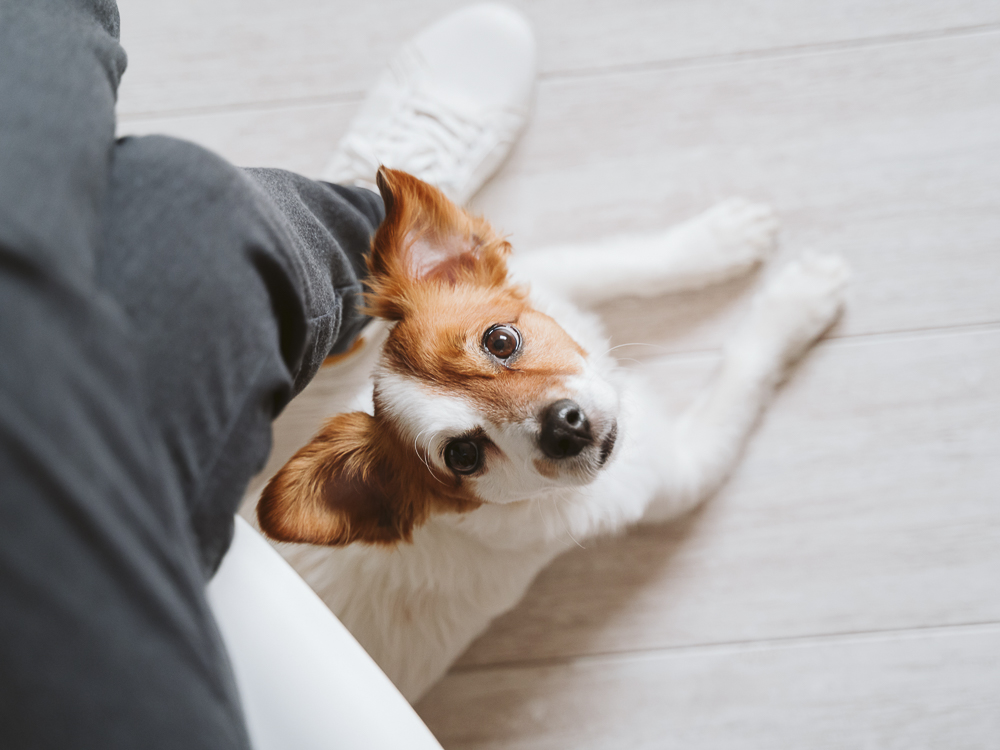
Emotional Bonds And Loyalty
Dogs are known for their strong emotional bonds and loyalty to their owners. These feelings explain why your dog follows you everywhere. Their connection goes beyond simple companionship. It reflects deep trust and love that dogs naturally develop for their humans.
Understanding these emotional ties helps you see your dog’s behavior in a new light. It shows how much your presence means to them. The loyalty dogs show is part of their nature and their way of staying close to those they care about.
Attachment To Their Human
Dogs form close attachments to their owners, much like children do with parents. This bond makes them feel safe and secure. Following you around is their way of staying connected and reassured. They want to be near the person who cares for them the most.
Protective Instincts
Dogs have natural protective instincts toward their family. Staying close to you allows them to watch for danger. They feel responsible for keeping you safe. This behavior comes from their instinct to guard and protect loved ones.
Signs Of Trust And Love
Your dog following you is a clear sign of trust. It shows they feel comfortable and happy by your side. This loyalty is a way to express love. Dogs want to be near those they trust and care about deeply.
Health And Well-being Signals
Dogs use their behavior to tell us about their health and feelings. Following you can be a sign they need help or care. Watching your dog closely helps you see these signals. Understanding these signs keeps your dog safe and happy.
Detecting Illness Or Discomfort
Dogs often follow you when they feel sick or hurt. They want comfort and attention from you. Sudden changes in their behavior may show pain. Close contact helps them feel safe. Your dog may need a visit to the vet.
Needing Exercise Or Stimulation
Sometimes dogs follow because they feel bored. They want to play or go outside. Exercise keeps them healthy and calm. Following you can be a way to ask for activity. Regular walks and games improve their mood.
Hunger Or Thirst Cues
Dogs may follow you when they feel hungry or thirsty. They learn where food and water come from. This behavior reminds you to feed or give water. Watch their daily eating and drinking habits. Keeping their needs met supports good health.
Behavioral Factors
Dogs follow their owners for many reasons. Behavioral factors play a big role. These actions come from how dogs learn and feel. Understanding these helps explain why your dog stays close.
Learned Habits And Reinforcement
Dogs learn by watching and repeating. If following you gets attention, they will do it more. Praise or petting makes them happy. Over time, this becomes a habit. They expect a reward for staying near.
Separation Anxiety Effects
Some dogs feel worried when alone. They follow you to feel safe and calm. This shows their need for comfort. Separation anxiety can make them clingy. They stay close to reduce stress.
Impact Of Training And Routine
Training shapes dog behavior every day. Consistent routines help dogs know what to expect. Dogs follow owners who lead with clear rules. Good training builds trust and respect. This keeps dogs near and attentive.
When Following Indicates A Problem
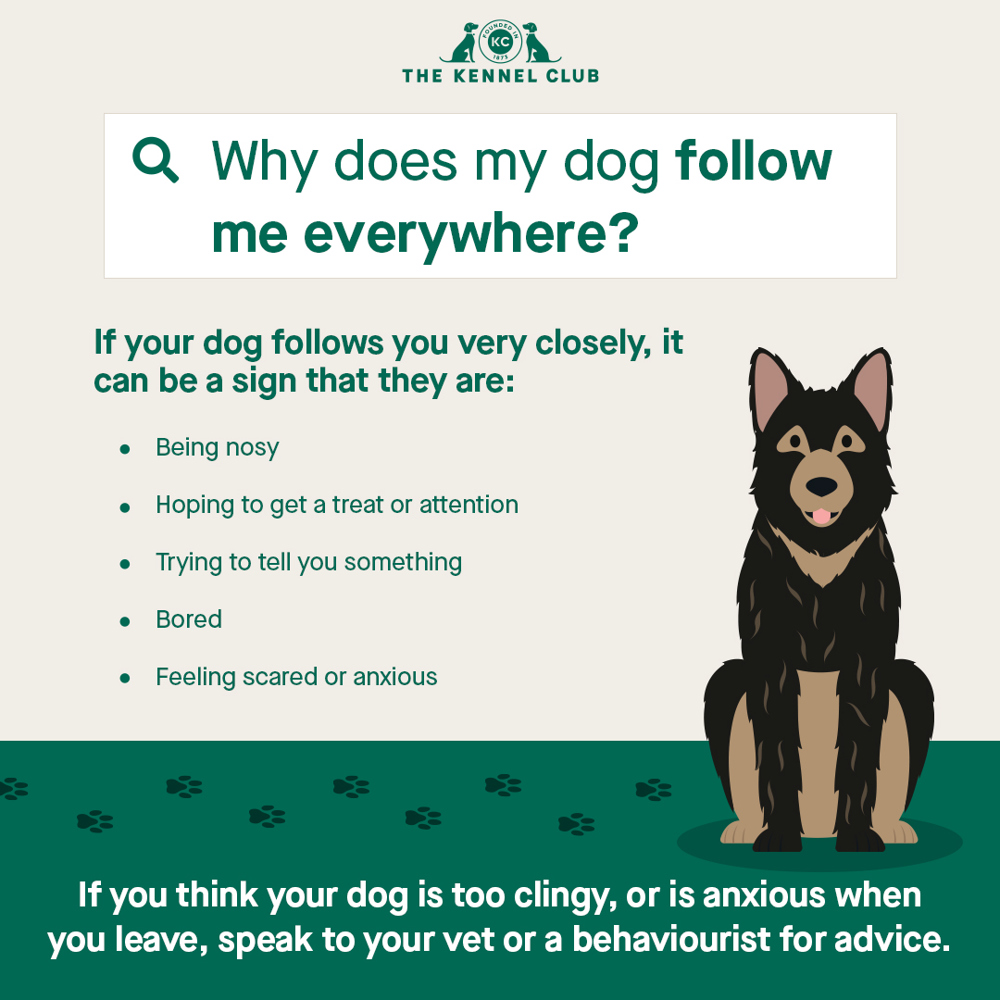
Dogs often follow their owners out of love and curiosity. Yet, constant following can sometimes signal a problem. Understanding these signs can help keep your dog happy and healthy. Watch for changes in behavior that may show stress or anxiety. Addressing these issues early makes a big difference.
Signs Of Excessive Clinginess
Does your dog follow you nonstop, even in the bathroom? Clinginess can mean your dog feels insecure or scared. Excessive whining or barking when left alone is another sign. Your dog may seem restless or unable to relax. These behaviors show your dog needs more comfort or training.
Managing Anxiety-driven Behavior
Calm your dog with a regular routine and plenty of exercise. Creating a safe space helps your dog feel secure. Avoid sudden changes in your schedule or environment. Use gentle praise when your dog stays calm alone. Patience and consistency reduce anxiety over time.
Seeking Professional Help
Sometimes, anxiety is too strong for home care. A vet or animal behaviorist can offer advice or treatment. They might suggest training or medication to ease stress. Early help prevents worsening behavior and improves your dog’s life. Don’t hesitate to ask for expert support.
Tips To Encourage Healthy Independence
Encouraging your dog to be independent helps build their confidence. It also reduces anxiety and clingy behavior. Teaching your dog to enjoy alone time makes life easier for both of you. Use simple steps to guide your dog toward healthy independence.
Start by giving your dog activities that keep their mind and body busy. This helps them feel tired and relaxed. Next, create clear spaces where your dog can rest alone. Use positive rewards to make independence feel good and safe.
Providing Mental And Physical Stimulation
Dogs need daily exercise to stay healthy and calm. Walks, playtime, and training sessions help use their energy well. Puzzle toys and treat games challenge their brains. A tired dog is less likely to follow you everywhere.
Establishing Boundaries And Space
Set specific spots where your dog can rest alone. Use a bed or crate in a quiet corner. Teach your dog to stay in these areas for short times. Respect their space and avoid interrupting. Boundaries help dogs learn to be alone comfortably.
Positive Reinforcement Techniques
Reward your dog for calm and independent behavior. Use treats, praise, or gentle pets when they stay alone. Avoid punishment or scolding for following you. Positive rewards teach your dog that alone time is safe and good.
Frequently Asked Questions
Why Does My Dog Follow Me Everywhere At Home?
Dogs follow their owners for companionship, security, and affection. It shows they trust and feel safe around you. Your presence comforts them and reduces anxiety. This behavior strengthens the bond between you and your pet. It’s a natural way dogs express loyalty and love.
Is It Normal For Dogs To Follow Owners Constantly?
Yes, it is normal for dogs to follow their owners. This behavior stems from their pack instincts and need for social connection. Following you helps them feel included and secure. However, excessive following may indicate separation anxiety or boredom, which might require attention.
Can My Dog’s Following Mean Separation Anxiety?
Yes, constant following can be a sign of separation anxiety. Dogs with this issue fear being alone and seek constant reassurance. They may exhibit stress when separated. If your dog shows distress when apart, consider training or consulting a veterinarian for help.
How Can I Reduce My Dog’s Constant Following Behavior?
Provide regular mental and physical stimulation to reduce following. Encourage independent play and reward calm, alone behavior. Gradually increase time apart to build confidence. Consistent training and patience help your dog feel secure without needing constant company.
Conclusion
Dogs follow their owners because they feel safe and loved. They want to stay close and be part of your life. This behavior shows trust and friendship. Sometimes, dogs follow you to learn or get attention. Understanding this helps build a stronger bond.
Enjoy these moments; your dog’s loyalty is special. Keep giving them love and care every day. This simple habit means your dog feels happy and secure with you.

