

Have you ever wondered if your dog is drinking enough water each day? Just like you, your furry friend needs the right amount of water to stay healthy and full of energy.
But how much water should your dog really drink daily? Getting this right can make a big difference in your dog’s well-being, from preventing health problems to keeping their coat shiny and skin hydrated. Keep reading, because understanding your dog’s water needs is easier than you think—and it could change the way you care for your best friend.
Daily Water Needs For Dogs
Dogs need water every day to stay healthy and active. Water helps their bodies work properly. It keeps their skin, fur, and joints in good condition. The amount of water a dog needs can change based on many things.
Factors Influencing Water Intake
Weather plays a big role. Dogs drink more water when it is hot outside. Exercise also increases water needs. Active dogs lose water through panting and sweat. Food type matters too. Wet dog food has water, so dogs may drink less. Dry food means dogs usually drink more water.
Water Intake By Size And Breed
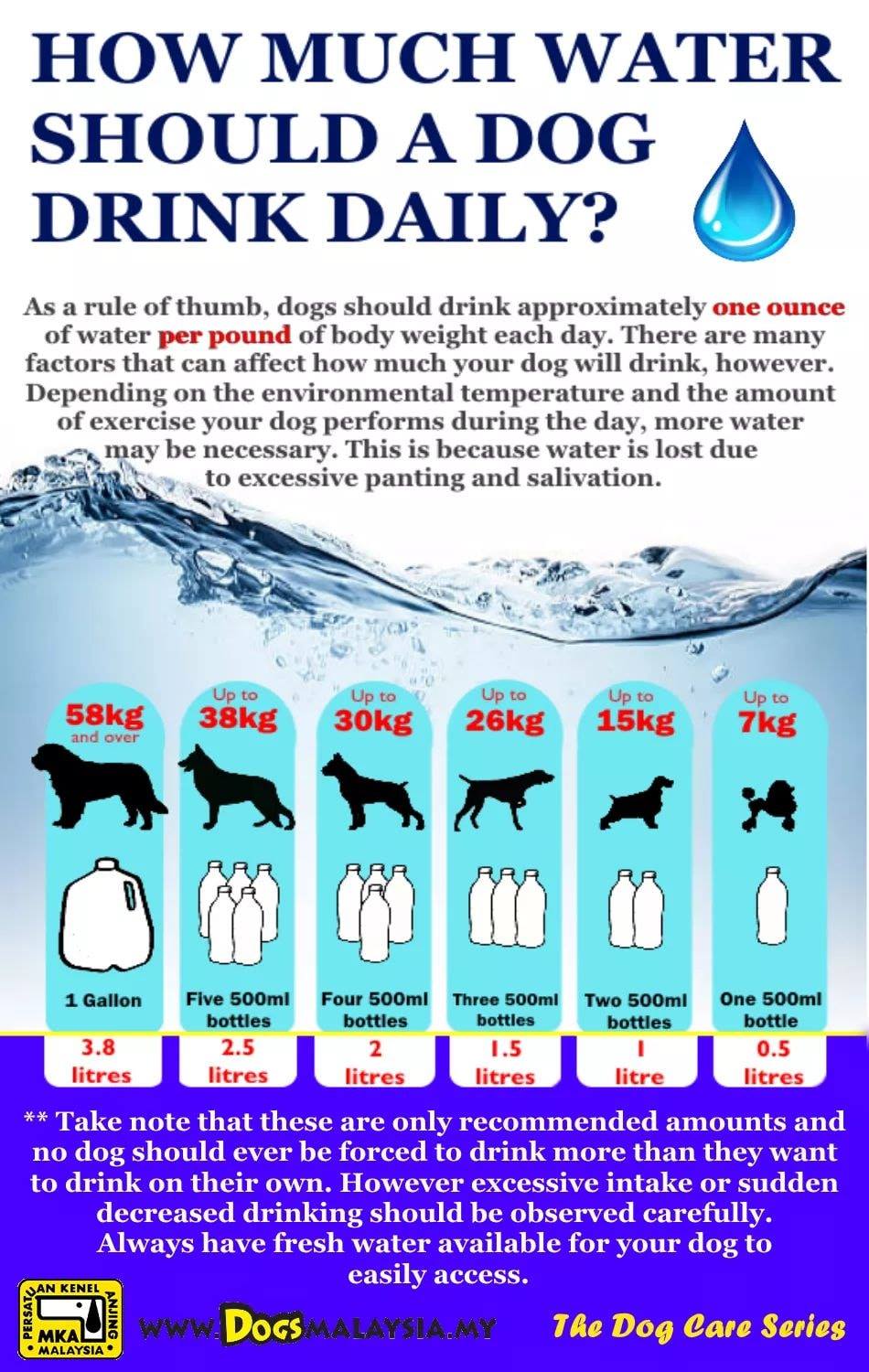
Small dogs need less water than large dogs. Bigger dogs have larger bodies to keep hydrated. Some breeds are more active and need more water. Working breeds like Huskies or Retrievers drink more. Smaller breeds like Chihuahuas need less water daily.
Effects Of Age And Health
Young puppies drink more water for growth. Older dogs might drink less due to lower activity. Health conditions like kidney problems or diabetes change water needs. Sick dogs may need more or less water. Always watch a dog’s drinking habits for changes.

Signs Of Proper Hydration
Knowing if your dog drinks enough water is key to keeping them healthy. Signs of proper hydration help you see if your dog stays well-hydrated. These signs include how often and what color their urine is, physical clues on their body, and changes in their behavior. Watching for these signs can help you care for your dog better.
Normal Urine Color And Frequency
Check your dog’s urine color to see hydration levels. Light yellow or clear urine usually means good hydration. Dark yellow or strong smell can mean your dog needs more water. Also, note how often your dog urinates. Most dogs pee three to five times a day. Less or more than usual can signal hydration issues.
Physical Indicators Of Hydration
Look at your dog’s skin and gums for hydration signs. Gently pinch the skin on their neck or back. It should snap back quickly. Slow return means your dog may be dehydrated. Healthy gums look moist and pink. Dry or sticky gums show your dog might need water.
Behavioral Clues
Hydration affects your dog’s energy and mood. A well-hydrated dog acts lively and alert. Tiredness or unusual irritability can hint at dehydration. Drinking water often and not refusing it is a good sign. If your dog avoids water, watch for other signs of dehydration.
Risks Of Dehydration
Dehydration in dogs is a serious health risk. It happens when dogs lose more water than they take in. Water is vital for all body functions. Lack of water disrupts these functions quickly. Dogs cannot survive long without enough water. Knowing the risks helps you protect your pet.
Common Causes
Heat exposure is a top cause of dehydration. Dogs pant to cool down, losing water fast. Lack of fresh water limits their intake. Illnesses like vomiting and diarrhea cause water loss. Older dogs or those with health problems are more at risk. Strenuous exercise without water breaks also leads to dehydration.
Symptoms To Watch For
Watch for dry gums and thick saliva. Sunken eyes often signal dehydration. Lethargy and weakness show the dog is unwell. Loss of skin elasticity is a clear sign. Excessive panting or rapid heartbeat can appear. If your dog shows these signs, act fast.
Health Consequences
Severe dehydration can cause organ failure. The kidneys suffer without enough water. Blood thickens, making circulation harder. Brain function may decline, causing confusion or collapse. Without treatment, dehydration can be fatal. Early care prevents serious damage.
Boosting Your Dog’s Water Intake
Keeping your dog well-hydrated is key to their health and happiness. Dogs need enough water every day to stay active and avoid health problems. Sometimes dogs don’t drink enough on their own. You can help by boosting their water intake with easy, smart ways. These small steps make a big difference in your dog’s hydration.
Encouraging Drinking Habits
Make water easy to find. Place bowls in quiet, cool spots. Change the water daily to keep it fresh. Praise your dog when they drink. Try offering water after walks or playtime. Use a calm voice to invite your dog to drink. Avoid forcing; patience works better. Some dogs prefer running water from a tap or fountain.
Hydrating Foods And Treats
Feed your dog foods with high water content. Fresh fruits like watermelon and cucumber are safe and tasty. Wet dog food also adds moisture to their diet. Ice cubes can serve as fun, cold treats. Avoid salty or sugary snacks that dehydrate. These foods help increase water intake naturally.
Using Water Bowls And Fountains
Choose bowls made of stainless steel or ceramic. These materials keep water cooler and cleaner. Avoid plastic bowls that hold bacteria and cause smells. Water fountains attract dogs with moving water. They filter water to keep it fresh longer. Place fountains where your dog spends most time. Keep all water sources clean for better drinking habits.
Special Hydration Needs
Dogs need water every day to stay healthy. But some dogs need more water than others. Their special needs change how much water they should drink. Knowing these needs helps keep dogs safe and happy.
Exercise, weather, and health can change a dog’s water needs. Watch your dog closely to make sure they drink enough.
Hydration During Exercise
Dogs lose water when they run or play a lot. They need extra water to replace this loss. Offer water breaks often during exercise. Carry water on long walks or hikes. Without enough water, dogs can get tired or sick.
Hot Weather Considerations
Heat makes dogs sweat through their paws and breathe faster. They need more water to cool down. Keep fresh water available all day in warm weather. Avoid leaving dogs in hot places without water. Heatstroke can be very dangerous for dogs.
Hydrating Sick Or Elderly Dogs
Sick dogs may lose water from vomiting or diarrhea. They need more water to stay hydrated. Offer small amounts of water often. Older dogs might drink less, so watch them closely. Use wet food to add extra moisture if needed.
Monitoring And Adjusting Water Intake
Keeping an eye on your dog’s water intake is important. Water needs can change daily. Monitoring helps catch any problems early. It ensures your dog stays healthy and hydrated.
Tracking Daily Consumption
Measure how much water your dog drinks every day. Use a container with markings or a measuring cup. Write down the amount to notice patterns. Changes in drinking habits might signal health issues.
When To Consult A Vet
Seek help if your dog drinks too much or too little. Sudden changes in water intake can mean illness. Other signs include lethargy, vomiting, or weight loss. A vet can diagnose and treat underlying problems.
Adjusting For Lifestyle Changes
Increase water during hot weather or after exercise. Puppies and pregnant dogs usually need more water too. Adjust water amounts slowly to avoid stomach upset. Always provide fresh, clean water within reach.
Frequently Asked Questions
How Much Water Does A Dog Need Daily?
A dog typically needs about 1 ounce of water per pound of body weight daily. This varies by activity, age, and weather. Always provide fresh water and monitor intake to keep your dog healthy and hydrated.
Can Dogs Drink Too Much Water?
Yes, dogs can drink too much water, leading to water intoxication. This condition dilutes blood sodium levels and can be dangerous. Watch for excessive thirst and consult a vet if concerned.
Does Dog Size Affect Water Needs?
Yes, larger dogs require more water than smaller dogs. Water needs increase with size, activity, and diet. Adjust water availability accordingly to ensure proper hydration for your dog’s health.
How Does Diet Influence A Dog’s Water Intake?
Wet food contains more moisture, reducing a dog’s water needs. Dry food requires dogs to drink more water. Always adjust water availability based on your dog’s diet for optimal hydration.
Conclusion
Dogs need enough water to stay healthy and happy. Water helps their body work well every day. Different dogs drink different amounts based on size, activity, and weather. Watch your dog’s habits and offer fresh water often. Signs of dehydration need quick attention.
Keeping your dog hydrated supports energy, digestion, and overall health. Simple care like this keeps your pet feeling good. Remember, water is a basic need for your furry friend. Stay aware and help your dog drink enough daily.

