

Are you tired of spending your free time pushing a vacuum around? Imagine a device that not only cleans your floors but also learns your home’s layout, avoids obstacles effortlessly, and even improves its performance over time.
Robot vacuums have come a long way, and new technologies are making them smarter and more efficient than ever before. If you want to discover the latest features that can make your cleaning routine easier and your home fresher, keep reading.
This article will reveal the exciting innovations transforming robot vacuums right now—technology designed to work for you, not the other way around.
Advanced Navigation Systems
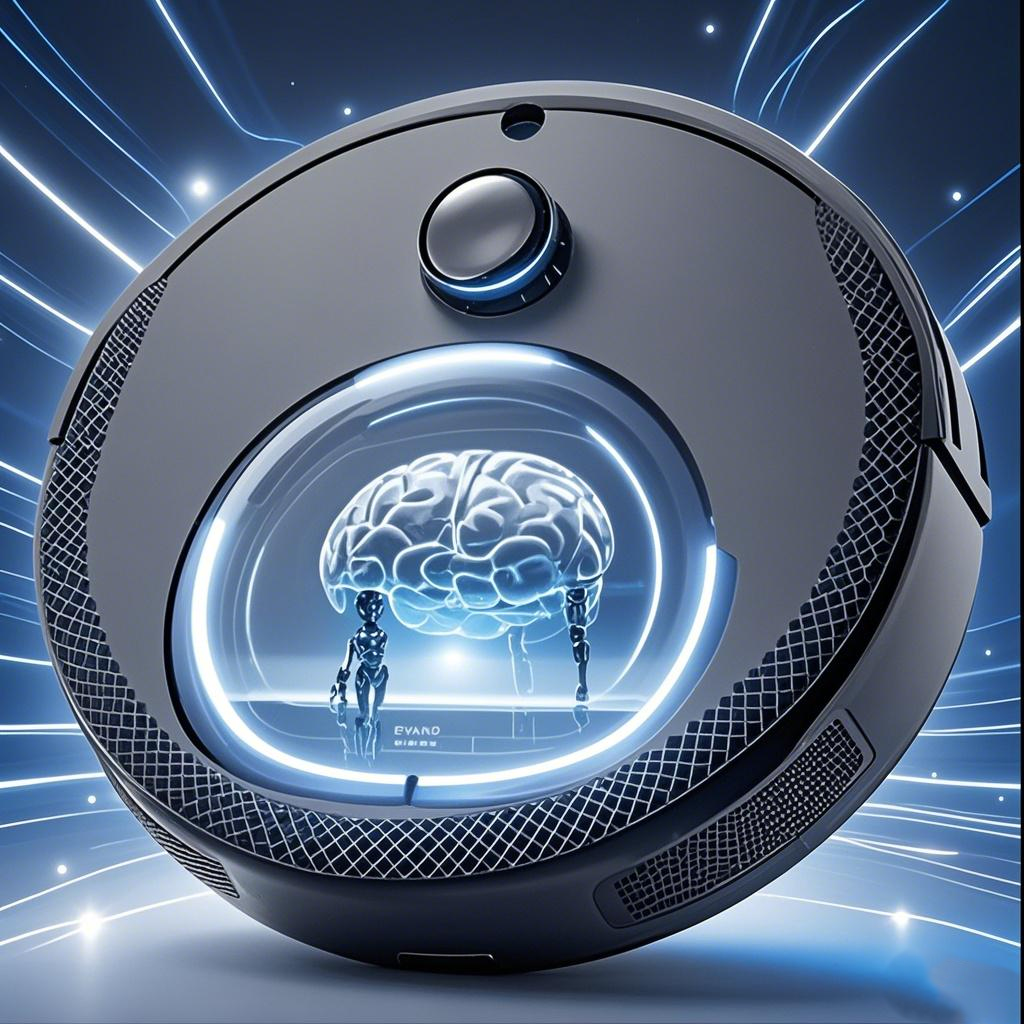
Advanced navigation systems are making robot vacuums smarter and more efficient. These systems help robots understand their environment better. They guide the vacuum to clean more thoroughly and avoid obstacles. The latest technologies improve mapping, path planning, and obstacle detection. This results in a smoother cleaning experience and less missed spots.
Lidar And Mapping Enhancements
Lidar technology uses lasers to scan rooms quickly. It creates detailed maps so the robot knows where to go. Newer models have better lidar sensors with higher accuracy. This means the vacuum can clean complex spaces without getting lost. It also remembers furniture and walls to avoid bumping into them.
Ai-powered Path Planning
Artificial intelligence helps the robot plan its cleaning route. The AI studies the room layout and decides the best path. It avoids repeating areas or missing spots. This smart planning saves battery life and cleaning time. Some robots learn from past sessions to improve future cleaning.
Obstacle Detection Improvements
Obstacle detection keeps the vacuum from hitting objects. New sensors detect small and low-lying items more easily. The robot slows down or changes direction to avoid collisions. It can also recognize pets and cables to prevent accidents. These upgrades protect your furniture and the vacuum itself.
Improved Cleaning Technologies
Robot vacuums keep getting better with new cleaning technologies. These improvements help them clean homes more deeply and efficiently. The focus is on adapting to different floors, boosting suction power, and making maintenance easier. These features make cleaning less of a chore.
Multi-surface Adaptation
New robot vacuums adjust their cleaning style based on the floor type. They detect carpets, hardwood, or tiles and change settings automatically. This helps the vacuum clean each surface properly without damaging it. Sensors guide the vacuum to use the right brush speed and suction power.
Stronger Suction And Brush Designs
Manufacturers improve suction to pick up more dirt and dust. Brushes now have better designs to reach corners and edges. Some models have rubber or silicone brushes that avoid tangling with hair. These upgrades help vacuums clean thoroughly on all floor types.
Self-cleaning Features
Self-cleaning helps vacuums clear their brushes and dustbins automatically. This reduces the need for frequent manual cleaning. Some vacuums can empty their dustbins into a larger container at their base. These features save time and keep the vacuum working at full power.
Smart Home Integration
Smart home integration is a key feature in new robot vacuums. It allows these devices to connect with other smart gadgets in the house. This connection makes cleaning easier and more efficient. Users can control the vacuum with simple commands or apps. The vacuum fits better into daily life and home routines.
Voice Assistant Compatibility
Robot vacuums now work with popular voice assistants. You can start or stop cleaning using voice commands. Alexa, Google Assistant, and Siri are common examples. This hands-free control saves time and effort. It is helpful when your hands are busy or dirty.
App Control And Customization
Most robot vacuums come with their own apps. These apps let users schedule cleanings and set cleaning zones. You can also check the vacuum’s status in real time. Apps provide easy access to updates and settings. Custom options help match cleaning to your needs.
Interconnectivity With Other Devices
Robot vacuums can link with other smart home devices. For example, they can pause when smart doorbells ring. Integration with smart lights and sensors improves cleaning safety. This teamwork creates a smarter, more responsive home. It helps the vacuum work smoothly without interruptions.
Battery And Charging Innovations
Robot vacuums rely on batteries to work without cords. New battery and charging technologies help these devices clean longer and charge faster. These improvements make robot vacuums more efficient and easier to use. Users get more cleaning time and less waiting time.
Longer Battery Life
Robot vacuums now use better batteries. These batteries hold more power for a longer time. This lets the vacuum clean bigger rooms without stopping. Longer battery life means fewer breaks during cleaning. You can trust your robot to finish its job in one go.
Fast Charging Solutions
Charging speed is important for robot vacuums. New fast charging technology reduces charging time. Vacuums can reach full power in less time. This means less waiting before the next cleaning session. Fast charging helps keep your home clean every day.
Automatic Recharge And Resume
Many robot vacuums now recharge themselves automatically. When the battery runs low, they return to the dock. After charging, they start cleaning where they stopped. This feature saves time and effort. The robot finishes the job without needing help.
Enhanced Safety Features
Robot vacuums now include advanced safety features. These features protect your home, pets, and family while cleaning. They help prevent accidents and ensure a smooth cleaning process.
Cliff And Edge Sensors
Cliff and edge sensors stop robot vacuums from falling down stairs. These sensors detect sudden drops and change the vacuum’s path. They keep the vacuum safe and prevent damage to both the device and your home.
Child And Pet Safety
New robot vacuums include safety modes for children and pets. They avoid small toys, pet bowls, and sleeping pets. Some models even pause when pets come close, reducing noise and disturbance.
Allergen And Dust Management
Advanced filters trap dust, pollen, and pet hair inside the vacuum. This reduces allergens in your home. Some vacuums use sealed systems to stop dust from escaping back into the air.
Future Trends In Robot Vacuums
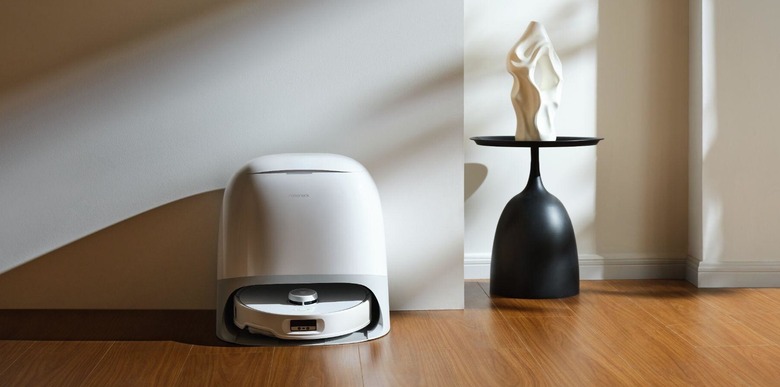
Robot vacuums are becoming smarter and more useful. New trends are shaping their future. These changes help them clean better and fit into homes easily. Technology is making robot vacuums more efficient and user-friendly. Below are key future trends in this field.
Robotics And Ai Advancements
Robot vacuums now use better sensors and cameras. They map rooms more accurately. Artificial intelligence helps them avoid obstacles and plan cleaning paths. These vacuums learn from their environment. They improve cleaning with each use. AI also helps them recognize different floor types. This leads to better cleaning performance.
Modular And Upgradable Designs
Future robot vacuums will have parts you can replace easily. Batteries, brushes, and sensors become upgradeable. This means longer device life and better value. You can add new features without buying a new vacuum. Modular design also lowers waste and saves money.
Eco-friendly Technologies
Eco-friendly trends are growing in robot vacuums. Manufacturers focus on energy-saving modes. Some models use recyclable materials. Efficient motors reduce electricity use. These vacuums produce less noise too. Such technologies help protect the environment while keeping homes clean.
Frequently Asked Questions
What New Sensors Improve Robot Vacuum Navigation?
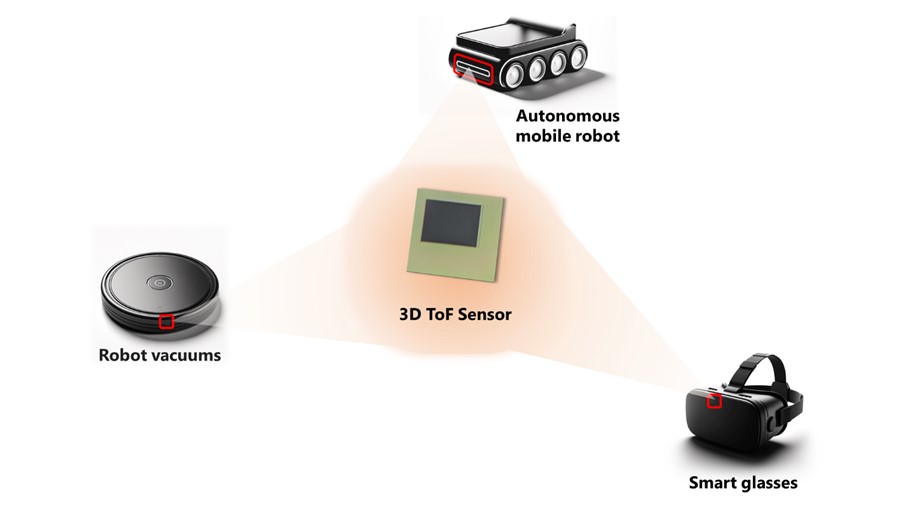
New sensors like LiDAR and 3D mapping enhance navigation. They allow robots to map rooms accurately and avoid obstacles efficiently, improving cleaning precision and reducing missed spots.
How Does Ai Boost Robot Vacuum Performance?
AI enables smarter cleaning patterns and adapts to home layouts. It learns your preferences, optimizes routes, and detects dirtier areas for focused cleaning, making the vacuum more efficient and effective.
Are Robot Vacuums Now Better At Pet Hair Removal?
Yes, advanced brushes and stronger suction target pet hair effectively. Some models include self-cleaning features to prevent hair tangles, ensuring consistent performance in homes with pets.
What Role Does Voice Control Play In New Robot Vacuums?
Voice control integration with assistants like Alexa and Google Home allows hands-free operation. Users can start, stop, or schedule cleaning using simple voice commands, enhancing convenience.
Conclusion
Robot vacuums keep getting smarter and more helpful. New features like better sensors and voice control make cleaning easier. They learn your home layout to avoid obstacles better. Some models now map rooms for efficient cleaning paths. Battery life improvements let them clean longer without stopping.
These tech updates save time and effort daily. Expect even more advancements soon. Robot vacuums are becoming a useful part of many homes. They help keep floors clean with less work from you. The future of home cleaning looks simple and smart.

