

Have you ever wondered how long your vacuum cleaner will really last? Knowing the average lifespan of a vacuum cleaner can save you time, money, and frustration.
You want a device that keeps your home clean without breaking down unexpectedly. But with so many brands and types on the market, it’s hard to know what to expect. You’ll discover the key factors that affect your vacuum’s durability and learn how to make it last longer.
Keep reading to make smarter choices for your cleaning routine and your wallet.
:max_bytes(150000):strip_icc()/GettyImages-1420975299-7032710597d64abb8f214ba6ac89bf99.jpg)
Vacuum Cleaner Lifespan Basics
Understanding the average lifespan of a vacuum cleaner helps in making smart buying choices. Most vacuum cleaners last between 5 to 10 years. This depends on how often you use them and how well you maintain them. Knowing the basics of vacuum cleaner lifespan can save money and effort.
Factors Affecting Durability
Durability depends on several key factors. The brand and build quality play a big role. Higher quality models usually last longer. Usage frequency is another factor. Daily use can wear out parts faster than occasional use. Proper maintenance extends life. Cleaning filters and replacing bags keep the vacuum running well. Storage conditions matter too. Keeping the vacuum dry and safe prevents damage. Lastly, the type of floor and dirt level can impact wear.
Types Of Vacuum Cleaners And Longevity
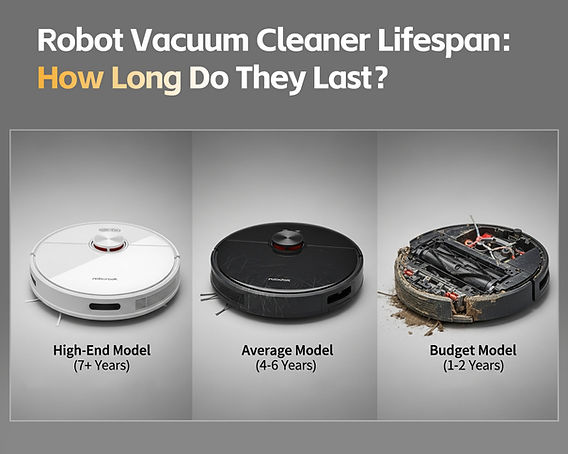
Different types of vacuum cleaners have different lifespans. Upright vacuums often last about 7 to 10 years. Canister vacuums may last a bit longer due to less strain on parts. Robot vacuums usually last 3 to 5 years, as their batteries wear out. Handheld vacuums tend to have shorter lifespans, around 3 to 5 years. Each type has unique parts that wear at different rates.

Average Lifespan By Vacuum Type
The lifespan of a vacuum cleaner varies by type. Each kind has different parts and uses. These differences affect how long they last. Understanding the average lifespan helps in choosing the right vacuum. It also sets expectations for maintenance and replacement.
Upright Vacuums
Upright vacuums usually last between 8 to 12 years. They have strong motors and large dust bins. These vacuums are great for deep cleaning carpets. Regular filter and belt changes extend their life. Heavy use or neglect may shorten their lifespan.
Canister Vacuums
Canister vacuums often last 7 to 10 years. They offer flexible cleaning with long hoses. Their smaller motors may wear out faster. Proper care keeps them working well for many years. They work well on hard floors and stairs.
Robot Vacuums
Robot vacuums last about 3 to 5 years on average. Batteries need replacement after some time. Sensors and brushes require regular cleaning. These vacuums work best for light daily cleaning. They may not replace deep cleaning vacuums.
Handheld Vacuums
Handheld vacuums usually last 4 to 6 years. They are lightweight and easy to carry. Smaller batteries limit how long they run. Frequent use and charging can reduce battery life. Ideal for quick cleanups and small spaces.
Signs Your Vacuum Needs Replacement
Knowing when to replace your vacuum cleaner saves time and money. Vacuums wear out over time, and some signs show they need replacement. These signs help you decide if repair or new purchase is best. Watch for these common issues that mean your vacuum may be done.
Decreased Suction Power
Vacuum cleaners lose suction as they age. Dirt and dust may not get picked up well. Floors stay dirty after cleaning. Check the filter and bag first. If changing these does not help, the motor might be failing. Weak suction means the vacuum cannot clean properly.
Unusual Noises Or Smells
Strange sounds like grinding or rattling are warning signs. Burning smells or smoke are serious problems. These can mean motor damage or electrical issues. Stop using the vacuum if you notice these. Continuing use can cause more damage or hazards.
Frequent Repairs
Fixing your vacuum often can cost more than buying new. Replacing belts, hoses, or parts repeatedly is a sign. Repairs that do not solve the problem waste time. A vacuum that breaks down regularly is not reliable. Consider replacing it to avoid frustration and extra costs.
Tips To Extend Vacuum Cleaner Life
Extending the life of your vacuum cleaner saves money and ensures better cleaning. Small actions and habits make a big difference. Follow these tips to keep your vacuum running longer and stronger.
Regular Maintenance
Clean or replace vacuum filters regularly. Clogged filters reduce suction and strain the motor. Empty the dustbin after every use. Check the brush roll for hair or debris. Clean the hose to avoid blockages. These steps keep the vacuum working well.
Proper Usage Habits
Use your vacuum on suitable surfaces only. Avoid sucking up large objects or liquids. Move the vacuum slowly and steadily to prevent damage. Store it in a dry place to protect electrical parts. Handle the cord gently to avoid breaks.
Choosing Quality Models
Select vacuums with good reviews and reliable brands. High-quality parts last longer and perform better. Look for models with easy-to-clean filters and brushes. Check the warranty for added protection. Investing in quality saves repair costs over time.
Expert Advice On Vacuum Investment
Choosing the right vacuum cleaner means thinking about more than just price. It is important to consider how long the vacuum will last and how well it will work. Experts say investing in a vacuum cleaner requires balancing cost with quality and durability. This helps save money over time and keeps your home clean without frequent replacements.
Balancing Cost And Durability
Cheap vacuums may save money at first but break down fast. Expensive models often last longer and clean better. Spending a bit more upfront can mean fewer repairs and replacements later. Look for vacuums made with strong parts and good reviews. This balance helps you get the best value for your money.
When To Repair Vs. Replace
Fixing a vacuum can be cheaper than buying a new one. Check the cost of parts and labor before deciding. If repairs cost more than half the price of a new vacuum, replacement is better. Also, if your vacuum is over 7 years old, it might be time to upgrade. New models offer better features and energy savings.
Frequently Asked Questions
What Is The Typical Lifespan Of A Vacuum Cleaner?
Most vacuum cleaners last between 8 to 10 years with regular use. Proper maintenance can extend this lifespan significantly.
How Does Usage Affect Vacuum Cleaner Durability?
Heavy or daily use can shorten a vacuum’s life. Light, occasional use typically results in longer-lasting performance.
Can Maintenance Improve Vacuum Cleaner Longevity?
Yes, regular cleaning and filter replacement help maintain suction power and prolong your vacuum’s lifespan effectively.
Which Vacuum Brands Have The Longest Lifespan?
Brands like Dyson, Miele, and Shark are known for durable vacuums that often last over 10 years with care.
Conclusion
A vacuum cleaner usually lasts about 8 to 10 years. This depends on how often you use it and how well you care for it. Regular cleaning and timely repairs can make it last longer. Choosing a good quality model also helps.
Remember, a well-maintained vacuum saves money and works better. Keep these tips in mind to get the most from your vacuum cleaner. Simple care makes a big difference.

