

Have you ever spilled water or juice on your floor and wondered if your vacuum cleaner could handle the mess? You might be tempted to grab your trusty vacuum and clean it up quickly.
But can a vacuum cleaner pick up wet spills safely without causing damage or danger? Knowing the answer can save you from costly repairs and keep your home safe. Keep reading to discover what you need to know before using your vacuum on wet messes—and how to clean up spills the right way every time.

Vacuum Types And Wet Spills
Vacuum cleaners come in different types, each designed for specific cleaning tasks. Understanding these types helps to know which one handles wet spills safely. Not all vacuums can pick up liquids without damage or risk.
Some vacuums are made only for dry dirt and dust. Others can handle both wet and dry messes. Choosing the right vacuum ensures a safe and effective clean-up of wet spills.
Dry Vacuum Cleaners Limitations
Dry vacuum cleaners are common in many homes. They work well for dust, crumbs, and dry debris. These vacuums use bags or filters that block liquids.
Using a dry vacuum on wet spills can damage the motor. It may cause electrical problems or mold growth inside. Wet dirt can clog the filter and reduce suction power.
Dry vacuums are not built to hold or drain liquids. Wet spills must be wiped up before vacuuming with these models.
Wet-dry Vacuum Cleaners Features
Wet-dry vacuum cleaners can pick up both wet and dry messes. They have special seals and filters to protect the motor from liquids. These vacuums often include a drainage plug for easy emptying.
Their strong suction works on water, mud, and spills without damage. Some models come with different nozzles for wet surfaces. This makes cleaning wet messes faster and safer.
Wet-dry vacuums are versatile tools for garages, kitchens, and workshops. They handle tough spills that dry vacuums cannot.
Choosing The Right Vacuum For Wet Spills
Identify the types of spills you face most often. For small, occasional spills, manual cleanup may be enough. For frequent wet messes, a wet-dry vacuum is safer.
Check the vacuum’s specifications for wet spill capability. Look for models with good suction and easy drainage. Consider size and storage space for your needs.
Choosing the right vacuum protects your investment and keeps your home clean. It reduces the risk of damage and improves cleaning efficiency.
Risks Of Using Dry Vacuums On Wet Spills
Using a dry vacuum cleaner on wet spills can cause several problems. These devices are not designed to handle liquids. This misuse can lead to safety risks and damage. It also affects how well the vacuum cleans. Understanding these risks helps prevent accidents and protects your vacuum.
Electrical Hazards
Dry vacuums are not sealed against water. Liquid can reach electrical parts inside. This contact can cause short circuits or sparks. There is a risk of electric shock to the user. Wet spills increase the chance of fire or injury. Never use a dry vacuum on wet surfaces.
Damage To Vacuum Components
Water can ruin the motor and filters. These parts are sensitive to moisture. Once damaged, repairs can be costly or impossible. Wet debris can clog the vacuum’s hoses and nozzles. This reduces the vacuum’s lifespan. Protect your vacuum by avoiding wet spills.
Ineffective Cleaning Results
Dry vacuums cannot pick up liquids properly. They may spread the spill instead of cleaning it. Wet dirt can block suction and filters. This causes the vacuum to lose power quickly. The area remains dirty and sticky. Use the right tool for wet messes to clean well.
Safe Techniques For Cleaning Wet Spills
Cleaning wet spills with a vacuum cleaner requires care. Using the right methods keeps your vacuum safe and effective. Follow simple steps to avoid damage and get the best results.
These techniques help you clean spills without making a bigger mess. They protect your vacuum and keep your floors dry and clean.
Pre-cleaning Preparations
Check if your vacuum is designed for wet spills. Standard vacuums can break if used on liquids. Use a wet/dry vacuum or one with a wet mode. Remove any large debris from the spill first. This prevents clogging and damage. Clear the area around the spill to avoid accidents.
Proper Vacuuming Methods
Turn on the vacuum and start at the spill edges. Move slowly towards the center to avoid spreading liquid. Keep the vacuum nozzle close to the surface. Do not press too hard to protect the floor. Empty the vacuum tank often to maintain suction power. Avoid vacuuming very hot or harmful liquids.
Post-cleaning Maintenance
After cleaning, unplug the vacuum and empty the tank fully. Clean and dry filters to prevent mold and smells. Wipe the vacuum’s exterior and nozzle with a dry cloth. Store the vacuum in a dry place. Regular maintenance extends the life of your vacuum and keeps it ready for next use.

Expert Tips For Handling Wet Messes
Handling wet messes quickly and safely is important to protect your floors and carpets. Experts suggest simple steps that help clean spills without damaging your vacuum or home. Follow these tips to manage wet spills effectively and keep your cleaning tools in good shape.
Quick Response Strategies
Act fast when a spill happens. The longer liquid stays, the harder it is to clean. Use towels or cloths to soak up as much liquid as possible. Avoid rubbing, as it can spread the spill. Removing excess moisture reduces damage and makes vacuuming safer.
Using Absorbent Materials First
Place absorbent materials on the spill before vacuuming. Paper towels, microfiber cloths, or old rags work well. Let them sit for a minute to soak up liquid. This step prevents wet debris from clogging your vacuum. It also protects the vacuum’s motor and filter.
Regular Vacuum Maintenance
Check your vacuum often after cleaning wet messes. Empty the dustbin or bag to avoid mold growth. Clean or replace filters regularly. Inspect hoses and brushes for blockages or damage. Good maintenance extends your vacuum’s life and keeps it working safely on wet spills.
Alternative Tools For Wet Spill Cleanup
Wet spills need quick and proper cleanup to avoid damage. Vacuum cleaners are not always safe for wet messes. Many tools work better and keep your floors safe. Choosing the right tool helps clean spills fast and well.
Mops And Towels
Mops and towels are the easiest tools for wet spills. They soak up liquids quickly and prevent stains. A clean mop or towel keeps the area dry and safe. Use a sponge mop for smooth floors and cloth towels for small spills. Change the towels often to avoid spreading dirt.
Steam Cleaners
Steam cleaners use hot steam to clean and dry surfaces fast. They kill germs and remove sticky spills without chemicals. Steam cleaners work well on tiles, sealed wood, and carpets. They dry quickly, stopping mold and bad smells. These cleaners save time and clean deeply.
Specialized Wet Spill Devices
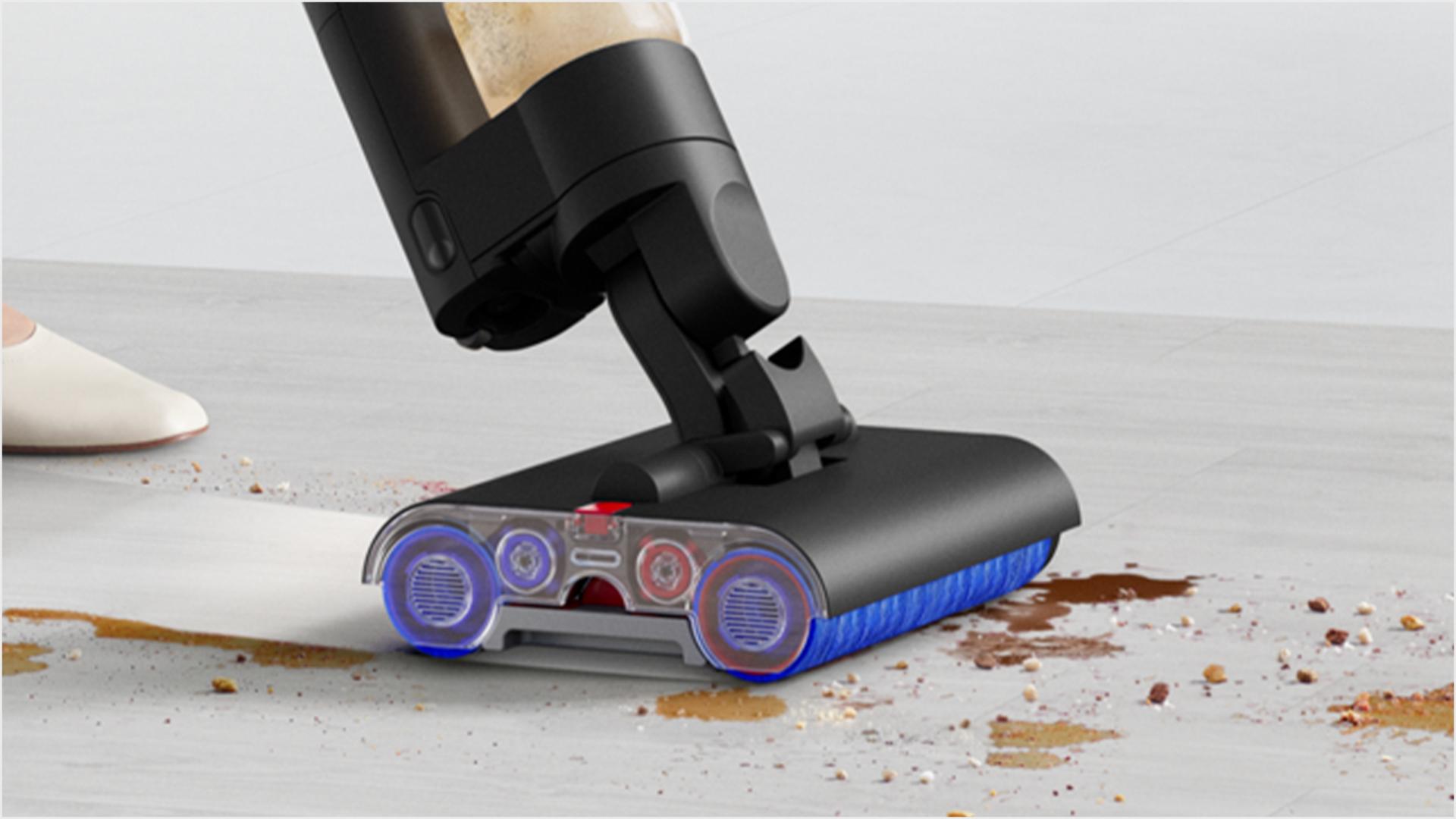
Special wet spill devices are made for liquid messes. Wet/dry vacuums can handle water and dirt at once. These machines have strong suction and filters for wet cleanup. Some come with special nozzles for corners and upholstery. They are safe and easy to use on many surfaces.
Frequently Asked Questions
Can Regular Vacuum Cleaners Pick Up Wet Spills Safely?
No, regular vacuum cleaners are not designed for wet spills. Using them on liquids can damage the motor and create electrical hazards. Always use a wet/dry vacuum for safe and efficient wet spill cleanup.
What Type Of Vacuum Is Best For Wet Spills?
A wet/dry vacuum cleaner is ideal for wet spills. It has specialized filters and motors to handle liquids safely, preventing damage and ensuring effective suction of both wet and dry debris.
Can Wet Spills Damage Vacuum Cleaners?
Yes, wet spills can damage vacuum cleaners not built for liquids. Water can short-circuit motors, clog filters, and cause rust, leading to malfunction or permanent damage.
How To Clean Wet Spills With A Vacuum Safely?
Use a wet/dry vacuum designed for liquids. Ensure the vacuum is unplugged before emptying. Clean filters regularly to maintain suction and prevent mold or odor buildup.
Conclusion
Vacuum cleaners are not all made for wet spills. Some models handle liquids safely. Using the right vacuum keeps your floors and machine safe. Avoid damage by checking your vacuum’s instructions first. Wet spills often need special wet-dry vacuums. Choosing the correct tool saves time and effort.
Keep your home clean without risks or extra work. Always clean and maintain your vacuum after use. Safe cleaning means a longer-lasting vacuum and happier home.

