

Have you ever wondered if your vacuum cleaner is really cleaning the air in your home? A HEPA vacuum cleaner might be the answer you’re looking for.
It’s not just about picking up dirt — it’s about capturing tiny particles that can affect your health and the air you breathe every day. You’ll discover what a HEPA vacuum cleaner is and why it could make a big difference for you and your family.
Keep reading to find out how this powerful tool can create a cleaner, healthier living space.
Hepa Filter Technology
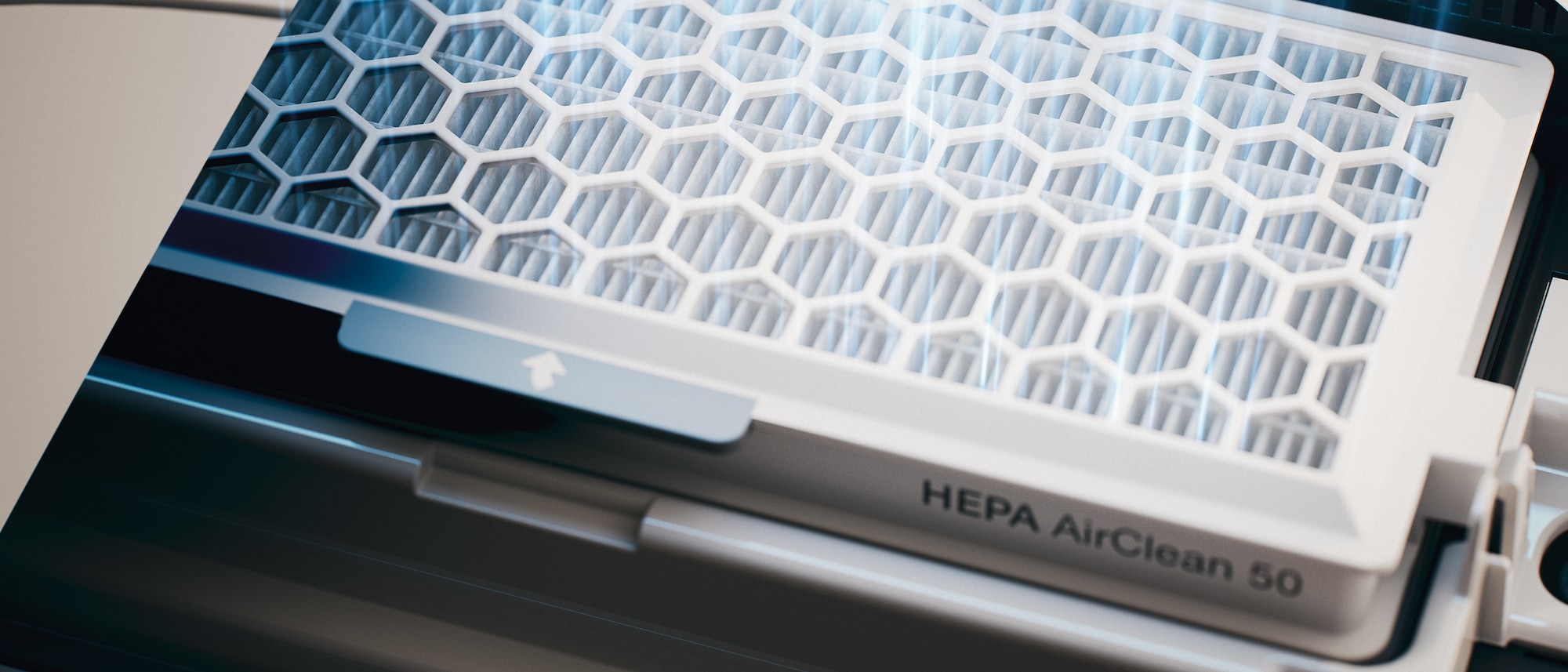
HEPA filter technology is the heart of a HEPA vacuum cleaner. It helps trap tiny particles that regular filters miss. This technology keeps the air cleaner and safer to breathe. It is especially useful for people with allergies or asthma.
How Hepa Filters Work
HEPA filters use a dense mat of fibers to catch particles. Air passes through this mat, but dust, pollen, and even some bacteria get stuck. The fibers trap particles by interception, impact, and diffusion. This process removes particles as small as 0.3 microns in size.
Types Of Hepa Filters
Not all HEPA filters are the same. Some are true HEPA filters that meet strict standards. Others are called “HEPA-type” or “HEPA-like,” but they do not filter as well. True HEPA filters remove at least 99.97% of particles from the air.
Efficiency Standards
HEPA filters must meet specific efficiency standards. The most common standard requires trapping 99.97% of particles at 0.3 microns. This standard ensures the filter captures very small particles effectively. Certified HEPA filters give confidence in air cleanliness.
Features Of Hepa Vacuum Cleaners
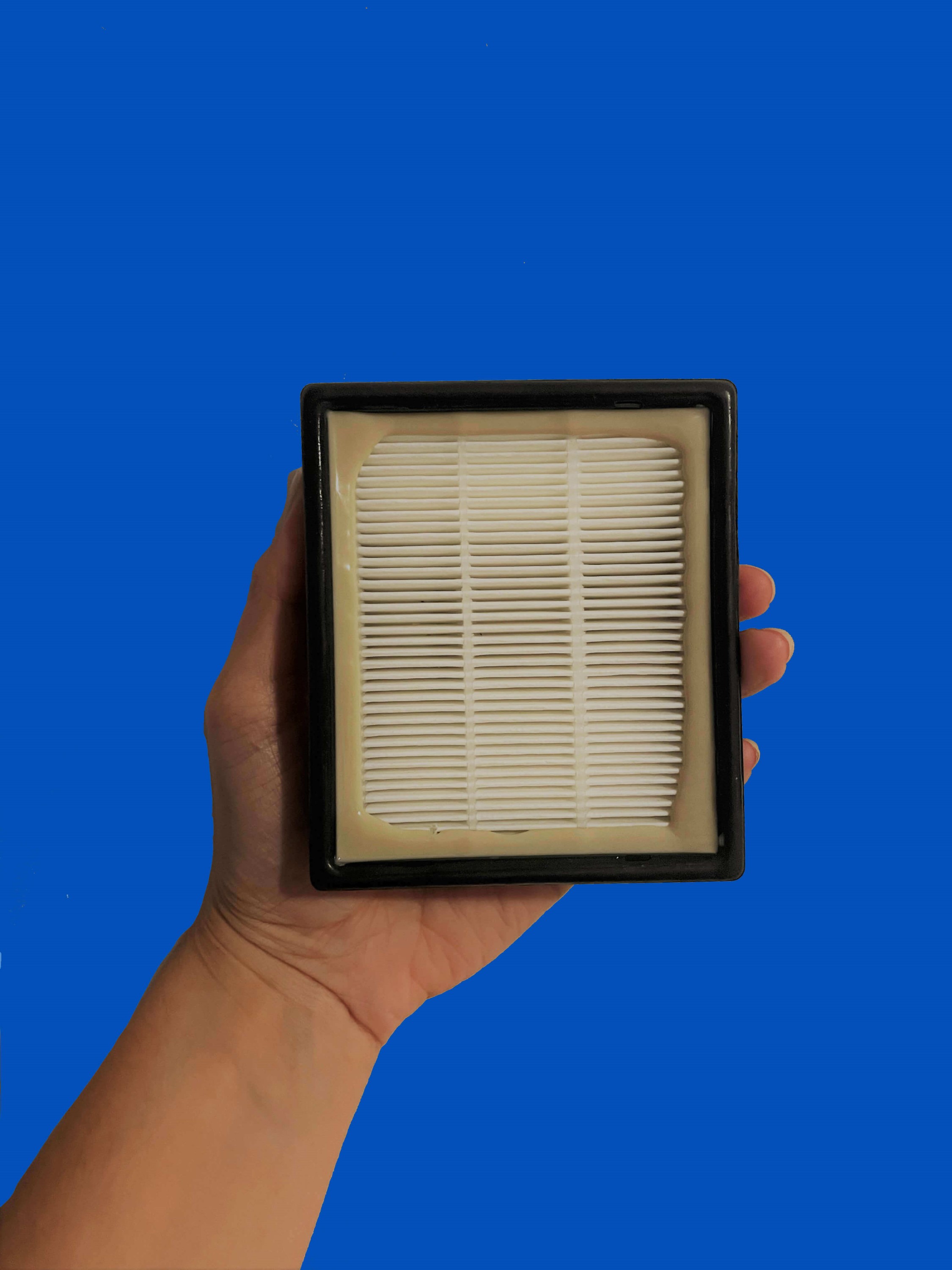
HEPA vacuum cleaners have special features that make them effective and reliable. These features help trap tiny dust particles and allergens. They also make the vacuum easy to use and powerful enough to clean well. Understanding these features helps you choose the best vacuum for a healthy home.
Filtration System
HEPA vacuums use a high-efficiency particulate air filter. This filter catches 99.97% of particles as small as 0.3 microns. It blocks dust, pollen, pet dander, and even some bacteria. The filter prevents these particles from escaping back into the air. This keeps your home air cleaner and healthier.
Motor And Suction Power
The motor drives strong suction to pull dirt from carpets and floors. HEPA vacuums have motors designed for consistent and strong airflow. This power ensures deep cleaning, removing tiny particles hidden in surfaces. Efficient suction helps the vacuum work well on different floor types.
Design And Usability
HEPA vacuums come in various shapes and sizes for easy use. Some models are lightweight and easy to carry. Others have long hoses and attachments for hard-to-reach places. Simple controls and ergonomic handles make cleaning less tiring. Many vacuums also have large dust bins or bags for less frequent emptying.
Health Benefits
HEPA vacuum cleaners offer clear health benefits. They help keep homes cleaner and healthier. These vacuums trap tiny particles that regular vacuums might miss. This makes a big difference for people with breathing problems and allergies.
Allergy And Asthma Relief
HEPA filters capture dust mites, pollen, and pet dander. These are common allergy triggers. Removing these particles reduces allergic reactions. People with asthma also breathe easier. The cleaner air helps prevent attacks and irritation.
Reducing Airborne Particles
HEPA vacuums trap 99.97% of particles as small as 0.3 microns. This includes mold spores and bacteria. These tiny particles float in the air and settle on surfaces. Regular vacuum cleaners often push them back into the air. HEPA filters keep them locked inside.
Improving Indoor Air Quality
Indoor air can be more polluted than outdoor air. Dust, smoke, and allergens build up in homes. HEPA vacuum cleaners remove these pollutants effectively. Cleaner air means a healthier living space. This helps everyone breathe better daily.
Choosing The Right Hepa Vacuum
Choosing the right HEPA vacuum cleaner is key to keeping your home clean and healthy. HEPA filters trap tiny dust particles, pollen, and allergens that regular vacuums miss. This makes them perfect for allergy sufferers and families with pets. Picking the best model depends on your needs and space. Think about where you will use it most and what you want to clean.
Considerations For Home Use
Size matters in home use. Small vacuums work well for apartments. Large models handle big houses better. Check the vacuum’s weight. Light vacuums are easy to carry up stairs. Noise level is important too. Quieter vacuums cause less disturbance. Look for a long cord or cordless design. This helps reach all rooms without unplugging. Also, check the dustbin size. Bigger bins mean less emptying.
Options For Pet Owners
Pet hair can be tough to clean. Choose a HEPA vacuum with strong suction. A brush roll made for pet hair helps. Some models have special pet tools. These remove hair from furniture and carpets. A sealed system keeps pet dander inside. This improves air quality. Pick a vacuum with easy filter cleaning. Pets shed a lot, so filters clog fast.
Budget Vs Performance
HEPA vacuums come in many price ranges. Higher prices often mean better filters and power. But budget models can still do a good job. Focus on key features like suction and filter quality. Avoid extra bells and whistles you don’t need. Read reviews to see real user experience. A good vacuum balances cost with cleaning ability.
Maintenance Tips
Maintaining a HEPA vacuum cleaner is key to keeping it working well. Regular care helps the vacuum last longer and clean better. Simple steps can protect the machine and improve air quality in your home.
Cleaning And Replacing Filters
HEPA filters trap tiny dust and allergens. Clean them often to avoid clogging. Some filters can be washed with water. Let them dry fully before putting back.
Replace filters as the manual suggests. Old filters lose their power to trap particles. New filters keep your vacuum working at its best.
Storage And Care
Store the vacuum in a dry, cool place. Avoid wet or dusty areas that may damage parts. Keep the cord neatly wrapped to prevent tangles or breaks.
Check for any cracks or loose parts before storing. Fix small problems early to avoid bigger damage.
Troubleshooting Common Issues
The vacuum may lose suction if the filter is dirty. Clean or replace the filter to fix this. Check the hose for blockages and clear any debris.
Strange noises often mean something is stuck inside. Turn off the vacuum and inspect all parts carefully. Replace worn-out belts or brushes to keep cleaning smooth.
Comparing Hepa Vacuums To Regular Vacuums
Comparing HEPA vacuums to regular vacuums shows clear differences in cleaning power and air quality. Both pick up dirt and dust, but the way they handle tiny particles sets them apart. Understanding these differences helps choose the right vacuum for your needs.
Filtration Differences
HEPA vacuums use special filters that trap 99.97% of particles as small as 0.3 microns. Regular vacuums often have simple filters that let fine dust escape. HEPA filters catch allergens, pet dander, and pollen, improving indoor air quality. Regular filters can miss these tiny particles, leaving them in the air.
Performance In Dust Removal
Both vacuums remove visible dirt well. HEPA vacuums excel at capturing very fine dust and allergens from carpets and floors. Regular vacuums may leave behind small dust particles that cause allergies. HEPA vacuums help reduce sneezing and coughing by trapping these irritants effectively.
Cost And Longevity
HEPA vacuums usually cost more upfront than regular vacuums. Their filters need regular replacement to maintain performance. Regular vacuums are cheaper but might require more frequent repairs. HEPA vacuums often last longer due to better build quality and filter systems.
Frequently Asked Questions
What Is A Hepa Vacuum Cleaner?
A HEPA vacuum cleaner uses a High-Efficiency Particulate Air filter. It traps 99. 97% of tiny particles, improving air quality.
Why Is A Hepa Vacuum Important For Allergies?
HEPA vacuums reduce allergens like dust, pollen, and pet dander. They help minimize allergy symptoms by cleaning the air effectively.
How Does A Hepa Filter Work In Vacuums?
HEPA filters trap microscopic particles through dense fiber layers. This prevents allergens and dust from escaping back into the air.
Can Hepa Vacuums Improve Indoor Air Quality?
Yes, HEPA vacuums capture harmful particles. This leads to cleaner air and a healthier living environment.
Conclusion
A HEPA vacuum cleaner traps tiny dust and allergens well. It helps keep your home air cleaner and healthier. This vacuum suits people with allergies or asthma best. Choosing a HEPA vacuum supports a cleaner, safer living space. Clean air matters for comfort and health every day.
Consider a HEPA vacuum for better home cleaning results. Simple, smart, and effective.

