

You pull the trigger on the leaf blower, and nothing happens. How do you use a wet/dry vacuum as a blower? Simple: you attach the hose to the exhaust port instead of the suction intake.
The motor's outgoing air does the work, no new tools required.
Manufacturer specifications indicate that most wet/dry vacuums move between 100 and 300 CFM (cubic feet per minute). That's enough to blow dry leaves off a porch or clear sawdust from a workbench. The exact output depends on motor amperage and tank size, but the process is identical across almost every model.
Let's walk through the steps so you can start blowing right now.
Quick Answer: Can You Really Use a Wet/Dry Vacuum as a Blower?
Yes, you can. The exhaust port on the vacuum pushes air out. Attach a hose to that port, not the intake.
Power on and aim the nozzle at the debris. That's the entire trick.
If your vacuum has a cap on the reverse side of the motor housing, that's a blower port. Pop the cap, insert the hose, and you've turned a suction tool into a blower. Same hose, same power, just a different opening.
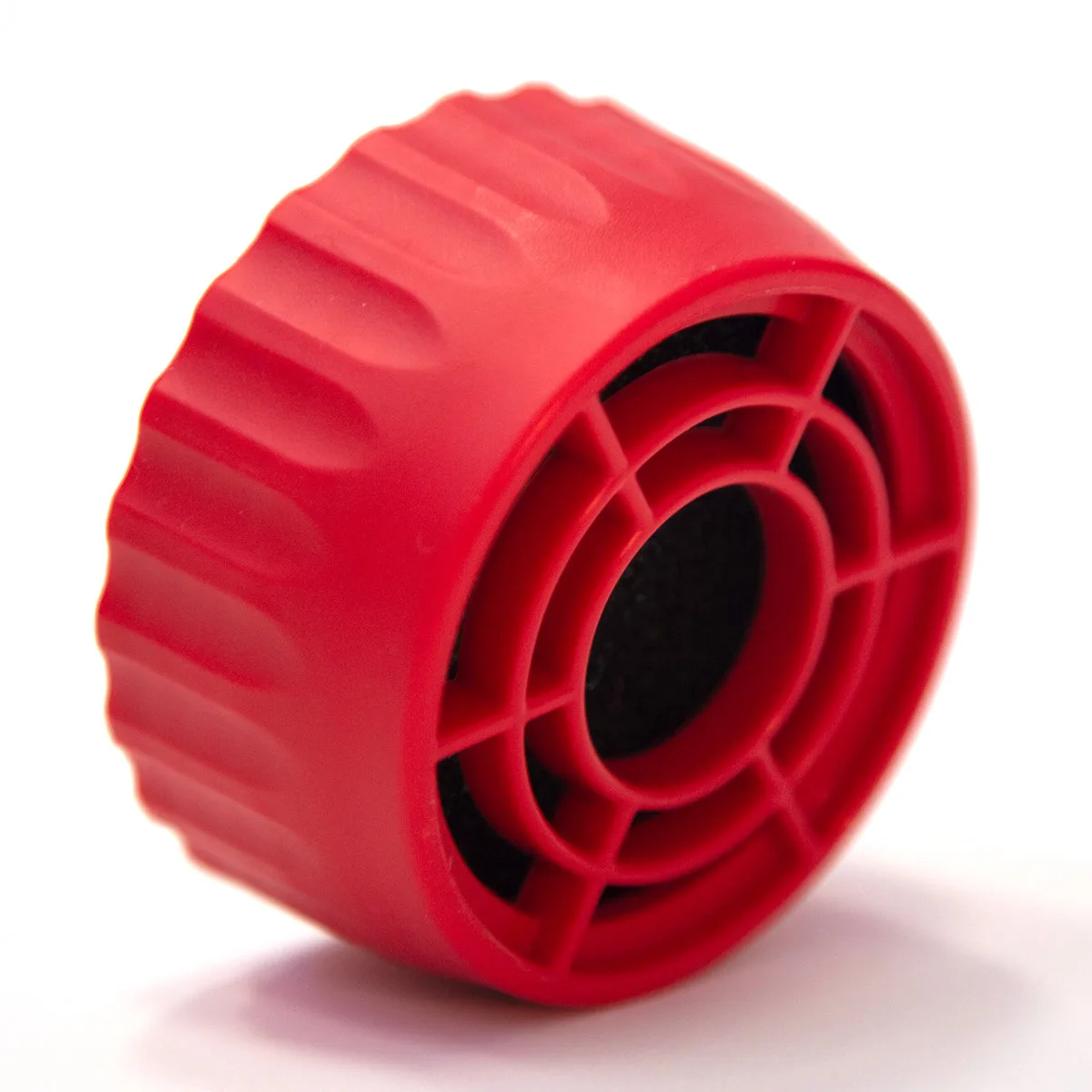
Image source: Web (Bing) / storage.googleapis.com (Web image (fair-use with source credit))
The Core Concept: How Blower Mode Actually Works on a Shop Vac
A wet/dry vacuum has two air paths. The motor spins a fan blade, creating suction at the intake port. That same blade pushes air out through a separate exhaust, usually located near the motor housing.
See that round cap you've never touched? That's the blower port.
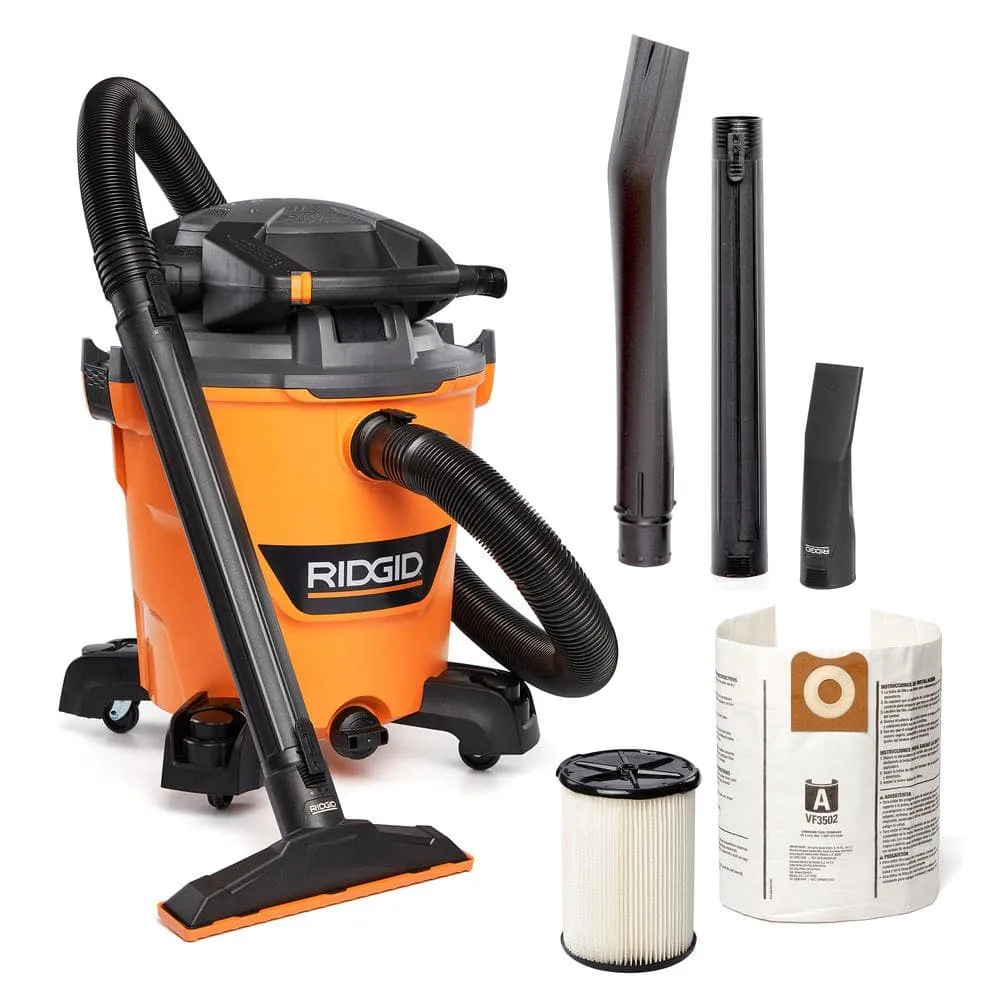
Image source: Web (Bing) / homedepot.com (Web image (fair-use with source credit))
The airflow isn't as concentrated as a leaf blower's. Most shop vacs push roughly 50 to 80 MPH out of a 2-1/2 inch hose. That's plenty to move dust, dirt, and light leaves off flat surfaces.
Why the Exhaust Port Is Easy to Miss
On many models, the blower port looks just like the suction intake. The difference is location. The suction intake sits at the front or top of the tank.
The blower port sits closer to the motor, sometimes under a twist-off cap.
If you're not sure which is which, check the user manual. A diagram will show it clearly. From our research, most shop vac owners never notice the blower port until someone points it out.
Which Vacuums Can Do This? (And Which Ones Can't)
Not every wet/dry vacuum has blower mode. Most corded models from major brands do, because the motor runs independently of the tank. As of 2026, almost every full-size shop vac includes this feature, but portable and cordless models are less consistent.
Here's how to tell:
- Look for a circular cap or plug on the side or back of the motor unit.
- Check for an arrow or the word "blower" molded into the plastic.
- Read the manual's illustration of all ports.
If your vacuum has only one hose connection, it's a dedicated suction machine. No blower port means no blower function. Cordless models are hit-or-miss.
Some have it, some don't, due to motor placement and cooling design.
If/Then: What to Do Based on Your Model
- If you see a cap on the motor housing → you're in business. That's the blower port.
- If the manual mentions an "exhaust" or "blow" function → follow those instructions.
- If there's only one port → you can't use it as a blower. Consider a dedicated blower instead.
Step-by-Step: How to Switch Your Vacuum into Blower Mode
The full sequence takes less than two minutes once you know the drill.
| Step | What to Do | Why It Matters |
|---|---|---|
| 1 | Empty the tank and dry the inside | Wet residue will spray out the blower port |
| 2 | Find the exhaust port | Attaching the hose to the intake does nothing |
| 3 | Attach the hose securely | Loose connections kill airflow |
| 4 | Add a tapered nozzle | Concentrates air for better results |
| 5 | Power on and test | Confirms everything is seated correctly |
Step 1: Empty and Dry the Tank
Non-negotiable. If you've been vacuuming water or wet leaves, that moisture will get pulled into the motor and blown out the exhaust. Empty the tank completely, then let it air out for a few minutes.
Wipe down the inside with a dry towel if needed.
Step 2: Find the Exhaust Port (Not the Suction Inlet)
Locate the cap or plug on the motor housing we mentioned earlier. It might be on the top, side, or back of the vacuum head. Remove the cap and set it somewhere safe.
That opening is now your blower outlet.
Step 3: Attach the Hose Securely
Take the same hose you use for suction and push the cuff onto the exhaust port. Most models use a twist-lock or friction fit. If it feels loose, check the manual.
A poor fit will let air escape and cut your blowing power significantly.
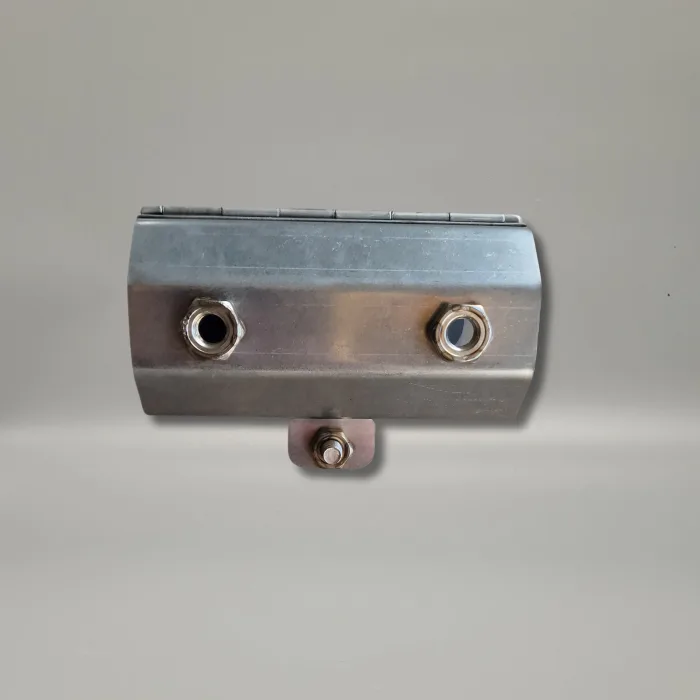
Image source: Web (Bing) / ewa-sb-technik.de (Web image (fair-use with source credit))
Step 4: Add the Nozzle for Focused Airflow
A bare hose blows in a wide, uneven pattern. Attach the tapered utility nozzle or a crevice tool to concentrate the air. This makes a big difference when you're moving debris out of corners.
If your vacuum came with a blower-specific nozzle, use that.
Step 5: Power Up and Test on a Safe Surface
Before aiming at anything valuable, turn on the vacuum and check the airflow by hand. Point it at a leaf or a piece of paper. If the air feels weak, check the hose seal.
Once you're confident, use it just like a leaf blower.
Best Use Cases: What a Shop Vac Blower Is Actually Good At
The shop vac blower shines in places where a full-sized leaf blower feels like overkill. Here's where it earns its keep:
- Clearing a porch or patio: Blow dust, dry leaves, and grass clippings off hard surfaces. It beats sweeping.
- Removing sawdust from a workshop: An air blast reaches under tables and between tools far better than a broom.
- Cleaning out a garage: Blow cobwebs from corners, dislodge leaves from the door track, and push dirt forward.
- Inflating air mattresses and pool floats: Moderate airflow is easier to control than a high-pressure air compressor.
- Drying wet gear: Blow water out of a car after washing, or dry a microfiber chamois quickly.
For keeping suction steady in your regular vacuuming, the same principles apply. A clean filter and sealed hose make every mode work better.
And for pool-related outdoor tasks, a shop vac blower works for pushing debris piles off the patio before you sweep. It won't clear a soaked pool cover after heavy rain.
What It's Not Great For
A wet/dry vacuum blower should not replace a leaf blower for large yards. The airspeed is lower, and the hose is short or awkward to swing. Wet, heavy leaves won't budge.
That's when you want a dedicated blower with 200+ MPH air speed.
Don't use it to blow hazardous fine dust like asbestos or lead paint debris without proper gear. Wear a mask if you're creating visible clouds.
Shop Vac vs. Leaf Blower: The Honest Comparison
A shop vac blower and a leaf blower serve different roles. The right tool depends on the size of the job, the surface, and the noise you'll create.
| Feature | Wet/Dry Vac Blower | Dedicated Leaf Blower |
|---|---|---|
| Air speed | ~60 to 80 MPH | ~200 to 250 MPH |
| Air volume | 100 to 300 CFM | 400 to 800 CFM |
| Cord length | 6 to 10 feet | Often longer, or battery-powered |
| Indoor use | Safe, no fumes | Safer if electric, not gas |
| Noise level | 70 to 80 dB | 65 to 95 dB depending on type |
| Best surface | Hard flat spots | Lawns, large patios, driveways |
If you're clearing a small patio, a garage floor, or a workshop, the shop vac wins. It's compact, uses the same hose, and costs nothing extra. If you're tackling a big yard after a storm, get a real leaf blower.
The airspeed difference is massive.
That said, some homeowners use their shop vac blower year-round and never buy a separate blower. It works if you adjust your expectations around reach and speed.
Common Mistakes: Why People Get Poor Results
Four avoidable mistakes cause most blower mode failures.
Mistake 1: Attaching the hose to the suction port. The motor blows air out the exhaust, not the intake. If your hose is on the front port, you're not blowing anything. Move it to the motor housing port.
Mistake 2: Leaving a wet filter installed. A soaking-wet paper filter restricts airflow badly. It turns your blower into a damp whisper. Swap in a dry filter or remove the paper filter entirely for dry blowing jobs.
Mistake 3: Skipping the nozzle. A bare hose disperses air over a wide area. The pressure drops to almost nothing. Attach the tapered nozzle and feel the difference immediately.
Mistake 4: Expecting leaf-blower performance. A shop vac moves a lot of air, but not at high velocity. Wet leaves, gravel, or heavy mud won't budge. Use it on light, dry debris.
Troubleshooting: Weak Airflow, Hose Pop-Offs, and Overheating Issues
Low airflow in blower mode is usually a clog or a bad seal. The same leak checks and clog removal steps apply here, just in reverse. If the air feels weak, check the filter first.
A clogged filter chokes the motor. Then check the hose for blockages left over from vacuuming debris.
If the hose keeps popping off the exhaust port, the fit is loose. Wrap the port with a couple turns of duct tape, then push the hose on. That friction holds it in place for the whole job.
Twist-lock collars are sturdier, but not every model has them.
Overheating is real but rare. Most shop vacs aren't rated for continuous blower use. If the motor housing feels hot, shut it down for 15 minutes.
Manufacturers usually specify a 30-minute duty cycle followed by a cool-down rest. For motorized cleaning equipment, these reasonable run times prevent premature failure.
If a vacuum hose keeps collapsing under suction, that's a vacuum-side problem. In blower mode, pressure expands the hose, so collapse isn't an issue. Just watch for kinks at sharp bends.
Safety First: Protecting Your Eyes, Ears, and Lungs
Blowing air launches debris at high speed. Safety glasses are the minimum. Dust masks or respirators are required when you're stirring up fine particles like drywall dust, sawdust, or mold.
Ear protection matters too. A shop vac in blower mode runs at full motor speed, which means full noise. Verified buyer feedback across models reports readings between 75 and 85 dB at ear level.
That's loud enough to cause hearing damage over extended sessions.
Never aim the blower at people, pets, or breakable items. Also, don't use it near open flames, gasoline, or solvent vapors. The motor can spark internally, which is an ignition risk in a flammable atmosphere.
For renovation dust or mold cleanup, step up to a respirator rated for particulates. Per OSHA guidance, airborne dust in construction environments triggers respiratory protection requirements.
Maintenance After Blower Mode: Tank, Filter, and Port Care
Blower mode puts extra stress on the motor and filter. A few minutes of maintenance keeps everything working for years.
First, unplug the vacuum and reinstall the exhaust port cap. That prevents dust from entering the motor housing during normal suction use. Next, empty the tank and wipe down the interior.
Blower mode doesn't add dirt to the tank, but it may have loosened debris that's now settled at the bottom.
Clean or replace the filter. If the filter was wet before you switched to blower mode, dry it completely before reinstalling. A damp filter breeds bacteria and reduces suction power later.
Check the hose for debris stuck at the nozzle end.
If you're using this as a regular workshop workhorse, follow a basic maintenance routine for your equipment. Keep the inlet clear, the ports sealed, and the filters clean. That's all it takes.
Final Verdict: Should You Use Your Wet/Dry Vacuum as a Blower?
If your model has the exhaust port, then yes, you absolutely should. The blower function costs nothing, takes two minutes to switch, and handles most light-duty jobs around the home. For clearing a porch, a garage, or a workshop, it's genuinely useful.
If you're dealing with a large yard, heavy wet leaves, or deep snow, skip the shop vac and go straight for a dedicated leaf blower. The airspeed difference is too large to overcome. The shop vac blower is a convenience, not a replacement.
The best approach is to treat it as part of your regular routine. Keep the port cap accessible, know which hose position works, and swap between suction and blow as needed. It's one more way to get value out of a tool you already own.
For most readers, that's a win.

