

Can you use a wet/dry vacuum with water? Yes, but only if it's a true wet/dry vacuum with the right filter installed. A standard household vacuum has no business touching water.
It will short out, ruin the motor, and could shock you.
Manufacturer specs and safety standards make the rules clear. Dedicated wet/dry vacuums have sealed motors and a float shut-off. With the right foam filter and a GFCI-protected outlet, water pickup is safe and effective.
This guide covers the conditions, the process, and the mistakes to avoid.
Quick Answer
Yes, a wet/dry vacuum is built to pick up water. Remove the paper dust filter first. Install the foam wet filter designed for liquid pickup.
Plug into a GFCI-protected outlet, then vacuum slowly. Never use a regular household vacuum on water.
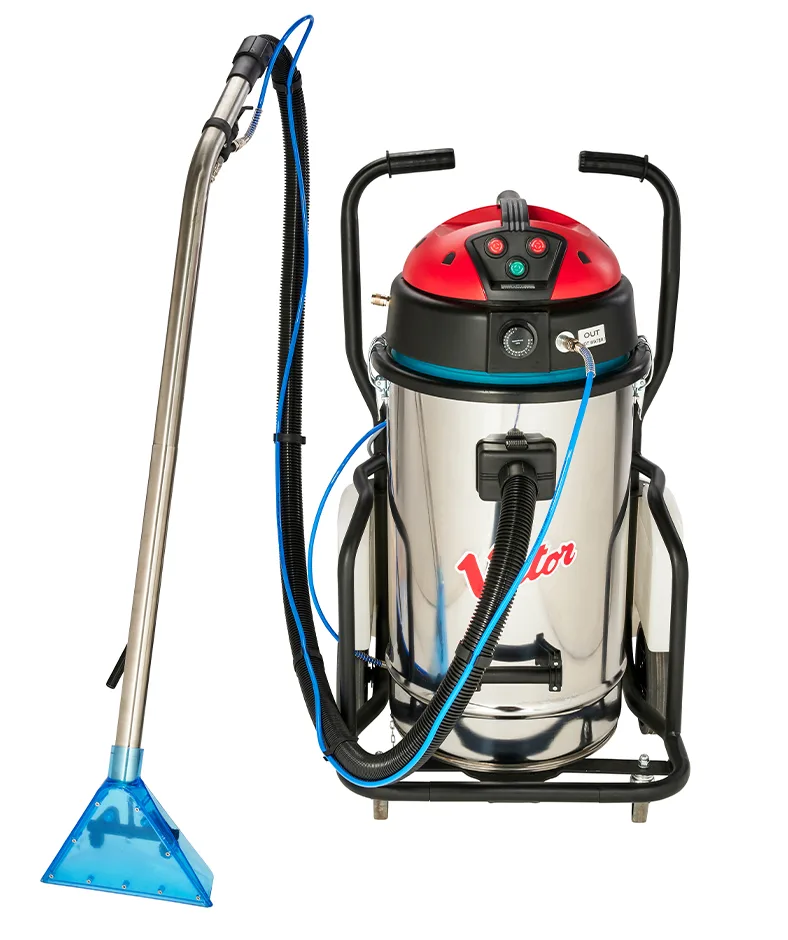
Image source: Web (Bing) / victorfloorcare.com (Web image (fair-use with source credit))
Why Most Vacuums Are Not Water-Safe
A regular vacuum pulls air through the motor to cool it. Water follows the exact same path. It hits the motor windings and causes a short circuit.
Paper filters make it worse. They soak through, disintegrate, and clog every bit of airflow. The motor then overheats or burns out completely.
Many motors also use exposed carbon brushes. Those brushes spark as they spin. Water plus sparks means flashover and instant motor death.
Even a few ounces of water is enough to kill a standard motor.
Water also conducts electricity. If an unsealed motor gets wet, the current can travel back through the water to your hands. That's how people get electrocuted cleaning up household spills.
The National Electrical Code and organizations like OSHA both stress keeping standard electrical equipment away from standing water. If the vacuum isn't rated for wet pickup, treat it as unsafe in wet conditions.
How a Wet/Dry Vacuum Is Different: Sealed Motors and Float Shut-Offs
A wet/dry vacuum keeps water away from the motor by design. The motor sits in a sealed housing. Air enters the tank, passes through the filter, and exits through the motor.
Water never gets close to the electrical parts.
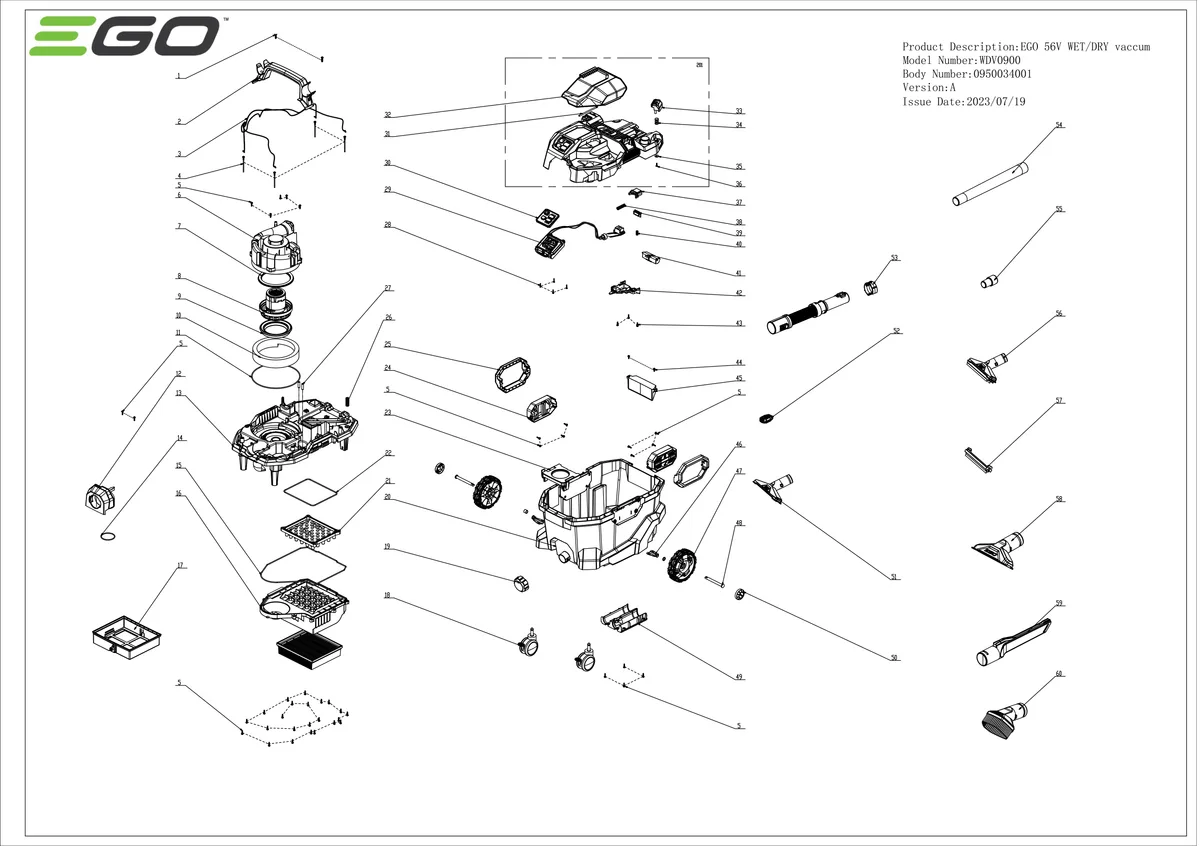
Image source: Web (Bing) / powerplusparts.com (Web image (fair-use with source credit))
The float shut-off is the second layer of protection. As the tank fills, the float rises and seals the intake path. When it engages, you'll hear the suction climb then suddenly drop.
That's your signal to empty the tank.
Consumer models typically hold 5 to 16 gallons. As of 2026, nearly every major wet/dry brand supports water pickup with the correct filter. Look for UL or ETL certification.
That label confirms an independent lab tested the sealed motor design.
The 3 Conditions That Determine Whether You Can Use Yours
Condition 1: What Type of Vacuum You Own
Is it a dedicated wet/dry vacuum? If yes, you're good to go. If it's a regular upright, canister, or stick vacuum, stop right there.
No "wet mode," multi-surface label, or washable filter changes the math. The motor must be sealed for water to be safe. Check the owner's manual if you're not sure.
Condition 2: Which Filter Is Installed
Water pickup requires the foam sleeve filter. It wraps around the filter cage and catches droplets before they reach the motor.
Most shop vacs ship with a paper cartridge filter for dry dust. That paper turns to mush in seconds. Always remove the paper filter and swap in the foam wet filter before picking up water.
Condition 3: How Full the Tank Gets
The float shut-off only protects the motor if you empty the tank on time. A 6-gallon tank gives you about 5.4 gallons of usable capacity before the float cuts in. That's roughly two minutes of steady water pickup.
Never run a wet/dry vacuum unattended. Watch the level and drain the tank before the float seals completely.
| Tank Size | Usable Capacity | Time to Fill |
|---|---|---|
| 2 gallons | ~1.8 gallons | ~45 seconds |
| 6 gallons | ~5.4 gallons | ~2 minutes |
| 12 gallons | ~10.8 gallons | ~4 minutes |
| 16 gallons | ~14.4 gallons | ~5 minutes |
Quick Decision Guide: Should You Use It or Not?
Run through these checks before you plug anything in:
- Is it a genuine wet/dry vacuum? If not, stop.
- Is the foam wet filter installed? If not, swap it in.
- Is the tank empty? Empty it first.
- Is the outlet GFCI-protected? If not, don't use it near water.
- Is the water clean and shallow? Avoid sewage, chemicals, and oily liquids.
- Can you see the tank level while working? If not, stop and check the float.
Every condition matters. Ignoring one turns a simple job into an electric shock risk or a ruined motor.
Step-by-Step: How to Pick Up Water Safely
Step 1: Prepare the vacuum. Unplug it. Remove the paper filter. Install the foam wet filter over the filter cage.
Step 2: Check the environment. Plug into a GFCI-protected outlet. Keep the cord off the wet floor. Wear rubber-soled boots if there's standing water around.
Step 3: Attach the right nozzle. Use the floor nozzle with a rubber squeegee for hard surfaces. For carpet, remove the squeegee and work the bare nozzle into the fibers.
Step 4: Move slowly across the water. Fast passes leave a thin film behind. Slow, steady passes pull the water into the tank. Keep one eye on the tank level as you go.
Step 5: Drain before the float engages. When suction drops off, turn the motor off. Drain clean water down a floor drain or toilet. For contaminated flood water, follow local disposal rules.
If you hear the float engage and keep running the motor, you risk overheating it. The float blocks airflow entirely. Turn off the machine right away and drain the tank.
This is the most common killer of shop vac motors.
Step 6: Rinse and dry everything. Rinse the tank and foam filter with clean water. Leave the lid open and let all parts dry completely before storage.
Filters and Nozzles: What to Use for Wet Pickup
The foam filter is not optional. If it's torn or missing, water bypasses straight to the motor. Replace it when it loses its shape, usually every few wet uses.
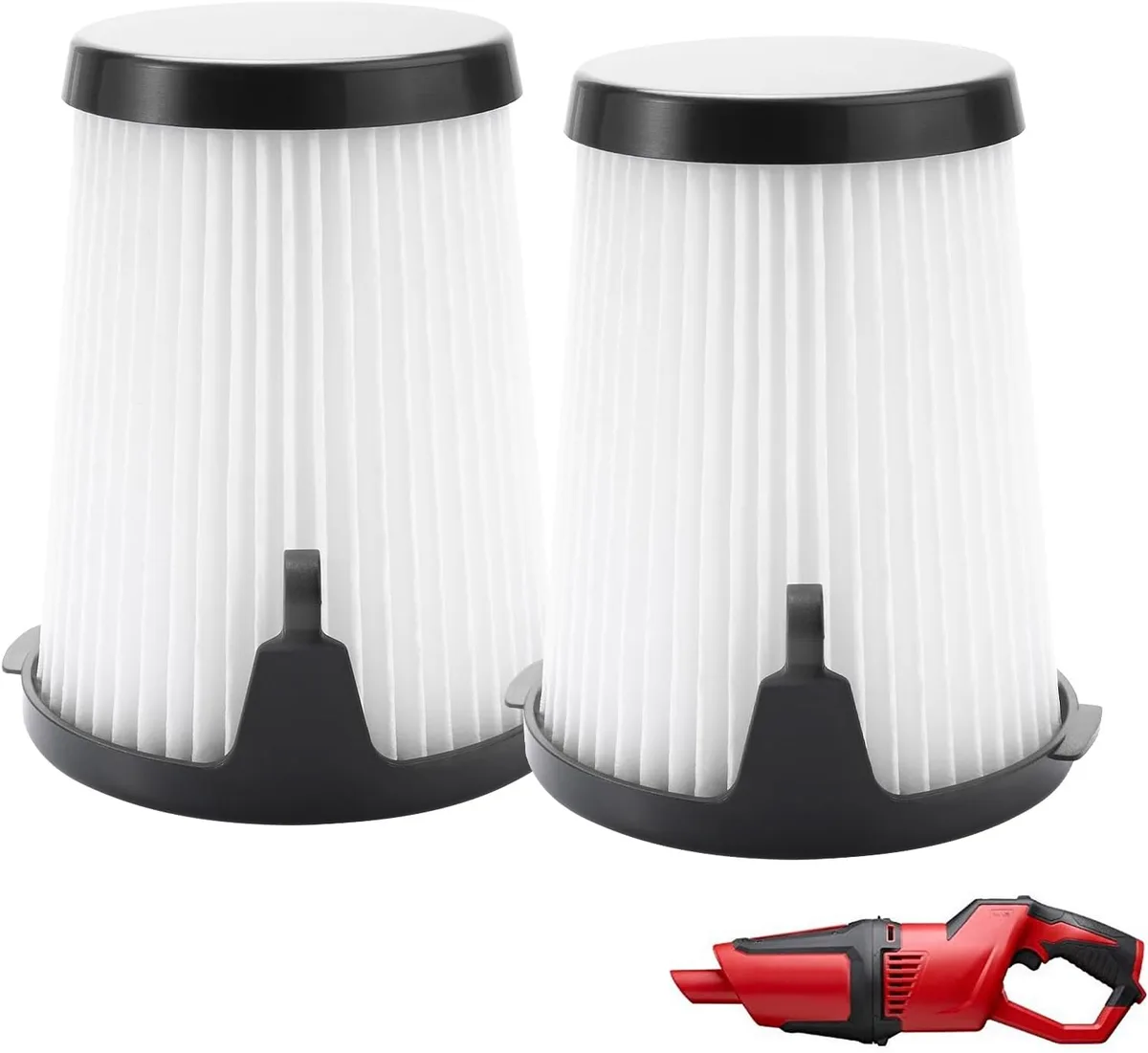
Image source: Web (Bing) / amazon.com (Web image (fair-use with source credit))
Nozzle choice matters too. The squeegee floor nozzle gathers water into a tight strip so the suction can grab it. A standard brush attachment just froths the surface and leaves the carpet padding soaked.
A wide foam filter gives you more surface area and better airflow. Some models include a separate foam sleeve just for wet use. Store it with the vacuum so it's ready in an emergency.
Mistakes to Avoid That Can Damage the Vacuum or Worse
- Leaving the paper filter in place. It shreds on contact with water. The pulp heads straight for the motor.
- Ignoring the tank level. Running past the float causes motor overheating.
- Vacuuming flammable liquids. Gas, solvent, or oil vapors can ignite. Use an explosion-proof vacuum rated for that job, or skip it.
- Using a flimsy extension cord. Motor draw can overheat lightweight cords. Use a heavy-duty cord rated for the same amperage.
- Standing in deep water while plugged in. If water is covering your feet or the cord, stop and address the electrical hazard first.
A single careless wet pickup with a paper filter can turn a $60 shop vac into a $120 repair. In many cases, the motor isn't even available as a spare part. The cheap fix is always the foam filter and a few minutes of prep.
Shop Vac vs. Carpet Extractor vs. Submersible Pump
For small spills, a wet/dry vacuum is the fastest tool you own. For a flooded basement, it's the wrong tool.
A submersible pump moves 2,000 to 4,000 gallons per hour. A shop vac moves roughly 300 gallons per hour. If you have inches of standing water, the pump wins by a mile.
A carpet extractor is better for soaked carpets. It flushes cleaning solution through the fibers and pulls it back out. A wet/dry vacuum only removes the top layer of water and leaves the padding wet.
- Wet/dry vacuum: best for small spills, burst pipes, and quick responses.
- Submersible pump: best for serious flooding.
- Carpet extractor: best for deep-cleaning saturated carpets.
Many homeowners own all three and still grab the shop vac first. That's fine for speed. Just don't expect it to replace real water extraction equipment.
Can a Cordless Wet/Dry Vacuum Handle Water?
Yes, if it's rated for wet pickup. Most cordless models include a foam filter and a float shut-off. Check the manual before testing it.
Battery-powered units are slower than corded ones. They typically move less air and drain fast on continuous use. They're perfect for small spills, car interiors, and quick cleanups.
For a flooded basement, use a corded unit.
Safety Warnings and Electrical Risks to Take Seriously
Water and electricity are a deadly combination. The U.S. Consumer Product Safety Commission advises keeping standard electrical tools away from wet conditions.
OSHA has similar requirements for commercial workplaces.
Always plug into a GFCI-protected outlet when picking up water. A GFCI cuts power the moment it detects current leaking into the water. That split-second trip can save your life.
Never run an extension cord across a wet floor. Keep all connections dry and elevated. If the cord feels warm, stop and use a heavier gauge.
Never vacuum sewage, chemical spills, or oily water with a standard shop vac. Those situations need specialized equipment, personal protective gear, and often a professional restoration crew.
What to Do After a Water Pickup: Cleaning and Storing Your Vacuum
Empty the tank as soon as you finish. Standing water breeds bacteria and mold within hours. That's what creates the classic foul shop vac smell.
Rinse the tank with clean water. Squeeze the foam filter gently, don't wring it. Then air dry everything for 24 hours with the lid open.
A dash of white vinegar helps neutralize odors in the tank. Rinse it out thoroughly afterward. Never mix bleach with ammonia-based cleaners.
Storing a wet unit closed up is the fastest way to ruin it. Check the float mechanism for debris before your next use. A stuck float leaves the motor with zero protection.
Real Scenarios: When a Wet/Dry Vacuum Saved the Day
One homeowner stopped a washing machine overflow from ruining laminate flooring by vacuuming the water within minutes. The fast response saved the floor and roughly $1,000 in replacements.
Another common win is clearing a slow sink drain. Seal the hose over the drain opening and run the vacuum. The suction often pulls the clog free in seconds.
Frequently Asked Questions
Can a regular vacuum pick up water?
No. A regular vacuum is not sealed for moisture. Water will damage the motor and carries a real electric shock risk.
Only a dedicated wet/dry vacuum is safe for water pickup.
How do I know if my shop vac can handle water?
Check the owner's manual. Look for a wet/dry rating, a foam filter, and a float shut-off. If all three are present, the machine is designed for wet pickup.
If in doubt, don't use it.
What happens if I forget to remove the paper filter?
The paper absorbs water, swells, and disintegrates. It clogs the airflow and sends pulp toward the motor. You'll likely need a new filter or motor.
How full can my shop vac get before it stops?
The float shuts off when the tank is about 90% full. For a 6-gallon unit, that's roughly 5.4 gallons of usable capacity. Expect around two minutes of continuous wet pickup.
Why does my shop vac smell after picking up water?
Leftover water and debris breed bacteria. The smell is bacteria waste, not the plastic. Empty, rinse, and air dry the tank after every wet use.
Replace the foam filter if it still stinks.
Final Decision Guide: When to Do It Yourself and When to Call a Pro
Do it yourself for small spills, washing machine overflows, and clogged tubs. A wet/dry vacuum is the perfect first response for isolated water.
Call a professional for sewage backups, chemical spills, or deep standing water. Those situations need specialized extraction equipment and safety gear.
Know your vacuum's limits before an emergency starts. Keep a spare foam filter in the garage. It costs about $10 and can save you an entire motor.

