

What is the best wet/dry vacuum? It isn't one single model. The best choice depends on the mess you face, your space, and whether you need portability or raw power.
Most people buy their first wet/dry vac based on brand and price, then learn the hard way that filters and tank size matter more.
In our research across manufacturer specs and aggregate buyer feedback, one pattern stands out: the right machine is the one that fits your primary job. As of 2026, a 12-gallon corded unit with 150+ CFM still outperforms most cordless models for heavy shop work, while 5-gallon cordless units shine for cars and quick cleanups. Let's break down what actually matters so you can buy the right one the first time.
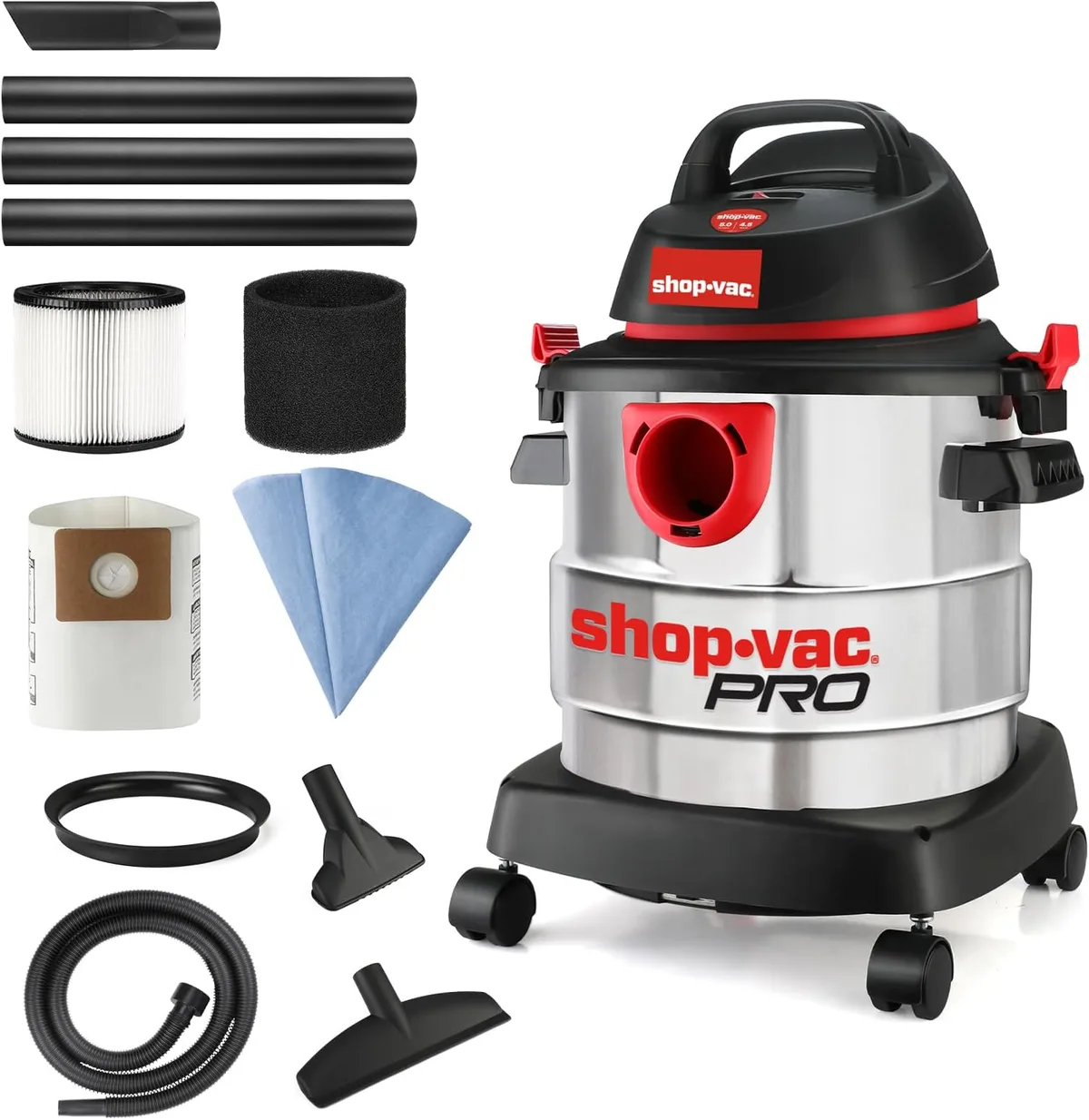
Image source: Web (Bing) / amazon.com (Web image (fair-use with source credit))
Why This Comparison Actually Matters
Why not just pick the most popular one? Because wet/dry vacuums are built around specific jobs. A machine that's great on a construction site will feel clumsy indoors, and a tiny cordless unit won't last two minutes on a flooded basement floor.
The two biggest mistakes we see in buyer feedback are buying too much vacuum and buying too little. If you mostly clean a car interior, a 16-gallon steel barrel is overkill. If you're vacuuming drywall dust all day, a basic paper-filter shop vac will blow fine particles back into the air.
The real difference comes down to three variables: tank size, power source, and filter type. Get those right, and brand names matter less. Get them wrong, and suction drops just like a pool vacuum with weak suction in the middle of a clean.
That's why this guide walks through the trade-offs one by one. We'll compare corded, cordless, and dust extractor options, then match them to real scenarios like basements, workshops, cars, and construction cleanup.
Quick Answer: What to Look for in a Wet/Dry Vacuum First
What is the best wet/dry vacuum? The one that matches your mess. Start with tank size, filter type, and power source.
Most homes need an 8 to 12 gallon corded unit. Cars suit a 5 gallon cordless, while drywall dust demands HEPA-rated extraction.
That short version covers 80% of buyers. The sections below explain why these picks work, and when you should ignore them.
The Big Three Options: Corded, Cordless, and Dust Extractors
There isn't one type of wet/dry vacuum. You actually have three broad families, and each one exists for a reason.
Corded Wet/Dry Vacuums: Power Without Limits
Corded wet/dry vacuums are the classic shop vac. They plug into a wall outlet, draw continuous power, and never fade as the battery drains. These are the workhorses of garages and workshops.
Most corded models range from 2.5 gallons up to 16 gallons or more. The larger steel-bodied units usually have stronger motors, bigger hoses, and more capacity. They also weigh more and need dedicated storage space.
If you vacuum up heavy debris, water, or construction dust, this is the safest bet. You'll never worry about runtime. You simply roll it out, plug it in, and work until the job finishes.
The downsides are real though. Corded vacuums tether you to an outlet. Extension cords become part of your routine.
Carrying a 14-gallon tank up and down stairs gets old fast.
Cordless Wet/Dry Vacuums: Convenience With Trade-Offs
Cordless wet/dry vacuums are the newer wave. These run on battery systems like 20V or 60V platforms, and they're built for quick cleanup, car detailing, and tight spots where cords can't reach. In our research, this segment has grown quickly because many users already own the batteries from drills or saws.
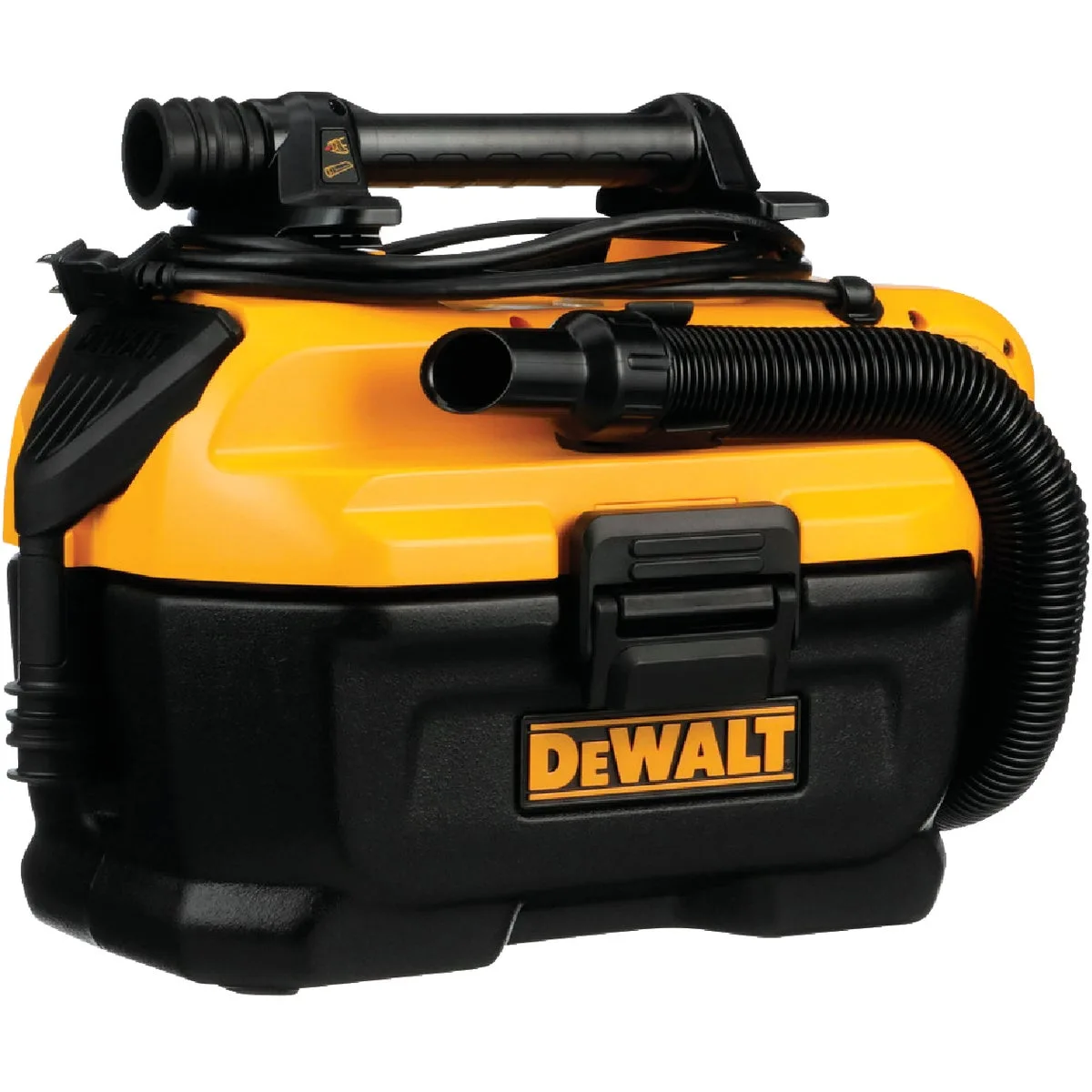
Image source: Web (Bing) / nellisauction.com (Web image (fair-use with source credit))
The catch is runtime. Most cordless models give you 15 to 30 minutes of active suction, depending on load and battery size. A clogged filter or caked-on dust can cut that runtime dramatically.
Smaller tanks, usually 2 to 6 gallons, also mean more frequent emptying.
For cars, apartments, and spot messes, cordless is genuinely better. You get grab-and-go convenience, no cord untangling, no outlet hunting. For a flooded basement or a full renovation, the corded unit wins.
Most people we've counseled end up keeping both kinds.
If you already own a battery platform, stick with that brand for the vacuum. That way you share batteries across your tools, and the charging routine stays simple.
Dust Extractors: The Pro-Grade Upgrade
Dust extractors look like wet/dry vacuums but do a different job. They're engineered to capture fine dust at the source, like drywall sanding or concrete cutting. The key difference is a sealed HEPA filter system that prevents leaks.
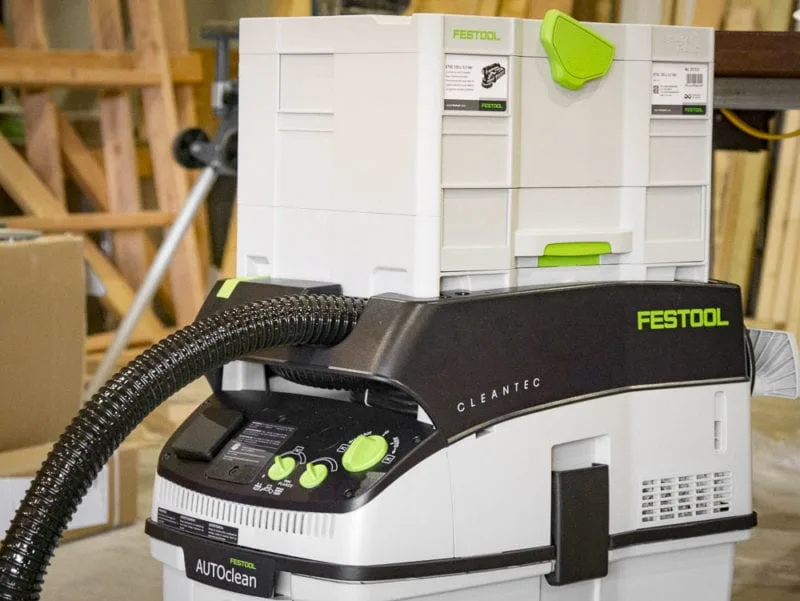
Image source: Web (Bing) / protoolreviews.com (Web image (fair-use with source credit))
These are not home shop vacuums. Dust extractors are expensive, often $200 to $600, and they're meant for trades. If you're doing construction work that generates silica dust, OSHA's silica standard requires a dust extractor with HEPA filtration.
That's not a marketing suggestion. It's a compliance issue.
But for a typical homeowner, a dust extractor is overkill. A standard wet/dry vac with a good cartridge filter handles sawdust and workshop debris fine. Save the pro-level price tag for people who breathe drywall dust every day.
Side-by-Side: Key Specs and Trade-Offs
Let's put the three options next to each other. This table summarizes the specs and what they mean for your wallet and your messes.
| Feature | Corded Wet/Dry | Cordless Wet/Dry | Dust Extractor |
|---|---|---|---|
| Typical tank size | 5 to 16 gallons | 2 to 6 gallons | 2 to 9 gallons |
| Power source | Wall outlet | Battery (20V to 60V) | Wall outlet |
| Airflow (CFM) | 100 to 200+ | 50 to 90 | 100 to 150 |
| Runtime | Unlimited | 15 to 30 minutes per charge | Unlimited |
| Best for | Heavy shop, floods, construction | Cars, quick indoor cleanup | Drywall dust, concrete dust |
| Price range | $50 to $180 | $100 to $250 | $200 to $600 |
| Filter care | Cartridge or bag | Cartridge or foam | HEPA, plus pre-filter |
The most important column isn't power. It's "best for." If you buy a wet/dry vac without thinking about where it will live, you'll end up with the wrong tool.
Look at noise too. Corded models with high airflow can push 70 to 80 decibels. That's loud enough to require hearing protection for long jobs.
Cordless models run a bit quieter but still aren't silent. Size, weight, and hose length also matter more in real life than peak horsepower on the box.
And don't underestimate a good hose. A cheap hose that kinks is as annoying as watching a pool hose fold flat mid-clean. Choose a model with a ribbed, crush-resistant hose if you can.
Best Wet/Dry Vacuums for the Workshop
For workshop use, the sweet spot is a corded wet/dry vacuum with a 10 to 16 gallon steel tank. You want volume because sawdust and wood chips fill bags fast. You want power because you're often vacuuming after saws, planers, and other tools that create heavy debris.
A good workshop vac should also have a blower port or reverse-air feature. That lets you blow sawdust out of corners instead of trying to vacuum it. It doubles as a way to clear leaves from the garage.
Many owners find this function becomes a primary feature faster than expected.
Look for a wide hose, at least 1.5 inches or 2 inches in diameter. A narrow hose plugs instantly when you suck up a wood shaving. And if you're always connecting your vacuum to a sander, check for a power take-off outlet.
That way the vac turns on automatically when the tool powers up.
Routine upkeep matters too. Empty the drum before it gets full, and check the filter after every big project. That lesson carries over, whether you're keeping a filter clean or washing the cartridge in your shop vac.
For most weekend woodworkers, a mid-range 10-gallon corded unit costs $80 to $120 and handles everything. Pair it with a squeegee floor nozzle and an extension wand, and you're set for years.
Best Wet/Dry Vacuums for Cars and Auto Detailing
Cars don't need a 16-gallon tank. They need portability, a narrow crevice tool, and enough battery to get through seats and floor mats. In our research, most auto-detailing buyers land on a compact 3 to 5 gallon cordless unit.
If you're already on a battery platform like DEWALT 20V or Milwaukee M18, buy the vacuum that matches it. You get shared batteries and faster charging across your tools. For wet spills like coffee or melted ice, swap in the foam sleeve and leave the paper filter out.
One warning: cordless models with 1.25 inch hoses can clog on pet litter or pebbles. Vacuum those spots first with a crevice tool. A squeegee attachment works on wet seats, but a microfiber towel picks up more after.
For families with kids and pets, the answer is two machines. A small cordless for daily touch-ups, plus a 5 gallon corded for weekend deep cleaning. That combo covers everything from French fries under the seat to a muddy trunk after hiking.
Best Wet/Dry Vacuums for Basements and Wet Messes
Wet pickup is where wet/dry vacuums earn their name. Basement leaks, burst washing machine hoses, and planter overflows all demand a machine that won't quit when liquid shows up. Choose a corded model for water work.
You don't want the battery dying halfway across the floor.
A drain spout matters more than brand on this front. A 10 gallon tank filled with water weighs around 80 pounds. A drain spout saves your back.
A float valve is non-negotiable. It shuts off suction when the tank reaches capacity, keeping water away from the motor.
If you buy a budget unit, check that the float moves freely. Some cheap machines have a float that sticks, and that's a motor-killing defect. Use a GFCI outlet whenever you're on a wet surface.
Water and electricity don't mix, and a ground-fault circuit interrupter costs almost nothing.
For shallow puddles, any 8 to 12 gallon home model works well. For serious flooding, you want a dedicated pump or a professional water extractor. A wet/dry vac is a spill solution, not a sump pump replacement.
Best Wet/Dry Vacuums for Construction and Drywall Dust
Construction dust isn't just messy. It's a health hazard. Drywall contains crystalline silica, and inhaling silica dust can cause serious lung disease over time.
That's why OSHA's silica standard requires HEPA-grade dust extraction for regulated work. A standard shop vac blows a plume of ultra-fine dust right back into the room.
If you're doing even a weekend project, use a HEPA filter at minimum. Don't skip the disposable bags. Bags make cleanup easier and stop fine dust from choking the cartridge filter.
The bag fills, you toss it, and the filter stays clean.
Make sure the vacuum is properly sealed and the filter seats correctly. Gaps in the filter gasket defeat the whole purpose. If you're renovating a full home, buy a proper dust extractor.
These units are rated for this work, and many come with anti-static hoses for power tools.
For regular sawdust and wood shavings, a standard cartridge filter and a 10 to 12 gallon tank are fine. Save the pro-grade unit for drywall and concrete work. Routine care keeps these machines running longer, and the same maintenance habits apply to your other equipment.
Common Mistakes That Ruin Wet/Dry Vacuums
Most wet/dry vac failures aren't motor defects. They're user errors, and they're all avoidable. The number one mistake is vacuuming water with a paper filter or cartridge filter.
It clogs and collapses instantly. Use the foam sleeve for wet jobs, every time.
Mistake number two is letting the tank fill past the float. Water pours straight into the motor and shorts it out. Drain the tank before it's full, especially when you're picking up a large spill quickly.
Stopping to empty is faster than replacing a motor.
Filter neglect is next. A clogged filter kills suction faster than any weak motor. Many owners blame the wrong part.
The same clogging issues appear in robotic pool vacuums, and the fix is identical: clean or replace the filter on schedule.
Hoses cause their own headaches. One wrong bend can turn a smooth job into a frustration, very similar to a collapsed hose in a pool setup. If suction drops suddenly, check the hose before taking the vacuum apart.
The final mistake is using a fine dust filter for large debris, then wondering why it plugs. Match the filter to the junk. For big chips, use a paper bag or no filter at all.
For drywall dust, use HEPA. For liquids, foam only.
Filters, Hoses, and Accessories: What's Worth the Upgrade
The filter is the heart of any shop vacuum. A quality reusable cartridge filter costs $15 to $40 and can last years if you clean it. That's worth the money.
A foam sleeve is a must-have for wet jobs, usually $5 to $15. A HEPA filter runs $30 to $60 and earns its keep for fine dust.
Hoses matter more than people think. A 1.25 inch hose handles general dry debris, but a 1.5 or 2 inch hose handles pebbles and sawdust without clogging. The wider diameter keeps airflow high, so the motor doesn't strain.
If you plan to connect your vacuum to a sander, look for a power take-off outlet or an anti-static hose.
A few accessories are genuinely worth the upgrade. A crevice tool for cars, a squeegee floor nozzle for water, and a short extension wand for tight corners. Blower ports turn your vacuum into a leaf blower for the garage.
The best purchase is the one that matches your most common mess, so buy for the job, not the brand.
What Should You Budget? A Realistic Price Breakdown
You can spend anywhere from $40 to $600 for a wet/dry vacuum. Both extremes make sense, just for different people. A $50 corded 5-gallon handles light garage duty.
A $250 cordless 3-gallon shines for car use.
The sweet spot for most homes is $80 to $150. That buys an 8 to 12 gallon corded model with a cartridge filter and drain spout. Add $20 for a foam sleeve, and you're covered for wet jobs.
Don't forget long-term costs. Replacement HEPA filters run $30 to $60. Disposable bags are $10 to $30 for a multi-pack.
A quality machine with routine upkeep will outperform a cheap one that needs constant parts.
Final Verdict: Match the Vac to Your Mess
Here's the short version of everything above. If you're setting up a shop, buy a 10 to 16 gallon corded unit with a wide hose. If you're detailing cars, a 3 to 5 gallon cordless model on your existing battery platform wins.
For a basement leak, get an 8 to 12 gallon corded vac with a drain spout and float valve.
For drywall and concrete dust, don't cut corners. A sealed HEPA dust extractor is the only real choice. That extra cost protects your lungs, and that's worth more than any spec sheet.
Get the filter type and tank size right, and the brand matters far less. Get them wrong, and no amount of horsepower will save you. Match the vacuum to your mess, and you'll wonder how you lived without one.
Frequently Asked Questions
Can I use a wet/dry vacuum to pick up water?
Yes, that's exactly what it's built for. Swap the paper filter for a foam sleeve first, and never let the tank overfill. The float valve stops suction automatically, but it's not a reason to ignore the tank level.
Do I need a HEPA filter?
Only if you're dealing with fine dust like drywall, concrete, or insulation. For regular sawdust and garage debris, a standard cartridge filter works fine. HEPA is a must for anyone working on silica-generating materials or dealing with allergies.
What size wet/dry vacuum should I buy?
Match the tank to the mess. Small cars and quick cleanups work with 3 to 5 gallons. A workshop needs 10 to 16 gallons.
Basement water pickup calls for at least 8 gallons, and a drain spout makes a huge difference.
How often should I clean the filter?
Clean the cartridge filter when suction drops noticeably. For heavy drywall or concrete work, check it after every job. A quick blast with compressed air or a rinse with water keeps it working like new.

