

What is the best shop vacuum for cars? That's the question you probably landed on after dragging your regular vacuum to the driveway and watching it choke on sand, pet hair, and coffee grounds. It didn't work, and that's not your fault.
A standard household vacuum just isn't built for the tight spaces, deep carpet fibers, and damp spots that car interiors throw at it.
Manufacturer specifications indicate that most consumer wet/dry shop vacuums deliver between 50 and 160 CFM of airflow at the nozzle. That airflow is the difference between a vacuum that skims dirt off the surface and one that pulls it out of the fabric. So before we get to specific picks, let's look at what makes a shop vacuum genuinely useful on car duty.
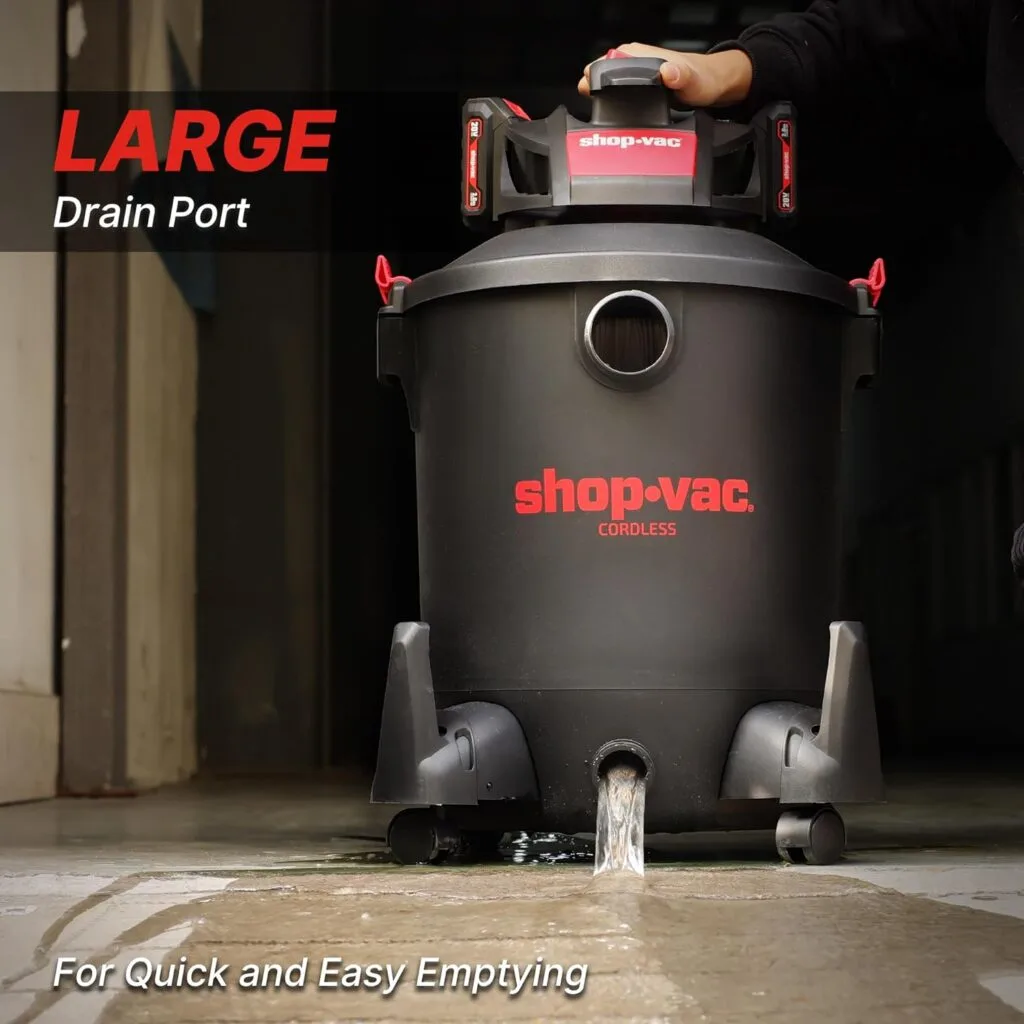
Image source: Web (Bing) / smartvacguide.com (Web image (fair-use with source credit))
Why Your Regular Vacuum Can't Cut It in a Car
Car carpet is denser and lower-pile than most home flooring. Sand and winter road salt sink into the weave almost immediately. A home vacuum picks up the surface debris, but it leaves the fine grit behind.
That's why you still feel granules under your shoes after a long session.
The hose is the second problem. Most upright vacuums and handheld units have a fixed nozzle and a stretchy hose that barely reaches the footwell. You can't get the head flat against the carpet under the seat.
A shop vacuum with a 1.25-inch or 1.5-inch hose can reach into those spots, which is why detailing shops use them almost exclusively.
Then there's liquid pickup. A spilled drink, melted snow from boots, or a damp seat mat after a car wash can wreck a regular vacuum's motor. Wet/dry shop vacuums are built to handle fluids and solids in the same tank.
If you've ever fought with weak pickup on any vacuum, you know the frustration. A full tank, a dirty filter, or a kinked hose is usually behind it. Checking those three things first saves you from assuming the motor is dead.
A quick look at the hose path and filter will pinpoint most problems before you ever open the machine.
Quick Answer: The Best Shop Vac for Cars Right Now
The best shop vacuum for cars is a corded 5-gallon wet/dry model with strong CFM. Add a 1.5-inch hose and you can reach the rear footwells. Cordless models work, but expect shorter runtimes.
The sweet spot is a 5-gallon unit with a cartridge filter and crevice tool. It cleans floor mats, upholstery, and spills without dragging a giant tank around. Prices land between $60 and $120.
That's all you need.
The Only Specs That Matter for Car Cleaning (Skip the Marketing)
Walk into any hardware store and you'll see "peak horsepower" splashed across the boxes. Ignore it. That number is calculated from the motor's starting current, and it has nothing to do with real cleaning power.
What you actually need are two numbers: CFM and water lift.
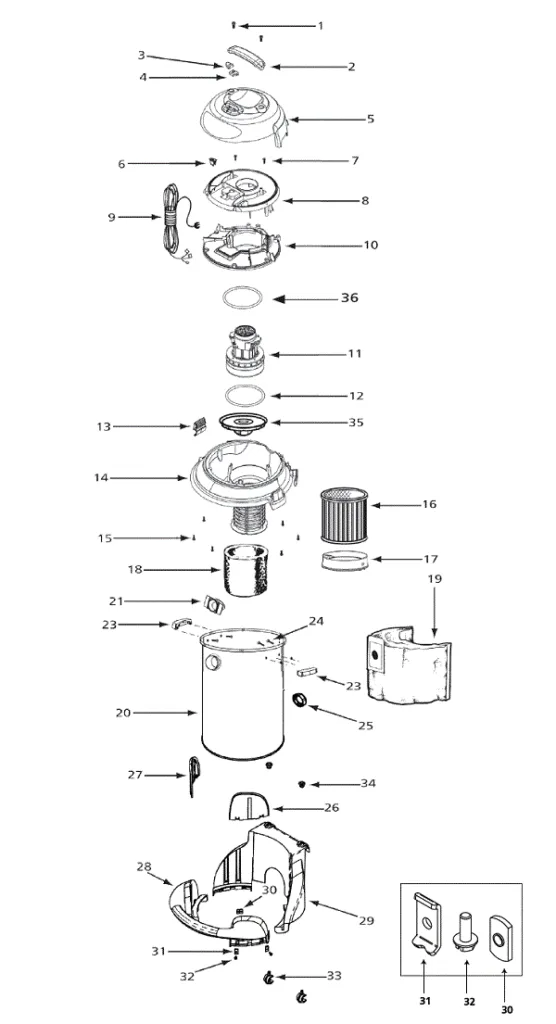
Image source: Web (Bing) / vacuumsrus.com (Web image (fair-use with source credit))
CFM, or cubic feet per minute, measures the volume of air moving through the nozzle. Higher CFM means more air flows across the surface, which helps you vacuum a wide area without going over it seven times. For car interiors, 80 to 120 CFM is the comfortable working range. Most corded 5-gallon to 10-gallon shop vacuums in the mid-price tier sit right there.
Water lift measures suction pressure, expressed in inches of water lift. It tells you how strongly the vacuum pulls against a sealed surface. That's what lifts embedded dirt out of carpet fibers. Look for a water lift of at least 50 inches for car work.
Anything below that struggles with pet hair ground into seat fabric.
Tank size matters less than you'd think. A 2.5-gallon unit is fine for a quick weekly tidy-up. A 5-gallon tank holds a full interior's worth of debris and is still light enough to carry with one hand. Larger tanks, 10 gallons and up, add weight and make the whole assembly harder to haul around a car.
They also don't clean any better.
Hose diameter is the hidden variable. A 1.25-inch hose is easier to maneuver and fits into narrow gaps, but it clogs on pine needles and gravel. A 1.5-inch hose gives you a better balance of reach and debris flow. It's the size we prefer for automotive detailing.
Two-inch hoses move lots of air, but they're too stiff and bulky for tight car interiors.
The filter type shapes your daily experience. Cartridge filters are washable and do the best all-around job for dry pickup. Foam sleeves are for wet pickup and need to be swapped in when you vacuum standing water. HEPA filters capture ultra-fine dust, which is worth considering if you do a lot of interior work and have allergies.
For fine particles, the U.S. Environmental Protection Agency recommends HEPA filtration to keep dust from recirculating into the air.
Whatever filter you choose, keep it clean. A clogged filter cuts effective airflow by half before you notice. The same filter hygiene rules apply to robotic pool vacuums, where a dirty screen kills suction quickly.
Corded vs. Cordless: Which Makes More Sense for Your Garage and Car?
This is the fork in the road. Corded is the safe default for nearly everyone. Cordless is the convenience pick, but it comes with real trade-offs.
Corded shop vacuums give you unlimited runtime and consistent suction. A typical 4-amp to 6-amp motor on a corded unit pulls harder than most battery-powered models in the same price range. The downside is the cord itself. If your car sits far from a garage outlet, you'll need an extension cord rated for the vacuum's amperage.
That's an extra purchase. However, the price per unit of suction is significantly better on corded machines.
Cordless shop vacuums shine when portability wins. If you clean your car in an apartment parking lot or at a self-serve wash bay, a battery-powered unit eliminates the outlet problem entirely. You can walk around the entire vehicle without tripping over cords.
The catch is runtime. Most 20V and 40V cordless models in the $100 to $200 range deliver somewhere between 15 and 25 minutes of actual cleaning per charge. That's enough for a light refresh, not a full interior deep clean.
If you plan to vacuum floor mats, seats, and the trunk in one go, the battery will often die before you finish.
One more thing to consider: battery platforms. If you already own a 20V drill or impact driver from DeWalt, Milwaukee, or Ridgid, a cordless shop vacuum from the same brand shares the same battery. That makes the upfront cost easier to swallow, because you already own spare batteries.
If you're starting from nothing, a corded model is the smarter first buy.
Here's a quick breakdown:
| Feature | Corded | Cordless |
|---|---|---|
| Runtime | Unlimited | 15 to 25 minutes |
| Suction | Strong and consistent | Drops as battery drains |
| Convenience | Needs outlet and extension cord | Walk freely around the car |
| Typical price | $50 to $120 | $100 to $250 |
| Best for | Garage owners, detailed cleanings | Quick touch-ups, no outlet nearby |
For most people, the corded route wins. But if you have battery platform loyalty or no garage outlet, cordless is a legitimate option.
The Best Corded Shop Vacs for Cars
Best Overall
The models that win in this category share the same recipe: a 5-gallon polymer tank, a 1.5-inch hose, and a washable cartridge filter. The Ridgid WD4070 remains a strong example because of its tool-free filter access and the sturdy hose assembly that doesn't kink when you stretch it across a back seat. Vacmaster sells similar hardware at slightly lower prices, usually with the same accessory set bundled in.
Shop-Vac's 5-gallon units are also solid, and they tend to include automotive attachments right out of the box.
Expect to pay between $80 and $110 for this class. What you're getting is strong suction, a decent hose length, and onboard storage for the attachments. These units run loud, usually around 82 to 85 decibels.
Wear basic hearing protection if you're spending more than a few minutes with them.
Runner-Up
If you need more reach without stepping up to a commercial machine, look at a 6.5-gallon corded unit with a longer hose. DeWalt and Craftsman both offer models with 12-foot hoses and 4-amp motors that handle car interiors comfortably. The extra tank capacity means fewer trips to the trash can, but it makes the assembly heavier to haul around.
For owners of trucks, vans, and large SUVs, the extra reach is worth the weight.
Budget Pick
Under $50, you're looking at 2.5-gallon corded units from Shop-Vac or Armor All. These are compact and genuinely handy for quick weekly cleanups. Their CFM ratings sit closer to 60 to 80, so they pick up loose crumbs and pet hair without complaint.
They just don't pull deep-set sand out of carpet the way a bigger motor can. If your car stays reasonably clean and you only need a maintenance vacuum, this is a perfectly honest choice.
Whatever you buy, confirm the motor carries a UL certification for electrical safety. That mark tells you the components meet recognized standards for fire and shock risk, which matters when you're vacuuming damp mats and standing water.
Also remember that a hose is only as good as its routing. A stiff hose that won't bend around a seat frame turns every car detail into a wrestling match. The same kinking and collapsing behavior shows up across vacuum types, so handle a unit in the store before you commit if that's an option.
The Best Cordless Shop Vacs for Cars
Best Cordless Overall
The Milwaukee M18 and DeWalt 20V Max series lead this category for good reason. Both accept existing platform batteries, which is a huge win if you already own their tools. Their motors deliver roughly 75 to 95 CFM, and their runtime lands between 15 and 25 minutes per charge.
That's enough for floor mats and seats if you work efficiently.
These units shine when your car never sits near an outlet. Street parking, apartment garages, and shared lots make cordless the only practical option. Aggregate reviews also highlight their low noise compared to corded models.
That matters when you're cleaning at 7 AM without waking the neighbors.
Best Value Cordless
Ridgid's 18V cordless wet/dry vac is the budget choice that still performs. It shares batteries with Ridgid's power tools and costs less than the premium brands. Its smaller tank means you'll empty it halfway through a full interior, but it's light enough to hold in one hand while you vacuum seat crevices.
If you don't have a battery platform at all, expect to pay $130 to $180 for a complete kit with batteries and charger. That's the same price as a top-tier corded unit plus some extra accessories. Just set your expectations on runtime.
Side-by-Side Comparison: Specs, Prices, and Real-World Suction
Here's a clean comparison of the four realistic buying paths you'll face. Real-world suction depends on filter state and hose length, so treat these numbers as starting points.
| Type | Tank Size | CFM Range | Water Lift | Price Range | Best For |
|---|---|---|---|---|---|
| Budget corded | 2.5 to 3 gallons | 60 to 80 | 40 to 55 inches | $40 to $60 | Quick weekly cleanups |
| Mid-range corded | 5 gallons | 90 to 120 | 60 to 80 inches | $70 to $110 | Most people's daily driver |
| Large corded | 6.5 to 10 gallons | 110 to 150 | 70 to 90 inches | $100 to $180 | Trucks, SUVs, detailing work |
| Cordless kit | 1 to 3 gallons | 60 to 95 | 40 to 65 inches | $100 to $250 | No outlet nearby |
A 5-gallon corded unit with 100 CFM and 70 inches of water lift covers nearly everyone. That spec profile cleans pet hair, sand, and spills without requiring a second pass. The larger corded unit only matters if you detail cars professionally or vacuum heavy debris from truck beds.
Which Shop Vac Should You Buy? Matching a Vacuum to Your Driving Life
If you clean your car in a garage with a wall outlet, buy a corded 5-gallon unit. That's the fastest path to strong suction at a fair price. Choose one with a cartridge filter and a 1.5-inch hose.
If you park on the street and have a battery platform, go cordless. Stick to the platform you already own to avoid buying new chargers. Accept the runtime limit and vacuum in sections across multiple days if needed.
If you drive a truck or large SUV, spend a little more for a 6.5-gallon or larger model. The extra hose length helps you reach the rear of a truck cab. Most compact units fall short there.
If you're a mobile detailer, skip consumer models altogether. Look for a vacuum rated for daily professional use, often marketed as a "detailer's vac." These have stronger motors and longer warranties, and they justify the higher price through reliability.
The Attachments That Actually Help in a Car (And Which to Skip)
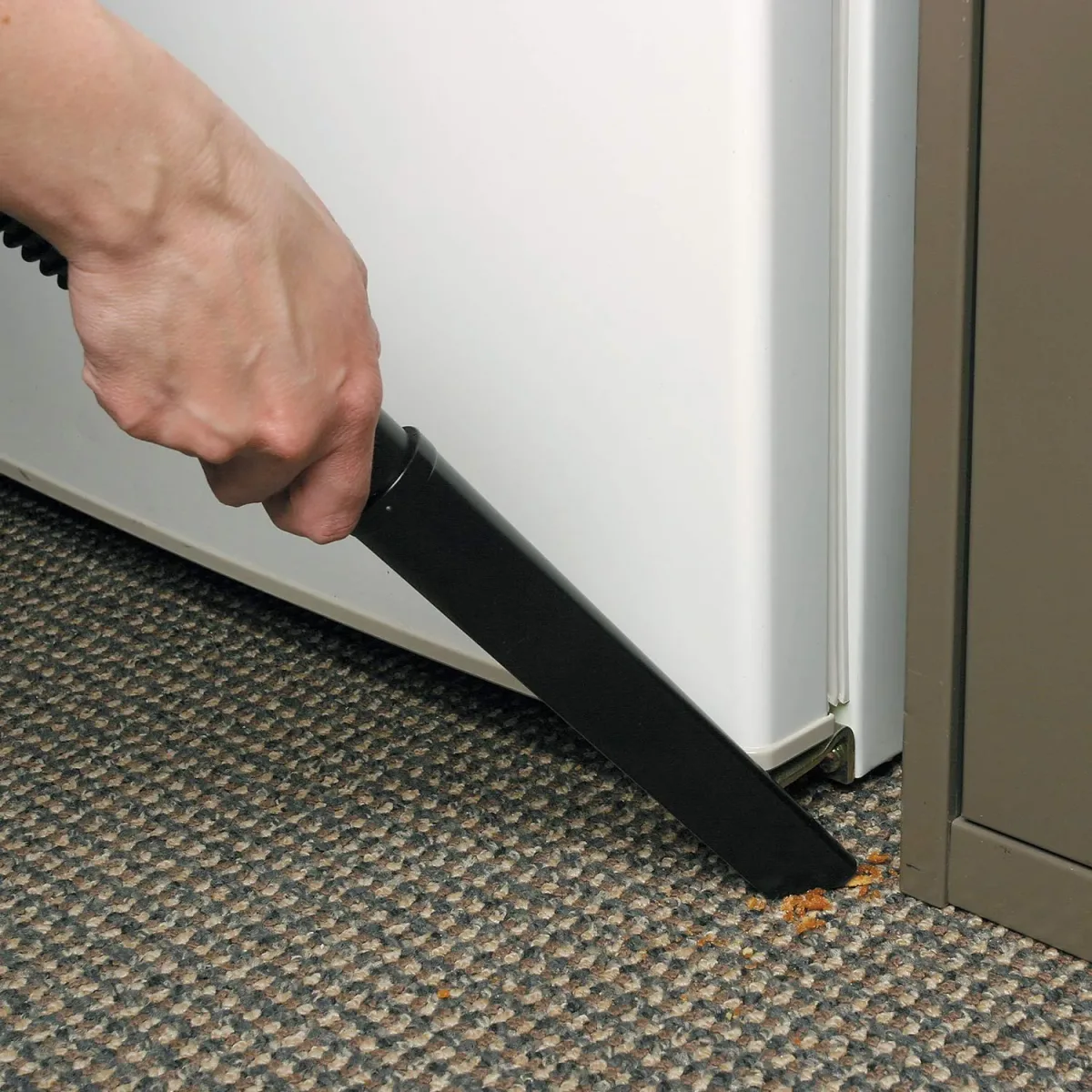
Image source: Web (Bing) / vacuumop.com (Web image (fair-use with source credit))
A crevice tool is the single most useful attachment for car interiors. It slides between seats and the center console, reaches under pedals, and digs crumbs out of the gap where the seat meets the backrest. Make sure your vacuum includes one that's at least six inches long. If the nozzle stalls on a bulky piece of debris, remove it and clear the airway.
The same unclogging steps you'd use on any vacuum head work here.
A rubberized detailing nozzle is the second must-have. It's wider than a crevice tool but softer, so it won't scratch plastic trim. This is what you use for daily carpet cleanup and seat vacuuming. Pair it with a brush attachment if you need to loosen embedded debris without pressing hard.
Skip the giant wide-floor nozzle. It's designed for garage floors and pushes dirt sideways instead of lifting it. Also skip any attachment with a stiff bristle edge if your car has removable all-weather mats. Those bristles leave visible wear marks after repeated passes.
Mistakes to Avoid When Buying a Shop Vac for Automotive Detailing
Choosing a huge tank "just in case" is the most common error. A 12-gallon or 16-gallon wheeler weighs 30 pounds empty and is miserable to drag around a car. You'll dread using it, and then your car stays dirty.
Buying on peak horsepower is the second mistake. That number is meaningless for real cleaning. Trust CFM and water lift specifications, not the big bold font on the box.
Ignoring hose length is the third. A 6-foot hose is only half useful. Look for at least 8 feet so you can work from one side of the car to the other. You can also buy a longer hose separately, but that adds $25 to $40 to your real total.
Forgetting filter maintenance is the quiet killer. A clogged filter cuts suction dramatically, and most owners don't notice until the vacuum seems useless. If that happens, walk through basic suction troubleshooting before replacing parts. Also confirm your vacuum's motor is UL-listed for safe operation near moisture.
Maintenance 101: Keeping Your Shop Vac From Smelling, Clogging, or Losing Suction
Empty the tank before it reaches the top. A full tank cuts airflow fast, and wet debris starts smelling within hours. Rinse the tank with clean water after wet pickup and let it dry completely before storing.
Leaving moisture inside is the fastest way to grow mildew.
Clean the filter every five uses or after heavy dust sessions. Tap it outside to loosen dirt, then rinse it with water if the manufacturer allows. Let the filter air dry fully before reinstalling, because moisture can damage the motor.
A clean filter means consistent suction.
Check the hose for cracks every few months. Polyurethane hoses tolerate more flex than PVC, but both wear out eventually. A bent hose can easily cut airflow in half.
Check your hose for sharp bends whenever suction dips. Store the vacuum indoors, away from direct sunlight and freezing temperatures, to extend the hose and filter life.
FAQ: Common Questions About Vacuuming Cars
Can I use a shop vacuum to pick up water from a car floor?
Yes, but you must remove the cartridge filter first and install a foam sleeve. That keeps the water from soaking the dry filter, which ruins it and restricts airflow. After wet pickup, empty the tank immediately and rinse it with clean water to avoid mildew.
How many CFM do I need to vacuum a car?
You want at least 80 CFM at the nozzle. That level of airflow picks up sand, gravel, and pet hair in one pass. The suction pressure, measured in water lift, should stay above 50 inches for embedded dirt in car carpet.
Are expensive cordless shop vacuums worth it?
Only if you have no easy outlet access or you already own the brand's batteries. Cordless units cost twice as much as comparable corded models and run for 15 to 25 minutes. For straightforward garage use, a corded 5-gallon unit is still the better value.
Do I need a HEPA filter for car vacuuming?
Not usually. A washable cartridge filter is enough for normal dust and dirt. HEPA makes sense only if you vacuum construction dust or have severe allergies.
In that case, check that the vacuum is rated for HEPA filtration and that the filter seals tight around the motor.
Final Verdict: The One We'd Buy Again
If we had to pick one setup for most people, it's a 5-gallon corded wet/dry shop vacuum with a cartridge filter, an 8-foot 1.5-inch hose, and a crevice tool. That combination offers strong suction, manageable weight, and enough reach to clean a full car interior without moving the unit. As of 2026, expect to spend $80 to $110 for that spec.
The cordless route only wins when you're genuinely tied to a parking spot without power. If that's your situation, stick with the battery platform you already own so the batteries and charger don't double your cost. Either way, keep the filter clean and empty the tank after every use.
Remember that vacuum care carries across your whole garage and home. The routine maintenance that keeps a robotic pool cleaner running for years applies here too. Buy a reliable unit, treat it well, and it will handle your car, your garage, and your workshop for a long time.

