

Your shop vacuum just spent the afternoon sucking up a flooded basement, and now the filter is absolutely drenched. So you're wondering: How long should a shop vacuum filter dry? The simple answer is 12 to 24 hours, but it depends on filter type, how wet it got, and where you live.
Put it back too soon, and you'll end up with a musty vacuum and a motor that struggles.
Looking at manufacturer specs, most foam sleeves dry in 6 to 12 hours. Fully saturated pleated cartridge filters can need up to 48 hours. As of 2026, that guidance still holds across major brands.
Let's walk through the variables so you know exactly when it's safe to reassemble.
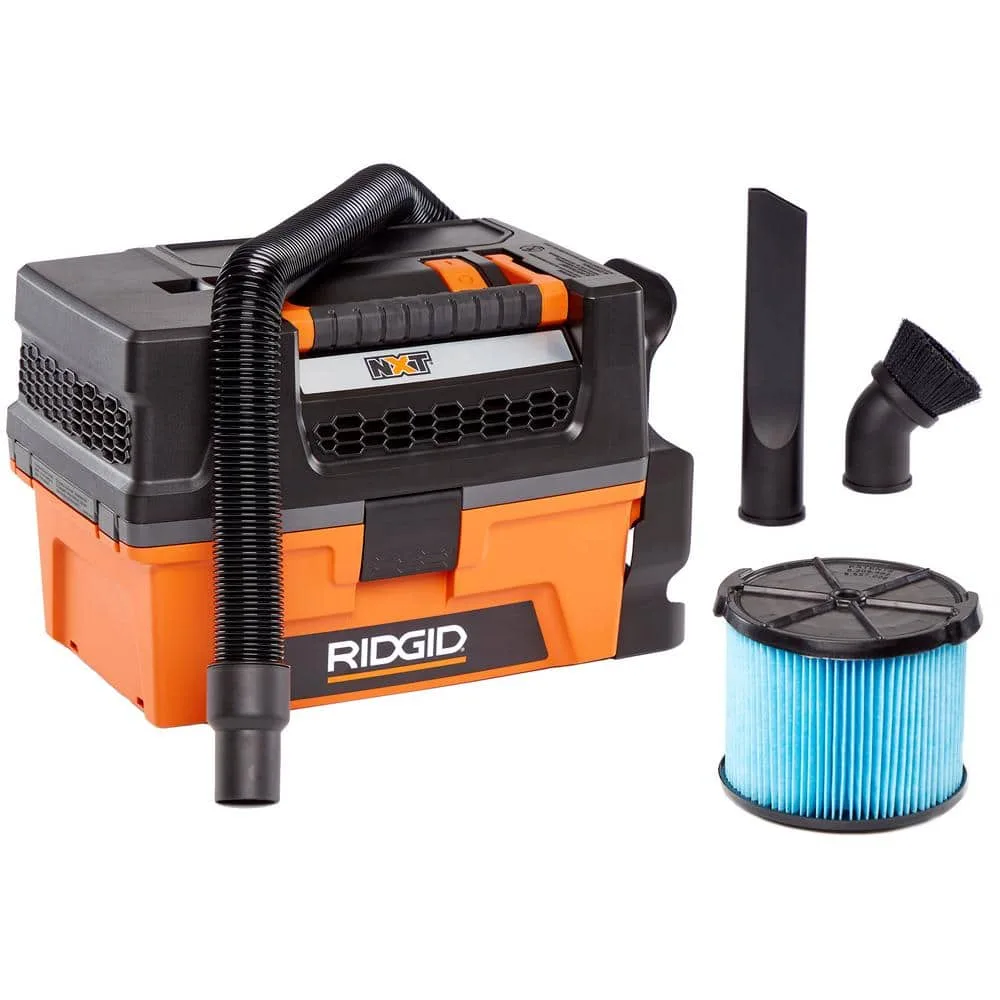
Image source: Web (Bing) / homedepot.com (Web image (fair-use with source credit))
Quick Answer: The Real Drying Time Range
A shop vacuum filter should dry for 12 to 24 hours before reuse.
Foam sleeve filters dry in 6 to 12 hours.
Pleated cartridge filters take 24 to 48 hours when soaked.
HEPA filters need at least 24 hours, often longer.
Always check for damp spots before reinserting.
What Actually Determines How Long a Filter Takes to Dry
There's no universal timer. The clock depends on a few physical realities you can actually control.
Three things matter most: what the filter is made of, how much water it absorbed, and the air around it while it sits. A thin foam sleeve in a dry, breezy room can be ready by morning. A thick pleated cartridge outside in humid weather might still be soggy two days later.
Here's a quick look at the factors that shift the timeline.
| Factor | Effect on Drying Time |
|---|---|
| Filter material | Foam dries fast; pleated paper and HEPA media hold more water |
| How saturated | Fully soaked filters can take twice as long |
| Airflow | A fan or open window cuts drying time by hours |
| Humidity | Above 60% humidity adds 6 to 12 hours |
| Temperature | Warm, dry air speeds things up; cold air slows them down |
Filter Material and Water Absorption
Every filter media behaves differently. Foam has open cells that shed water quickly. Pleated cartridge filters use dense fiber layers that trap moisture deep inside.
HEPA filters are the worst offenders because their fine mesh catches tiny particles and holds water like a sponge.
If you're running a basic foam sleeve, you've got an easy job. If you're drying a cartridge filter after a heavy wet pickup, expect a longer wait.
Room Temperature, Humidity, and Airflow
Your drying location is just as important as the filter itself. A heated garage with a fan blowing across the filter will dry it in hours. A damp basement with still, cool air can turn a 10-hour job into a 36-hour one.
Humidity is the silent killer. When relative humidity climbs above 60%, moisture that evaporates from the filter just hangs in the air around it. The drying process slows to a crawl.
If your drying spot feels humid, move the filter somewhere dryer or add airflow.
Filter Type Matters More Than You'd Think
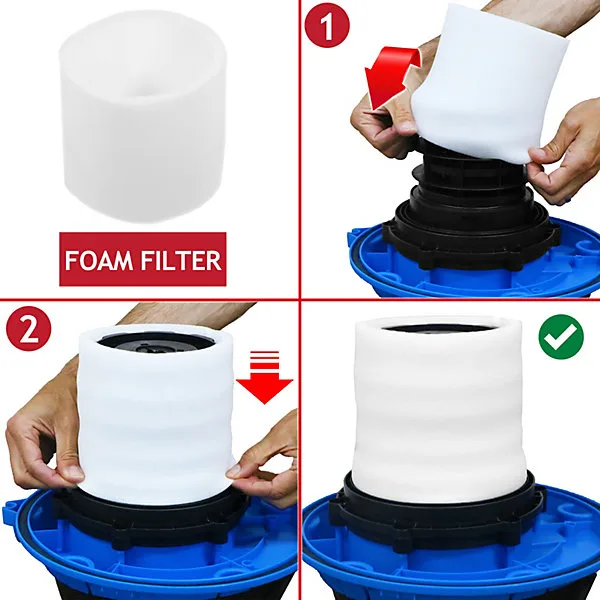
Image source: Web (Bing) / diy.com (Web image (fair-use with source credit))
Most shop vacs ship with one of two filter styles: a foam sleeve that slips over the motor cage, or a pleated cartridge that fits inside the vacuum body. Some premium models also offer HEPA filters. Each one dries differently, and treating them the same causes trouble.
Foam Sleeve Filters
Foam sleeves are the easiest to dry. You can usually rinse them, squeeze out the water, and lay them on a clean surface. They handle abuse well.
Drying time typically runs 6 to 12 hours in normal room conditions. If you're in a pinch, a foam sleeve can often be wiped down and reinstalled sooner, but let it finish drying to prevent musty odors.
Pleated Cartridge Filters
Pleated cartridge filters hold more water because of their folded surface area. They can look dry on the outside while staying wet in the folds. The safe window is 24 to 48 hours, depending on how soaked they got.
Tap the pleats loose, rinse gently, and let them sit on a folded towel or drying rack. Don't rush these.
HEPA Filters
HEPA filters require the most patience. Those fine fibers catch tiny particles, but they also trap water. Manufacturer guidance usually recommends at least 24 hours, and many users report needing closer to 48.
If a HEPA filter gets fully saturated, you may be better off replacing it. HEPA media degrades when soaked repeatedly, which affects its ability to trap allergens.
How to Dry a Shop Vac Filter Fast (Step by Step)
You don't need expensive gear. Just a few minutes of setup and a decent drying spot.
- Unplug the vacuum and remove the filter.
- Shake off loose debris and excess water.
- Rinse the filter under clean tap water. Use a gentle stream.
- Squeeze out water with your hands. Don't twist or wring it. That tears foam and damages pleats.
- Tap a pleated cartridge against a hard surface to knock trapped dust loose.
- Set the filter on a rack, elevated surface, or clean towel. Folds need air on both sides.
- Place it in a well-ventilated room. A fan pointing at it helps a lot.
- Check the filter the next day before reinstalling.
One quick note: if your wet/dry vacuum is used mainly for sawdust and dry debris, a damp filter can cause clumps to stick in the pleats. That's a recipe for lost suction. For more on that, check out our breakdown of handling sawdust with a wet/dry vacuum.
The EPA is also clear that wet materials should dry within 24 to 48 hours to prevent mold growth. That same rule applies to your filter. Give it a solid day, and you'll skip the mildew problem entirely.
How to Tell If a Filter Is Completely Dry
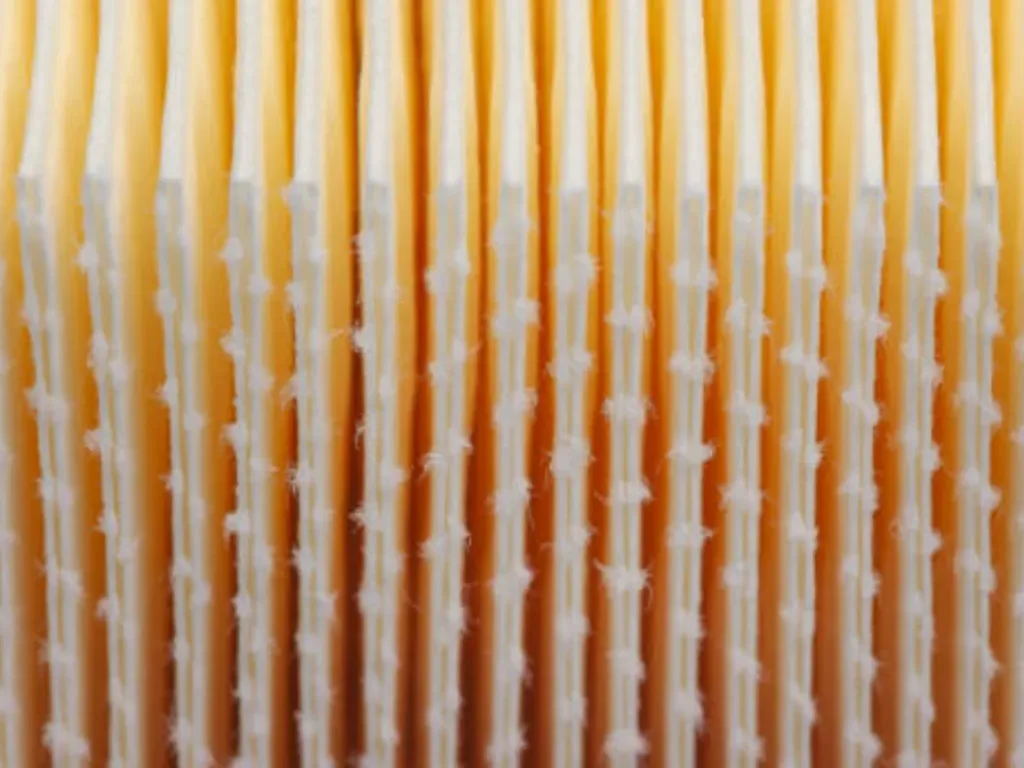
Image source: Web (Bing) / airyfilter.com (Web image (fair-use with source credit))
You can't just guess by looking. A filter can feel dry on the surface and still hold moisture deep inside. Here's how to check.
For foam filters, squeeze the foam firmly. If any water beads appear between your fingers, it's not ready. A dry foam sleeve will be slightly stiff and lightweight.
For pleated cartridge filters, press your thumb into the folds. Dampness there means you need more time. You can also hold the filter close to your cheek.
Wet paper and plastic feel cool against your skin, even when the outside is dry.
The best test is the weight test. Weigh the filter before you use it, then compare that to its condition after cleaning. A dry filter should feel close to its original weight.
If it feels heavy, water is still trapped inside.
Another clue is smell. A damp filter develops a musty, earthy scent within 24 hours. If you catch that odor, stop and keep drying.
Reinstalling a damp filter invites mold to grow inside your vacuum, which then spreads smells every time you use it.
Mistakes That Ruin Filters and Vacuum Motors
Most filter problems come down to impatience. You're in a hurry, the filter feels sort of dry, and you slap it back in. Hours later, the vacuum smells like a swamp.
Avoid these common errors and your filter will last years.
- Reinstalling a damp filter. This is the number one cause of musty odors and motor damage.
- Twisting or wringing a foam filter. You tear the cell structure and ruin its ability to trap dust.
- Using a paper dry-use filter for wet pickup. The cardboard pleats melt and collapse.
- Leaving a wet filter inside the vacuum. Trapped moisture breeds mold in the housing.
- Drying in direct sunlight. UV light degrades foam and makes pleated paper brittle.
If you're also dealing with dry debris, remember that a damp filter clumps sawdust into solid cakes. That kills suction fast. For a fuller look at how wet and dry material interact, check out our guide on handling sawdust with a wet/dry vacuum.
One more warning. Always unplug the vacuum before you remove the filter. Water near the motor is dangerous, and a running motor pulls moisture into places it shouldn't go.
Manufacturer safety sheets repeat this for a reason.
Speeding Up the Drying: What Works and What Doesn't
You can cut drying time dramatically without much effort. A clean, dry filter is about airflow and evaporation. Give it both and you'll be back to work in a few hours instead of a full day.
What actually works:
- Place the filter in front of a box fan or pedestal fan. Moving air pulls moisture out of the pleats.
- Roll a foam filter in a clean dry towel and press firmly. This squeezes out bulk water without tearing.
- Set the filter on a raised rack so air reaches both sides.
- Dry in a warm, low-humidity room. A heated garage in winter is surprisingly effective.
- Use a second filter. Swap them while one dries. This is the pro move.
What doesn't work:
- Microwaves. The heat melts foam and can ignite paper filters.
- Ovens and toaster ovens. Even on low, the heat warps plastic housings.
- Hairdryers on high heat. You'll singe the filter fibers before the moisture evaporates.
- Leaving it in the sun. UV damage makes the filter brittle and shortens its life.
If you're truly in a rush, the best strategy is having a spare filter on hand. They're not expensive, and a backup saves you from using a wet filter and wrecking the original. In our research, most major brands sell replacement filters for under $30, and a dedicated spare pays for itself after one emergency.
When It's Time to Replace the Filter Instead
Drying isn't always the answer. Some filters are beyond saving, and no amount of time will bring them back. Knowing when to replace saves you from chasing odors and weak suction.
Replace your filter if you see any of these signs:
- Visible mold spots that survive cleaning. Mold spores get deep into the media.
- A musty smell that returns, even after a full 48-hour dry.
- Tears, holes, or cracked pleats. Compromised filters let dust straight into the motor.
- A clogged surface that won't clear with tapping or rinsing.
- Pleated paper that's gone soft, warped, or discolored from water exposure.
A soaked HEPA filter is especially suspect. The fine media degrades when wet, and its filtration efficiency drops. If you rely on your vacuum for allergen control, don't gamble on a water-damaged HEPA filter.
Replace it.
Price matters here, but not in the way you'd think. A cheap generic filter can work fine, but it may not fit as snugly or filter as well as the manufacturer's part. Aggregate user reviews show that aftermarket filters are hit or miss for wet pickup.
Stick with the brand's original filter if you can.
Quick Decision Guide: Filter Drying Time by Situation
Here's the shortcut. Match your situation, check the time, and get back to work.
| Your Situation | Best Action | Typical Drying Time |
|---|---|---|
| Foam sleeve, small spill | Rinse, squeeze, air-dry near a fan | 6 to 12 hours |
| Pleated cartridge, fully soaked | Rinse, tap out water, dry on rack | 24 to 48 hours |
| HEPA filter, wet | Dry carefully, replace if smell persists | 24+ hours |
| Humid basement or wet season | Move filter to a dry room, add airflow | Add 6 to 12 hours |
| Need the vacuum again today | Use a spare filter, let the wet one fully dry | Swap immediately |
| Mold smell already present | Clean with mild soap, dry fully, or replace | Replace if odor returns |
Follow the right branch and you'll avoid the two biggest failures: reinstalling a damp filter and tossing a filter that just needed more time.
Frequently Asked Questions
Can I use a hairdryer to dry my shop vacuum filter?
Yes, but only on the cool setting. Low airflow works fine. High heat damages foam and warps pleated paper.
A fan is a safer, faster option anyway.
How do I dry a shop vacuum filter in winter?
Move the filter inside to a heated room. Place it near a fan or heating vent. Cold garages and sheds slow evaporation dramatically.
Indoor air at 70°F with low humidity dries most filters overnight.
Does a wet filter ruin a shop vacuum motor?
Only if you run it while the filter is still wet. Moisture gets pulled into the motor housing, where it can cause shorts and corrosion. Drying the filter completely protects the motor.
Can I wash my shop vacuum filter with soap?
Yes, for foam and pleated filters. Use a mild dish soap and warm water. Rinse thoroughly until all soap is gone.
HEPA filters can be rinsed but avoid soap, since residues reduce filtration efficiency.
Why does my shop vacuum smell after picking up water?
The filter is the likely culprit. Water sat in the filter media and bacteria grew. Clean the filter, dry it fully for a full 24 hours, and the smell usually disappears.
If it lingers, replace the filter.

