

Can robot vacuums clean rugs? Yes, but the honest answer is "it depends on the rug and the robot." A low-pile hallway runner is no problem. A thick shag area rug?
You might watch your robot bounce around, stop, and flash an error.
Manufacturer specifications and aggregate reviews show most robot vacuums handle rugs up to roughly 0.5 to 0.75 inches of pile height. As of 2026, popular models range from about 2,000 to 8,000 Pascals of suction. The Carpet and Rug Institute recommends regular vacuuming for any carpet that fits under your machine's clearance.
Let's sort out which rugs work, which ones don't, and how to set your robot up for success.
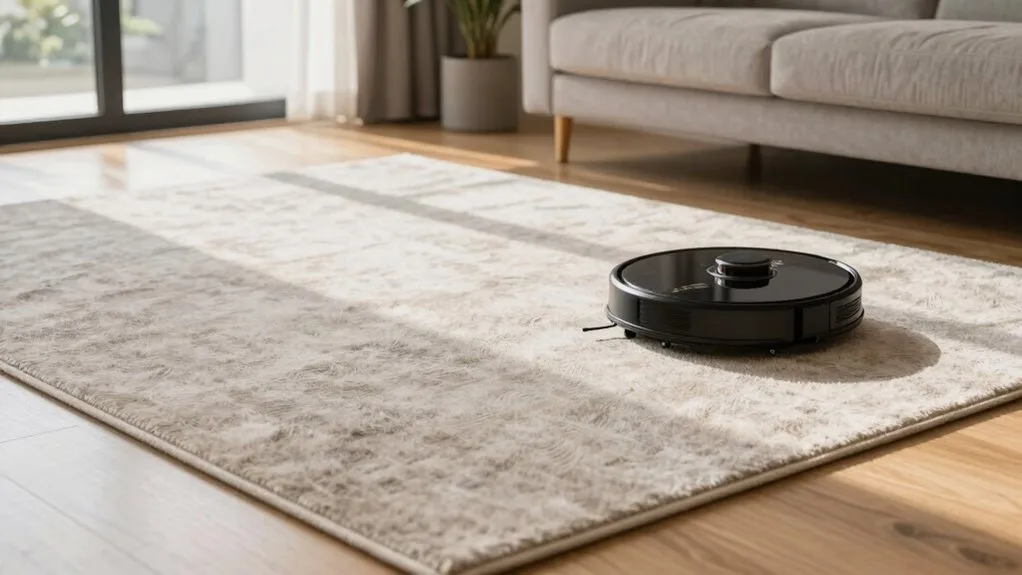
Image source: Bing (Web (fair-use with source credit))
Quick Answer
Can robot vacuums clean rugs? Yes, when the rug is low-pile or flatweave. High-pile and shag rugs are risky.
A robot can land on these and stall. Fringed rugs also need extra care.
How Robot Vacuums Interact with Rugs: Sensors, Brushes, and Suction
Robot vacuums are not just tiny vacuums with wheels. They rely on three main systems to survive a rug: sensors, brushes, and suction. Each one reacts differently to soft or uneven surfaces.
- Sensors. Cliff sensors use infrared light to detect drops. Dark rugs absorb that light, so the robot thinks there's a cliff and backs away. The same thing can happen at the edge of a black rug.
- Brushes. Bristle brush rolls grab carpet fibers and can get tangled. Rubber twin brushes handle rugs far better because they bend and shed hair easily.
- Suction. Many models detect carpet and automatically boost suction. That extra power helps pull dust and grit from low-pile fibers.
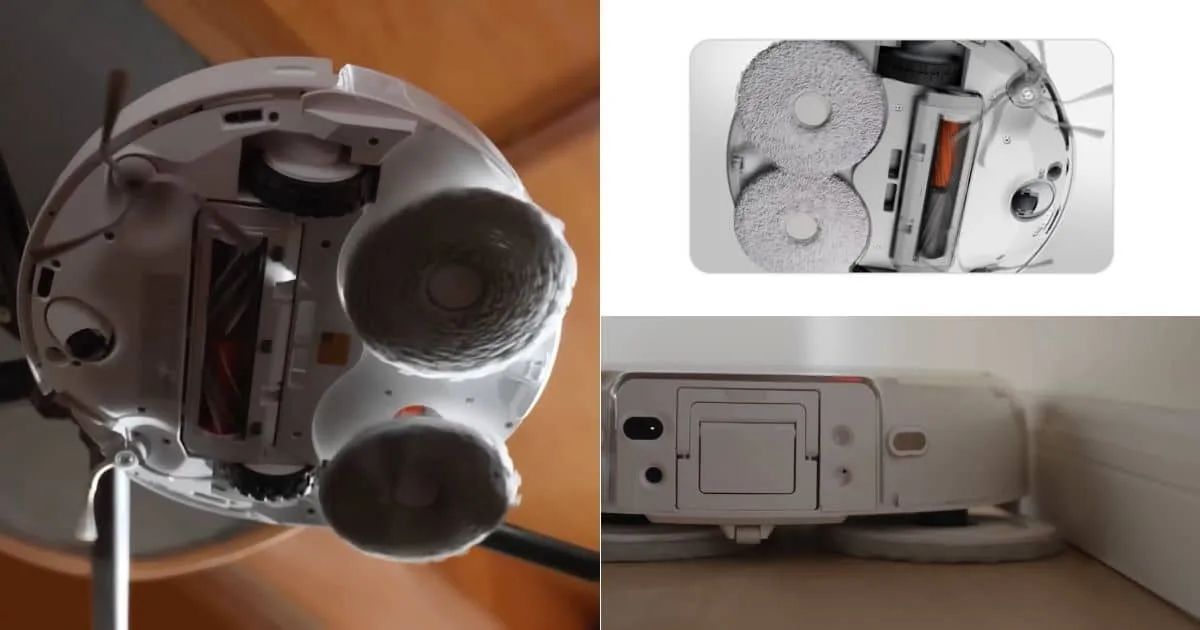
Image source: Web (Bing) / vacuumwars.com (Web image (fair-use with source credit))
If you're comparing a robot to a traditional machine, remember that robots are maintenance tools, not deep cleaners. They keep rugs looking fresh day to day. An upright vacuum still wins for heavy-duty carpet care.
Our guide to choosing an upright vacuum walks you through the key differences before you spend money.
For safety and performance, look for a machine that meets UL certification for electrical safety and follows the Carpet and Rug Institute's carpet care guidance. Those are good baseline checks for any robot you're considering.
The Four Rug Traits That Decide Compatibility: Pile Height, Fringes, Dark Colors, and Texture
Four rug traits decide whether your robot will do a great job or a terrible one. Understanding these makes the whole thing easy to predict.
- Pile height. The thickness of the carpet fibers is the number one factor. If the pile is under half an inch, most robots can handle it. Over three-quarters of an inch, they often struggle.
- Fringes. Dangling fibers catch on the roller brush. Even a cheap fringed rug can stop a robot dead in its tracks.
- Dark colors. Dark fabric can fool infrared cliff sensors. Your robot may refuse to cross it entirely, even if the rug sits on a flat floor.
- Texture. Loose weaves, thick wool, or rubber-backed mats create drag. That extra resistance can stall the wheels or wear down the battery faster.
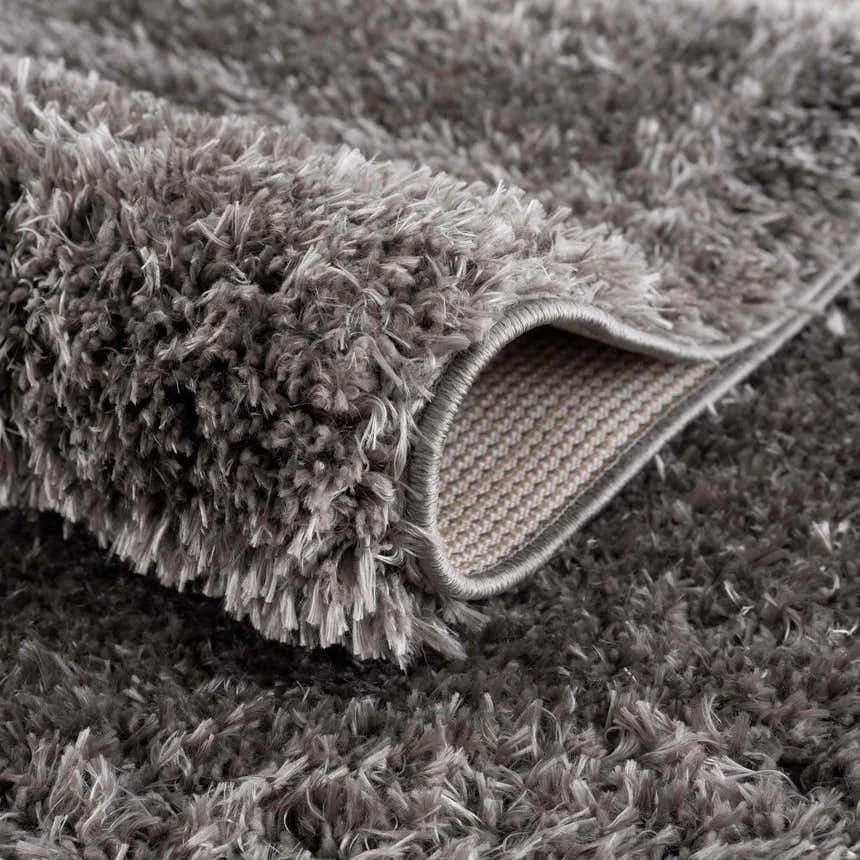
Image source: Bing (Web (fair-use with source credit))
Here's a quick compatibility reference you can keep handy.
| Rug Type | Pile Height | Robot Verdict | What to Do |
|---|---|---|---|
| Low-pile (Berber, office carpet) | Under 0.5 in | Yes | Run normally |
| Flatweave / indoor-outdoor | Very thin | Yes | No extra setup needed |
| Medium-pile | 0.5 to 0.75 in | Maybe | Test a small section first |
| High-pile | Over 0.75 in | Not recommended | Use an upright vacuum instead |
| Shag | 1 in or more | No | Avoid; the brush rolls will tangle |
| Fringed | Varies | Risky | Tie up fringes or set a no-go zone |
| Dark-colored | Varies | Risky | Add lighting and test the sensors |
If you're worried about carpet wear, you're not alone. Many homes have a mix of soft rugs and hard floors, which is exactly where robot vacuums shine. But thick pile is where they fall apart.
A robot can brush the surface, but it won't push deep into a shag rug. For real carpet care, nothing beats a machine with an aggressive brush roll. The carpet wear article explains why depth of agitation matters more than raw suction.
Rug-by-Rug Decision Guide: What to Clean, What to Skip, What to Protect
Now we get to the practical part. Use the if-then logic below, and you'll know in seconds whether your rug is safe.
- Low-pile rug? Let the robot roam freely. Enable carpet boost if your model has it.
- Flatweave or thin indoor-outdoor rug? No issues. These stay put and don't create drag.
- Medium-pile rug? Run a test pass once. If the robot climbs on without hesitation, you're fine. If it spins or throws an error, mark that area as a no-go zone.
- High-pile rug? Skip it. The robot will ride on top of the fibers and miss the dirt underneath. Worse, it may tug and distort the rug over time.
- Shag rug? Do not run the robot on it. Long fibers wrap around the brush roll quickly, and untangling that mess is not fun.
- Fringed rug? Lift the fringes up and tape them down before each cleaning. Or draw a no-go zone around the fringe but allow the center to be cleaned.
- Dark-colored rug? Watch the first few passes. If the robot stops at the edge or reverses for no reason, the sensors are being fooled. Try better lighting first, then set the rug as a no-go zone if needed.
One more thing to think about: the rug pad underneath. A thick rug pad raises the surface height by a quarter inch or more. That can turn a low-pile rug into a medium-pile problem.
Make sure the total height stays under your robot's clearance.
If your home is mostly hard floors with a few rugs, a robot makes sense. If you have wall-to-wall carpet in every room, you'll get better results with a dedicated carpet vacuum. There are also models made specifically for hard-surface homes, like the robot vacuums built for LVP floors, which handle low-profile rugs without oversaturating them.
Step-by-Step: Set Up Your Robot Vacuum for Rug Cleaning
Setting up your robot for rugs is a five-minute job. Do it once, and you can stop babysitting it.
- Secure the rug. Use a rug pad or double-sided tape to hold the edges flat. A loose corner is the #1 reason robots get stuck.
- Map the room first. Let the robot do a dry mapping run without cleaning. This creates a boundary map of walls, furniture, and rugs.
- Set no-go zones for anything risky. Protect fringed rugs, shag rugs, and dark rugs that confuse the sensors. You can always remove the zone later.
- Run a test pass. Watch the robot approach the rug from all sides. Does it climb on smoothly? Does it spin at the edge? Note what you see and adjust.
- Check the app settings. Turn on carpet boost if available. If your robot has a mopping pad, confirm it automatically lifts when it detects carpet. Water on a wool rug is a bad surprise.
- Pre-clean heavy spots manually. If your rug has pet hair or crumbs, vacuum it once by hand. The robot will keep it tidy in the following days.
If allergies are a concern, skip robots with basic filters. Look for a HEPA-sealed model that traps dust instead of blowing it back out. Our list of top HEPA options is a solid starting point.
After your first successful run, check the brush roll for hair and fibers. It takes ten seconds now and saves you a clogged roller later. If you do hit a tangle, most robots have a tangle-detection feature that reverses the brush to free itself.
Keep in mind that feature doesn't work on long shag fibers. Nothing handles those well.
Common Mistakes to Avoid (and How to Fix Them)
Even with the right rug, small setup errors can wreck a cleaning run. Here are the mistakes we see most often, based on aggregate reviews and manufacturer troubleshooting guides.
- Ignoring the rug pad. A thick pad raises the pile height by a quarter inch or more. That can push a low-pile rug into medium-pile range. Fix: measure the total height with the pad before you run the robot.
- Letting fringes dangle. Loose fibers wrap around the brush roll within seconds. Fix: tape fringes down or set a no-go zone around the border.
- Assuming dark rugs are fine. Infrared cliff sensors struggle with dark surfaces that absorb light. Fix: test the edge first. If the robot backs away, set the rug as a no-go zone.
- Running a mopping robot on rugs. A wet pad can soak a wool or cotton rug and cause shrinkage or color bleed. Fix: confirm your model lifts the pad at least 8 mm when it detects carpet.
- Expecting a deep clean. A robot vacuums the surface. It won't extract grit buried deep in the pile. Fix: use a traditional vacuum for a thorough clean once a week or every other week.
- Skipping brush roll checks. Rug fibers and pet hair collect fast. A clogged brush kills suction and strains the motor. Fix: inspect the brush after every few rug-heavy runs.
Best Robot Vacuum Features to Look For in a Rug-Heavy Home
If rugs are a big part of your floor plan, don't buy on suction alone. The right features make the difference between a smooth run and a daily struggle.
| Feature | Why It Matters |
|---|---|
| Rubber dual brush rolls | They resist tangling and flex over rug edges instead of catching |
| Automatic carpet boost | The robot ramps up suction when its sensor detects a rug |
| No-go zones / virtual walls | You can protect fringed or shag rugs while still cleaning around them |
| Object detection (camera or lidar) | The robot recognizes rug edges and won't hurl itself over them |
| Chassis clearance over 4 inches | It can climb onto medium-pile rugs without bottoming out |
| Tangle detection logic | The robot reverses the brush roll when it snags, saving you from manual repairs |
| Self-emptying base | Rug dirt fills the bin fast; a self-emptying dock doubles your runtime between touches |
As of 2026, most mid-range models include a good chunk of these. You don't need a flagship to handle a typical living room rug. You just need the right combination.
When to Choose a Traditional Vacuum Instead
A robot vacuum is a convenience tool. It's not a replacement for a proper carpet cleaner, especially with thicker rugs.
If you have shag, high-pile, or deep-pile carpet, a traditional upright is the better tool. The motorized brush roll goes deeper into the fibers. It lifts embedded dirt, pet hair, and dust that a robot simply glides over.
For large wall-to-wall carpet areas, an upright also covers more ground per pass.
Robots also struggle with rugs that have heavy fringes or tassels. A traditional vacuum can sometimes handle those, but even there you have to be careful. For homes where rugs are the main floor covering, a robot should stay on maintenance duty while an upright handles the weekly deep clean.
If you're weighing that trade-off, our honest guide to upright vacuums covers the real cost and performance gap.
Long-Term Maintenance: Keeping the Robot and Rugs in Good Shape
A robot that cleans rugs needs more attention than one that only touches hard floors. Rugs shed fibers, trap hair, and create more dust. That extra load means a few simple habits.
- Empty the bin after every run. Rug debris fills a small bin fast. A full bin reduces suction and pushes dust back out.
- Clean the filter weekly. Tap it out, rinse it if the manufacturer allows, and let it dry completely. A clogged filter is the #1 cause of weak suction.
- Check the brush roll every few days. Hair and carpet fibers wrap around the ends. Use the cleaning tool that came with the robot to cut them free.
- Wipe the cliff sensors. A thin layer of dust can confuse them, especially near dark rugs. A dry cotton swab works fine.
- Rotate your rugs every few months. This evens out the wear pattern and prevents one side from flattening under daily robot traffic.
- Do an occasional deep vacuum. Even the best robot won't replace a proper vacuum. Run your upright or canister over the rug every two weeks to pull up what the robot missed. The Carpet and Rug Institute recommends regular vacuuming with a machine that has a beater bar for best fiber care.
Final Verdict: Your Rug-Cleaning Decision Checklist
Here's the whole decision flow in one quick pass.
- Low-pile or flatweave rug? Let the robot clean on a schedule.
- Medium-pile rug? Run one test pass. If it climbs on smoothly, keep it in the regular rotation.
- High-pile or shag rug? Use a traditional vacuum. Set a no-go zone so the robot avoids it.
- Fringed rug? Tape the fringes down or exclude the border.
- Dark-colored rug? Test the sensors. If the robot stalls, add lighting or set a no-go zone.
- Mopping combo robot? Confirm the pad lifts before it crosses any rug.
- Buying a robot for rugs? Prioritize rubber brushes, carpet boost, and no-go zones over raw suction.
The answer to "Can robot vacuums clean rugs?" is yes, with conditions. Match the robot to the rug, set your boundaries, and handle routine maintenance. Then your robot becomes a reliable daily helper instead of a frustrating gadget.
Just keep a good upright vacuum around for the thicker stuff.

