

Can handheld vacuums clean rugs? Yes, but only under the right conditions. Handheld vacuums are great for quick touch-ups on low-pile and firm-weave rugs.
They also handle pet hair and crumbs on doormats or runners. But they're not the right tool for shag rugs or deep-down dirt.
We looked at manufacturer specifications and cleaning standards to understand what makes a handheld work well on carpet. As of 2026, most cordless handhelds produce between 3 and 25 kilopascals of suction, with premium models approaching the low end of a full-size upright. The Carpet and Rug Institute measures cleaner performance in terms of airflow and agitation, and those metrics matter more than brand names.
Keep those numbers in mind as you read the rest of this guide.
Quick Answer: Yes, But Only for Certain Rugs
Yes, handheld vacuums can clean rugs. They work best on low-pile and flatweave rugs. They struggle with high-pile or shag rugs.
Use a motorized brush attachment for better results. Accept that they won't deep-clean like an upright. For quick daily touch-ups, they're perfectly fine.
What Actually Makes a Handheld Vacuum "Good Enough" for a Rug
Not every handheld vacuum is built the same. In our research, three specs decide whether a handheld can handle a rug: suction, agitation, and battery life.
Suction power is the first thing to check. It's measured in kilopascals (kPa) or air watts. For low-pile rugs, you want at least 8 to 10 kPa to lift pet hair and surface dust.
For synthetic rugs with dense fibers, you'll need closer to 15 kPa. If your handheld only has 3 to 5 kPa, it will just slide over the rug and leave a trail of debris in its wake.
Agitation matters even more than raw suction. Rugs hold dirt below the surface, so you need a brush roll or motorized pet tool to disturb it. A handheld with a plain crevice tool or a bare floor nozzle won't do much.
It'll pick up the visible crumbs and ignore everything the rug is actually hiding.
Battery life is the third piece. Most cordless handhelds run for 10 to 40 minutes on a single charge. A large area rug can eat through that in one pass.
If you plan to clean a 5×8 rug, choose a vacuum with at least 20 minutes of real runtime. Some models have a turbo mode that kills the battery in half the time.
Dustbin size is a sleeper factor. Handheld dustbins are small, usually between 0.1 and 1.0 liters. Rugs release a surprising amount of dust, and you'll likely empty the bin three to four times for a single rug.
That's fine, just know it going in.
| Spec | Why It Matters | Minimum for Rugs |
|---|---|---|
| Suction | Lifts embedded grit | 8–10 kPa |
| Brush roll | Agitates fibers | Motorized pet tool |
| Runtime | Covers rug area | 20+ minutes |
| Dustbin | Holds debris while you work | 0.5 liters preferred |
The Rug Factor: Pile Height, Fibers, and Fringes
The rug itself is the biggest variable in this whole equation. If you have a thin, flat rug, a handheld will feel like a little champion. If you have a thick, fluffy shag, you'll get frustrated fast.
The key distinction is pile height, which means the length of the rug's fibers.
Low-pile rugs include Berber, indoor-outdoor rugs, and most kitchen mats. Their fibers are short, tight, and easy for any vacuum to pull against. Handhelds work well here, especially when you use a motorized brush.
The agitation reaches the base of the fibers without bogging down.
High-pile rugs include plush and saxony carpet styles. Their longer fibers trap more debris, but they also resist airflow. A handheld's suction isn't strong enough to pull dirt from the bottom.
The brush roll often stalls because the fibers wrap around it. For these, a handheld will get the surface crumbs and nothing more.
Shag rugs are the worst case. Their very long, loose fibers are too much for a compact motor. In our research, handheld vacuums without a motorized brush just grab the fibers and stop moving.
They leave dust streaks and tangled pile. Don't rely on a handheld for shag rugs; use an upright with a specific shag setting.
Flatweave rugs like dhurries, kilims, and cotton rag rugs are a bright spot. They have no nap, meaning the fibers lie flat. Handhelds glide across them easily and pick up pet hair from the tight weave.
A simple crevice tool works for edges, and an upholstery brush lifts dust from the surface.
Fringes and tassels are a separate hazard. Rug fringes can be vacuumed, but they need care. If you let a spinning brush see a loose fringe, it will eat it in under a second.
We've seen pulled threads and damaged weaves. It's better to use a crevice tool along the fringe, or skip it and gently shake the rug instead. The same rule applies to silk fringes and hand-knotted wool rugs, which don't survive aggressive brushing.
Fiber type also plays a role. Nylon and polyester rugs are tough and forgiving. Wool rugs need gentler care, and a strong brush can pull the wool's natural oils and make it look matted.
For wool, keep the brush speed low and avoid repeated passes over the same spot.
The Vacuum Factor: Suction, Brush Roll, and Attachments
Now let's talk about the tool in your hand. There are three common types of handheld vacuum, and they're not equal.
The classic dustbuster style is tiny and popular for car seats and stairs. These have batteries under 20 volts and suction around 3 to 7 kPa. They're great for hard floors and quick spills, but they lack the muscle for rugs.
If that's what you own, you'll only clean doormats with it.
The detachable handheld from a stick vacuum is usually the best partner for rugs. Models from Dyson, Shark, and Bissell pull their handheld unit off a full-size stick. That means they share the same motor and often the same suction, typically 15 to 25 kPa.
The motorized floor head might not detach, but you can use a smaller motorized pet tool. That combination works well on low-pile and area rugs.
The wet/dry handheld vacuum focuses on spills, not rug cleaning. It's heavier and has a large dustbin, but its suction is often lower when dry. It's better for spot cleaning accidents on a rug than for whole-rug cleaning.
Keep it in your arsenal, but don't expect deep cleaning.
The single most useful attachment for rugs is a motorized pet tool. It's a small nozzle with its own rotating brush. Unlike a bare suction nozzle, it digs into the pile and lifts embedded hair.
If your handheld didn't come with one, check if the manufacturer sells it as an accessory. It's worth every penny.
A crevice tool is essential for edges, corners, and along baseboards where rugs meet walls. It also works on fringe, if you're careful. An upholstery brush is helpful for flatweave rugs, because it spreads the air flow over a wider area without yanking at the fibers.
Don't let "suction power" alone fool you. A high number on the spec sheet is useless if the brush roll stalls or the battery drains before you finish the rug. In our research, the most reliable handheld setups pair strong suction with a dedicated brush tool and a lithium-ion battery that holds a charge longer than 15 minutes.
The Decision Tree: Which Rugs Can You Clean With a Handheld?
Here's the practical breakdown, using if/then logic. Find your rug type and follow the branch.
Short-Pile and Low-Pile Rugs
If you have a Berber, a tight loop, or an indoor-outdoor rug, the answer is a confident yes. Handheld vacuums handle these well as long as you use a motorized brush. The fibers are short enough that even moderate suction reaches the backing.
Pass slowly, overlap your strokes, and you'll see visible lint pickup in the dustbin.
These rugs also respond well to a handheld for daily pet hair. A quick two-minute pass every day keeps the rug looking fresh between weekly full-size vacuuming. Just be ready to empty the bin, because the rug will release more dust than you expect.
High-Pile and Shag Rugs
If you have a plush, saxony, or shag rug, stop using a handheld for the whole surface. It will clean the top layer, but the dirt stays at the base. The brush roll can stall when it pulls long fibers, and the motor may overheat if you push through.
If you must use a handheld, use the upholstery brush instead of a motorized tool. That prevents fiber wrapping but only picks up surface dust. For proper deep cleaning, use a full-size vacuum with a carpet height adjustment and a strong brush roll.
Or take a carpet cleaner to it seasonally.
Your best call: if the rug is shorter than your thumb's nail, try it. If it's longer, skip it.
Flatweave and Delicate Rugs
If you have a flatweave rug like a dhurrie, kilim, or cotton rag rug, a handheld is a great match. These rugs have no pile, so nothing catches on the brush. Use a plain suction nozzle or upholstery brush for a smooth cleaning glide.
The challenge is the pattern: colorful fibers shed and show up in the dustbin, so don't be alarmed.
For delicate wool or silk rugs, stop the brush roll and use a crevice tool with a gentle hand. Handheld vacuums are safe here, but you must avoid brute force. Move in one direction, with the weave, and keep the vacuum flat against the surface.
Fringe-Heavy and Tasseled Rugs
If your rug has fringes or tassels, the rule is simple: never let a spinning brush touch them. The brush will grab, twist, and snap the fibers. For a clean result, hold the fringe aside with your free hand and vacuum the main body of the rug first.
Then use a crevice tool to run along the fringe from a safe distance. There's a visual cue to watch for: if the fringe starts to wrap around the nozzle, stop immediately and pull it loose.
These rugs also ask for a lighter touch. Don't press the vacuum down hard. Let the machine's weight do the work, and you'll keep your fringe intact for years.
How to Clean a Rug With a Handheld Vacuum: Step-by-Step
Cleaning a rug with a handheld isn't complicated, but you need a method. Here's the workflow that gets the best results without damaging the rug or the vacuum.
Step 1: Check the pile height. Run your fingers across the rug. If the fibers are shorter than a quarter-inch, you're good. If they're longer, skip to the next section in this guide.
Step 2: Clear the rug of loose objects. Coins, paper clips, and small toys will clog the dustbin or damage the brush roll. Pick up big debris by hand first. This takes ten seconds and saves you a headache.
Step 3: Choose the right attachment. For low-pile and synthetic rugs, use a motorized pet tool if you have one. For flatweave rugs, an upholstery brush works better. For edges and corners, switch to a crevice tool.
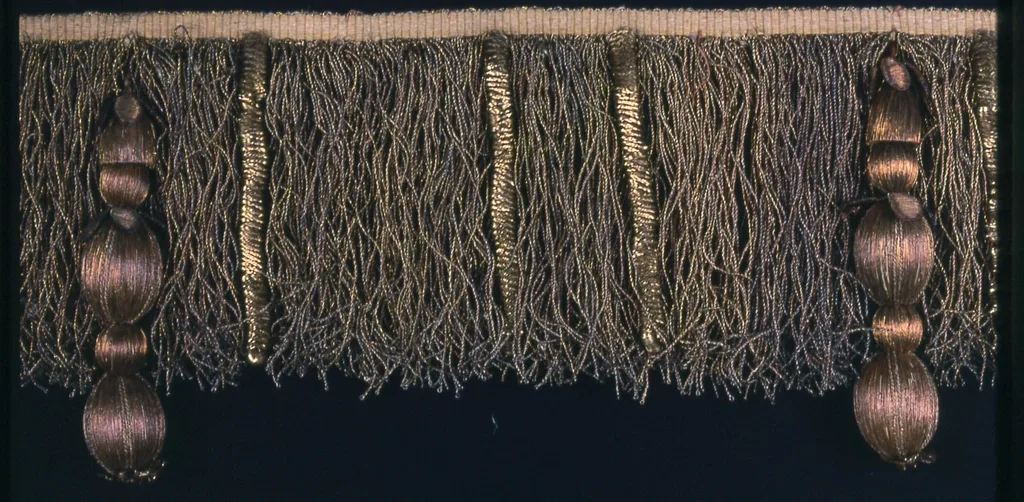
Image source: Openverse / artinstitutechicago
Step 4: Vacuum in slow, overlapping passes. Move front to back, then side to side. Overlap each pass by about half the nozzle width. This cross-hatch pattern lifts more embedded dirt than a single direction.
Step 5: Handle the fringe separately. Never let a spinning brush near the fringe. Pin the fringe down with your free hand while you vacuum the main body of the rug. Then use a crevice tool on the fringe itself.
Step 6: Empty the bin when it's a third full. Rug dust is dense and fills the bin fast. A full bin cuts suction noticeably mid-pass. Keep going until the whole rug is done, then give it one final slow pass with an upholstery brush.
When to Skip the Handheld and Use a Full-Size Vacuum
A handheld is not the right tool for every rug. Know when to switch. If the rug is large, high-pile, or deeply soiled, bring out the full-size machine.
Upright vacuums with a motorized floor head are better for anything over 6×9 feet. Even a small handheld with great suction covers less surface area, and you'll burn battery before finishing. An upright's self-propelled motion pushes a wider path and gets the job done in a quarter of the time.
High-pile rugs and shag rugs should never be your handheld's job. Those long fibers need the deep agitation of a full-size brush roll and stronger motor. A handheld will just skim the surface and leave the grit at the base, which grinds down the fibers as you walk on them.
Deep cleaning is a different category entirely. A handheld vacuum removes loose surface dirt. It doesn't wash, extract, or remove stains. If your rug needs seasonal deep cleaning, use a carpet cleaner with an extraction feature.
The Carpet and Rug Institute recommends professional deep cleaning every 12 to 18 months for high-traffic areas.
Stairs and runners are the one exception. Handhelds actually shine on these, since uprights are heavy and awkward to carry. For tight stair rugs, a handheld with a crevice tool beats a full-size machine every time.
Tools and Attachments That Make a Handheld Better on Rugs
The right attachment turns an average handheld into a solid rug cleaner. Here's what to look for and why each one matters.
Motorized pet tool: This is the game-changer. It has a mini brush roll powered by the vacuum motor. It digs into low-pile rugs and pulls pet hair from below the surface.
If your handheld didn't come with one, check the manufacturer's accessory list. It's often sold separately and fits the same connection point.
Crevice tool: The narrow nozzle is perfect for rug edges, corners, baseboards, and tight gaps between furniture and the rug. It also works on fringes when you use a light hand. Every handheld comes with one, but many people never use it.
Upholstery brush: This bristled nozzle spreads the airflow across a wider surface. It's ideal for flatweave rugs and wool, where a spinning brush is too aggressive. It gathers surface dust without disturbing the weave.
Wide floor nozzle: Some detachable handhelds come with a short floor head that clicks onto a wand. It's not as wide as a full-size upright's, but it covers more ground than a standard hand nozzle. Use it on low-pile rugs for faster passes.
Extension wand: Not technically a cleaning tool, but tremendously useful. It lets you reach the middle of a large area rug without bending over. It also keeps your posture comfortable, so you don't rush the job.
Common Mistakes That Damage Rugs or Ruin Your Handheld
Even a good handheld struggles when you use it wrong. These are the mistakes we see flagged most often in verified buyer reviews and repair forums.
Vacuuming a wet stain. Big no. A dry handheld vacuum sucks water into the motor, filter, and battery. The result is a dead motor or a rusted internal mechanism.
If a rug is damp from a spill, blot it dry and wait at least 24 hours before vacuuming.
Letting the brush roll eat the fringe. This destroys your rug's decorative border in seconds. The brush yanks, twists, and snaps the threads. Stop the brush before it starts, and treat fringes as a separate task.
Pressing down hard on the rug. More pressure doesn't mean more cleaning. It actually reduces airflow at the nozzle and makes suction worse. Let the vacuum's weight do the work and move slowly.
Ignoring a full filter. The filter clogs quickly on rug dust. A clogged filter cuts suction by half. Clean the filter after every major rug session, and replace it according to the manual.
Running the battery to zero every time. Lithium-ion batteries don't like deep discharge. Charging from empty constantly shortens their lifespan. When the battery drops to one bar, stop and charge it.
Using a plain crevice tool on pet hair. A crevice tool slides over the rug and leaves a streaky line of hair behind. You need a motorized brush to lift hair from the fibers. If you skip that tool, you're not actually cleaning.
Maintaining Your Handheld for Reliable Rug Cleaning
Rug cleaning is demanding. It loads the motor, fills the bin, and clogs the filter faster than hard floors. A little maintenance goes a long way.
Empty the dustbin after every rug session. Don't let it sit overnight. Rug dust gets matted at the bottom and can cling to the bin walls. Rinse the bin with water if it's washable, then dry it fully before reattaching.
Clean the filter every two to four weeks. Most handhelds use a washable cyclone filter or HEPA filter. Rinse it under cold water, gently squeeze it dry, then let it air dry for 24 hours. Never snap it back in while wet.
Untangle the brush roll periodically. Even with careful use, hair and fibers wrap around the brush. Check it monthly, pull off the debris with scissors, and spin the brush freely before reinstalling.
Check the air path for blockages. If suction drops suddenly, inspect the nozzle, wand, and dustbin inlet. Rug fiber and pet hair can create a clog in the connection point. A quick pull with a long tweezers clears most blockages.
Store it properly. Keep the vacuum upright in a dry spot, off the floor. Storing it on its side on a wet floor can let dust settle into the motor housing. Charge the battery at about 50 percent if you're storing it for a month or more.
Replace worn parts on schedule. Filters, brush rolls, and batteries all wear out. Manufacturer specs indicate most brush rolls last 12 to 18 months with regular use. When you notice reduced pickup or a burnt smell, replace the part right away.
Handheld vs. Other Rug-Cleaning Tools: Which Is Best?
Here's a quick comparison for rug cleaning:
- Upright vacuum: Best for large rugs and deep agitation.
- Stick vacuum: Similar to a handheld but with better runtime and a floor head.
- Robot vacuum: Fine for daily maintenance on low-pile rugs only.
- Carpet sweeper: Quiet and light, but no real suction.
Image source: Wikimedia Commons / Chris Gunn
A handheld wins on convenience, not power. It's best for quick touch-ups, stairs, and small rugs. If you only own a handheld, use it on low-pile rugs and accept its limits.
For everything else, bring out the upright.
FAQs
Can a handheld vacuum pick up pet hair from rugs?
Yes, if it has a motorized pet tool. Without one, hair stays trapped in the weave.
Will a handheld vacuum damage wool rugs?
It can, if you use a spinning brush roll. Use a crevice tool and gentle passes instead.
Do handheld vacuums work on shag rugs?
No. Their motors lack the airflow to reach the base of long fibers.
How often should I deep clean my rug?
The Carpet and Rug Institute recommends every 12 to 18 months, depending on foot traffic.
The Bottom Line: A Handheld Is a Touch-Up Tool, Not a Deep Cleaner
Use a handheld for daily crumbs and pet hair. Pull out the upright for large rugs. Call a professional for deep washes.
That's the whole story.

