

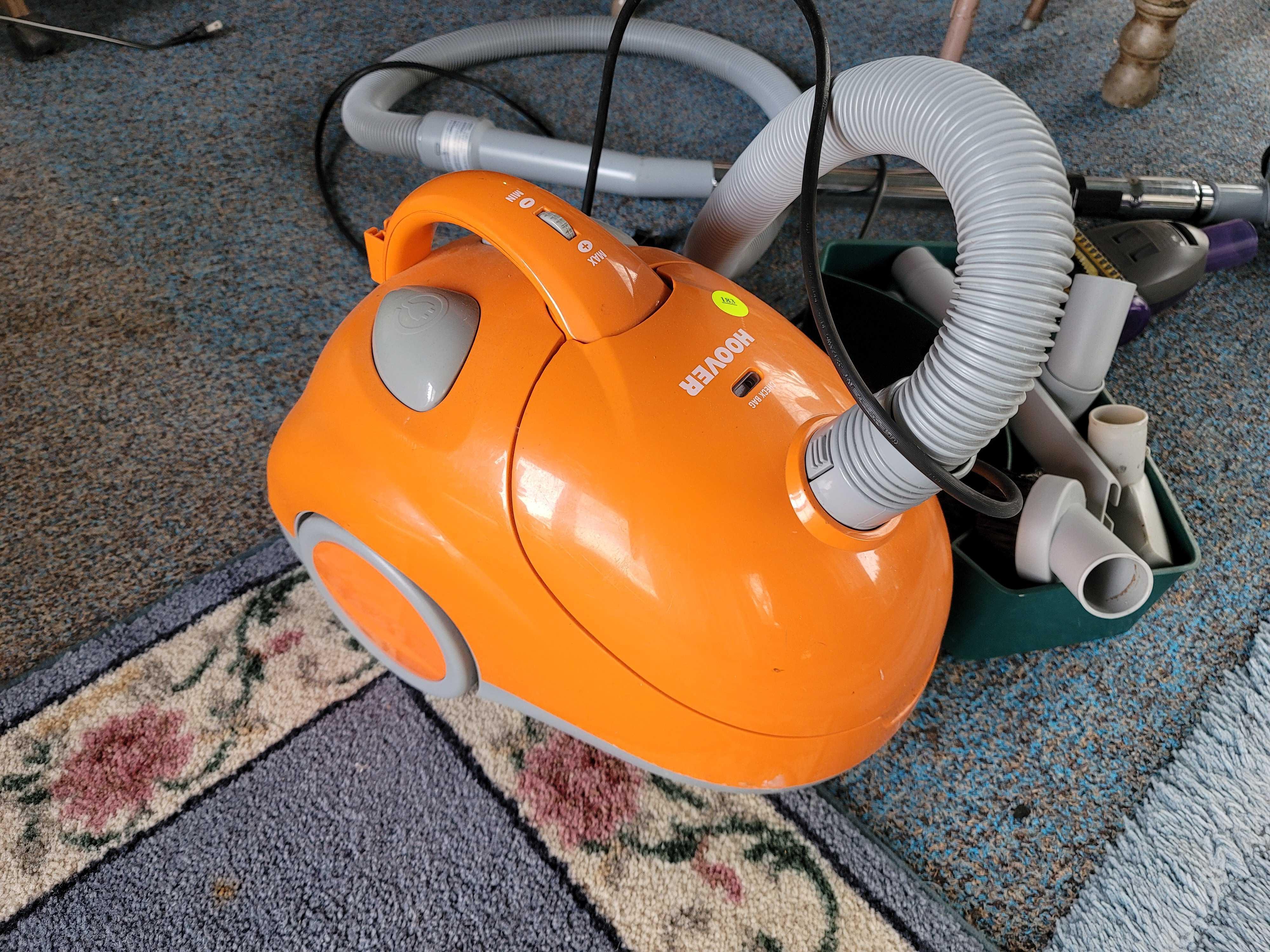
Most Hoover Portable Vacuum S1361 issues come from clogs, dirty filters, loss of suction, or power faults.
If you are dealing with Hoover Portable Vacuum S1361 Troubleshooting right now, you are probably looking for a fix that is fast, clear, and actually works. I have seen this kind of portable vacuum behave like a tired runner when airflow is blocked or a seal is off, so this guide walks you through the real causes, simple checks, and practical fixes in a way that saves time and frustration.

Common Hoover Portable Vacuum S1361 Problems
The Hoover Portable Vacuum S1361 Troubleshooting process usually starts with a few repeat problems. In my experience, most complaints fall into the same small group: weak suction, no power, strange smells, noisy operation, or a hose and attachment issue.
These problems are often simple, which is good news. A small clog, a full dirt cup, or a filter that needs cleaning can make the vacuum seem far worse than it is.
Here are the most common signs to watch for:
- Weak suction, even when the motor sounds normal
- Vacuum will not turn on
- Vacuum shuts off during use
- Burning smell or dusty odor
- Loud rattling, whistling, or grinding sound
- Dirt blowing back out of the unit
- Hose, nozzle, or attachment not fitting correctly
When I first dealt with a similar Hoover portable unit, the issue looked like a motor failure. It turned out to be a packed filter and a hidden clog near the hose bend. That is why Hoover Portable Vacuum S1361 Troubleshooting should always begin with the basics.
How to Troubleshoot Hoover Portable Vacuum S1361 Step by Step
A good Hoover Portable Vacuum S1361 Troubleshooting routine follows the same order every time. Start with airflow, then power, then the motor path, and finally the attachments.
1. Check the power source
Make sure the vacuum is plugged in firmly. Test the outlet with another device, such as a lamp or phone charger, to confirm the outlet works.
If the unit has a cord, look for cuts, frays, or bent prongs. A damaged cord can stop the vacuum completely and may need professional repair.
2. Inspect the dirt cup or bag
A full dirt cup can choke airflow fast. Empty it even if it does not look completely full, because fine dust can block space and reduce performance.
Make sure the cup or bag is seated correctly. If it is not locked in place, the vacuum may lose suction or fail to start properly.
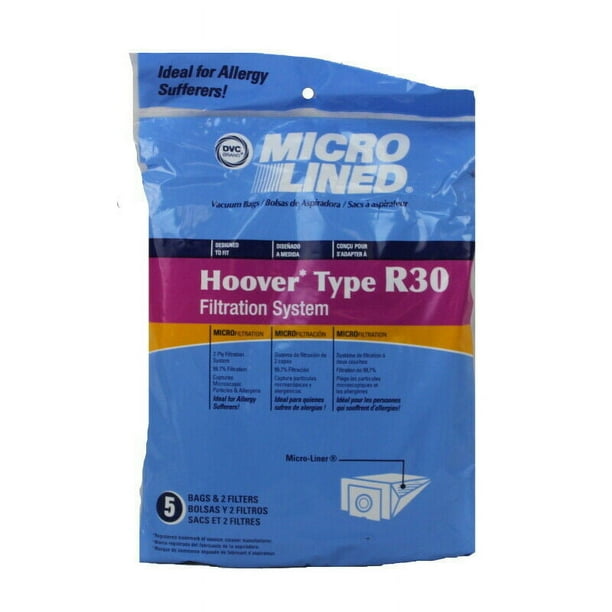
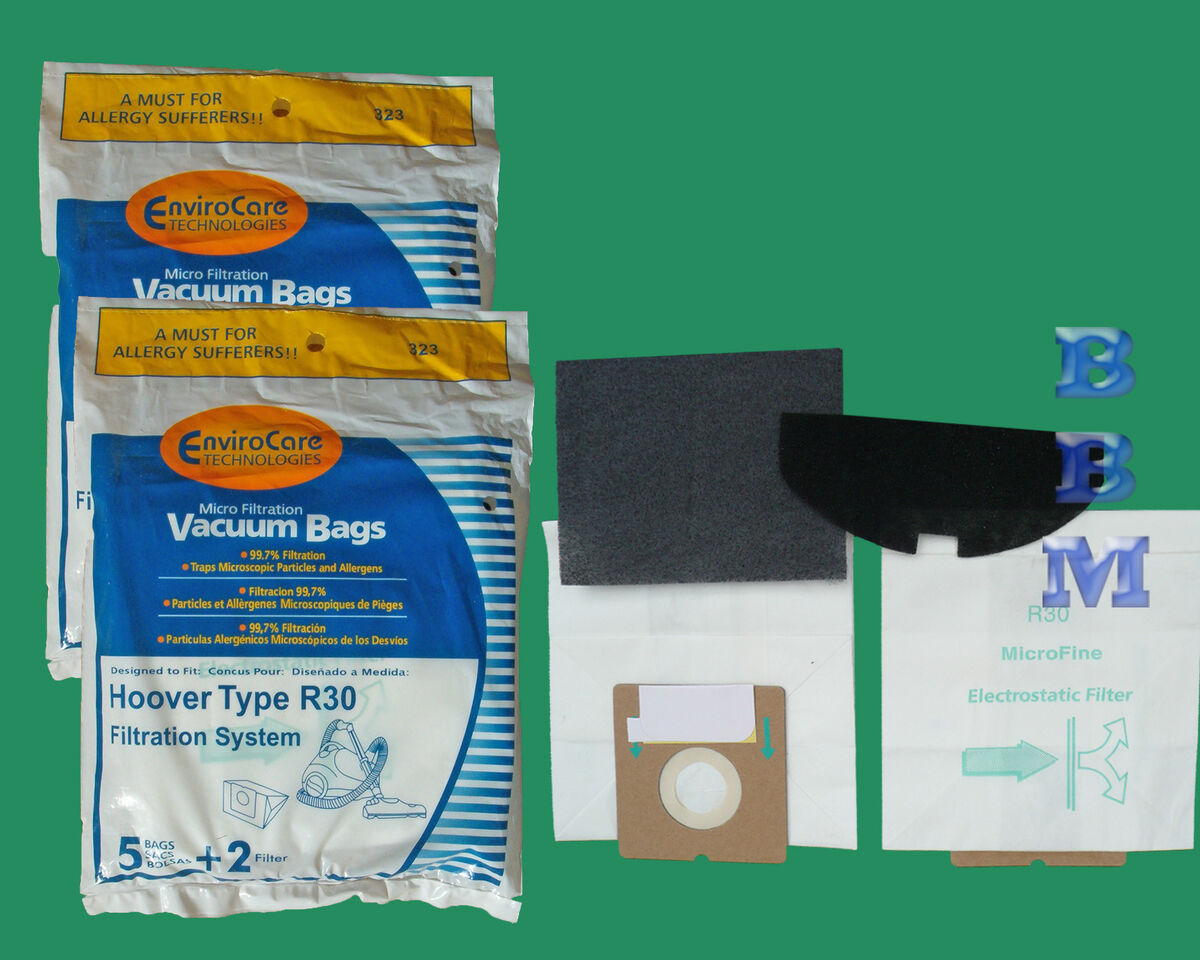
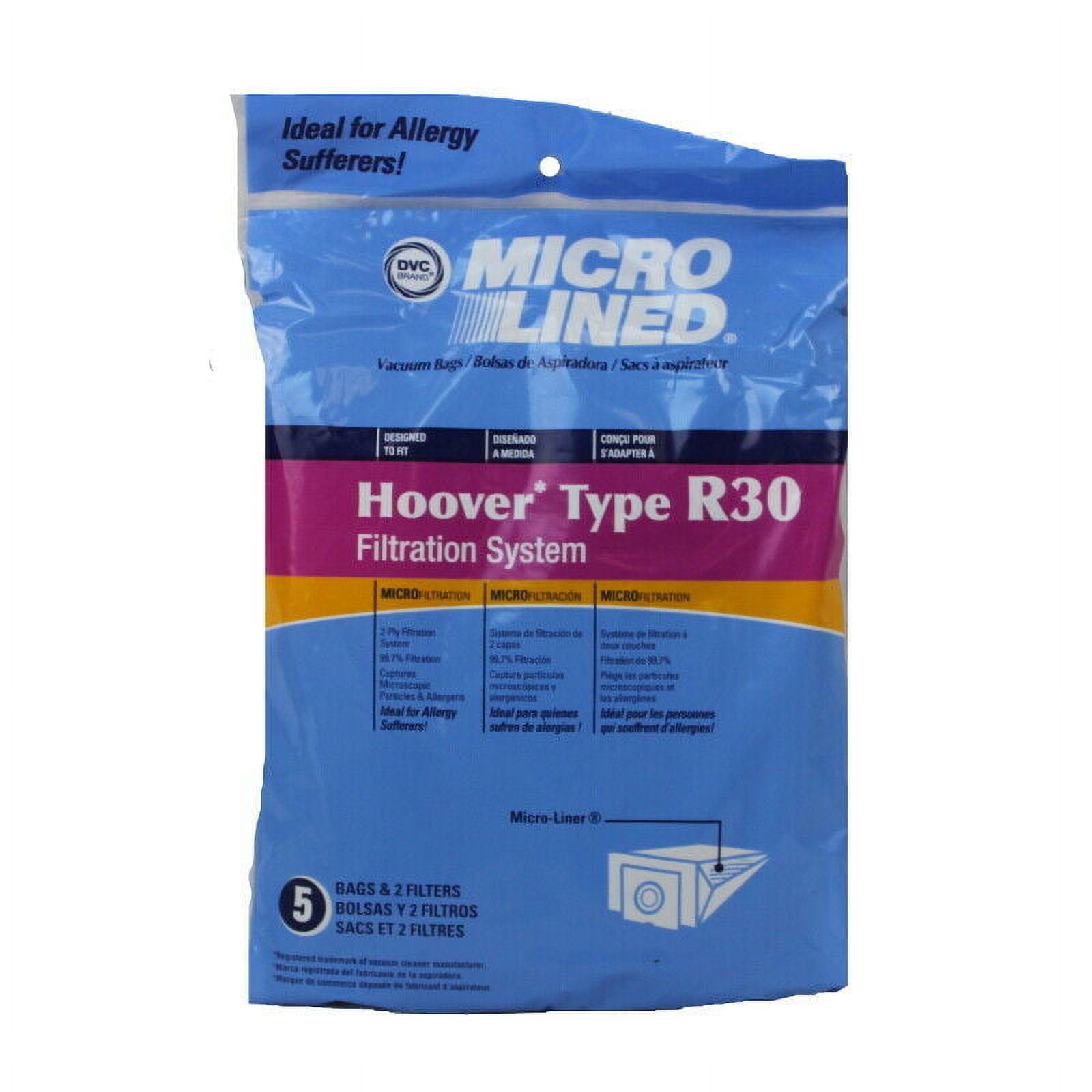
3. Clean or replace the filter
A clogged filter is one of the biggest causes of Hoover Portable Vacuum S1361 Troubleshooting calls. Tap out loose dust, rinse washable filters only if the manual allows it, and let them dry fully before reinstalling.
Never put a damp filter back into the vacuum. Moisture can damage the motor and create a bad odor.
4. Look for clogs in the hose and nozzle
Disconnect the hose and check both ends. Use a flashlight to spot lint, pet hair, paper scraps, or small debris stuck inside.
If you find a clog, remove it gently with a long, flexible tool. Avoid sharp objects that can puncture the hose.
5. Check the brush and attachments
Hair and string can wrap around the brush roll or block the nozzle. That can make the vacuum sound normal while picking up almost nothing.
Remove debris from the brush area and make sure each attachment clicks into place. A loose fit can leak air and weaken suction.
6. Test for overheating
If the vacuum stops after a few minutes, let it cool down fully. Overheating often happens when the filter is dirty or airflow is blocked.
Once cool, restart the unit after cleaning the airflow path. If it keeps shutting off, the motor may need service.
7. Listen for unusual motor noise
A high-pitched whine, grinding sound, or pulsing noise can point to a deeper problem. It may be a worn belt, damaged fan, or internal blockage.
At this stage, stop and inspect carefully. Forcing a failing motor can make the repair more expensive.

Loss of Suction: What It Usually Means
Loss of suction is the most common reason people search for Hoover Portable Vacuum S1361 Troubleshooting. It often feels like the vacuum is “working,” but the pickup power is gone.
In real use, suction loss usually comes from one of these:
- A clogged filter
- A blocked hose or nozzle
- A cracked hose
- A full dust container
- Poor seal between parts
- A worn brush or belt issue
Think of airflow like breathing through a straw. If one part gets pinched, the whole system struggles. That is why one tiny clog can affect the whole machine.
To restore suction:
- Empty the dirt cup
- Clean the filters
- Remove clogs from the hose and nozzle
- Refit all parts tightly
- Inspect for cracks or leaks
If suction is still weak after those steps, the motor or internal fan may be worn. That is less common, but it does happen after long use.
Hoover Portable Vacuum S1361 Power Problems
When a Hoover portable vacuum will not start, the issue is not always the motor. In many cases, power problems come from the outlet, cord, switch, or thermal protection.
Check these points in order:
- Test another outlet
- Inspect the power cord for damage
- Make sure the switch clicks firmly
- Let the vacuum cool if it recently shut off
- Confirm the dirt cup and filters are installed correctly
Some vacuums have a built-in thermal shutoff that protects the motor from overheating. If that protection has tripped, the unit may need time to reset after cooling.
I once saw a small vacuum fail because the owner kept restarting it every minute. That only made things worse. Give it a proper cooldown, then test again after airflow is restored.
Strange Smells, Smoke, or Overheating
A burning smell is never something to ignore during Hoover Portable Vacuum S1361 Troubleshooting. It can mean friction, blocked airflow, or motor strain.
Common causes include:
- A jammed brush roll
- Dust buildup around the motor path
- A clogged filter
- A slipping belt
- Electrical damage
If you smell burning:
- Turn off the vacuum right away
- Unplug it
- Let it cool fully
- Check for clogs and moving part jams
- Inspect the belt and brush area if your model uses one
A dusty smell is usually less serious than a burning smell. It often comes from old debris in the filter or dirt cup. Clean the unit fully and run it in a well-ventilated area before using it again.
If smoke appears, stop using it immediately. That is a sign you may need professional repair.

Noise, Vibration, and Mechanical Issues
Loud or unusual noise can help narrow down Hoover Portable Vacuum S1361 Troubleshooting. A smooth vacuum sound is normal, but rattling, screeching, or grinding is a clue that something is loose or blocked.
Common causes of noise include:
- Debris stuck in the fan area
- Loose parts or screws
- Worn belt
- Brush roll obstruction
- Cracked housing
- Internal motor wear
Try these checks:
- Remove and clean attachments
- Shake out loose debris from the dirt cup area
- Inspect the brush roll for hair or thread
- Tighten any visible loose parts
- Look for cracks in the nozzle or hose
If the sound changes when you move the hose or bend the handle, that often points to an airflow restriction or a loose connection. Small changes in sound can tell you a lot.
Maintenance Tips That Prevent Future Problems
Good maintenance makes Hoover Portable Vacuum S1361 Troubleshooting much easier later. I always tell people that vacuums are like shoes on a long walk: if you take care of the basics, they last longer and perform better.
Use these habits to keep the unit running well:
- Empty the dirt cup often
- Clean filters on schedule
- Check for hair and thread after each deep cleaning
- Store the vacuum in a dry place
- Inspect the hose and cord for wear
- Replace worn parts before they fail
A simple monthly cleaning routine can prevent most suction and overheating problems. That small habit can save a lot of time and money.
It also helps to avoid overfilling the dust container. Even a good vacuum cannot breathe if the airflow path is packed tight.

When to Repair or Replace the Vacuum
Not every Hoover Portable Vacuum S1361 Troubleshooting issue is worth fixing at home. Some problems point to deeper wear, especially if the vacuum is older or has been heavily used.
Consider repair or replacement if:
- The motor does not run after power checks
- The cord is badly damaged
- The vacuum overheats repeatedly
- Suction stays weak after thorough cleaning
- Internal parts are broken or melted
- The repair cost is close to the price of a new unit
If the vacuum is still in good shape overall, a small repair may be worth it. But if the motor is failing, replacement is often the smarter choice.
A practical rule I use is this: if cleaning and basic part checks do not help, and the unit still acts unstable, it is time to evaluate the cost carefully.
Frequently Asked Questions of Hoover Portable Vacuum S1361 Troubleshooting
Why does my Hoover Portable Vacuum S1361 have no suction?
No suction usually means there is a clog, a dirty filter, or a full dirt cup. Start by cleaning the filters and checking the hose for blockages.
Why does the vacuum shut off after a few minutes?
This is often caused by overheating. Let the unit cool down, then check for airflow blockages and make sure the filter is clean.
Can I wash the filters on my Hoover Portable Vacuum S1361?
Only if the filter type is marked washable in the user guide. If it is not washable, rinsing it can damage the filter and reduce performance.
Why does my vacuum smell like it is burning?
A burning smell can come from a jammed brush roll, clogged airflow, or motor strain. Turn it off right away and inspect the unit before using it again.
What should I do if the hose is blocked?
Remove the hose and look through it with a flashlight. Clear the blockage gently with a flexible tool, but do not use anything sharp that could damage the hose.
Is it normal for the vacuum to sound louder than usual?
No, a sudden change in noise usually points to a clog, loose part, or worn component. Check the brush roll, hose, and nozzle first before assuming the motor is failing.
Conclusion
Hoover Portable Vacuum S1361 Troubleshooting becomes much easier once you focus on airflow, power, and basic maintenance. Most problems come from simple issues like clogs, dirty filters, loose parts, or overheating, and those can often be fixed at home with a careful step-by-step check.
If your vacuum is acting up, start with the easy fixes first and work your way toward the deeper ones. A little patience can turn a frustrating repair into a quick win, and the cleaner the vacuum stays, the longer it will keep doing its job well. If this guide helped, save it for later, share it with someone who needs it, or leave a comment with the problem you are seeing.


1 Comment
Pingback: Eureka Readyforce Vacuum Troubleshooting: Quick Fixes - Vacuum Cleaner Tips