

Most Electrolux Eureka Sanitaire vac problems come from airflow blockages, worn parts, or simple power issues.
If you have ever dealt with an Electrolux Eureka Sanitaire Vac Troubleshooting problem, you know how fast a good cleaning routine can turn into a hassle. I have seen these vacuums act up for the same few reasons again and again, and the good news is that many fixes are simple once you know where to look. In this guide, I will walk you through the most common Electrolux Eureka Sanitaire Vac Troubleshooting steps, what each symptom usually means, and how to get your vacuum running well again.
Common Electrolux Eureka Sanitaire Vac Troubleshooting Signs
When an Electrolux Eureka Sanitaire vacuum starts acting strange, the first clue is usually the symptom itself. A vacuum rarely fails without warning. It often gives small signs first, like weak suction, odd sounds, or a smell that should not be there.
Here are the most common signs I have seen during Electrolux Eureka Sanitaire Vac Troubleshooting:
- Weak suction, even when the machine is on full power
- The motor runs, but the vacuum does not pick up dirt well
- A burning smell after a short use
- Loud rattling, grinding, or whistling sounds
- The brush roll stops spinning
- The vacuum shuts off or loses power during use
- Dust blows back into the room
In most cases, these issues point to clogged airflow, a full bag or dust cup, a blocked hose, or a worn belt. Sometimes it is something as basic as a loose attachment or an overfilled filter. The trick is to check the simplest causes first before assuming the motor is bad.
From my own experience, a lot of people go straight to the motor when the real issue is a hidden clog near the hose bend or the intake path. That is why Electrolux Eureka Sanitaire Vac Troubleshooting works best when you follow a step-by-step approach.
How to Diagnose Electrolux Eureka Sanitaire Vac Troubleshooting Issues
A calm, methodical check saves time and money. Think of vacuum troubleshooting like checking a chain of small doors. If one door is blocked, the whole system slows down.
Start with these basic checks:
- Make sure the vacuum is plugged in firmly.
- Try a different outlet to rule out power problems.
- Check whether the bag, bin, or dust cup is full.
- Inspect the filter for dirt buildup.
- Look for blockages in the wand, hose, and nozzle.
- Confirm the brush roll turns freely by hand.
- Listen for changes in motor sound.
If the vacuum uses a belt, inspect it carefully. A stretched, cracked, or broken belt can stop the brush roll from working even when the motor still runs. On many Sanitaire and Eureka models, belt wear is one of the most common reasons for poor cleaning performance.
I once tested a machine that sounded fine but left crumbs behind on carpet. The issue turned out to be a nearly invisible clog trapped deep in the hose elbow. That small blockage was enough to cut airflow in half. Electrolux Eureka Sanitaire Vac Troubleshooting often comes down to these hidden details.
Fixing Weak Suction in Electrolux Eureka Sanitaire Vac Troubleshooting
Weak suction is the complaint I hear most often. It can make a vacuum seem broken even when the motor is working normally. Usually, the problem is not one single thing but a buildup of small issues.
Check these areas first:
- Empty or replace the bag if it is full
- Clean or replace dirty filters
- Remove clogs from the hose and wand
- Inspect the nozzle opening for trapped debris
- Make sure the bag door or dust cup is sealed tightly
- Check for cracks in the hose
A vacuum depends on airflow just like a straw depends on clear space inside it. If that airflow gets blocked anywhere, suction drops. That is why Electrolux Eureka Sanitaire Vac Troubleshooting always starts with the air path.
If the suction is still weak after cleaning everything, the issue may be worn motor brushes, a damaged gasket, or a failing motor. Those problems are less common, but they do happen. In that case, the vacuum may need parts replacement or professional repair.
What to Do When the Brush Roll Stops Spinning
A brush roll that does not spin can make carpet cleaning nearly useless. Dirt sits on top of the fibers instead of getting pulled out. In many cases, this is a belt problem, not a motor problem.
Follow these steps:
- Unplug the vacuum before checking the brush area.
- Remove the bottom plate or nozzle cover.
- Inspect the belt for breaks, stretching, or slipping.
- Clear hair, thread, or string from the brush roll ends.
- Spin the brush roll by hand to see if it moves freely.
- Replace the belt if it looks worn or loose.
Some Sanitaire vacuums are built for tough use, but even tough machines need maintenance. Hair wrapped around the brush roll can create friction and strain the belt. If you ignore it, the brush may stop working completely.
A mistake I have seen often is replacing the brush roll before checking the belt. That usually costs more and does not solve the real issue. In Electrolux Eureka Sanitaire Vac Troubleshooting, the belt should always be one of the first parts you inspect.
Why Your Electrolux Eureka Sanitaire Vac Makes Strange Noises
Odd sounds are the vacuum’s way of asking for attention. A high-pitched whine, grinding sound, or clatter usually means something is loose, blocked, or worn out.
Common causes include:
- Debris stuck in the fan or hose
- A damaged belt or brush roll
- Loose screws or housing parts
- Worn motor bearings
- Hard objects caught in the nozzle
If you hear a whistling sound, check for air leaks. A cracked hose or loose seal can create a sharp noise and reduce suction. If you hear grinding, stop using the vacuum right away and inspect the brush area and motor path.
One lesson I learned the hard way is that ignoring a new sound almost always makes the repair bigger later. A small rattle can turn into a broken belt, and a broken belt can strain other parts. That is why Electrolux Eureka Sanitaire Vac Troubleshooting should include sound checks every time you clean the unit.
Dealing with Power Problems and Shutoffs
If your vacuum turns on and then shuts off, the issue may be electrical or thermal. Some vacuums have thermal protection that shuts the motor down when it gets too hot. This is meant to prevent damage.
Try these fixes:
- Let the vacuum cool down for 30 to 60 minutes
- Check for blockages that may cause the motor to overheat
- Clean the filters and empty the bag or cup
- Test the cord for visible damage
- Try a different outlet
- Avoid running the vacuum too long without breaks
A vacuum that repeatedly shuts off often has restricted airflow. When air cannot move through the machine, heat builds up fast. That is why simple cleaning steps are often the best first move in Electrolux Eureka Sanitaire Vac Troubleshooting.
If the cord is damaged, stop using the machine. Electrical safety matters more than a quick fix. A cracked cord or loose plug can be a fire risk and should be repaired by a qualified technician or replaced.
How to Clean Filters, Bags, and Dust Paths Properly
A clean filter system is the heart of good vacuum performance. Even a strong motor cannot do much if air cannot pass through the machine.
Here is a simple cleaning routine:
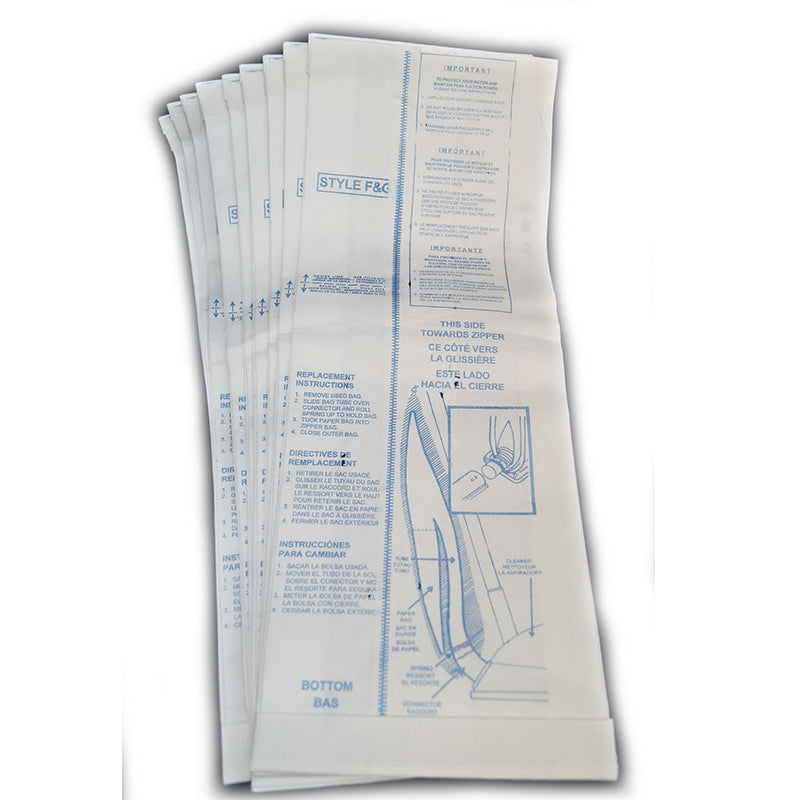
- Replace paper bags before they are packed full
- Wash reusable filters only if the manufacturer allows it
- Let wet filters dry fully before reinstalling them
- Tap loose dust from foam filters if approved
- Wipe the dust path and intake edges
- Check seals for dust buildup
The biggest mistake people make is using the vacuum with clogged filters for too long. That reduces suction and can strain the motor. I have seen machines last much longer when owners follow a regular cleaning schedule.
Electrolux Eureka Sanitaire Vac Troubleshooting is easier when you treat filters like the vacuum’s lungs. If the lungs are blocked, the whole machine struggles. Clean airflow means cleaner floors and less stress on the motor.
When to Replace Parts Instead of Repairing Them
Not every problem is worth a deep repair. Some parts wear out naturally and should simply be replaced. This is often the smartest path for older machines.
Parts that may need replacement include:
- Belts
- Filters
- Brush rolls
- Hoses
- Power cords
- Gaskets and seals
- Switches
If the vacuum is older and has repeated issues, compare repair cost to replacement cost. A worn hose or belt is affordable to fix. A failing motor, however, may not be worth the labor unless the vacuum is a higher-end commercial unit.
In my experience, honest Electrolux Eureka Sanitaire Vac Troubleshooting includes knowing when to stop repairing and start replacing. That saves frustration and helps you avoid throwing money at a machine that is near the end of its life.
Preventive Maintenance Tips That Reduce Future Problems
The best troubleshooting is the kind you never need to do. Regular care can prevent many common vacuum issues before they start.
Use these habits:
- Empty bags or dust cups before they are completely full
- Check the brush roll weekly
- Clean filters on a regular schedule
- Inspect the hose for clogs every few uses
- Replace worn belts as soon as performance drops
- Store the vacuum in a dry place
- Listen for changes in sound during use
Commercial-style vacuums like many Eureka and Sanitaire models are made to work hard, but they still need care. A few minutes of maintenance can add months of useful life. That is one of the simplest truths in Electrolux Eureka Sanitaire Vac Troubleshooting.
It also helps to keep a small kit at home with a flashlight, scissors, and a spare belt or filter. When a problem shows up, you can respond fast instead of putting the vacuum out of service for days.
Frequently Asked Questions of Electrolux Eureka Sanitaire Vac Troubleshooting
Why does my Electrolux Eureka Sanitaire vacuum have weak suction?
Weak suction usually means the bag, filter, hose, or nozzle is blocked. Start with the easiest fixes first, since most suction problems come from airflow restrictions rather than motor failure.
Why does the brush roll stop turning on my Sanitaire vacuum?
A broken or stretched belt is the most common cause. Hair or string wrapped around the brush roll can also keep it from spinning freely.
Why does my vacuum smell burnt?
A burnt smell often points to a clogged airflow path, a slipping belt, or an overworked motor. Stop using the vacuum and check for blockages right away to avoid more damage.
Why does my vacuum shut off during use?
Many vacuums shut off when they overheat. Let it cool, then clean the filters and check for clogs that may be forcing the motor to work too hard.
How often should I replace the vacuum belt?
Replace the belt as soon as it looks cracked, loose, or damaged. If you use the vacuum often, checking the belt every few months is a smart habit.
Can I wash every filter in my vacuum?
No, not every filter is washable. Always check the model instructions first, because washing the wrong filter can damage it and reduce performance.
Conclusion
Electrolux Eureka Sanitaire Vac Troubleshooting becomes much easier when you break the problem into simple parts: airflow, belts, filters, brush rolls, and power. Most issues are not mysterious. They are usually the result of clogging, wear, or skipped maintenance.
If you stay calm and check the basics first, you can fix many problems without a service call. Use the steps in this guide, keep up with regular care, and your vacuum will reward you with better suction and longer life. If this helped, save the article, share it with someone who owns one of these vacuums, or leave a comment with the issue you are trying to solve.

