

Most Dirt Devil Breeze Bagless Vacuum problems come from clogs, dirty filters, or worn parts.
If your Dirt Devil Breeze Bagless Vacuum is losing suction, making odd noises, or refusing to pick up dirt, you are not alone. I have seen this model act up for the same few reasons again and again, and the good news is that most fixes are simple once you know where to look. In this guide, I’ll walk you through Dirt Devil Breeze Bagless Vacuum Troubleshooting with clear steps, real-world tips, and the most common causes behind the issues that frustrate users the most.
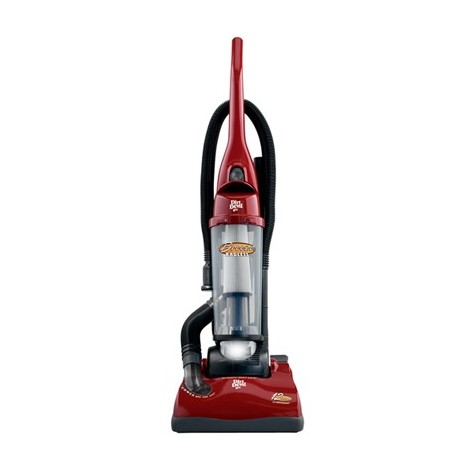
Common Problems With the Dirt Devil Breeze Bagless Vacuum
The Dirt Devil Breeze Bagless Vacuum is popular because it is lightweight, easy to use, and simple to empty. But like any bagless vacuum, it depends on steady airflow, clean filters, and a clear dirt path. When one of those breaks down, performance drops fast.
From my experience, most complaints fall into a few buckets:
• Loss of suction
• Vacuum not picking up debris well
• Brush roll not spinning
• Overheating and shutting off
• Dust leaking back into the air
• Strange rattling, whining, or burning smells
The key to Dirt Devil Breeze Bagless Vacuum Troubleshooting is to start with the simplest causes first. A dirty filter or small clog can create the same symptoms as a much bigger repair.
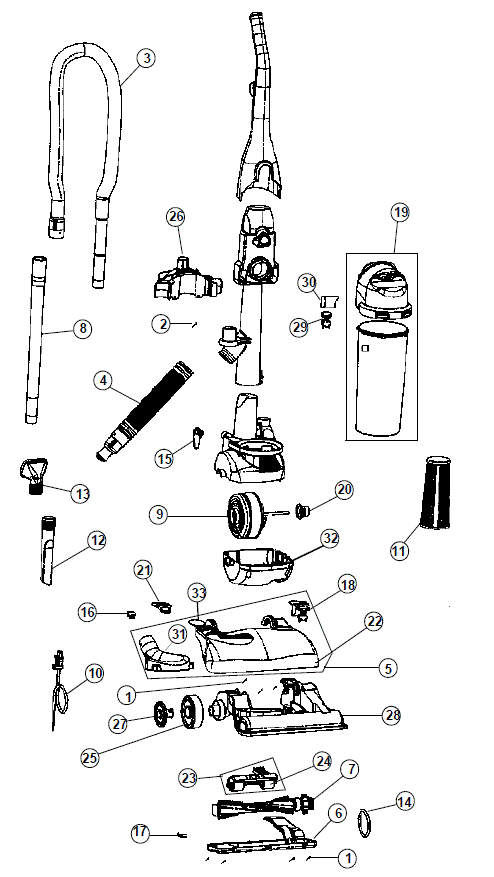
How the Dirt Devil Breeze Bagless Vacuum Works
Before you troubleshoot, it helps to know the basic system. This vacuum uses suction to pull dirt through the hose, wand, or floor nozzle. Air then passes through the dirt cup and filters before leaving the machine.
That means airflow is everything. If air cannot move smoothly, the vacuum cannot pick up dirt well. In real use, I’ve found that even a small plug of pet hair near the elbow joint can make the machine feel “dead” on the floor. Dirt Devil Breeze Bagless Vacuum Troubleshooting becomes much easier once you think in terms of airflow paths.
Dirt Devil Breeze Bagless Vacuum Troubleshooting Step by Step
Start with the vacuum unplugged. That sounds obvious, but it is the safest way to inspect each part. Work from the dirt cup to the brush roll, then to the hose and filter system.
1. Check the dirt cup
A full dirt cup can reduce airflow and make the vacuum act weak. Empty it even if it does not look packed full, because fine dust can clog the inner path.
• Remove the dirt cup
• Empty it into a trash bin
• Wipe out built-up dust
• Make sure the cup is seated back in place firmly
If the cup is not locked in correctly, suction may drop right away. I have seen people chase a “motor problem” when the real issue was a cup that was not clicked in all the way.
2. Inspect the filters
Dirty filters are one of the biggest causes of Dirt Devil Breeze Bagless Vacuum Troubleshooting calls. When filters get clogged with dust, airflow drops and the motor works harder.
• Remove the filters based on your model’s design
• Tap out loose dust outdoors
• Wash only if the manual says the filter is washable
• Let washable filters dry fully before reinstalling
Never put a damp filter back in the vacuum. That can trap grime, reduce airflow, and even create a musty smell. In my own use, I’ve seen a badly clogged filter mimic a motor failure almost perfectly.
3. Look for clogs in the hose and wand
A clog in the hose can make suction feel weak at the floor head or completely dead at the attachment. This is especially common if the vacuum has picked up socks, pet fur, paper scraps, or large crumbs.
• Detach the hose
• Shine a flashlight through it
• Push a broom handle or similar blunt object through gently if needed
• Check both ends for trapped debris
Be careful not to puncture the hose. A crack or tear can also cause suction loss, which is easy to confuse with a clog.
4. Examine the brush roll
If the vacuum sounds like it is working but debris stays on the carpet, the brush roll may be jammed. Hair, thread, and string often wrap around the brush and slow it down.
• Flip the vacuum over
• Remove visible hair or threads
• Check whether the brush spins freely
• Clear any jammed debris near the ends
A stuck brush roll often causes weak carpet cleaning even when suction is fine. This is one of those problems that feels bigger than it is. Most of the time, it takes just a few minutes to clean.
5. Check the belt
A worn or broken belt can stop the brush roll from turning. If the motor runs but the brush does not move, the belt is a strong suspect.
• Inspect the belt for cracks, looseness, or breakage
• Replace it if it looks stretched or damaged
• Make sure the new belt sits correctly on both pulleys
Belts wear out over time, especially if hair and debris have been wrapping the brush roll. This is a normal maintenance item, not a sign that the whole vacuum is failing.
6. Test the hose connection points
Air leaks at the connection points can weaken performance. If the hose is not sealed tightly, the vacuum may lose suction before dirt reaches the cup.
• Check the hose ends
• Inspect seals and fit points
• Make sure everything snaps or twists into place securely
A loose hose can produce a soft whistling sound. That sound is often a clue that air is escaping somewhere it should not.
7. Clean the floor nozzle
The floor nozzle is where a lot of hidden clogs form. Hair, dust clumps, and string can pile up right behind the brush roll and block pickup.
• Remove the nozzle cover if your model allows it
• Clear packed debris
• Wipe the channel clean
• Reassemble carefully
If the vacuum works on hard floors but not carpet, the nozzle path is worth a close look. That difference usually points to a airflow or brush issue rather than a motor problem.
8. Check for overheating
If the vacuum shuts off during use, it may be overheating. This usually happens when airflow is restricted by dirt, dust, or a blocked brush system.
• Turn the vacuum off
• Unplug it
• Let it cool fully
• Clean all filters and check for clogs before using it again
Many models have a thermal shutoff to protect the motor. That is helpful, but it also means repeated overheating should never be ignored.
Why the Dirt Devil Breeze Bagless Vacuum Loses Suction
Loss of suction is the most common complaint in Dirt Devil Breeze Bagless Vacuum Troubleshooting. In almost every case, the issue comes back to airflow restriction.
Common causes include:
• A full dirt cup
• Dirty or clogged filters
• Hose blockage
• Cracked hose or loose connection
• Brush roll jam
• Worn belt
• Poor seal around the dirt cup or filters
The tricky part is that one symptom can have multiple causes. I usually tell people to think like a plumber looking for a clog in a pipe. The issue may not be at the end you expect. Start at the cup and work backward until the vacuum breathes normally again.
When the Brush Roll Stops Spinning
A non-spinning brush roll usually means the belt is broken, the brush is jammed, or the motor side of the system is not transferring power. If you hear the motor but the carpet head is still, the brush path deserves attention first.
Signs to look for:
• Visible hair wrapped around the brush
• Burning rubber smell from a slipping belt
• Brush that feels stiff or stuck by hand
• Uneven carpet cleaning even when suction seems normal
One mistake I see often is people replacing the belt without cleaning the brush roll first. That new belt can fail quickly if the real problem is still sitting in the bristles.
Strange Noises, Smells, and Power Issues
Odd sounds and smells can be warning signs. A high-pitched whine often points to an airflow leak, while a rattling sound may mean debris is trapped inside the fan path. A burning smell can come from a slipping belt or stressed motor.
If the vacuum will not turn on at all, check these first:
• Power outlet
• Plug and cord damage
• Overheat shutoff
• Loose internal connection
• Full obstruction in the airflow path
For safety, stop using the vacuum if you smell strong burning plastic or see smoke. That is no longer a simple cleanup job.
Preventive Maintenance Tips That Save Time
The best Dirt Devil Breeze Bagless Vacuum Troubleshooting is the kind you never need because you stay ahead of the problem. A little routine care goes a long way.
Good habits include:
• Empty the dirt cup after heavy use
• Clean filters on a regular schedule
• Remove hair from the brush roll weekly
• Check the hose for blockages every few weeks
• Replace worn belts before they fail
• Store the vacuum in a dry place
This is one of those cases where small habits pay off. I’ve seen a vacuum run like new for much longer just because the owner cleaned the filter before it looked “too dirty.”
When to Replace a Part or Call for Help
Some issues are easy fixes. Others mean it is time to replace a worn part or get professional help. If the vacuum still has weak suction after all the basic checks, the motor, seals, or internal fan may be damaged.
Consider replacement or service if:
• The motor smells burnt
• The cord is damaged
• The brush motor does not respond
• The vacuum keeps shutting off after cleaning
• There is visible cracking in the body or hose that affects sealing
For most households, replacing a belt, filter, or hose is cheaper than buying a whole new vacuum. But if the motor is failing, it may not be worth the repair cost.
Frequently Asked Questions of Dirt Devil Breeze Bagless Vacuum Troubleshooting
Why does my Dirt Devil Breeze Bagless Vacuum have no suction?
Most suction loss comes from a clogged filter, full dirt cup, or blockage in the hose or nozzle. Start by cleaning those parts before assuming the motor has failed.
Why is my vacuum brush not spinning?
A jammed brush roll or worn belt is usually the cause. Clear hair and debris from the brush first, then check whether the belt is stretched or broken.
Why does my Dirt Devil Breeze Bagless Vacuum keep shutting off?
It may be overheating because airflow is restricted. Clean the filters, check for clogs, and let the vacuum cool fully before restarting it.
How often should I clean the filters?
That depends on use, but many users benefit from cleaning them every few weeks. If you have pets or heavy dust, you may need to do it more often.
Can a clogged hose cause weak suction?
Yes, a clogged hose can reduce suction a lot. Even a small obstruction can make the vacuum feel much weaker than it should.
Conclusion
Dirt Devil Breeze Bagless Vacuum Troubleshooting is usually about airflow, not mystery. In most cases, the fix is as simple as emptying the dirt cup, cleaning the filters, clearing a clog, or replacing a worn belt. Once you know the weak points, the vacuum becomes much easier to keep in good shape.
The main thing to remember is to start small and work methodically. That approach saves time, protects the machine, and helps you avoid replacing parts you do not need. If this guide helped, try the steps on your own vacuum, and feel free to share your experience or keep exploring more home repair tips.

