

Yes, canister vacuums can be a smart, senior-friendly choice when weight, reach, and control matter most.
Today's Exclusive Deals
Limited-time Exclusive Deals. Check current discount on Amazon.
Check Price on Amazon As an Amazon Associate I earn from qualifying purchases.If you are wondering whether canister vacuums are suitable for seniors, the short answer is that they often are, especially for people who want less pushing, easier stairs, and better reach under furniture. I have seen many older adults do better with a canister model than with a heavy upright, mainly because the separate body feels easier to move and the hose can do the hard-to-reach work. But the right choice depends on strength, balance, home layout, and how much bending or lifting feels comfortable day to day.
Are canister vacuums suitable for seniors?
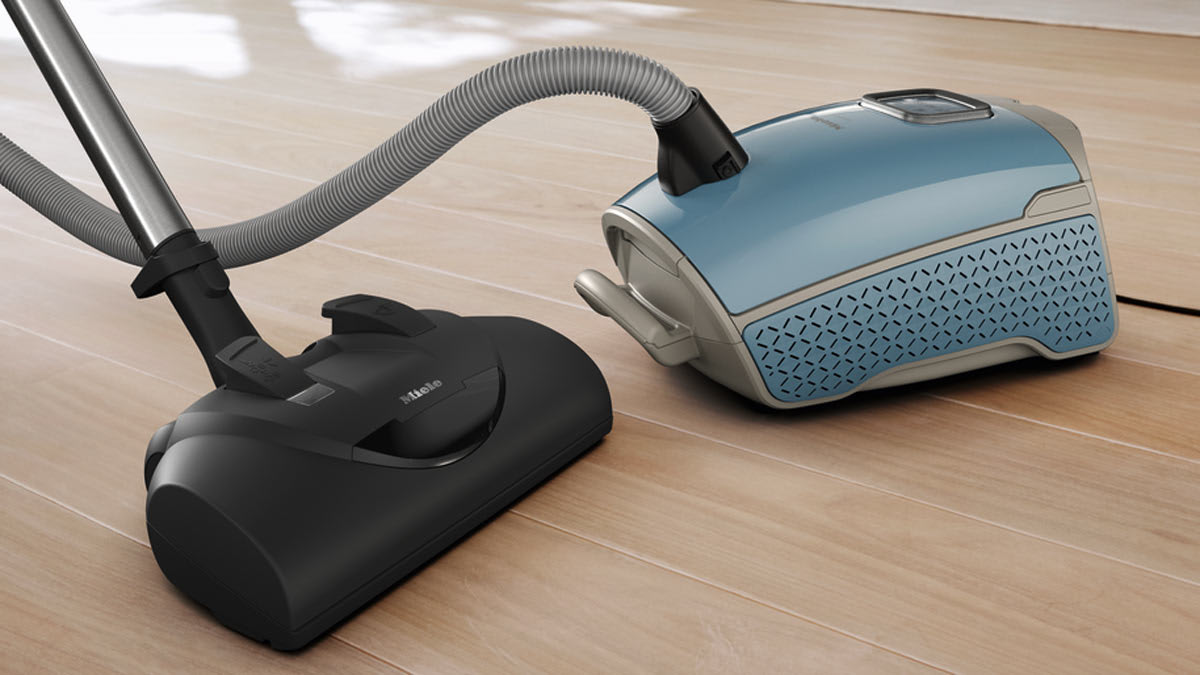
Canister vacuums are often suitable for seniors because they are usually lighter in the hand and easier to guide in tight spaces. Instead of pushing a heavy machine across the whole floor, you pull a hose and wand while the motor unit stays behind you. That simple design can reduce strain on the back, shoulders, and wrists.
Today's Exclusive Deals
Limited-time Exclusive Deals. Check current discount on Amazon.
Check Price on Amazon As an Amazon Associate I earn from qualifying purchases.That said, canister vacuums are not perfect for every older adult. Some models can be awkward to drag, and the cord, hose, or attachments may feel like too many parts to manage. The best canister vacuums for seniors are the ones that balance low weight, easy steering, strong suction, and simple controls.
In my experience, the biggest mistake people make is assuming all canister vacuums feel the same. They do not. A well-designed canister vacuum can feel like a helpful kitchen cart, while a poor one can feel like you are wrestling a suitcase with a mind of its own.

Why canister vacuums can work well for older adults
A good canister vacuum can make cleaning feel less like a workout. For seniors, that matters because comfort, grip strength, and mobility often change over time. The design gives you more control where you need it most.
Today's Exclusive Deals
Limited-time Exclusive Deals. Check current discount on Amazon.
Check Price on Amazon As an Amazon Associate I earn from qualifying purchases.Here are the main reasons canister vacuums are often a good fit:
- Less lifting during cleaning, since the motor stays on the floor
- Better reach under beds, sofas, and chairs
- Easier use on stairs than many upright vacuums
- Often lighter in the hand because the wand does the cleaning
- Better for mixed floors like hardwood, tile, and rugs
I have noticed that seniors who have trouble pushing upright vacuums often prefer canisters because the movement feels more natural. It is a bit like using a rolling bag instead of carrying a heavy one.
Easier for joint pain and limited strength
Many older adults deal with arthritis, shoulder pain, or reduced grip strength. A canister vacuum can help because the hand-held part is lighter than a full upright body. This can make a real difference over a long cleaning session.
If the vacuum has a swivel head, smooth wheels, and a lightweight wand, the experience gets even easier. The less force needed, the less likely the user is to feel tired or sore afterward.
Better for homes with stairs
Stairs are one of the biggest pain points for vacuuming. Canister vacuums are often easier on stairs because the main unit can sit on a landing while the hose and wand do the work. That can be safer than carrying a full upright up and down each step.
This is one area where I strongly favor canisters for seniors. Carrying a heavy vacuum on stairs can be risky, especially if balance is not what it used to be.
Good for low furniture and hard-to-reach spots
Canister vacuums usually shine when cleaning under couches, beds, and tables. The hose and wand let you reach farther without bending too much. That can be a big win for seniors who want to avoid kneeling or crouching.
For many people, this is the hidden benefit they do not think about at first. Once they try it, they realize they can clean places they used to skip.
What to look for in a senior-friendly canister vacuum
Not all canister vacuums are easy to use. If you are buying one for an older adult, or for yourself, look beyond suction power and focus on comfort. A vacuum can be strong and still be a bad fit if it is hard to handle.
Lightweight design
A lighter canister is usually easier to pull, store, and lift over thresholds. Many seniors do best with models that feel manageable rather than bulky. Even a difference of a few pounds can matter during daily use.
Simple controls
Big buttons, easy speed settings, and clear on and off switches are important. Complicated settings can become frustrating fast. If the vacuum needs too much setup, it may end up sitting in the closet.
Easy-to-move wheels
Smooth rolling wheels help the canister glide instead of drag. This matters on carpet, rugs, and transitions between rooms. Good wheels can save energy and reduce wrist strain.
Automatic cord rewind
An automatic cord rewind can be a very helpful feature. It removes one more bending task and makes storage faster. For seniors with back or shoulder pain, this small detail can make the vacuum feel much easier to live with.
Adjustable wand and handle
A telescoping wand helps the user stand more upright while cleaning. That can reduce back strain and make vacuuming feel less tiring. A comfortable handle also helps if grip strength is limited.
Quiet operation
Loud vacuums can be tiring or unpleasant, especially for older adults who are sensitive to noise. A quieter model can make cleaning less stressful. This is also useful in homes where hearing aids or noise sensitivity are a concern.
When canister vacuums may not be the best choice
Even though canister vacuums are suitable for many seniors, they are not ideal in every case. Some older adults may find them harder to manage than expected. The hose can catch, the body can tip, and attachments can get lost.
Here are some situations where a different vacuum may be better:
- If bending down is very difficult
- If dragging a canister causes balance concerns
- If the home has lots of thick carpet and heavy rugs
- If the user wants the simplest possible one-piece design
- If storage space is very limited
In some homes, a lightweight upright or cordless stick vacuum may be a better fit. The real goal is not choosing the “best” vacuum in general. It is choosing the one the senior will actually use safely and comfortably.
My practical tips for choosing one for a senior
Over the years, one lesson has stood out to me: the easiest vacuum is not always the most powerful one. It is the one that feels natural from the first minute. That is why testing matters so much.
Use these tips before buying:
- Try lifting the canister with one hand to judge weight
- Check whether the hose feels flexible and easy to hold
- Test how it moves on carpet and hard floors
- Make sure the power button is easy to find
- Look for attachments that snap on without fuss
- Confirm that the dust bin or bag is simple to empty or replace
If possible, have the senior try the vacuum in person. I have seen people fall in love with a model online, only to hate how it feels in real life. Clean-looking specs do not always match real comfort.
Safety and comfort tips for senior users
Safety matters as much as cleaning power. A vacuum should help, not create a new chore or a fall risk. With a few habits, canister vacuums become much easier to use.
Try these safety tips:
- Keep cords out of walkways to prevent tripping
- Use short cleaning sessions instead of long ones
- Store attachments in one place so they are easy to find
- Empty the dust bin or change the bag before it gets too full
- Take breaks if the hose or wand starts to feel heavy
- Avoid twisting the back too much while reaching
For seniors with arthritis or limited mobility, a vacuum with a soft-grip handle and smooth steering can make a noticeable difference. Small design choices often matter more than people expect.
Canister vacuums vs upright vacuums for seniors
Choosing between a canister and an upright depends on the person, not just the machine. Uprights are often simpler because everything is in one unit. But they can be harder to push and less comfortable for people with joint pain.
Canister vacuums are often better if the user wants:
- Less pushing force
- Better reach under furniture
- Easier stair cleaning
- More comfort on mixed flooring
Uprights may work better if the user wants:
- A one-piece vacuum
- Less hose management
- Faster cleaning in open spaces
- Fewer parts to carry
A helpful way to think about it is this: an upright is like a broom with a motor, while a canister is like a helper on wheels. The helper can make some jobs easier, but only if it is easy to guide.
What experts and product testing often show
Consumer testing groups and home-care experts often point to usability features as the main factor for older users. Weight, maneuverability, cord length, filtration, and control layout matter just as much as suction. That lines up with what many occupational therapists recommend for reducing strain during daily tasks.
Research on aging and home safety also supports the idea that simpler, lower-effort tools can reduce physical stress and improve independence. That does not mean every canister is safer, but it does mean the right design can support aging in place. In plain terms, a vacuum that is easier to use is more likely to be used regularly and safely.
Frequently Asked Questions
Are canister vacuums easier for seniors to use than uprights?
Often, yes. Canister vacuums can feel easier because the user does not need to push the full machine around. They are especially helpful for people with back pain, shoulder pain, or trouble cleaning stairs.
Are canister vacuums good for arthritis?
They can be a good option for arthritis if the model is lightweight and simple to handle. Look for easy controls, a comfortable grip, and smooth wheels to reduce strain on the hands and joints.
What features should seniors avoid in a canister vacuum?
Seniors may want to avoid heavy models, stiff hoses, tiny buttons, and difficult cord storage. These features can make the vacuum feel harder to control and more tiring to use.
Are bagged or bagless canister vacuums better for seniors?
Bagged models are often easier for seniors because they can be less messy to empty. Bagless models can save money, but emptying the bin may create dust and require more bending and handling.
Can a canister vacuum be used on stairs safely?
Yes, many canister vacuums are well suited for stairs because the main unit can stay on a landing while the hose reaches the steps. That said, users should still move slowly and keep cords and hoses out of the way.
Conclusion
Canister vacuums are suitable for many seniors because they can reduce pushing, improve reach, and make stairs easier to handle. The best models are lightweight, simple to control, and comfortable to use for more than a few minutes at a time. If the vacuum matches the user’s strength and home layout, it can make cleaning feel far less tiring.
The smartest move is to choose based on real-life comfort, not just specs on a box. If you are helping an older parent, a spouse, or yourself, focus on ease, safety, and everyday use. Explore a few models, compare features carefully, and pick the one that makes home care feel easier, not harder.

