

Yes, canister vacuums can clean ceiling corners with the right attachment and technique.
Today's Exclusive Deals
Limited-time Exclusive Deals. Check current discount on Amazon.
Check Price on Amazon As an Amazon Associate I earn from qualifying purchases.If you have ever looked up and noticed dust tucked into those high, awkward corners, you already know the struggle. I’ve tested a lot of cleaning setups over the years, and canister vacuums are one of the best tools for this job because they combine reach, suction, and flexibility in a way upright vacuums usually cannot. In this guide, I’ll break down exactly how canister vacuums clean ceiling corners, where they work best, what attachments help most, and the common mistakes that make the job harder than it needs to be.
How canister vacuums clean ceiling corners
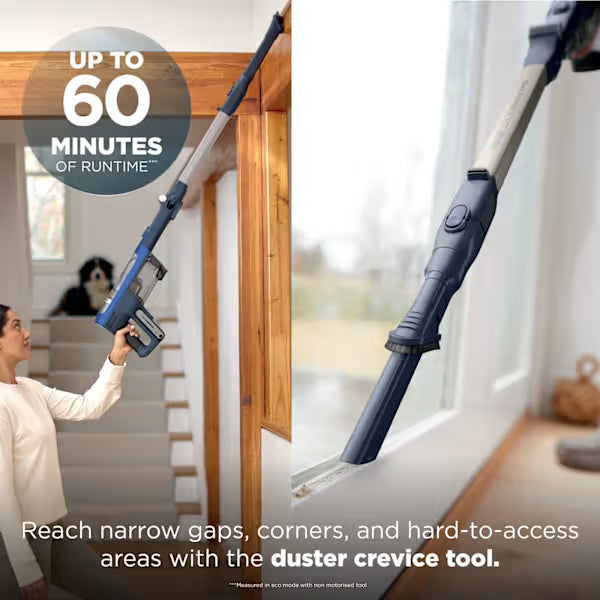
Canister vacuums are built with a separate body and a lightweight wand or hose. That design makes them much easier to lift and aim upward than bulky upright vacuums. When you attach the right tool, such as a crevice tool, dusting brush, or extension wand, a canister vacuum can reach into ceiling corners and pull out dust, cobwebs, and loose debris.
The biggest reason this works is reach. Ceiling corners sit where walls meet the ceiling, and that space often traps dust because air moves there and particles settle slowly. A canister vacuum with strong suction and a long hose can get close enough to remove that buildup without needing a ladder for every small cleaning job.
Today's Exclusive Deals
Limited-time Exclusive Deals. Check current discount on Amazon.
Check Price on Amazon As an Amazon Associate I earn from qualifying purchases.
Why canister vacuums are so useful for high corners
Canister vacuums are flexible in a way most vacuums are not. The hose lets you move the cleaning head while the main unit stays on the floor. That means less weight in your hands and less strain on your shoulders when you are cleaning above eye level.
Here is why they work well for ceiling corners:
• Long reach: Many models include extension wands that help you clean high spots without overextending.
Today's Exclusive Deals
Limited-time Exclusive Deals. Check current discount on Amazon.
Check Price on Amazon As an Amazon Associate I earn from qualifying purchases.• Better maneuverability: The hose and wand can angle into tight spaces more easily than a rigid vacuum head.
• Strong suction at the tip: Good canister vacuums keep solid suction through the attachment, which helps lift dust from corners.
• Tool variety: You can switch between a brush, crevice tool, or even a microfiber-style attachment depending on the mess.
I have found that the best results come when the vacuum feels almost like an extra arm. If you are fighting the machine, it is probably the wrong setup for ceiling corners.
Best attachments for ceiling corners
The vacuum itself matters, but the attachment does most of the real work. Ceiling corners are narrow, so the wrong tool can push dust around instead of removing it.
Crevice tool
A crevice tool is narrow and long. It works well when the corner has packed dust or when you want to reach the seam where two surfaces meet. It is especially useful for hard edges, but it can be a little too direct if the dust is loose and fluffy.
Dusting brush
A dusting brush is softer and gentler. It is a smart choice for painted ceilings, textured surfaces, crown molding, and areas with delicate finishes. The bristles loosen dust first, then the suction pulls it away.
Extension wand
An extension wand is not the cleaning head itself, but it is what makes the job possible. If you are tall enough to reach the corner but not comfortably, the wand gives you better control and keeps you from stretching too far.
Combination tools
Some canister vacuums come with combination heads that work for both hard floors and upholstery. These are handy, but for ceiling corners, a smaller dedicated attachment usually gives better precision.
Can canister vacuums clean ceiling corners on textured ceilings
Yes, but textured ceilings need a softer touch. Popcorn ceilings, knockdown textures, and other rough finishes hold dust differently, and aggressive suction can sometimes disturb loose material. That is why a dusting brush is usually safer than a hard crevice tool.
For textured ceilings, I usually recommend:
• Start on low suction if your vacuum allows it
• Use a soft brush attachment first
• Keep the tool slightly away from the surface if the texture is fragile
• Test a small spot before cleaning a larger area
This is one place where patience matters. Think of it like brushing crumbs off a rough sweater instead of scraping them off a table.
Step-by-step: how to clean ceiling corners with a canister vacuum
If you want a smooth result, use a simple process.
-
Clear the room if possible
Move small items out of the way so you do not knock them over with the hose. -
Choose the right attachment
Use a dusting brush for delicate corners and a crevice tool for tighter buildup. -
Attach the extension wand
This helps you reach the ceiling without unsafe stretching. -
Work from one corner to the next
Move slowly. Let the suction pull dust instead of rushing past it. -
Use short, controlled passes
A few steady passes work better than waving the tool around. -
Check for cobwebs and trim edges
Corners often collect both dust and spider webs, so inspect the edge after vacuuming. -
Finish with a microfiber cloth if needed
If a little dust remains, a quick wipe can leave the area spotless.
I learned long ago that speed is not the goal here. Clean corners reward careful movement, not force.
When a canister vacuum works best
Canister vacuums are especially good for ceiling corners when:
• The room has high ceilings
• You want to clean without climbing a ladder too often
• Dust and cobwebs are light to moderate
• You need to clean corners in several rooms at once
• You want a cleaner result than a broom or duster often gives
They are also useful in homes with pets, since pet hair can collect in corners and along trim. In my experience, canister vacuums are one of the most reliable tools for whole-home detail cleaning because they handle both low and high surfaces with the same machine.
Limitations of canister vacuums for ceiling corners
Even though canister vacuums can clean ceiling corners well, they are not perfect for every situation. If dust has clung to a greasy surface, such as near a kitchen ceiling, suction alone may not remove everything. In those cases, you may need a damp cloth or a specialized cleaning step first.
Other limitations include:
• Very heavy cobweb buildup may need a duster before vacuuming
• Fragile plaster or flaking paint can be damaged by strong suction too close to the surface
• Short hoses or cheap attachments can make high cleaning awkward
• Poorly sealed vacuum systems may lose suction at the wand
If you have ever tried cleaning a high corner with a tool that kept slipping, you know how frustrating that can be. The vacuum may be capable, but the accessory setup matters just as much.
Tips to get better results
Here are a few practical tips that make a big difference:
• Keep the hose untangled so suction stays steady
• Use the lightest attachment that still gives good pickup
• Clean ceiling corners before dust falls onto furniture
• Vacuum in daylight or bright light so you can see missed spots
• Empty the canister before it gets too full
• Check filters often because clogged filters reduce airflow
One mistake I used to see often was people pressing the attachment directly into the corner too hard. That can smear dust around instead of lifting it. A light touch usually works better.
Can canister vacuums replace dusters for ceiling corners
Sometimes, yes. For dry dust and cobwebs, a canister vacuum can do a better job than a feather duster because it actually captures debris instead of moving it around. That makes it a strong choice for allergy-prone households, since dust is removed from the room instead of floating back down.
Still, dusters have a place. If the corner has long spider webs or a very light layer of dust, a duster can loosen the buildup first. Then the canister vacuum can finish the job.
What to look for in a canister vacuum for high cleaning
If you are buying a vacuum mainly for ceiling corners and other high spots, look for these features:
• Long hose length
• Lightweight wand
• Good suction control
• Soft brush attachment
• Crevice tool included
• HEPA filtration if allergies are a concern
• Easy-to-carry canister body
HEPA filtration is especially helpful for keeping fine dust from recirculating. That matters if you are cleaning often or living with people who are sensitive to allergens.
Frequently Asked Questions
Can canister vacuums clean ceiling corners better than upright vacuums?
Yes, in most cases they can. Canister vacuums are easier to lift and aim upward because the motor body stays on the floor while the hose and wand do the reaching.
What attachment is best for ceiling corners?
A dusting brush is usually the safest choice for most ceiling corners, especially on painted or textured surfaces. A crevice tool works better for tight seams or heavier dust buildup.
Do canister vacuums work on cobwebs in corners?
Yes, they work well on cobwebs if the webbing is dry and loose. For thicker webs, it helps to loosen them first with a brush attachment or a microfiber duster.
Can a canister vacuum damage ceiling paint?
It can if you use too much suction too close to a fragile surface. Use a soft attachment and test a small area first if the paint is old or peeling.
Are canister vacuums good for high ceilings?
Yes, they are one of the best household vacuum types for high ceilings. The long hose and extension wand give you the reach needed without constant ladder use.
Should I vacuum ceiling corners often?
Yes, regular cleaning helps prevent dust buildup and cobwebs from settling in. For most homes, doing it every few weeks or during deeper cleaning is enough.
Conclusion
Can canister vacuums clean ceiling corners? Yes, and they do it very well when you use the right attachment, a steady hand, and a little patience. They are one of the most practical tools for reaching high dust traps, especially in homes with tall ceilings, pets, or allergy concerns.
If you want cleaner corners with less hassle, focus on reach, suction, and the right brush or wand setup. Try the tips above during your next cleaning session, and you may be surprised by how much dust has been hiding overhead. If this guide helped, explore more home cleaning tips or share your own ceiling-cleaning tricks in the comments.

