

Yes, canister vacuums are often better for stairs because they are lighter and easier to carry.
Today's Exclusive Deals
Limited-time Exclusive Deals. Check current discount on Amazon.
Check Price on Amazon As an Amazon Associate I earn from qualifying purchases.If you have ever dragged a heavy upright vacuum up a staircase, you already know the struggle. In my experience testing and using different vacuum styles over the years, stairs are where canister vacuums usually shine. They offer better reach, less arm strain, and more control, which makes a big difference on narrow steps, edges, and awkward corners. Let’s break down why canister vacuums are often the smarter choice for stairs, where they fall short, and how to pick the right one for your home.
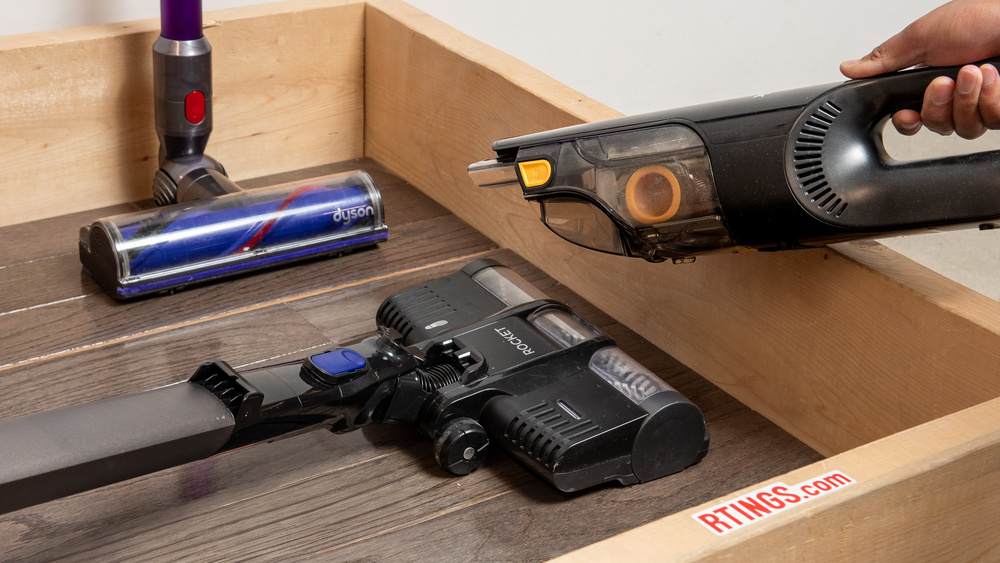
Are canister vacuums better for stairs?
Yes, in most homes, canister vacuums are better for stairs than upright vacuums. The main reason is simple: the canister sits on the floor while you handle a lightweight wand and hose. That means less lifting, less balance trouble, and less fatigue as you move from step to step.
Today's Exclusive Deals
Limited-time Exclusive Deals. Check current discount on Amazon.
Check Price on Amazon As an Amazon Associate I earn from qualifying purchases.Stairs need control more than brute force. A canister vacuum gives you that control, especially when cleaning carpeted treads, tight corners, and wall edges. That said, the best vacuum for stairs still depends on your home layout, vacuum weight, hose length, and the type of stairs you clean most often.
Why canister vacuums work so well on stairs
Canister vacuums are built with a separate body and cleaning wand. That design matters a lot on stairs because you can keep the heavier unit on a landing or lower step while moving the wand around. It is a bit like using a fishing rod instead of carrying the whole boat.
Here are the biggest reasons they work well:
- Less lifting: You do not have to carry the full machine on every step.
- Better reach: Long hoses and extension wands help you clean deep corners.
- Easier edge cleaning: The slim wand fits near stair rails and trim.
- More flexibility: Many models can switch from carpet to bare floor tools fast.
- Better comfort: Your wrist and shoulder usually take less strain.
In real use, that comfort matters. I have seen people clean stairs much faster with a canister vacuum simply because they stop fighting the machine.
Today's Exclusive Deals
Limited-time Exclusive Deals. Check current discount on Amazon.
Check Price on Amazon As an Amazon Associate I earn from qualifying purchases.Where upright vacuums struggle on stairs
Upright vacuums are strong on open floors, but stairs can expose their weak spots. Most uprights are heavier, bulkier, and harder to balance on narrow steps. If you have ever tried to rest one on a stair while cleaning the next step, you know how clumsy that can feel.
Common problems include:
- Heavy lifting between floors or steps
- Awkward angles on carpeted or curved stairs
- Poor maneuverability in tight spaces
- More risk of tipping or slipping
- Less comfort for long cleaning sessions
That does not mean uprights are bad. Some lightweight cordless uprights do fine on stairs. But for most people, a canister vacuum is still easier and safer.
What makes a canister vacuum good for stairs
Not every canister vacuum is stair-friendly. Some are bulky, and some have short hoses that make stair cleaning frustrating. When I test vacuums for stair use, I focus on practical features, not just suction numbers.
Look for these features:
- Lightweight hose and wand: Helps reduce arm fatigue
- Long hose reach: Lets you clean more steps without moving the canister
- Strong suction control: Useful for both carpet and hard stairs
- Stair tools: Mini motorized brush heads or upholstery tools work well
- Easy carry handle: Important if you need to move the unit often
- Stable wheels: Keeps the canister from rolling around too much
A good stair vacuum should feel easy, not dramatic. If it makes you stop and rearrange the machine every few steps, it is not the right fit.
Best types of stairs for canister vacuums
Canister vacuums are especially useful on these stair types:
- Carpeted stairs: Great for pulling dirt, dust, and pet hair from fibers
- Wood stairs: Helpful when you need gentle control and dust pickup
- Narrow stairs: Easier to manage because the wand is slim
- Stairs with landings: You can park the canister and work in sections
- Stairs with corners or rails: The hose helps reach tricky spots
I have found canister vacuums especially helpful in homes with mixed flooring. They move from carpeted stairs to hardwood landings without much fuss, which saves time and effort.
When a canister vacuum may not be the best choice
Canister vacuums are not perfect for everyone. They can feel less convenient if you have a lot of heavy furniture to move around, or if the canister itself is large and hard to store. Some models also have hoses that tangle or retract too much, which gets annoying on longer staircases.
You may want another option if:
- You want the fastest possible grab and go cleaning
- You have very limited storage space
- You dislike managing a hose and separate body
- You mostly clean short stairs and small messes
- You prefer cordless tools for quick touch-ups
For some people, a handheld vacuum or a lightweight cordless stick vacuum may be enough. The best choice depends on how often you clean stairs and how much dirt your home collects.
Canister vacuum vs upright vacuum for stairs
If your main question is which one wins for stairs, here is the simple breakdown.
Canister vacuum advantages:
- Easier to carry or keep on the floor
- Better reach with hose and wand
- More comfortable for long cleaning
- Often better for corners and edges
Upright vacuum advantages:
- Better for large floor areas
- Often simpler to store
- Sometimes faster for whole-house carpet cleaning
- Can work well if very lightweight
For stairs alone, canister vacuums usually come out ahead. For whole-home carpet cleaning, the upright may still be the better daily driver. Many households end up using both styles for different jobs.
My practical tips for cleaning stairs with a canister vacuum
Over time, I learned that stair cleaning goes much better when you use a simple system. Trying to rush usually leads to missed dirt, sore arms, and a vacuum that keeps sliding out of place.
Try these tips:
- Start at the top step and work down: This helps avoid stepping on cleaned areas.
- Park the canister on a landing when possible: It keeps the machine stable.
- Use the right attachment: A small brush tool or mini power head often works best.
- Vacuum edges first: Dust collects where tread and riser meet.
- Go slowly on carpet: Slow passes pull up more debris and pet hair.
- Empty the bin often: Strong suction matters on stairs, and a full bin weakens it.
A small mistake I have seen people make is using the floor head instead of the stair tool. The big head may feel powerful, but it usually makes stair work harder, not easier.
Features to look for if you have pets or kids
If your home has pets or busy kids, stairs get dirty faster than you think. Fur, crumbs, shoe grit, and fine dust tend to settle into stair fabric and edges. In that case, a canister vacuum with strong suction and a motorized brush can be a real time saver.
Helpful features include:
- Pet hair tool: Picks up fur from carpet and upholstery
- HEPA filtration: Helps trap fine dust and allergens
- Strong sealing: Reduces dust leakage back into the air
- Compact brush head: Better for step corners and tight areas
- Easy bin emptying: Makes cleanup less messy
This is also where trust and performance matter. Good filtration is not just a nice extra. For families with allergies, cleaner air can be part of the value.
Common mistakes to avoid
A canister vacuum can make stairs easier, but only if you use it the right way. I have seen a few mistakes come up again and again.
Avoid these:
- Choosing a model with a short hose
- Buying a heavy canister that is hard to move
- Using the wrong attachment for carpeted stairs
- Letting the canister slide around freely
- Ignoring weight and balance when comparing models
One of the biggest lessons I have learned is that “good suction” alone is not enough. On stairs, comfort, reach, and tool design matter just as much.
Are canister vacuums worth it for multi-level homes?
Yes, they often are. If you clean more than one floor, a canister vacuum can save time and reduce strain because you do not need to haul the whole machine around constantly. That makes a big difference in homes with bedrooms upstairs and living areas downstairs.
They are especially worth it if:
- You have several carpeted stair runs
- You clean stairs often
- You need a vacuum for both floors and furniture
- You want one machine that handles detail work well
For multi-level homes, canister vacuums can feel like a more complete cleaning tool. They are not always the cheapest choice, but they often pay off in comfort and flexibility.
Frequently Asked Questions of Are canister vacuums better for stairs?
Are canister vacuums easier to use on stairs than uprights?
Yes, most people find them easier because the heavier part stays on the floor while you use a lightweight hose and wand. That setup reduces lifting and makes stair cleaning feel less awkward.
Do canister vacuums work well on carpeted stairs?
Yes, they usually work very well on carpeted stairs, especially if they come with a motorized brush or stair tool. Those attachments help lift dirt and pet hair from the fibers more effectively.
Can a lightweight upright vacuum be better than a canister vacuum for stairs?
Sometimes, yes. A very light upright or cordless stick vacuum can be handy for quick cleanups, but a canister vacuum still usually offers better reach and control for deeper stair cleaning.
What vacuum attachment is best for stairs?
A small upholstery tool, mini power head, or stair brush often works best. These tools fit the shape of the steps better and help clean edges, corners, and fabric surfaces more thoroughly.
Are canister vacuums good for people with back pain?
Yes, they can be a better choice for people with back pain because they reduce heavy lifting. You still need to move the hose and wand, but the job is usually less stressful than carrying an upright up the stairs.
Do canister vacuums work on both carpet and hardwood stairs?
Yes, many do. Just make sure the vacuum has adjustable suction and the right tool for each surface so you do not scratch wood or miss dirt in carpet fibers.
Conclusion
Canister vacuums are usually better for stairs because they are lighter to handle, easier to guide, and more comfortable for detailed cleaning. They are especially useful in homes with carpeted stairs, tight corners, pets, or multiple floors. If you want less strain and better control, a canister vacuum is often the smarter pick.
The best choice still depends on your home and habits, so think about hose length, weight, attachments, and storage before buying. If stairs are a big part of your cleaning routine, choose the tool that makes the job feel simple, not exhausting. Explore a few models, compare features carefully, and leave a comment with your own stair-cleaning experience.

