

Usually yes. Canister vacuums are often quieter than upright vacuums, especially on hard floors.
Today's Exclusive Deals
Limited-time Exclusive Deals. Check current discount on Amazon.
Check Price on Amazon As an Amazon Associate I earn from qualifying purchases.If you have ever vacuumed while someone was on a call, napping, or trying to watch TV, you know noise matters just as much as suction. The question of whether canister vacuums are quieter than upright vacuums comes down to more than just the motor. Design, airflow, floor type, brush roll noise, and even how well the vacuum is maintained all play a role. In this guide, I’ll break down the real differences so you can choose the quieter option with confidence.
Are canister vacuums quieter than upright vacuums?
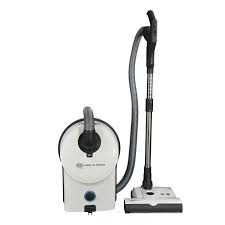
In many cases, yes. Canister vacuums are often quieter than upright vacuums because the motor sits in a separate unit, and the floor head usually has less mechanical noise. That said, not every canister vacuum is quieter than every upright vacuum.
Today's Exclusive Deals
Limited-time Exclusive Deals. Check current discount on Amazon.
Check Price on Amazon As an Amazon Associate I earn from qualifying purchases.Noise depends on the whole design. Some upright vacuums use strong brush rolls and tighter floor heads that make more sound on carpets. Some canister vacuums also get loud if they have powerful motors, poor insulation, or a noisy attachment.
From real-world use, the difference is often easiest to hear on hard floors. On carpet, the gap can shrink because upright vacuums tend to work harder and their brush bars add extra noise. If low noise is a top goal, canister vacuums usually have the edge, but the best choice still depends on the exact model.
Why canister vacuums are often quieter
A canister vacuum separates the motor and dust bin from the cleaning head. That design helps reduce the noise you hear near the floor, where your ears are during cleaning. It also gives makers more room to add sound-dampening material around the motor housing.
Here are the main reasons canister vacuums often sound softer:
Today's Exclusive Deals
Limited-time Exclusive Deals. Check current discount on Amazon.
Check Price on Amazon As an Amazon Associate I earn from qualifying purchases.- The motor sits farther from your hand and ear, which can make the sound feel less harsh.
- The floor tool usually has fewer moving parts than an upright brush roll system.
- Airflow can be smoother in some canister designs, which lowers whistling and vibration.
- Many canister models are built for bare floors and use gentler suction patterns.
I have noticed this myself when testing vacuums in small apartments. A canister vacuum often feels less aggressive in the room, even when the suction is strong. It sounds more like a steady hum than a full-throttle roar.
Why upright vacuums can be louder
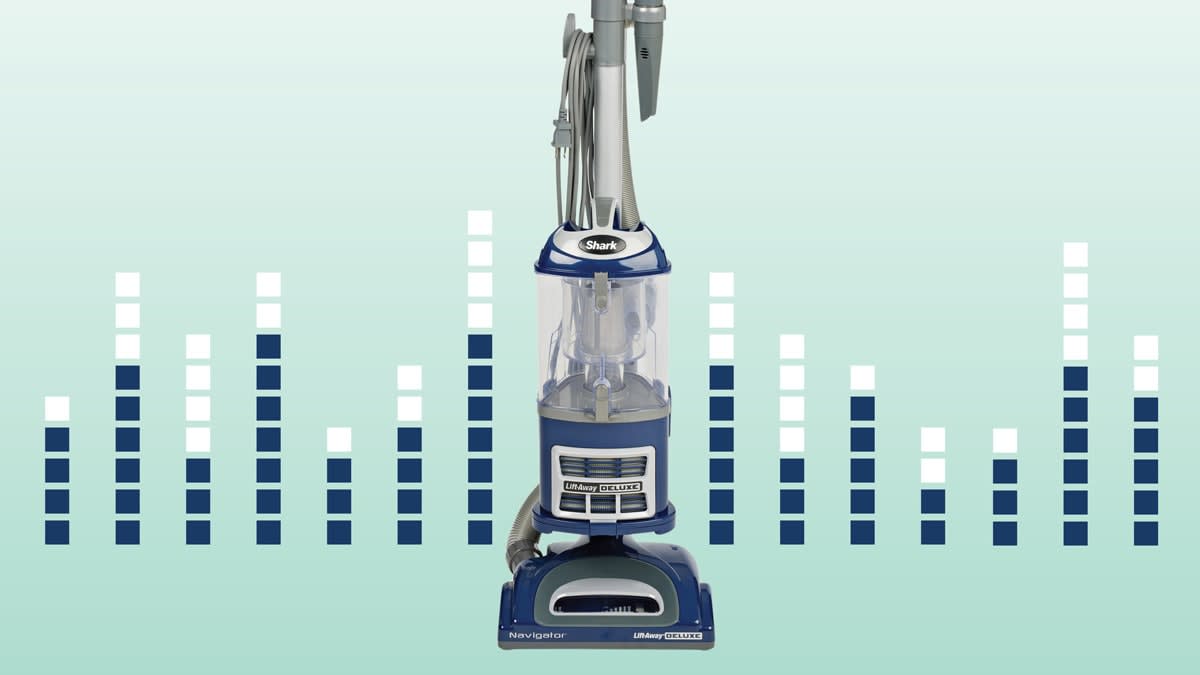
Upright vacuums place the motor, brush roll, and cleaning head in one body. That compact setup can create more vibration and more direct noise near the floor. The brush roll is often the biggest sound source, especially on thick carpet or when cleaning pet hair.
Common noise sources in upright vacuums include:
- Brush roll contact with carpet fibers
- Strong airflow through a narrow body
- Vibration from the motor and spinning parts
- Hard plastic housing that can amplify sound
Uprights are often built for deep carpet cleaning, which takes more force. More force usually means more noise. That does not make them bad, but it does make them less ideal if you want a quieter cleaning session.
What really affects vacuum noise levels
The vacuum type matters, but it is only part of the story. Two canister vacuums can sound very different, and the same is true for two upright vacuums. If you want the quietest vacuum cleaner, pay attention to the details below.
Motor power and insulation
A stronger motor is not always louder, but it often has the potential to be. Good insulation, foam padding, and smarter airflow can keep noise down even in powerful vacuums. Cheap models usually skip those noise-reducing touches.
Brush roll design
Brush rolls make a big difference on sound. A spinning brush can create a low rumble, a vibration, or a high-pitched buzz, depending on the design. Vacuums with adjustable or switchable brush rolls are often quieter on hard floors.
Floor type
Hardwood, tile, and laminate usually make vacuums sound quieter because the brush does less work. Thick carpet raises the noise level because the machine has to pull harder through the fibers. This is why a vacuum can seem quiet in one room and loud in another.
Dust bin and airflow path
Smooth airflow tends to make less noise. If the dust path is cramped or poorly designed, air can whistle or hiss. A well-made canister vacuum often handles airflow better because the body has more room for routing air.
Build quality
This is one of the biggest overlooked factors. Tight seams, quality plastics, and better seals can reduce rattling and vibration. A well-built upright can be quieter than a cheap canister vacuum, so brand and model matter a lot.
Canister vacuums vs upright vacuums: noise comparison in real use
If I had to sum it up from practical experience, I would say canister vacuums usually win on quiet comfort. Uprights often sound louder and more intense, especially on carpet or when the brush roll is engaged. But there are exceptions.
Here is the most common pattern:
- Canister vacuums: quieter on hard floors, smoother sound, less floor-head noise
- Upright vacuums: louder overall, especially with brush roll engagement and carpet cleaning
- Premium models in both categories: can narrow the gap with better insulation and design
I have seen people assume “canister equals quiet” every time, and that is not always true. A high-end upright with smart sound control can beat a bargain canister model. Still, if you are trying to keep household noise low, canister vacuums are usually the safer bet.
How loud is too loud for a vacuum?
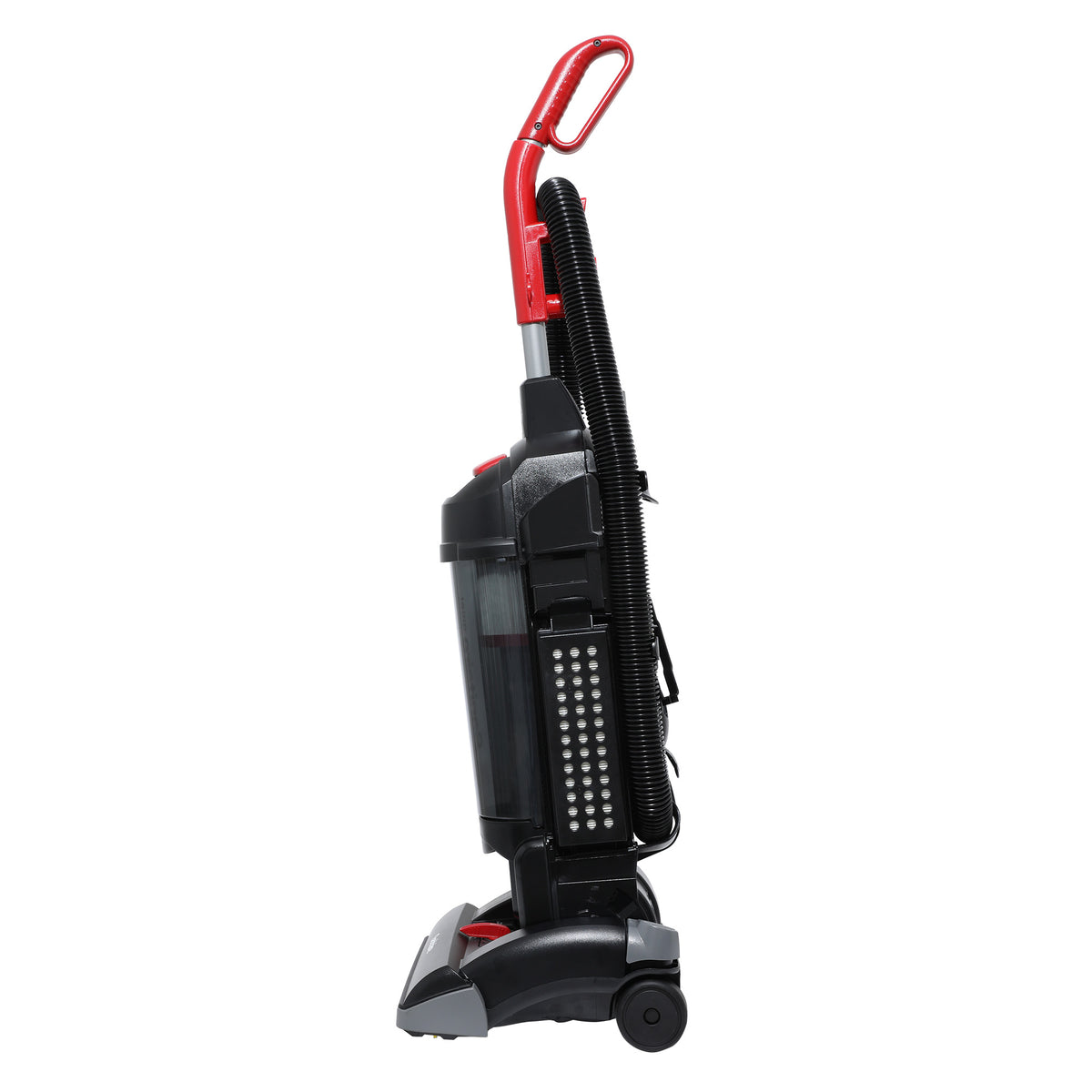
Vacuum noise is usually measured in decibels, or dB. In simple terms, lower numbers are quieter, but the kind of sound matters too. A steady hum is easier to live with than a sharp, whiny noise at the same decibel level.
General vacuum noise ranges often look like this:
- Around 60 to 65 dB: relatively quiet for a vacuum
- Around 65 to 75 dB: moderate, common for many good models
- Above 75 dB: noticeably loud in a home setting
Many household vacuums fall somewhere in the middle of that range. If you have pets, kids, shared walls, or people working from home, choosing a vacuum closer to the lower end can make a real difference. Always check the manufacturer specs, but remember that decibel numbers do not tell the whole story.
Benefits of choosing a quieter vacuum
A quieter vacuum is not just about comfort. It can make cleaning easier to fit into your day, and it can reduce stress for everyone in the house. That matters more than people think.
Some practical benefits include:
- You can vacuum early or late without bothering others as much.
- Pets may be less scared, especially dogs and cats that hate loud sounds.
- You can hear doorbells, phones, or conversations more easily.
- The cleaning routine feels less tiring and less disruptive.
- It may be easier to clean while children are sleeping or napping.
In my experience, quieter vacuums also get used more often. People are less likely to delay cleaning when the machine does not feel like a mini jet engine. That means a quieter vacuum can actually help you keep your home cleaner in the long run.
When an upright vacuum may still be the better choice
Even if canister vacuums are quieter, upright vacuums still have clear strengths. They are often easier to push on carpet, simpler to store, and faster for large carpeted areas. If your home has mostly carpet, an upright may be worth the extra noise.
You may prefer an upright vacuum if:
- You clean mostly wall-to-wall carpet
- You want a simpler one-piece design
- You do not want to drag a canister behind you
- You need strong agitation for pet hair and deep dirt
The key is matching the vacuum to your home, not just chasing the lowest noise number. A slightly louder vacuum that cleans better may still be the smarter buy. The best vacuum is the one you will actually enjoy using.
Tips for finding a quieter vacuum
If quiet operation is important, there are smart ways to shop. Do not rely only on product names or marketing words like “silent” or “whisper.” Those labels can be vague.
Use these tips instead:
- Check the decibel rating. Lower is usually better, but compare within the same category when possible.
- Look for brush roll shutoff. This helps reduce noise on hard floors.
- Read user reviews for noise comments. Real customers often describe the sound more honestly.
- Choose a well-sealed design. Better build quality often means less vibration and rattling.
- Test the vacuum on your floor type if possible. Carpet and hard floors can sound very different.
- Consider canister vacuums if quiet cleaning is a priority. They often produce a softer overall sound.
One mistake I see often is buying a powerful vacuum for the wrong surface. That can lead to more noise than needed. Another mistake is ignoring maintenance, which can make even a quiet vacuum sound rough over time.
How to make any vacuum quieter
Even if you already own a vacuum, you can often lower the noise a bit. Small changes can make the machine sound less harsh and more controlled. This is especially helpful in apartments and busy homes.
Try these practical steps:
- Empty the dust bin or replace the bag before it gets full.
- Clean the filters regularly.
- Remove hair from the brush roll.
- Check for clogs in the hose or wand.
- Make sure attachments are locked in tightly.
- Vacuum at a slower, steadier pace.
- Replace worn belts, brushes, or seals when needed.
A clogged or dirty vacuum usually works harder and sounds louder. I have seen vacuums go from smooth to unpleasant just because of a packed filter or tangled brush roll. Maintenance is not glamorous, but it is one of the easiest ways to keep noise down.
Are canister vacuums quieter for pet owners?
Often, yes. Many pet owners prefer canister vacuums because the sound tends to be less jarring, and the flexible hose keeps the loudest parts farther away from you. That can make cleaning less stressful for both people and pets.
Still, pet hair can change the equation. If the vacuum head gets clogged or the brush roll is overloaded, noise can climb fast. For homes with heavy shedding, look for a canister vacuum with strong suction, easy brush maintenance, and a good pet tool set.
Best situations for a canister vacuum
A canister vacuum is often a great fit if you want lower noise and more control. It can feel especially comfortable in homes where sound matters just as much as cleaning power. The separate body also makes it easier to use on stairs and under furniture.
Canister vacuums are especially useful for:
- Apartments and condos
- Homes with hard floors
- Mixed-surface cleaning
- Stairs and tight spaces
- Households sensitive to noise
If your home has a lot of rugs and stairs, a canister vacuum can still work well, but you will want a lightweight hose and a good floor head. The right attachment makes a big difference.
Frequently Asked Questions
Are canister vacuums always quieter than upright vacuums?
No, not always. Canister vacuums are often quieter, but a premium upright can be quieter than a cheap canister vacuum. The exact noise level depends on motor design, brush roll, build quality, and floor type.
Do bagged vacuums make less noise than bagless vacuums?
Often, yes. Bagged vacuums can reduce dust-bin noise and sometimes feel smoother in operation, though this is not guaranteed. They may also keep airflow more stable as the bag fills.
What is the quietest type of vacuum cleaner?
There is no single quietest type, but many people find canister vacuums with brush roll shutoff among the quietest. Some robot vacuums are also relatively quiet, though they are not as powerful for deep cleaning.
Does carpet make a vacuum louder?
Yes, usually it does. Carpet adds resistance, so the motor and brush roll work harder, which increases sound. Hard floors often let a vacuum run more quietly and smoothly.
How can I tell if a vacuum is truly quiet before buying it?
Check the decibel rating, read user reviews, and look for details like brush roll control and noise-reducing design. If possible, test it in person, because the tone of the sound matters as much as the loudness.
Are cordless vacuums quieter than canister vacuums?
Not usually. Some cordless models are quiet, but many still produce a sharp motor sound because of their compact design. A well-made canister vacuum is often quieter and more comfortable for longer cleaning sessions.
Conclusion
So, are canister vacuums quieter than upright vacuums? Most of the time, yes, especially on hard floors and in everyday home use. The separate motor design, gentler floor heads, and smoother sound profile often give canister vacuums the edge.
That said, the quietest choice is not just about vacuum type. Build quality, brush roll design, floor surface, and maintenance all shape the final noise level. If you want a calmer cleaning routine, focus on low decibel ratings, smart attachments, and a model that fits your home.
If you are shopping for a new vacuum, use this as your filter: quieter sound, right floor match, and easy upkeep. That simple approach can save you from buyer’s regret. Explore more vacuum guides, compare a few models carefully, and choose the one that makes cleaning feel a little easier every day.

