

Yes, canister vacuums can clean vinyl floors safely when used with the right settings and attachment.
Today's Exclusive Deals
Limited-time Exclusive Deals. Check current discount on Amazon.
Check Price on Amazon As an Amazon Associate I earn from qualifying purchases.If you have vinyl floors, you already know they are practical, low fuss, and easy to live with. But they still need the right kind of care, and that is where a canister vacuum can shine. I have used canister vacuums on vinyl floors in homes with kids, pets, and a lot of daily foot traffic, and the big lesson is simple: the vacuum itself is not the problem, but the brush, suction, and wheels can be.
How canister vacuums work on vinyl floors
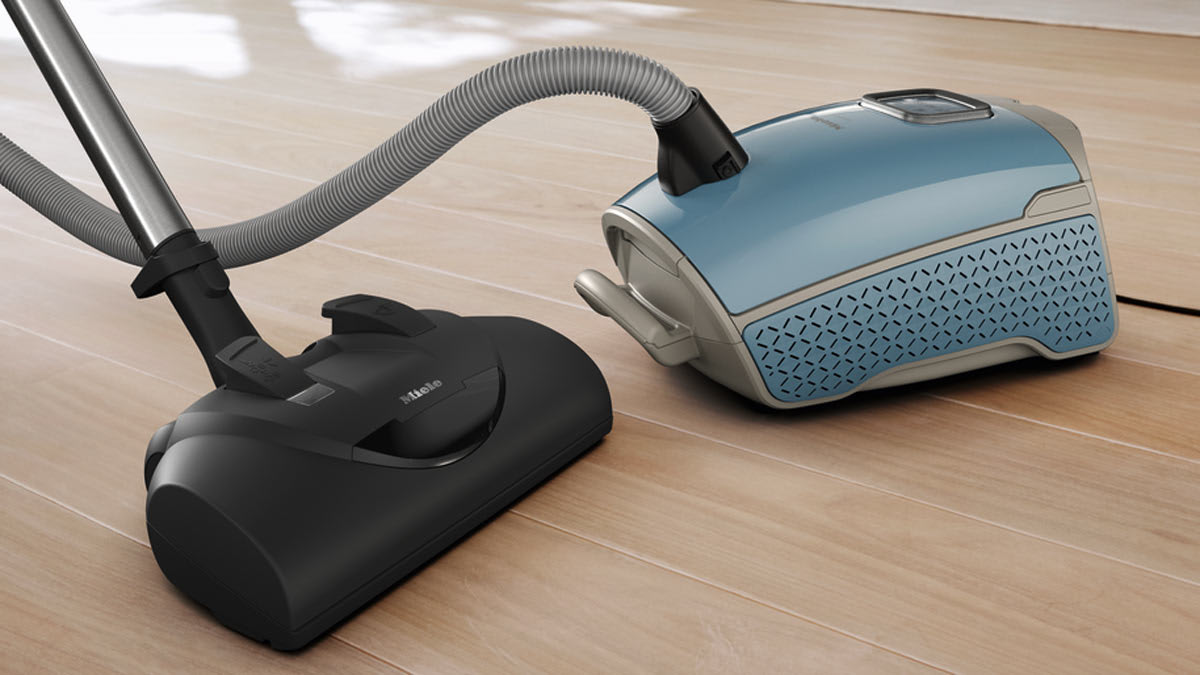
Canister vacuums clean vinyl floors by pulling dirt, dust, crumbs, and pet hair through a hose and floor attachment. The canister sits on the side, while the cleaning head moves across the floor, which makes the vacuum easier to steer than many upright models. That design is one reason canister vacuums are often a good match for smooth flooring like vinyl.
Vinyl is a resilient surface, but it can still scratch if the wrong tool is used. A canister vacuum with a hard floor attachment or a soft brush head helps reduce that risk. In my experience, the key is not just suction power, but control. Too much friction or a stiff spinning brush can leave faint marks over time.
Today's Exclusive Deals
Limited-time Exclusive Deals. Check current discount on Amazon.
Check Price on Amazon As an Amazon Associate I earn from qualifying purchases.
Why canister vacuums are a good fit for vinyl floors
Canister vacuums clean vinyl floors well because they are usually gentler and more flexible than bulky upright vacuums. You can pair them with the right floor head, lower the suction when needed, and move smoothly around furniture. That makes them useful for everyday messes like dust, cereal, pet hair, and fine grit.
Here are the biggest advantages:
- Gentle cleaning action: A soft floor head reduces the chance of scuffs.
- Better control: The separate canister gives you more freedom to guide the wand.
- Strong pickup: Many canister vacuums handle fine dust very well.
- Versatility: You can switch attachments for corners, vents, and baseboards.
- Easier on large rooms: The hose and wand help you reach farther without lifting the whole machine.
For homes with luxury vinyl plank, sheet vinyl, or vinyl tile, that balance of power and softness matters a lot. Think of it like washing a car with a microfiber cloth instead of a scrub brush. Both clean, but one is clearly kinder to the surface.
Today's Exclusive Deals
Limited-time Exclusive Deals. Check current discount on Amazon.
Check Price on Amazon As an Amazon Associate I earn from qualifying purchases.
What to look for in a canister vacuum for vinyl
Not every canister vacuum is ideal for vinyl floors. Some are made for carpet first, which can be too aggressive for smooth flooring. When shopping or choosing the model you already own, pay attention to a few features that make a real difference.
A hard floor attachment
A canister vacuum cleans vinyl floors best with a bare floor tool, soft brush head, or microfiber-style attachment. These heads are designed to glide instead of drag. If the brush feels stiff or scratchy, it is not the right fit for vinyl.
Adjustable suction
Strong suction is useful, but too much can make the nozzle stick to the floor. Adjustable suction lets you reduce pull on lightweight vinyl pieces, rugs, and mats. This also helps when cleaning around edges and transitions.
Rubber or soft wheels
The canister itself moves across the floor too, so the wheels matter. Soft wheels reduce the chance of marks, especially on glossy vinyl finishes. This is a small detail that often gets ignored until a floor starts showing wear.
No spinning beater bar on hard floors
A rotating brush can be great for carpet, but it is usually unnecessary on vinyl. In some cases, it can scatter debris or create extra wear. A vacuum that lets you turn the brush off is a safer choice.
Lightweight design
Vinyl floors do not need heavy pressure to get clean. A lighter wand and floor head make it easier to clean without forcing the vacuum across the surface. That also helps if you clean often, which is usually better than waiting until grit builds up.
:max_bytes(150000):strip_icc()/spr-vacuum-mop-combos-test-airthereal-vactide-wet-dry-ebrockob-001-002-1-a38ee58da1ec4d58ab7040c952b2a89b.jpeg)
How to use a canister vacuum on vinyl floors the right way
Canister vacuums clean vinyl floors best when they are used gently and consistently. I learned this the hard way in a rental with vinyl plank flooring. The first vacuum I tried had a rougher brush head, and while it picked up dirt, it also left me nervous every time I used it. Switching to a soft floor attachment made the whole routine easier.
Follow these steps for better results:
-
Choose the right attachment
Use a soft floor tool or bare floor brush, not a carpet head. -
Check the underside of the head
Make sure there are no sharp edges, worn bristles, or stuck debris. -
Adjust suction if needed
Lower suction if the head sticks or becomes hard to push. -
Vacuum with steady, even passes
Move slowly enough to pick up dirt, but not so slowly that you press down too hard. -
Empty the dust bin or bag regularly
A full vacuum loses performance and may leave fine dust behind. -
Wipe wheels and attachments
Grit caught in the wheels or head can scratch the floor later.
This simple routine helps keep vinyl floors clean without overworking the surface. It also makes the vacuum easier to push and less noisy, which is always a nice bonus.
When canister vacuums are not the best choice
Canister vacuums clean vinyl floors well in many cases, but they are not perfect for every situation. If the vacuum has a rough brush, very strong suction with poor control, or hard plastic wheels, it may be a poor fit. Vinyl that is already scratched or has a glossy finish can be more sensitive to wear.
A canister vacuum may not be the best option if:
- The floor has loose seams or damaged edges
- The vacuum does not have a hard floor setting
- The head is too bulky for tight spaces
- The hose or wand is too stiff to steer comfortably
- The canister wheels leave marks on delicate flooring
In those cases, a different hard floor vacuum or even a soft broom and microfiber mop combo may be better. The goal is not just to clean. It is to clean without slowly wearing down the finish.
Best cleaning habits for vinyl floors
A vacuum works best when it is part of a simple floor-care routine. Vinyl does not need complicated maintenance, but it does benefit from regular dirt removal. Small particles like sand and grit are especially important to remove because they can act like sandpaper underfoot.
Good habits include:
- Vacuum high-traffic areas several times a week
- Use a doormat at entryways
- Clean spills quickly to prevent staining
- Avoid abrasive pads or harsh cleaners
- Lift the vacuum over thresholds instead of dragging it hard
From a practical standpoint, the cleanest vinyl floors usually come from frequent light care, not aggressive deep cleaning. That is one reason canister vacuums are so helpful. They make it easier to clean often without making the job feel like a workout.
What experts generally recommend for vinyl care
Flooring professionals and major flooring manufacturers generally advise using non-abrasive cleaning tools on vinyl surfaces. That includes soft-bristle brooms, microfiber mops, and vacuum attachments meant for hard floors. The main theme across care guidance is to avoid anything that can scratch, dull, or wear the protective layer.
That advice lines up with real-world experience. In homes with pets and kids, I have seen vinyl floors stay in much better shape when people use a gentle vacuum setup instead of a carpet-focused machine. The difference is often subtle at first, then obvious later when one floor still looks smooth and the other has tiny swirl marks.
Canister vacuums clean vinyl floors well when they support that gentle approach. If you treat vinyl like a delicate hard surface, not a carpet, you will usually get better results and a longer-lasting finish.

Frequently Asked Questions of Can canister vacuums clean vinyl floors?
Can a canister vacuum scratch vinyl floors?
Yes, it can if the attachment is rough, dirty, or designed for carpet. A soft floor head with smooth wheels is much safer for vinyl.
Is a canister vacuum better than an upright for vinyl floors?
Often, yes. Canister vacuums usually give you better control and more attachment options, which helps protect vinyl from scuffs and scratches.
Should I use a spinning brush on vinyl?
Usually not, unless the vacuum has a setting made specifically for hard floors. A non-rotating soft brush or hard floor attachment is the safer choice.
Can canister vacuums clean luxury vinyl plank?
Yes, they can clean luxury vinyl plank very well. Just use a hard floor attachment and avoid harsh brush rolls or aggressive suction settings.
How often should I vacuum vinyl floors?
For most homes, two to three times a week is a good starting point, and daily in busy or pet-friendly spaces. Regular vacuuming keeps grit from building up and helps protect the finish.
Do I still need to mop if I use a canister vacuum?
Yes, vacuuming removes dry dirt, but it does not fully clean sticky spills or film. A damp mop with a vinyl-safe cleaner helps keep the floor fresh and bright.
Conclusion
Canister vacuums clean vinyl floors effectively when you use the right attachment, gentle suction, and a careful cleaning routine. They are one of the best options for everyday dust, crumbs, pet hair, and grit because they offer strong control without being harsh on the surface.
If you want your vinyl floors to look good for years, focus on soft tools and steady habits. Choose the right head, avoid rough brush rolls, and clean before dirt has a chance to grind into the finish. If this guide helped, explore more floor care tips, subscribe for updates, or leave a comment with your own vinyl cleaning experience.

