

Yes, canister vacuums can pick up cat litter, but the right setup matters.
Today's Exclusive Deals
Limited-time Exclusive Deals. Check current discount on Amazon.
Check Price on Amazon As an Amazon Associate I earn from qualifying purchases.If you live with a cat, you already know how fast litter can spread beyond the box. As someone who has tested different vacuum styles in real homes, I can tell you this topic is more important than it sounds. The short version is simple: canister vacuums can handle cat litter well, but only if the machine has strong suction, the right floor tool, and a design that protects the motor and filter from gritty debris.
Can canister vacuums pick up cat litter?
Canister vacuums can pick up cat litter very well in many cases. They are often a smart choice for litter because the motor sits in a separate canister, which usually makes the vacuum easier to move around and better for cleaning hard floors, corners, and tight spaces.
That said, not every canister vacuum is built for the job. Fine litter, clay pellets, and tracking around the box can all affect performance. If the suction is weak, the hose clogs often, or the brush roll is too aggressive for your floor, the vacuum may struggle or wear out faster.
Today's Exclusive Deals
Limited-time Exclusive Deals. Check current discount on Amazon.
Check Price on Amazon As an Amazon Associate I earn from qualifying purchases.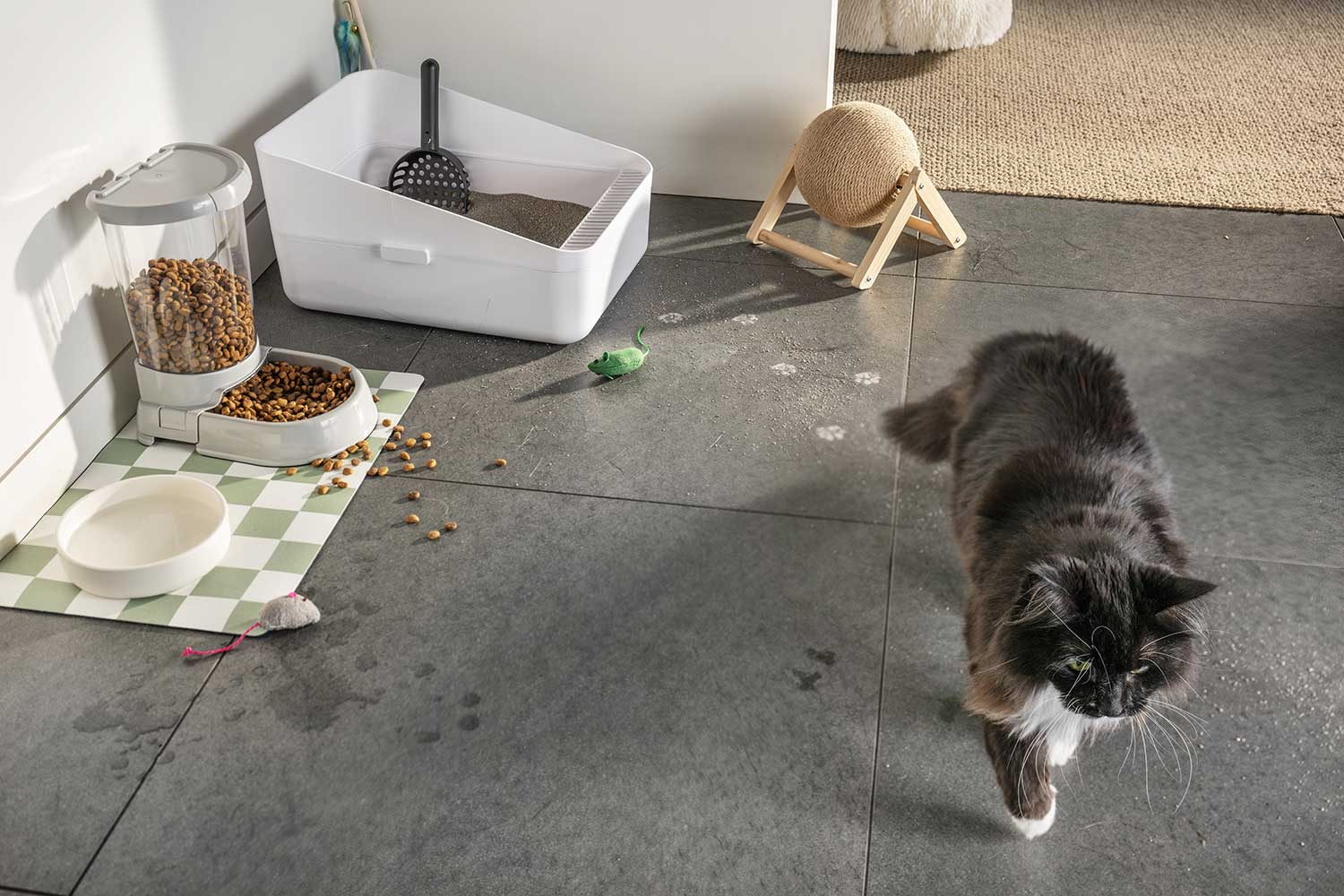
What makes cat litter tricky for vacuums?
Cat litter seems harmless, but it behaves like a mix of dust, sand, and tiny rocks. That means it can stress a vacuum in ways that pet hair alone usually does not.
Here is why litter can be hard on cleaning tools:
• It is heavy enough to bounce around before being collected
• It can scratch delicate floors if the wrong attachment is used
• Clay litter creates fine dust that can clog filters
• Larger litter granules can jam narrow hoses or small intake openings
• Tracking near the box often mixes litter with hair and dust, which builds up fast
Today's Exclusive Deals
Limited-time Exclusive Deals. Check current discount on Amazon.
Check Price on Amazon As an Amazon Associate I earn from qualifying purchases.In my own testing, the biggest issue was not suction alone. It was the combination of grit and dust. A vacuum that handled pet hair beautifully sometimes struggled once litter was added to the mix.
Why canister vacuums are often a good fit
Canister vacuums shine when the job needs flexibility. Their design gives you more control over the hose, wand, and cleaning head, which helps a lot around litter boxes.
They are often a good fit because:
• They are easy to steer around furniture and litter box enclosures
• Many models have strong suction on hard floors
• The canister body can stay on one spot while you clean small messes
• Some units use sealed filtration, which helps trap fine litter dust
• They often work well with floor brushes made for tile, wood, vinyl, and laminate
From experience, a canister vacuum is especially useful if the litter box sits in a corner, laundry room, or bathroom. The hose reach makes quick cleanup feel less like a chore.
Which types of cat litter can a canister vacuum handle?
Most canister vacuums can handle common litter types, but some are easier than others.
Clay litter
Clay litter is one of the most common types and one of the messiest. It breaks into dust and small chips, so a canister vacuum with good filtration is helpful.
Clumping litter
Clumping litter is usually easy to remove when it is dry and scattered. If it is damp or stuck to the floor, vacuuming alone may not be enough.
Crystal litter
Crystal litter is lightweight, but the pieces can be sharp and noisy inside the machine. Strong suction and a durable floor tool help here.
Pine or paper litter
These are usually easier on vacuums, though larger pieces can clog narrow nozzles if the intake is small.
Pellet litter
Pellet litter is the most likely to cause trouble if the vacuum has a narrow hose or weak airflow. I have seen pellets get stuck at bends in the hose more than once.
Best features to look for in a canister vacuum for cat litter
If you want a canister vacuum for cat litter, certain features matter more than brand names.
Look for:
• Strong suction on hard floors
• A floor head designed for bare floors
• A bagged system or sealed filtration for dust control
• A washable or easy-to-clean filter
• A wide hose or intake path to reduce clogs
• Good swivel wheels and smooth movement
• Adjustable suction for delicate floors and rugs
A bagged canister vacuum is often a smart choice for litter because it keeps dust contained better than many bagless models. That can be a big plus if your cat box area gets dusty often.
Canister vacuum vs upright vacuum for cat litter
A canister vacuum is often better than an upright for litter on hard floors, but the best choice depends on your home.
Canister vacuum advantages
• Better reach under furniture and around corners
• Easier to move around litter box areas
• Often gentler on hard floors
• Usually better at picking up fine debris in tight spaces
Upright vacuum advantages
• Faster for large carpeted areas
• Often easier for whole-home cleaning
• Some pet-focused uprights have strong roller action for embedded hair
If most of the litter mess stays near the box and your floors are hard, the canister vacuum usually wins. If your litter tracks onto thick carpet, an upright with strong suction and a height setting may also help.
How to use a canister vacuum for cat litter safely
Using the right technique matters just as much as the machine itself. A good vacuum can still struggle if it is used the wrong way.
Follow these steps:
- Remove large clumps by hand first
- Check that the litter is dry before vacuuming
- Use the hard-floor attachment, not a spinning brush if your floor is delicate
- Move slowly so the suction can lift grit and dust
- Empty the bag or canister often
- Clean the filter on schedule
- Check the hose for clogs after vacuuming larger litter pieces
One mistake I see often is vacuuming wet litter or urine-soaked debris. That can cause odor, clogging, and long-term damage. A vacuum is for dry messes, not for deep cleanup after accidents.
:max_bytes(150000):strip_icc()/spr-shark-dyson-mar-25-test-ball-animal-3-extra-upright-vacuum-jkim-0411-2c4fac9db9214f61b44a9b56d8484762.jpeg)
When canister vacuums should not be used for cat litter
There are times when vacuuming cat litter is a bad idea.
Avoid vacuuming if:
• The litter is wet or damp
• The mess includes cat urine or feces
• The litter is mixed with liquid cleaners
• The vacuum has a weak motor or a tiny hose opening
• The area has a large pile of loose litter that may overwhelm the machine
In those cases, use a broom and dustpan, a handheld scoop, or a damp cloth first. Think of the vacuum as the finishing tool, not the first rescue move.
How to reduce litter tracking in the first place
The easiest litter mess to clean is the one that never spreads. A few simple habits can cut cleanup time a lot.
Try these ideas:
• Use a litter mat with a textured surface
• Choose a litter box with low-dust litter if your cat tolerates it
• Place the box in a low-traffic corner
• Trim your cat’s paw fur if your vet says it is safe
• Scoop the box daily to reduce overflow
• Keep a small vacuum or dust tool near the litter area
I have found that a mat does more than most people expect. It catches a surprising amount of stray litter before it reaches the rest of the floor.
What experts and product testing generally show
Consumer testing groups and appliance reviews often point to the same pattern: suction, floor tool design, and filtration matter more than marketing claims. Vacuums with strong sealed systems tend to handle fine dust better, while models with narrow hoses or weak airflow are more likely to clog.
That lines up with what many cleaning professionals recommend for pet homes. The best results usually come from a vacuum made for hard floors and fine debris, not just general dust.
Frequently Asked Questions
Can canister vacuums pick up cat litter on hardwood floors?
Yes, canister vacuums can pick up cat litter on hardwood floors very well if they have strong suction and a soft hard-floor attachment. A brush that is too stiff can scatter litter or scratch the surface.
Will cat litter damage a canister vacuum?
It can, especially if the litter is fine, dusty, or picked up in large amounts often. The biggest risks are clogged hoses, worn filters, and dust buildup in the machine.
Is bagged or bagless better for cat litter?
Bagged canister vacuums are often better for cat litter because they trap dust more cleanly and reduce mess when disposing of debris. Bagless models can work too, but emptying them often creates more dust exposure.
Can a canister vacuum pick up clumping litter?
Yes, as long as the clumps are dry and not stuck to the floor. Wet or sticky clumps should be removed by hand first, since vacuuming them can cause clogs or odor problems.
What attachment is best for cat litter?
A hard-floor nozzle or a soft brush attachment is usually best. These tools help collect litter without scratching the floor or scattering the debris.
Conclusion
Canister vacuums can pick up cat litter, and in many homes they are one of the best tools for the job. They work especially well on hard floors, around litter boxes, and in tight spaces where litter tends to collect.
The key is to choose a model with strong suction, smart filtration, and the right floor attachment. If you pair that with good litter box habits and regular cleanup, you will save time and keep your home much cleaner. If you are shopping for a vacuum or trying to improve your pet cleanup routine, start with the features that matter most and make your next choice with confidence.

