

Yes—upright vacuums are usually easy to maintain if you clean them on a regular schedule.
Today's Exclusive Deals
Limited-time Exclusive Deals. Check current discount on Amazon.
Check Price on Amazon As an Amazon Associate I earn from qualifying purchases.If you have ever owned one, you already know the basics are simple: empty the bin, check the brush roll, and keep the filters clean. Still, the real answer to whether upright vacuums are easy to maintain depends on the model, your floor type, and how often you use it. In this guide, I’ll break down what upkeep really looks like, what makes some uprights easier than others, and the small habits that keep them working well for years.

What Makes an Upright Vacuum Easy or Hard to Maintain?
An upright vacuum is easy to maintain when its parts are easy to reach, clean, and replace. That usually means a removable dust bin, washable filters, a brush roll that can be accessed without tools, and a design that does not trap hair in hard-to-reach places.
Today's Exclusive Deals
Limited-time Exclusive Deals. Check current discount on Amazon.
Check Price on Amazon As an Amazon Associate I earn from qualifying purchases.From my own experience testing different vacuum styles, the easiest uprights are the ones that make routine care feel like a 5-minute task instead of a weekend chore. The harder ones usually have tiny latches, non-washable filters, or brush bars that tangle fast. In other words, maintenance is less about the word "upright" and more about the design details.
Why Upright Vacuums Are Often Considered Low-Maintenance
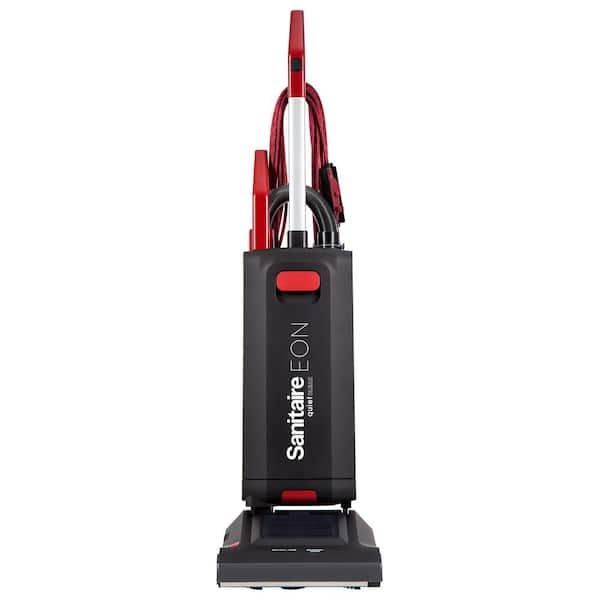
Upright vacuums are popular because they combine power and convenience in one machine. For many homes, that makes daily cleaning simpler and the upkeep pretty manageable.
Here are the main reasons many people find upright vacuums easy to maintain:
Today's Exclusive Deals
Limited-time Exclusive Deals. Check current discount on Amazon.
Check Price on Amazon As an Amazon Associate I earn from qualifying purchases.• Simple dust bin emptying: Most bagless uprights let you release debris with one button.
• Easy filter care: Many models use foam, felt, or HEPA filters that can be washed or replaced on a schedule.
• Accessible brush rolls: A lot of uprights allow you to open the brush area and remove tangled hair.
• Fewer attachments to track: Compared with some canisters and handheld systems, uprights often have a more straightforward setup.
• Durable parts: Good upright vacuums are built for repeated use, which helps reduce constant repairs.
In my experience, the more “everyday” the vacuum feels, the easier it is to stay on top of maintenance. If a machine makes you want to postpone cleaning the cleaner, that’s usually a bad sign.

The Main Maintenance Tasks You Can Expect
Most upright vacuum maintenance comes down to a short list of regular jobs. Once you get into the rhythm, it becomes routine, almost like rinsing dishes before they pile up.
Emptying the Dust Bin or Replacing the Bag
Bagless uprights need the bin emptied before it gets too full. A half-full bin can already reduce airflow, so waiting too long can make the vacuum work harder.
Bagged uprights are often even cleaner to maintain because you simply swap the bag when it fills up. That said, you will need to buy replacement bags, which adds a small recurring cost.
Cleaning or Replacing Filters
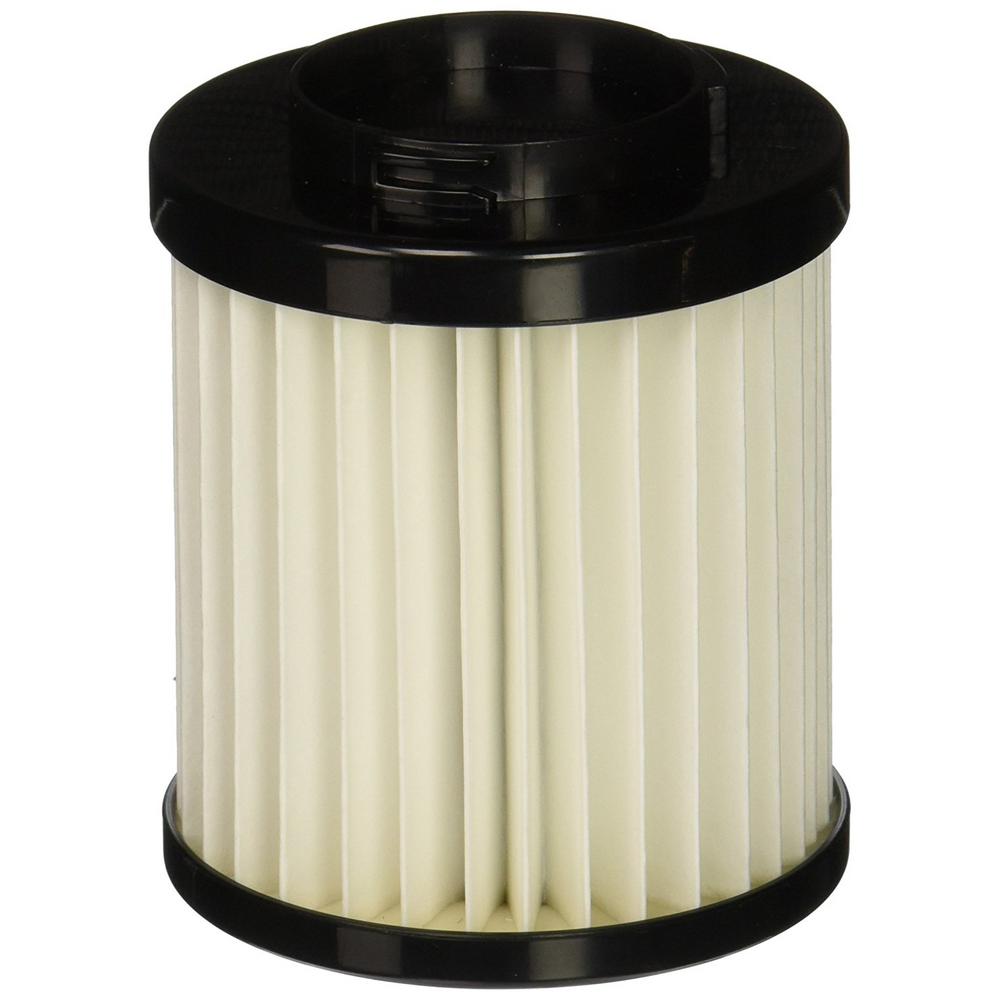
Filters trap fine dust, pollen, and other tiny particles. If they get clogged, suction drops and the motor may strain.
Many upright vacuums use:
• Foam filters
• Felt filters
• HEPA filters
• Pre-motor filters
• Post-motor filters
Some filters are washable, while others need replacement. Always follow the manual, because washing the wrong filter can damage it.
Checking the Brush Roll
The brush roll is one of the biggest maintenance spots on an upright vacuum. Hair, string, pet fur, and carpet fibers can wrap around it quickly.
If you have pets or long hair in the home, this job becomes more important. I once ignored a tangled brush roll for too long, and the vacuum started dragging instead of cleaning. Once I cleared it, suction and carpet pickup improved right away.
Inspecting the Belt
The belt helps spin the brush roll. Over time, belts can stretch, crack, or break.
Not every vacuum uses a belt that needs frequent attention, but when it fails, the brush roll may stop turning. That can make the vacuum seem weak even when the motor is fine.
Clearing Blockages
Small blockages can hide in the hose, wand, nozzle, or air path. These can cause weak suction, odd noises, or overheating.
A quick check every few weeks can save you from bigger issues later. Think of it like checking a straw for a clog before blaming the drink.

Are Upright Vacuums Easier to Maintain Than Other Vacuum Types?
In many homes, yes, upright vacuums are easier to maintain than canister vacuums or full cleaning systems with many parts. They are often more compact in design and easier to store, which also makes routine care feel less annoying.
Here is a simple comparison:
• Upright vacuums: Usually easier for carpet care, with direct access to the brush roll and bin.
• Canister vacuums: Often great for flexibility, but they may have more parts and hoses to inspect.
• Stick vacuums: Very light and simple, but some have small bins and shorter battery life, which means more frequent emptying and charging.
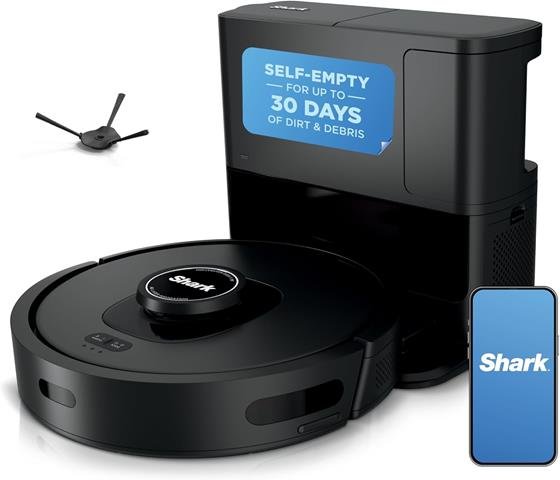
• Robot vacuums: Easy for daily upkeep, but the small dustbin and sensors need regular attention.
If you want a machine that feels practical and direct, upright vacuums often strike the best balance. They are like a reliable old pickup truck: not always fancy, but simple to work on.

What Makes Maintenance More Difficult?
Even upright vacuums can become frustrating if the design is not user-friendly. Some models look great on paper but turn into a hassle once you start using them.
Common reasons maintenance gets harder include:
• Small dust bins that fill too fast
• Filters that clog quickly
• Brush rolls that trap long hair
• Parts that require tools for removal
• Hard-to-find replacement filters or belts
• Poorly placed latches and release buttons
• Weak manuals that do not explain care clearly
A vacuum should not feel like a puzzle box. The best ones are the ones you can clean without searching online every time you need to do basic upkeep.

How Often Should You Maintain an Upright Vacuum?
The right schedule depends on how much dust, pet hair, and foot traffic your home has. Still, a simple routine can keep almost any upright vacuum in good shape.
A practical schedule looks like this:
• After every use: Empty the bin if it is close to full.
• Weekly: Check for visible hair on the brush roll and clear clogs.
• Every 1 to 2 months: Clean washable filters, if your model allows it.
• Every 3 to 6 months: Inspect belts, seals, and suction paths.
• Every 6 to 12 months: Replace filters or worn parts as needed.
Homes with pets or heavy carpet use may need more frequent care. If you vacuum often, a little upkeep each week is much easier than one big repair later.

Tips to Make Upright Vacuum Maintenance Easier
A few smart habits can make upright vacuums feel very low-maintenance. These small steps save time and help the vacuum last longer.
Try these tips:
• Choose a model with washable filters: This lowers replacement costs and keeps care simple.
• Pick a vacuum with a removable brush roll: That makes hair removal much easier.
• Empty the bin before it gets packed: This helps airflow stay strong.
• Use scissors or a seam ripper for tangled hair: Be gentle so you do not damage the bristles.
• Keep spare filters on hand: That way you can swap them quickly when needed.
• Follow the manual: It sounds basic, but the maker’s care guide is the best source for your specific model.
I’ve learned that maintenance feels much easier when the vacuum is designed for quick access. The best machines almost coach you into taking care of them.

Upright Vacuum Maintenance Costs: What to Expect
Maintenance is usually affordable, but there are still small costs to plan for. Over time, those costs can vary depending on whether your vacuum is bagless or bagged and how often you use it.
Typical costs may include:
• Replacement filters
• Vacuum bags
• Belts
• Brush rolls
• Batteries, for cordless upright models
• Occasional service or parts replacement
Bagless uprights often save money on bags, but they may need more filter cleaning. Bagged models can cost a bit more over time, but they can be cleaner and simpler for allergy-prone users.
If you want the most budget-friendly option, compare the cost of consumables before buying. A low-price vacuum can become expensive if filters or belts are hard to replace.
Are Upright Vacuums Good for Pet Hair and Allergy Care?
Yes, many upright vacuums are excellent for pet hair and allergy control. But they do need more frequent maintenance because pet fur fills bins fast and wraps around brush rolls.
For allergy care, look for:
• HEPA filtration
• Sealed system design
• Washable or replaceable filters
• Bagged models, if you want less dust exposure
If you have pets, maintenance matters even more. A vacuum that handles fur well but clogs every week can become a headache fast. From a practical point of view, the easiest vacuum to live with is the one that stays strong after repeated use, not just on day one.
What Features Should You Look for in an Easy-to-Maintain Upright Vacuum?
If easy maintenance is your top goal, focus on the features that reduce time and effort. These details often matter more than flashy marketing claims.
Look for these features:
• Tool-free brush roll access
• Washable filters
• Large dust bin or bag capacity
• Clear bin so you can see when it is full
• Easy-to-remove hose and wand
• Strong suction with simple controls
• Replacement parts that are easy to buy
A well-designed upright vacuum should make routine care feel natural. If you can open it, clean it, and close it again in a few minutes, that is a strong sign you picked a good one.
Common Mistakes That Make Upright Vacuums Harder to Maintain
Most maintenance problems start with small habits. The good news is that these are easy to fix once you notice them.
Avoid these mistakes:
• Letting the bin overfill
• Ignoring a clogged brush roll
• Washing non-washable filters
• Waiting too long to replace worn belts
• Running the vacuum with a blockage
• Storing it with damp parts
I have seen people blame the vacuum for weak suction when the real issue was a dirty filter or packed hair in the brush roll. A little routine care usually solves the problem before it turns into a repair bill.
Frequently Asked Questions
Are upright vacuums easy to maintain for beginners?
Yes, most upright vacuums are beginner-friendly because the main tasks are simple. You usually only need to empty the bin, clean the filters, and check the brush roll.
Do upright vacuums need a lot of parts replacement?
Not usually, but some parts do wear out over time. Filters, belts, and brush rolls are the most common replacements, especially in homes with pets or heavy use.
Are bagged upright vacuums easier to maintain than bagless ones?
For many people, yes. Bagged models can be cleaner to empty and may reduce dust exposure, while bagless models often need more filter cleaning.
How often should I clean the brush roll on an upright vacuum?
If you vacuum often or have pets, check it weekly. Even a small tangle can affect performance, so regular checks help keep suction strong.
What is the hardest part of upright vacuum maintenance?
The brush roll is often the most annoying part, especially if hair wraps around it. Filters can also be a pain if they clog fast or are hard to access.
Do upright vacuums last a long time with proper care?
Yes, many upright vacuums can last several years when maintained well. Regular cleaning, timely filter changes, and careful storage all help extend the life of the machine.
Conclusion
So, are upright vacuums easy to maintain? For most households, yes, especially when the model is built with simple access points and washable parts. The real key is choosing a vacuum that fits your home and then sticking to a light but steady care routine.
If you want less stress, look for easy bin emptying, quick brush roll access, and filters you can clean without a headache. Those small design choices can make a big difference over time. Take a few minutes to compare features before you buy, and your future self will thank you.
If this guide helped, explore more home cleaning tips and share your experience with upright vacuums in the comments.

