

Adjust the height by using the vacuum’s height selector, brushroll setting, or floor setting.
Today's Exclusive Deals
Limited-time Exclusive Deals. Check current discount on Amazon.
Check Price on Amazon As an Amazon Associate I earn from qualifying purchases.If you’ve ever pushed an upright vacuum across a rug and felt it drag, stall, or barely pick up dust, the height setting is usually the reason. Knowing how do you adjust the height on an upright vacuum can make cleaning easier, protect your floors, and help the vacuum work the way it was designed to work. I’ve tested enough uprights over the years to say this: a small setting change can feel like switching from wrestling a shopping cart to gliding a good suitcase.
How upright vacuum height adjustment works
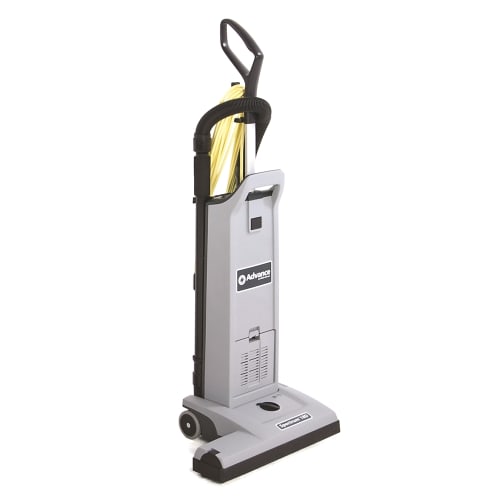
Most upright vacuums use a simple height control to move the brushroll closer to or farther from the floor. That changes how much suction reaches the surface and how hard the brush bristles contact carpet fibers. When people ask how do you adjust the height on an upright vacuum, the answer usually depends on the model, but the idea is the same.
You are balancing three things:
Today's Exclusive Deals
Limited-time Exclusive Deals. Check current discount on Amazon.
Check Price on Amazon As an Amazon Associate I earn from qualifying purchases.• Brush contact with the floor
• Airflow and suction efficiency
• Ease of pushing the vacuum
On low-pile carpet, the brush can sit lower. On thick carpet, it often needs a higher setting so the vacuum does not bog down. On hard floors, many vacuums need a special setting or brushroll-off mode so debris does not scatter.
style=”max-width: 100%; height: auto; border: 2px solid black; border-radius: 10px; display: block; margin: 0 auto;”
loading=”lazy”
/>
Why the height setting matters
The wrong height can make a vacuum seem broken when it really just needs adjustment. Too low, and the machine may be hard to push, make a loud whine, or leave marks on carpet. Too high, and it may miss dirt because the brushroll is not reaching deep enough.
Today's Exclusive Deals
Limited-time Exclusive Deals. Check current discount on Amazon.
Check Price on Amazon As an Amazon Associate I earn from qualifying purchases.Here is what the right setting helps with:
• Better dirt pickup on carpet and rugs
• Less strain on the motor
• Easier movement across the floor
• Less wear on carpet fibers and vacuum belts
I once used an upright on a dense area rug with the height set too low, and it felt like I was dragging the vacuum through mud. After raising it one notch, the difference was immediate. That is why learning how do you adjust the height on an upright vacuum is not just a technical step; it changes the whole cleaning experience.

How do you adjust the height on an upright vacuum?
The most common way to adjust the height on an upright vacuum is with a dial, lever, button, or foot pedal near the vacuum head or handle. Some models use numbered settings, while others use labels like low pile, medium pile, high pile, or hard floor.
Follow these general steps:
- Turn off and unplug the vacuum for safety.
- Find the height adjustment control on the machine.
- Set it based on the floor type you are cleaning.
- Test the vacuum by pushing it forward a few feet.
- If it feels too hard to push or misses debris, raise or lower the setting one step at a time.
A good rule is to start in the middle setting if you are unsure. Then adjust based on how the vacuum moves and how well it picks up dirt.
Common types of height adjustment controls
Different vacuums use different controls, and that is where a lot of confusion starts. If you are trying to figure out how do you adjust the height on an upright vacuum, look closely at the base and handle.
Dial controls
A dial is one of the most common designs. You rotate it to match the floor type, often from carpet to bare floor or from low pile to high pile. These are easy to read and usually very reliable.
Lever controls
Some upright vacuums use a lever you move up or down. The lever may click into place for each floor setting. This is common on older or commercial-style uprights.
Push button controls
Certain modern vacuums have buttons on the handle or body. These may switch between floor modes electronically instead of physically changing the brush height.
Automatic height adjustment
Some premium models sense the floor and change the height on their own. Even then, manual overrides may exist for heavy rugs or delicate floors.

How to adjust height for different floor types
The best setting depends on the surface. A vacuum that works beautifully on carpet may be too aggressive for hardwood.
Low-pile carpet
Use a lower setting. The brush should reach the carpet without dragging too much. If the vacuum is hard to push, raise it slightly.
Medium-pile carpet
Start in the middle range. This usually gives a nice mix of suction and brush contact. If the vacuum leaves debris behind, lower it one step.
High-pile carpet and shag rugs
Use a higher setting. Thick fibers can trap the brushroll if it sits too low. A higher setting prevents the machine from sinking too deep.
Hardwood, tile, and laminate
Use a hard floor setting if your vacuum has one. If not, raise the brush height enough to avoid scratching or scattering debris. On some models, the brushroll should be turned off entirely.
Area rugs
Area rugs can be tricky because they vary a lot. I usually test a low to medium setting first, then watch whether the vacuum pulls too hard or glides cleanly. If the rug bunches up, the height is too low.
Signs the vacuum height is set wrong
Your vacuum usually tells you when the height is off. You just have to listen and feel for it.
Watch for these signs:
• The vacuum is very hard to push
• The motor sounds strained or unusually loud
• The brushroll stops or slows
• Dirt remains after one pass
• Carpet looks brushed too aggressively
• Hard floors get dust pushed around instead of picked up
If you notice these problems, try adjusting one level at a time. Small changes often solve the issue faster than forcing the vacuum to work harder.

Tips from real use that make adjustment easier
A lot of people adjust the height once and never touch it again. That works only if you clean the same floor every time. In real homes, you usually move from carpet to rugs to hard floors, so the setting needs more attention.
A few practical tips I have learned:
• Test the vacuum in a small corner first
• Move the setting one step at a time
• Clean the brushroll regularly so height changes stay effective
• Match the setting to the thickest surface in the room
• Do not force the vacuum if it feels stuck
One mistake I made early on was assuming more suction always meant better cleaning. That is not true with upright vacuums. If the brush is too low, the machine can lose airflow and clean worse, not better.

What to do if your vacuum does not have a height adjustment
Not every upright vacuum has a visible height setting. Some budget models use a fixed base, and some rely on a brushroll switch instead of a height control. If you cannot find a height lever, check the user manual or look for a floor type toggle.
If there is no height adjustment, you can still improve performance by:
• Using the correct floor mode
• Cleaning the brushroll and belt
• Checking for clogged airflow paths
• Replacing worn brush strips or belts
• Avoiding thick rugs if the vacuum is designed for bare floors
If the vacuum keeps struggling, the model may simply not be ideal for your flooring. That is not user error. It is a design match issue.
Maintenance that supports proper height performance
Height adjustment works best when the vacuum is well maintained. A dirty brushroll, weak belt, or clogged hose can make any setting feel off. Even the best upright vacuum will underperform if the airflow path is blocked.
Keep these parts in check:
• Brushroll: remove hair and string
• Belt: replace if worn or loose
• Filters: clean or replace as needed
• Hose and wand: clear clogs
• Wheels: make sure they roll freely
This matters because a vacuum set at the right height should move smoothly and clean evenly. If it still struggles, maintenance is often the missing piece.

How do you adjust the height on an upright vacuum safely?
Safety is simple, but it matters. Always unplug the vacuum before changing mechanical settings or checking the brush area. If the vacuum has a powered brushroll, avoid putting fingers near the head while it is running.
A safe routine looks like this:
• Turn off and unplug the machine
• Move the height control gently
• Check that the vacuum head sits flat
• Restart the machine and test on the floor
• Stop immediately if you hear grinding or smell burning
If you smell heat or rubber, shut it off and inspect the belt. That is usually a warning sign that something is binding.
Frequently Asked Questions
How do you know which height setting to use on an upright vacuum?
Start with the setting that matches your floor type, such as low pile, medium pile, or hard floor. If the vacuum is hard to push, raise the height slightly. If it misses dirt, lower it one step.
Can the wrong height damage carpet?
Yes, over time it can. A setting that is too low may stress carpet fibers and make the brushroll work too aggressively. A setting that is too high may not clean deeply enough.
Why is my upright vacuum hard to push?
The height is often too low for the surface. A clogged brushroll, weak belt, or full dust bin can also make the vacuum feel heavy. Adjust the height first, then check for maintenance issues.
Should the vacuum brush touch the floor?
On carpet, the brush should make light contact with the fibers. On hard floors, it should usually be raised or turned off if your model allows that. The goal is contact without dragging.
What if my vacuum has automatic height adjustment?
Let the machine do most of the work, but still test it on your flooring. Some automatic systems need manual changes for thick rugs or delicate surfaces. If it seems off, check the manual for override settings.
Conclusion
Knowing how do you adjust the height on an upright vacuum can save time, reduce strain, and improve cleaning results fast. The right setting helps the vacuum glide better, pick up more dirt, and work more safely across carpets, rugs, and hard floors.
If your vacuum feels awkward or underpowered, do not assume it is failing. Try a different height setting, clean the brushroll, and test again on the surface you actually clean most often. If you want to get the most from your vacuum, explore your model’s manual, compare floor settings, and leave a comment with the issue you are trying to solve.


1 Comment
Pingback: Are Upright Vacuums Safe For Hardwood Floors: Best Guide - Vacuum Cleaner Tips