

Yes, upright vacuums can clean area rugs well when the brush roll and height are set correctly.
If you have ever tried to clean an area rug and wondered whether your upright vacuum is up to the job, you are not alone. In my experience, this is one of those home care questions that sounds simple but really depends on the rug fibers, pile height, and vacuum settings. Let’s break down how upright vacuums work on area rugs, when they shine, where they struggle, and how to get the best clean without damaging your rug.
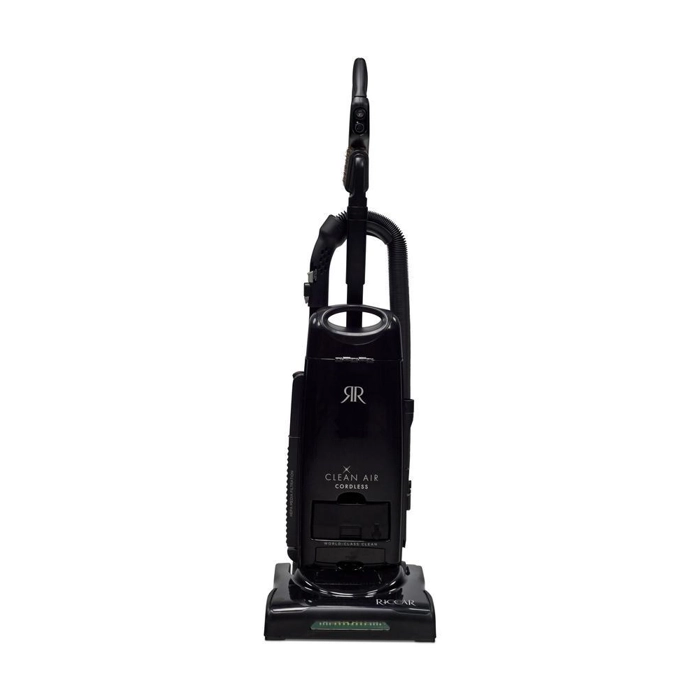
Can upright vacuums clean area rugs effectively?
Yes, upright vacuums can clean area rugs effectively in many homes. They are strong enough to lift dust, crumbs, pet hair, and everyday dirt from low to medium pile rugs, especially when the vacuum has adjustable height and suction.
The real key is fit. An upright vacuum that works great on wall to wall carpet may feel too aggressive on a thin rug, while a lighter model may glide over a dense rug without pulling out enough debris. That is why the best results come from matching the vacuum to the rug.
In practical terms, upright vacuums are often a solid choice for:
• Low pile area rugs
• Medium pile rugs
• Synthetic rugs with firm backing
• High traffic rugs that collect dirt fast
• Homes with pets, if the brush roll is adjustable
I have seen many people assume they need a special machine just for area rugs, but that is not always true. A good upright vacuum can do the job well if you use the right settings and move at a steady pace.

How upright vacuums work on area rugs
Upright vacuums clean by using suction, a brush roll, and airflow to pull dirt from the rug surface and deeper fibers. The brush roll agitates debris, while suction lifts it into the dust bin or bag.
That combination is great for rugs that trap dust and hair in the fibers. But it can also create too much drag on delicate rugs. If the vacuum head is too low or the brush roll spins too fast, the rug may bunch up or get pulled forward.
Here is what matters most:
• Suction power helps remove fine dust and pet dander
• Brush roll agitation loosens debris trapped in fibers
• Adjustable height prevents the vacuum from sticking to the rug
• Brush roll shutoff protects delicate or fringe-trimmed rugs
Think of it like brushing hair. Too soft, and nothing gets out. Too rough, and you create damage. The best upright vacuum gives you the middle ground.
Best types of area rugs for upright vacuums
Not all area rugs respond the same way to an upright vacuum. Some clean up beautifully, while others need a gentler touch or a different tool.
Low pile rugs
Low pile rugs are the easiest for upright vacuums to clean. Their short fibers let the vacuum reach dirt without fighting the surface.
These rugs are common in busy rooms because they are easier to maintain. Upright vacuums usually work well here, especially if the brush roll is not too aggressive.
Medium pile rugs
Medium pile rugs can still be cleaned well with an upright vacuum, but settings matter more. Too much suction can make the vacuum harder to push, and a fast brush roll can tug at the fibers.
If your machine has a carpet height adjustment, use it. That small change often makes a huge difference in cleaning ease and rug safety.
High pile and shag rugs
High pile and shag rugs are tougher for upright vacuums. The long fibers can wrap around the brush roll or make the vacuum sink too deep.
Some upright vacuums can still clean these rugs if they have suction control and a brush roll shutoff. Even then, many people find a canister vacuum or handheld attachment easier for the job.
Delicate and handmade rugs
Handmade rugs, wool rugs, and older rugs need extra care. Upright vacuums can sometimes be used, but only with gentle settings and no harsh brush action.
If you are unsure, test a small hidden spot first. That is one of the simplest ways to avoid flattening fibers or causing wear.
What features make an upright vacuum better for area rugs
If you want an upright vacuum that handles area rugs well, certain features matter more than brand hype. I have learned over time that the little controls are what save both your back and your rug.
Look for these features:
• Adjustable height settings for different rug thicknesses
• Brush roll on and off switch
• Variable suction control
• Lightweight design for easier pushing
• Soft roller or gentle floor head option
• Good edge cleaning for corners and rug borders
• Strong filtration, such as HEPA, for dust and allergens
A vacuum with these features is usually more flexible. It can move from carpet to rug to hard floor without turning into a fight.
When an upright vacuum may not be the best choice
Upright vacuums are useful, but they are not perfect for every rug. Some rugs are simply too delicate, too thick, or too loosely woven for a standard upright.
You may want to avoid using an upright vacuum if:
• The rug has long fringe that can get sucked into the brush roll
• The rug is very thin and slides around
• The rug is a loose weave or handmade antique
• The pile is so high that the vacuum head sinks too much
• The vacuum leaves visible brush marks or pulls fibers
In those cases, a suction-only attachment, stick vacuum, or canister vacuum may be safer. The goal is not just to clean the rug. It is to clean it well without shortening its life.
How to clean area rugs with an upright vacuum the right way
Using the right method matters almost as much as using the right vacuum. Over the years, I have found that many vacuum problems are really technique problems.
Follow these steps:
- Shake out or light beat the rug if possible to loosen surface dirt.
- Check the rug label for cleaning guidance.
- Set the vacuum height to match the rug pile.
- Turn off the brush roll for delicate rugs if your model allows it.
- Vacuum slowly in overlapping passes.
- Lift the vacuum if it starts to drag or bunch the rug.
- Flip the rug occasionally if both sides are vacuum-safe.
A slow pass usually works better than a fast one. Think of it like mowing a small lawn. Rushing leaves dirt behind.
Benefits of using an upright vacuum on area rugs
There are real benefits to using an upright vacuum on area rugs, especially in active homes. The biggest one is convenience. Upright models are easy to grab, easy to store, and often very strong.
Main benefits include:
• Fast cleaning for daily messes
• Good pickup of pet hair and crumbs
• Easy maneuvering in larger rooms
• Strong suction for dirt trapped in fibers
• Often better for households with carpet and rugs together
Another advantage is consistency. If your home has both wall to wall carpet and several area rugs, one upright vacuum can often handle both with a quick setting change.
Common mistakes to avoid
Area rugs can look sturdy, but they do not always react well to rough vacuuming. I have seen people damage rugs without realizing it, usually from using the wrong setting rather than from the vacuum itself.
Avoid these mistakes:
• Using maximum height or suction on every rug
• Letting the brush roll spin on delicate fibers
• Vacuuming fringe directly with a powered brush
• Pushing too hard when the vacuum starts sticking
• Ignoring the rug backing and moving the rug around too much
One small mistake I see often is people treating a rug like a carpet. Rugs are usually less anchored and more varied in material. That means the cleaning approach has to be a little smarter.
Upright vacuums vs other vacuum types for area rugs
An upright vacuum is not the only option for area rugs. The best choice depends on the rug and your home.
Here is a simple comparison:
• Upright vacuums: Best for quick, regular cleaning on low to medium pile rugs
• Canister vacuums: Better for delicate rugs, stairs, and under-furniture reach
• Stick vacuums: Good for light cleaning and small rugs
• Handheld vacuums: Useful for spot cleaning crumbs and pet hair
If you have mostly sturdy rugs and want one tool for the whole house, an upright vacuum makes sense. If your home includes antiques, shag rugs, or fringe-heavy pieces, you may want a second vacuum or special attachment.
How to tell if your area rug is compatible with an upright vacuum
The easiest way to know is to test it carefully. Start with a low setting and watch how the rug reacts.
Your rug is probably compatible if:
• The vacuum glides without pulling the rug forward
• The fibers do not look frayed after cleaning
• The vacuum removes dirt without leaving strong brush marks
• The rug does not bunch, ripple, or lift at the edges
If the rug shifts, the brush sound changes, or the cleaner becomes hard to push, stop and adjust. That kind of feedback is useful. Rugs usually tell you very quickly whether they like a vacuum.
Frequently Asked Questions
Can upright vacuums clean shag area rugs?
Yes, some upright vacuums can clean shag rugs, but only if they have adjustable suction and a brush roll shutoff. Many shag rugs are easier to clean with gentler tools because long fibers can tangle or flatten.
Should I use the brush roll on an area rug?
Use the brush roll only if the rug can handle agitation. For delicate, handmade, or fringe-trimmed rugs, turning it off is usually safer.
Do upright vacuums damage area rugs?
They can if used on the wrong setting or on the wrong type of rug. The main risks are pulled fibers, fringe damage, and wear from a spinning brush roll.
What pile height works best with an upright vacuum?
Low pile and medium pile rugs usually work best. Thick or shag rugs may still be cleanable, but they often need special settings or a different vacuum type.
How often should I vacuum area rugs?
Most area rugs should be vacuumed one to two times per week in normal homes. High-traffic homes, pet homes, or allergy-sensitive homes may need more frequent cleaning.
Conclusion
Upright vacuums can clean area rugs very well, as long as you use the right height, suction, and brush roll settings. They are a smart, practical choice for many homes, especially when the rugs are low to medium pile and need regular care.
The big takeaway is simple: match the vacuum to the rug, not the other way around. If you do that, you will get better cleaning, protect your rug, and make the whole job easier. Take a close look at your rug type and vacuum settings today, and if you want, share your setup in the comments or explore more cleaning tips to keep your floors looking their best.


2 Comments
Pingback: Are Canister Vacuums Good For Stairs: Best Pick Guide - Vacuum Cleaner Tips
Pingback: Are Canister Vacuums Good For Asthma: Best Guide - Vacuum Cleaner Tips