

Most upright vacuums shut off because of airflow blockages, overheating, clogged filters, or a power issue.
Today's Exclusive Deals
Limited-time Exclusive Deals. Check current discount on Amazon.
Check Price on Amazon As an Amazon Associate I earn from qualifying purchases.If you have ever been halfway through cleaning and your upright vacuum suddenly dies, you know how frustrating that feels. The good news is that why is my upright vacuum shutting off is usually a fixable problem, and in many cases, the cause is simple once you know where to look. In this guide, I’ll walk you through the most common reasons, what each one means, and how to troubleshoot it step by step so you can get your vacuum running again with less guesswork.
Why an upright vacuum shuts off in the first place
An upright vacuum is a small machine with a big job. It pulls in air, dust, and debris at a fast pace, and that creates heat, resistance, and strain on the motor. When something interrupts airflow or power, the machine may shut off to protect itself.
Today's Exclusive Deals
Limited-time Exclusive Deals. Check current discount on Amazon.
Check Price on Amazon As an Amazon Associate I earn from qualifying purchases.That shutdown is often a safety feature, not a sign that the vacuum is ruined. Think of it like a car engine warning light. The vacuum is telling you something is off before bigger damage happens. From my own experience, most cases of why is my upright vacuum shutting off came down to one of three things: a clog, overheating, or a worn power part.
Common reasons why is my upright vacuum shutting off
1. The vacuum is overheating
Overheating is one of the most common reasons why is my upright vacuum shutting off. When airflow is blocked, the motor works harder and gets too hot. Many upright vacuums have a thermal cutoff switch that shuts the machine off before the motor burns out.
This can happen if the dust cup is full, the filter is dirty, or the hose has a hidden clog. I have seen people replace batteries or motors when the real issue was just a packed filter. Let the vacuum cool for at least 30 to 60 minutes, then check the airflow path before using it again.
2. The filters are clogged
Dirty filters can choke airflow and trigger shutdowns. Most upright vacuums have one or more filters, such as pre motor filters and post motor filters, that trap fine dust. When those filters get packed with debris, the vacuum has to pull much harder.
Today's Exclusive Deals
Limited-time Exclusive Deals. Check current discount on Amazon.
Check Price on Amazon As an Amazon Associate I earn from qualifying purchases.Some filters are washable, while others need replacement. If you clean them, make sure they are fully dry before reinstalling them. A damp filter can cause weak suction, odor, and even more stress on the motor.
3. The hose or brush path is blocked
A clog anywhere in the airflow path can cause the vacuum to shut off. Common spots include the hose, wand, brush roll inlet, and nozzle neck. Even a small object like a sock, hairball, or toy piece can create a major blockage.
If the vacuum runs for a bit and then quits, a partial clog is a strong suspect. I usually start by checking the hose with a flashlight and feeling for trapped debris. If the airflow is restricted, the motor may overheat fast and shut down again.
4. The brush roll is jammed
A jammed brush roll can make an upright vacuum shut off, especially if it has a belt-driven system. Hair, string, carpet fibers, and lint can wrap tightly around the brush and stop it from spinning. That adds load to the motor and may trigger a protective shutdown.
If you hear a strange sound before it stops, such as a whining or strained motor noise, the brush area is worth checking first. Remove the cover, clean the brush roll, and inspect the belt for wear or stretching. A worn belt can slip, overheat, and make the whole vacuum act weak or shut down.
5. The dust bin or bag is full
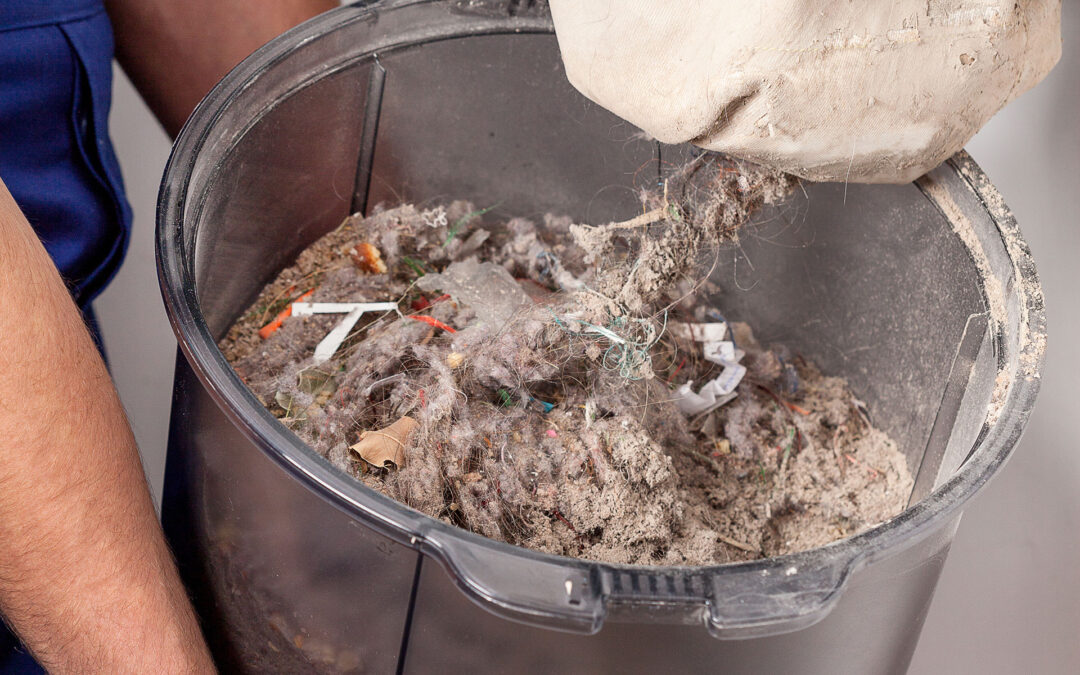
A full dust cup or bag can reduce airflow enough to shut the vacuum off. When the vacuum cannot move air freely, suction drops and the motor works harder. This is especially common with bagless models that appear only half full but are actually packed with fine dust.
Empty the bin before it gets completely full. For bagged vacuums, replace the bag once it reaches the fill line. This small habit can prevent many shutdown issues and keep suction stronger longer.
6. The power cord or outlet is faulty
Sometimes the vacuum is not shutting off because of the vacuum itself. A loose plug, damaged cord, weak outlet, or tripped breaker can cut power suddenly. If the machine dies and then restarts when you wiggle the cord, that is a red flag.
Inspect the cord for cuts, bent plugs, or scorch marks. Try a different outlet to rule out household power issues. If the cord is damaged, do not keep using it, since that can be a fire hazard.
7. The motor is wearing out
Older vacuums may shut off because the motor is failing. As motors age, brushes wear down, bearings get rough, and internal heat rises faster. You may notice a burning smell, louder noise, or weaker suction before the shutdown starts happening more often.
Motor problems are usually less common than clogs or overheating, but they do happen. If the vacuum has already been cleaned, unplugged, and tested with no blockages found, a motor issue may be the next likely cause. At that point, repair or replacement may be more practical than repeated fixes.
8. The vacuum has an automatic safety feature
Some models are designed to shut off when they sense a problem. This is common in modern upright vacuums with thermal protection or electronic controls. The feature is there to prevent damage, even though it can feel annoying in the moment.
If your vacuum keeps shutting off after a short run time, check the manual for auto shutoff details. Manufacturers often explain how long the machine should cool before restarting. Knowing this can save you from thinking the vacuum is broken when it is simply protecting itself.
How to diagnose why is my upright vacuum shutting off
Step 1: Unplug and let it cool
Safety comes first. If the vacuum has shut down, unplug it and give it time to cool completely before touching the brush roll, filters, or internal parts. This reduces the risk of burns and protects the motor from more stress.
Step 2: Check the dust cup or bag
Empty the dust cup or replace the bag. If you see a lot of packed dust or pet hair, that is already a clue that airflow may have been restricted. Even if it is not totally full, compacted debris can still cause problems.
Step 3: Inspect the filters
Remove the filters and look for dust buildup, discoloration, or damage. Clean washable filters according to the manual, and replace disposable ones if they are worn out. A clean filter often makes a bigger difference than people expect.
Step 4: Look for clogs
Check the hose, wand, nozzle, and inlet areas. Use a flashlight and, if needed, a long flexible tool to push out debris. Be gentle so you do not puncture the hose or damage internal parts.
Step 5: Clean the brush roll
Turn the vacuum over and remove hair, thread, and lint from the brush roll. Spin it by hand to make sure it moves freely. If it feels stiff, the belt may be the issue.
Step 6: Test the cord and outlet
Plug the vacuum into another outlet and look closely at the cord. If the vacuum cuts out when the cord moves, stop using it until it can be repaired. A power interruption can look like a vacuum problem, but it may be electrical instead.
Step 7: Run the vacuum after cooling
Once you have checked the basics, let the vacuum cool and try it again. If it runs normally for a while and then shuts off, overheating or airflow restriction is still the likely cause. If it shuts off instantly, the issue may be electrical or motor related.
My practical experience troubleshooting upright vacuums
After years of helping people sort out vacuum problems, I can say this with confidence: the loudest problem is not always the biggest one. A vacuum that seems “dead” is often just clogged, packed with dust, or overheating from poor airflow. I have seen many owners assume the motor failed, only to find a tangled brush roll and a filter caked in fine dust.
The biggest lesson I learned is to start with the simple stuff. Check the bin, filter, and hose before assuming the repair will be expensive. That approach saves time, money, and a lot of stress.
How to prevent your upright vacuum from shutting off
A little maintenance goes a long way. If you keep airflow clear and parts clean, your vacuum should run cooler and more reliably.
Here are the habits that help most:
- Empty the dust bin before it gets packed full
- Replace vacuum bags on time
- Clean or replace filters regularly
- Remove hair from the brush roll after heavy use
- Check the hose and nozzle for clogs once a month
- Let the vacuum cool if it feels hot or smells warm
- Inspect the cord often for damage
These steps may sound basic, but they are the same ones that prevent most shutdown problems. A vacuum is like a runner. If it cannot breathe, it will slow down and stop.
When to repair, and when to replace
Not every case of why is my upright vacuum shutting off can be fixed at home. If the vacuum still shuts off after cleaning, checking power, and clearing blockages, the problem may be deeper. That could mean a failing motor, worn wiring, or a broken thermal switch.
Repair makes sense when the vacuum is newer, high quality, or only has one clear issue. Replacement may be better when the vacuum is old, expensive to service, or already showing multiple signs of wear. In my view, if repair costs close to half the price of a new vacuum, it is worth comparing both options carefully.
Frequently Asked Questions of Why is my upright vacuum shutting off?
Why does my upright vacuum shut off after a few minutes?
This usually means the vacuum is overheating. A clogged filter, full dust bin, or blocked hose can make the motor work too hard and trigger the safety shutoff.
Why is my upright vacuum shutting off but starts again later?
That pattern often points to thermal protection. The vacuum cools down, resets itself, and works again until the same airflow or heat issue returns.
Can a bad belt make an upright vacuum shut off?
Yes, a bad or jammed belt can add strain to the motor. If the brush roll cannot spin freely, the vacuum may overheat and shut down.
Why is my upright vacuum shutting off when I use it on carpet?
Carpet can create extra resistance, especially on thick piles or deep-clean settings. If airflow is already weak or the brush roll is dirty, the vacuum may stop under that extra load.
Should I keep using a vacuum that shuts off?
No, not until you find the cause. Repeated shutdowns can point to overheating or electrical trouble, and continued use may damage the motor.
Conclusion
If you have been wondering why is my upright vacuum shutting off, the answer is usually hidden in airflow, heat, or power. The most common culprits are clogged filters, blocked hoses, jammed brush rolls, full dust bins, or a failing cord or motor. The good news is that many of these issues are easy to check and fix at home.
Start with the simple steps, stay patient, and listen to what the vacuum is telling you. A little maintenance now can save you from a bigger repair later. If this guide helped, explore more vacuum care tips, subscribe for updates, or leave a comment with the exact symptom you are seeing.

