

Most vacuum filters need changing every three to 12 months, depending on the filter type, vacuum, and amount of use.
Today's Exclusive Deals
Limited-time Exclusive Deals. Check current discount on Amazon.
Check Price on Amazon As an Amazon Associate I earn from qualifying purchases.Knowing how often should you change a vacuum filter helps your vacuum clean better, use less power, and release fewer particles into the air. The right schedule is not the same for every home. This guide explains filter types, warning signs, cleaning limits, pet and allergy needs, and a simple care plan based on real household use and manufacturer guidance.
How often should you change a vacuum filter?
For most homes, you should replace a vacuum filter every three to 12 months. A light-use vacuum may need a new filter once a year. A vacuum used daily, or one that cleans pet hair, fine dust, or carpets, may need a replacement every three to six months.
The best answer to how often should you change a vacuum filter depends on four main points:
Today's Exclusive Deals
Limited-time Exclusive Deals. Check current discount on Amazon.
Check Price on Amazon As an Amazon Associate I earn from qualifying purchases.• Filter type
• Vacuum design
• Cleaning frequency
• Amount of dirt, dust, and pet hair in your home
Today's Exclusive Deals
Limited-time Exclusive Deals. Check current discount on Amazon.
Check Price on Amazon As an Amazon Associate I earn from qualifying purchases.Always check the vacuum manual first. Some filters are washable and reusable. Others are disposable and must be replaced. Using the wrong filter can reduce suction or allow dust to pass through the machine.
A simple schedule works well for many homes:
• Light use: Inspect monthly and replace every 9 to 12 months
• Normal use: Inspect monthly and replace every 6 to 9 months
• Heavy use: Inspect every two weeks and replace every 3 to 6 months
• Pet or allergy homes: Inspect weekly and replace every 2 to 4 months, if needed
These are starting points, not strict rules. A filter that looks dirty, smells bad, or causes weak suction may need attention sooner.
Why vacuum filters matter
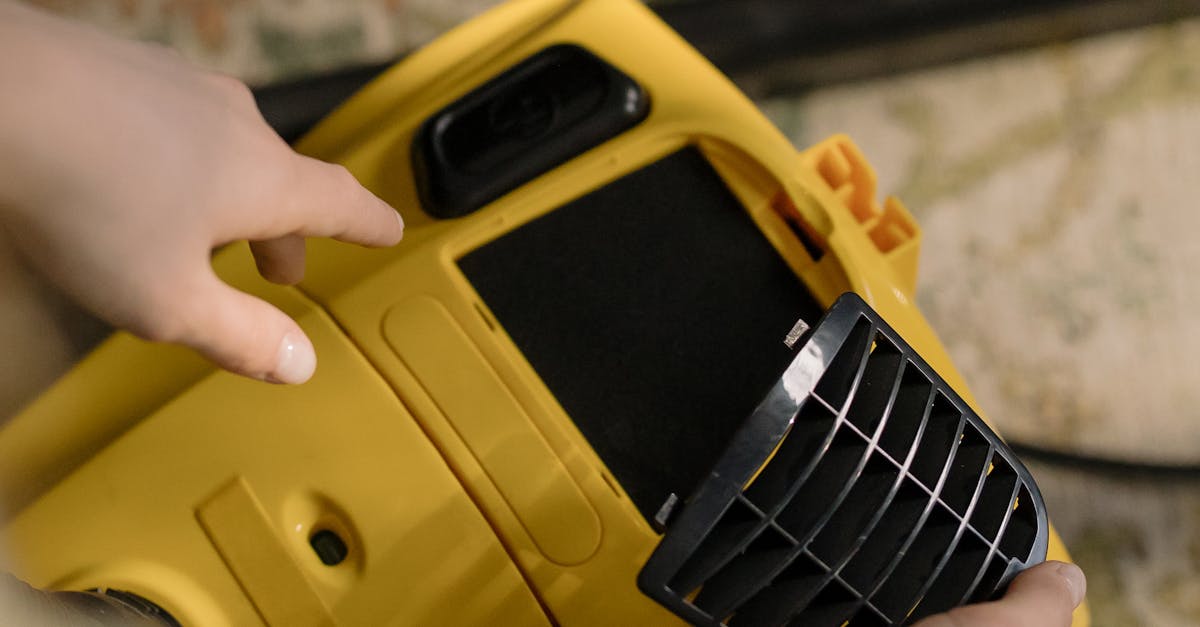
A vacuum filter traps dust, hair, pollen, mold particles, and other small debris. It protects the motor and helps keep collected dirt from flowing back into the room.
Without a clean filter, the vacuum may still run. Yet it may not clean well. It can also blow fine dust into the air, which is a concern for people with asthma, allergies, or other breathing problems.
Think of the filter as the vacuum’s lungs. A clean filter lets air move freely. A clogged filter makes the motor work harder, much like breathing through a thick blanket.
Changing a vacuum filter can provide several benefits:
• Better suction
• Less motor strain
• Lower risk of overheating
• Fewer odors
• Cleaner exhaust air
• Longer vacuum life
• More consistent cleaning results
The filter does not make a vacuum completely dust-free. Even a high-efficiency filter has limits. Proper use, a sealed vacuum body, and regular bin or bag changes also affect air quality.
Factors that affect vacuum filter replacement
The question of how often should you change a vacuum filter has no single answer because homes create different cleaning conditions. A small apartment with smooth floors may create less dust than a large home with carpets, pets, and frequent outdoor traffic.
Vacuum use
Daily vacuuming fills filters faster than weekly cleaning. If you use the vacuum for quick cleanups several times a day, count those short sessions as heavy use.
A vacuum in a busy family home may collect crumbs, sand, lint, and hair at a faster rate. The filter can become restricted even when the dust bin does not look full.
Pets
Dogs and cats add fur, dander, dirt, and outdoor particles. Fine dander can load a filter faster than visible hair. Homes with several pets often need more frequent filter checks.
If your pet sheds heavily during spring or fall, shorten the replacement schedule during those months.
Flooring
Carpet tends to hold more dust and hair than hard flooring. Deep carpet, rugs, and entry mats can also send more fine particles into the vacuum.
Homes with mostly tile, wood, or laminate floors may go longer between filter changes. Still, sand and grit can wear on the machine and should not be ignored.
Home projects
Construction dust, fireplace ash, drywall dust, flour, and fine powders can clog a filter quickly. Some materials can even damage a household vacuum.
Do not use a standard home vacuum for large amounts of drywall dust, wet material, or hot ash unless the vacuum is made for that task. A shop vacuum with the correct filter may be safer.
Allergies and asthma
People with allergies may benefit from changing filters more often. A filter that looks usable may still hold trapped pollen and dander.
If someone in your home reacts to dust, inspect the filter weekly. Replace it when it becomes gray, damaged, or difficult to clean.
Vacuum filter types and their replacement schedules
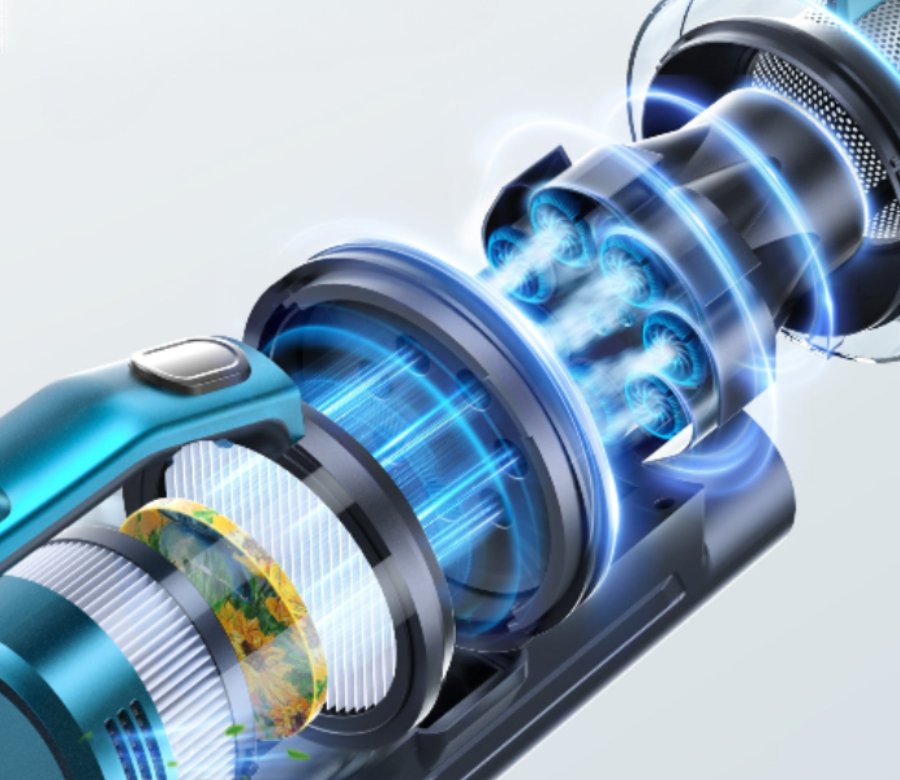
Filter material matters when deciding how often should you change a vacuum filter. Each type has a different care method.
Foam filters
Foam filters are common in upright, canister, and handheld vacuums. Many are washable, but not all foam filters can be rinsed.
Wash a reusable foam filter only as the manual allows. Let it dry fully before putting it back. A damp filter can create odor, encourage microbial growth, and harm the motor.
Replace foam filters when they crack, shrink, tear, or stay dirty after washing. A reusable filter may last one to two years, but heavy use can shorten that period.
Pleated paper filters
Pleated paper filters trap fine dust but are usually disposable. They should not be washed unless the manufacturer clearly says they are washable.
Replace a paper filter when it is visibly coated, crushed, torn, or causing weak airflow. In a typical home, replacement may be needed every three to six months.
HEPA filters
HEPA stands for high-efficiency particulate air. A true HEPA filter is designed to capture very small airborne particles under controlled testing conditions.
Some HEPA filters are washable. Many are not. Never rinse a disposable HEPA filter, because water can damage the filter media and reduce performance.
A HEPA filter may last six to 12 months in light use. Homes with pets, allergies, or daily cleaning may need replacement sooner.
Cartridge filters
Cartridge filters often combine pleated material with a rigid frame. They may appear clean on the outside while fine dust blocks the inner layers.
Follow the manual before tapping, brushing, or washing a cartridge filter. Replace it when airflow drops or the filter becomes damaged.
Bagged vacuum filters
Bagged vacuums often use the bag as the main filter. The bag should be replaced before it becomes packed or overfilled.
Some models also include a motor filter and an exhaust filter. These may need replacement every six to 12 months. A full bag can make the vacuum seem as if the filter is clogged.
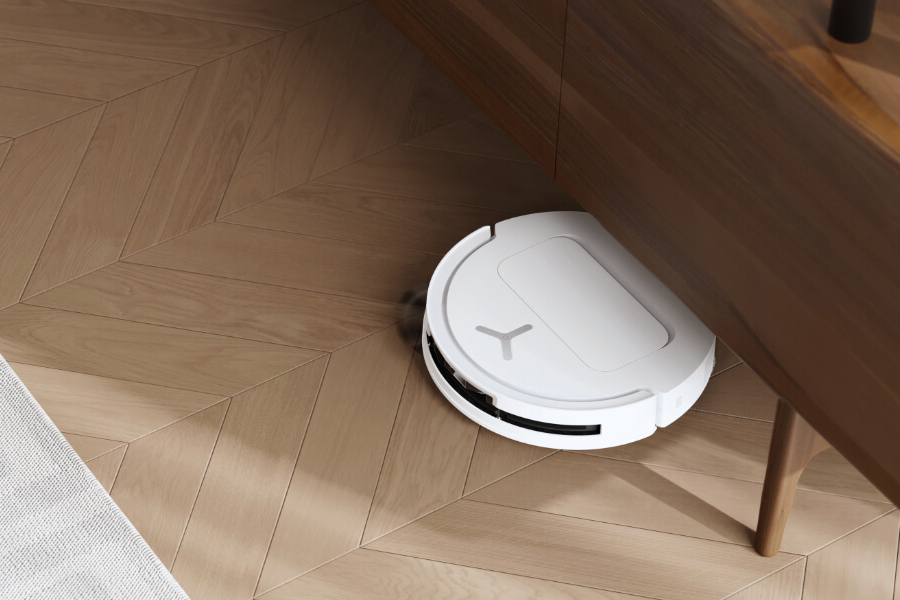
Signs you need a new vacuum filter
Visual inspection is useful, but it is not the only test. A filter can look acceptable and still restrict airflow.
Watch for these signs:
• Suction becomes weak
• The vacuum sounds louder than usual
• The motor feels unusually hot
• The vacuum shuts off during use
• Dust blows from the exhaust
• The room smells dusty after cleaning
• The filter looks gray, black, or heavily coated
• The filter has a tear, hole, crack, or loose edge
• The vacuum leaves dirt behind
• The filter does not return to its original shape after washing
A burning smell requires extra care. Turn off the vacuum and unplug it. Check for a clogged brush roll, blocked hose, full bag, or dirty filter. If the smell continues, stop using the machine and arrange professional service.
Weak suction does not always mean you need a filter. A blocked hose, full dust bin, tangled brush roll, or poor floor setting can cause the same problem.
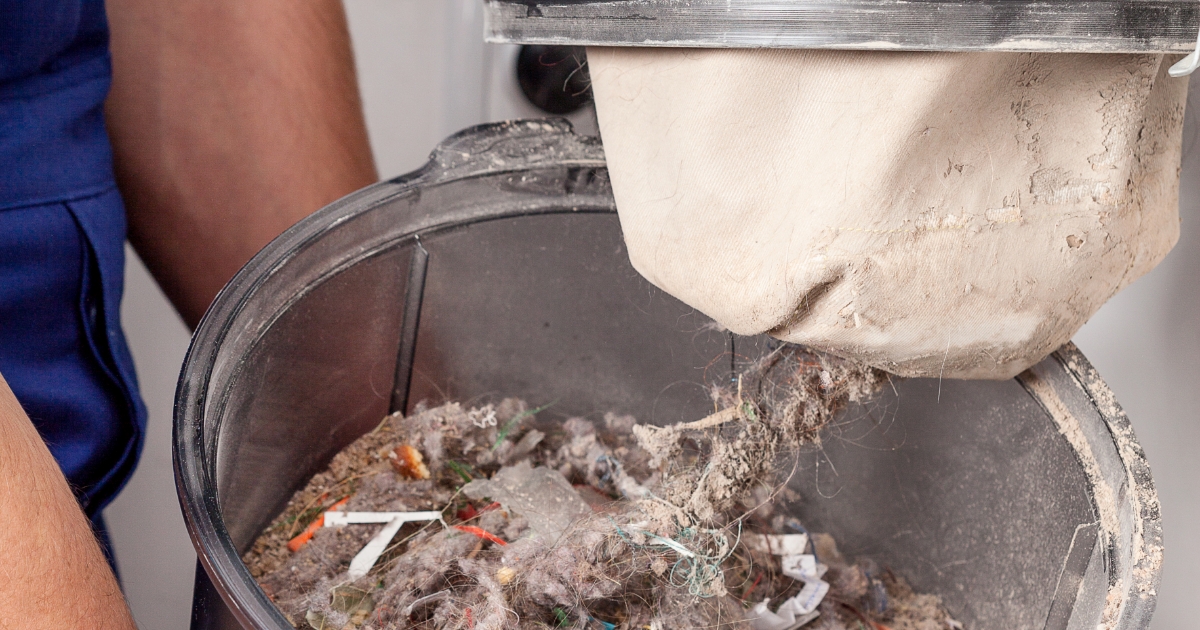
How to clean a reusable vacuum filter
Cleaning a washable filter can extend its life, but it does not replace regular replacement. Fine dust can become trapped deep inside the filter material.
Use these steps:
-
Turn off and unplug the vacuum.
-
Remove the filter according to the manual.
-
Shake or tap it outdoors if the manual allows this.
-
Rinse it with cool or lukewarm water if it is marked washable.
-
Avoid soap unless the manufacturer recommends it.
-
Continue rinsing until the water runs mostly clear.
-
Press out excess water without twisting the filter.
-
Leave it to air-dry fully for at least 24 hours.
-
Check for tears, distortion, or a stale smell.
-
Reinstall it only when completely dry.
Do not use a hair dryer, heater, or direct high heat. Heat can shrink or deform the filter. Do not vacuum with the filter removed unless the manufacturer specifically permits it.
One common maintenance mistake is putting a damp filter back into the machine because the vacuum is needed right away. This can lead to odors and motor problems. Keeping a spare filter makes proper care much easier.

How to replace a vacuum filter safely
Replacing a filter is usually simple, but the correct fit matters. A loose or incorrect filter can let dust bypass the filtration system.
Follow this process:
-
Unplug the vacuum.
-
Find the model number on the body or manual.
-
Buy a filter made for that exact model.
-
Remove the old filter outdoors if possible.
-
Clean loose dust from the filter compartment.
-
Check the seal and filter housing for damage.
-
Install the new filter in the correct direction.
-
Close the cover firmly.
-
Run the vacuum for a short test.
-
Check for unusual noise, odor, or air leaks.
Avoid choosing a filter only because it looks similar. Small differences in thickness, shape, and sealing can affect airflow.
Generic filters may cost less, but quality can vary. For allergy-sensitive homes, a poorly fitted filter may reduce the benefit of the vacuum’s filtration system.

How often should you change a vacuum filter for pets?
Pet homes often need a shorter schedule. For one low-shedding pet, inspect the filter every two to four weeks and consider replacement every three to six months.
For multiple pets or heavy shedders, inspect the filter weekly. Replacement may be needed every two to four months, especially during shedding seasons.
Pet hair itself is often easy to see. Dander and fine dust are not. That hidden material can clog the filter and reduce airflow before the filter looks completely full.
Use a vacuum with a sealed system and a suitable pet tool when possible. Empty the bin before it reaches the maximum line. A packed bin can push more debris toward the filter.

How often should you change a vacuum filter for allergies?
People with allergies should inspect filters often and follow the shortest schedule recommended by the manufacturer. In many homes, replacing a disposable filter every two to four months is reasonable.
A washable filter should still be replaced when it becomes damaged, smells stale, or remains coated after cleaning. Washing removes some dirt, but it may not restore the filter’s original performance.
When changing a filter, avoid shaking it indoors. Fine dust can return to the room. Wear a well-fitting mask if dust bothers you, and wash your hands after handling the old filter.
A vacuum filter can support cleaner air, but it is not a replacement for ventilation, source control, or a certified air cleaner. If breathing symptoms are serious, speak with a qualified medical professional.

How often should you change a vacuum filter in a car vacuum?
A car vacuum often faces sand, soil, crumbs, and fine road dust. This mix can clog a small filter faster than normal household debris.
Inspect the filter after each major cleaning. For regular car use, replace a disposable filter every one to three months, or sooner if suction drops.
Never ignore the dust cup. Small handheld vacuums have limited capacity, and an overfilled cup can push debris into the motor area.
Keep the vehicle vacuum filter separate from the home vacuum filter. Each model needs the correct replacement part and care method.
How to build a simple vacuum filter care routine
A small routine can prevent most filter problems. It takes only a few minutes and can save money on repairs.
Use this plan:
• Check the filter once a month
• Check it weekly if you have pets or allergies
• Empty the dust bin before it reaches the fill line
• Clean washable filters as directed
• Keep one spare filter available
• Record the replacement date on the filter box
• Inspect hoses, seals, and brush rolls at the same time
A calendar reminder works well. Choose a date every three months for a quick inspection. During spring cleaning or shedding season, check more often.
The key lesson is to use condition and time together. The calendar gives you a useful reminder, while suction, odor, heat, and visible damage tell you when the vacuum needs immediate care.
Common mistakes to avoid
Incorrect filter care can shorten the life of a vacuum. These mistakes are easy to make.
• Washing a disposable filter
• Installing a filter before it is fully dry
• Using the vacuum without its filter
• Buying the wrong model filter
• Ignoring a damaged seal
• Tapping a filter indoors
• Waiting until suction completely stops
• Using a household vacuum for wet debris
• Failing to replace a full vacuum bag
• Cleaning fine dust without the correct filter
Another mistake is assuming a HEPA label solves every air-quality problem. The filter must fit tightly, and the vacuum must keep air from leaking around the filter.
A good filter cannot compensate for a broken housing, worn gasket, or cracked hose. Inspect the whole vacuum system when performance changes.
How much does a vacuum filter cost?
Vacuum filter prices vary by brand, size, and filter type. Basic foam filters may cost only a few dollars. Pleated, cartridge, and HEPA filters often cost more.
The cheapest option is not always the best value. A filter that fits poorly may reduce cleaning power and allow dust to bypass the filter.
Compare the price of replacement filters with the cost of motor repairs or a new vacuum. Regular filter changes are usually a low-cost form of preventive maintenance.
If a filter seems unusually expensive, check the model number carefully. You may find a multi-pack or a manufacturer-approved alternative, but confirm that it has the correct fit and rating.
What experts recommend about vacuum filter changes
Vacuum manufacturers usually provide the most specific schedule because they know the design, motor, and filter material of each model. Their instructions should take priority over a general timeline.
Filtration experts also stress the value of a sealed system. A high-efficiency filter works best when air cannot leak around its edges. This is why a correct replacement filter matters as much as the filter material.
Independent testing can compare particle capture, airflow, and leakage, but results may differ between models and household conditions. Treat performance claims as model-specific rather than universal.
The safest approach is simple: follow the manual, inspect the filter often, and replace it when its condition or performance shows a problem.
Frequently Asked Questions About How Often Should You Change a Vacuum Filter
How often should you change a vacuum filter in a normal home?
Most households should replace a disposable filter every six to 12 months. Inspect it monthly and replace it sooner if suction drops, dust escapes, or the filter looks heavily coated.
Can you wash a vacuum filter instead of replacing it?
You can wash a filter only if the manufacturer labels it washable. Disposable paper and many HEPA filters should not be rinsed, while washable foam filters must dry fully before use.
How often should you change a vacuum filter with pets?
Inspect the filter every one to four weeks and replace it about every two to six months, depending on shedding and use. Heavy shedders and homes with several pets may need more frequent changes.
Does a dirty filter reduce vacuum suction?
Yes. Dust and hair can block airflow, which lowers suction and makes the motor work harder. A full dust bin, blocked hose, or tangled brush roll can cause similar symptoms.
How do you know when a HEPA vacuum filter needs replacing?
Replace a HEPA filter when the manual says to, or sooner if it is damaged, smells bad, looks clogged, or causes weak airflow. Do not wash it unless the manufacturer specifically identifies it as washable.
Can a vacuum run without a filter?
Most vacuums should never run without the correct filter. Running without one can send dust into the motor, damage internal parts, and release debris back into the room.
How long does a washable vacuum filter last?
A washable filter may last one to two years with proper care, but its life depends on use and material. Replace it when it cracks, stays dirty, loses shape, or no longer supports good airflow.
Conclusion
The answer to how often should you change a vacuum filter is usually every three to 12 months, but your home sets the real schedule. Daily use, pets, allergies, carpets, and fine dust call for more frequent checks and earlier replacement.
Inspect the filter each month, follow the manufacturer’s instructions, clean washable filters correctly, and never use a damp or damaged filter. Start today by checking your vacuum’s model number, looking at the filter, and marking the next inspection date on your calendar. For more practical cleaning guides, explore related home-care resources and share your own vacuum maintenance tips in the comments.


1 Comment
Pingback: Tineco Floor One S7 Stretch Ultra Review: Is It Worth It? - Vacuum Cleaner Tips