

A vacuum cleaner brush stops spinning when airflow, clogs, belt issues, or motor damage interrupt the brush roll.
If you have ever pushed a vacuum across the carpet and noticed the brush head just sitting there, you know how frustrating that can be. A vacuum cleaner brush not spinning is one of the most common vacuum problems, and it often comes down to a few simple causes you can check yourself before calling for repairs. In this guide, I’ll walk you through the real reasons it happens, how to fix it, and how to keep it from happening again.
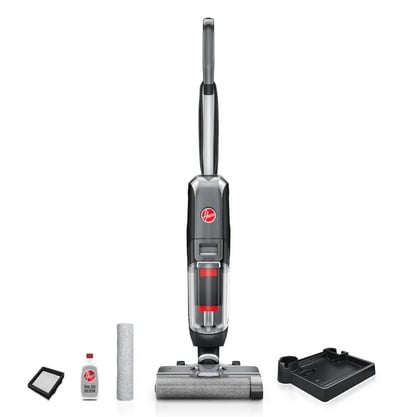
What the brush roll does and why it matters
The brush roll, also called the beater bar or roller brush, helps lift dirt, hair, and debris from carpet fibers. It agitates the surface so the vacuum can pull out particles that suction alone may miss. That is why a vacuum cleaner brush not spinning can make cleaning feel incomplete, even if the machine still turns on.
On hard floors, the brush roll may matter less, but on rugs and carpet it makes a big difference. In my own experience, a vacuum with a working brush roll can pick up pet hair in one pass, while a broken one leaves the carpet looking dull and still dirty. That is usually the first sign people notice before they realize the brush roll itself is the problem.
A spinning brush also helps with edge cleaning and embedded debris. If the roll stops, the vacuum may sound normal but perform poorly. That mismatch is often what sends people searching for answers.

Common reasons a vacuum cleaner brush not spinning
There are several likely causes, and the good news is that many are easy to inspect. The issue may be mechanical, electrical, or simply a blockage that keeps the brush from moving. Understanding the cause saves time and keeps you from replacing parts you do not need.
1. The brush roll is jammed
Hair, string, carpet threads, and pet fur can wrap tightly around the brush roll. Over time, that buildup creates enough friction to stop it from turning. I have seen this happen after just a few weeks in homes with long hair or pets.
When a brush roll is jammed, the vacuum may still run, but the roller feels stuck or slow. This is one of the easiest fixes because you usually just need to remove the debris. A pair of scissors, a seam ripper, or a utility knife can help cut away tangled material.
2. The drive belt is worn or broken
Many vacuums use a rubber belt to connect the motor to the brush roll. If that belt is stretched, cracked, or snapped, the brush will not spin. This is one of the most common reasons for a vacuum cleaner brush not spinning.
Belt wear is normal because rubber weakens with heat and time. If you hear the motor but the brush stays still, the belt is a top suspect. Most belts are inexpensive, which makes this a good repair for many homeowners.
3. The vacuum is set to the wrong height or mode
Some vacuums have a carpet height setting, brush control switch, or floor mode selector. If the vacuum is set for bare floors or hard surfaces, the brush roll may shut off automatically. This design protects delicate floors and helps prevent unnecessary wear.
I have seen people think their vacuum is broken when the real issue was just a mode switch. It happens more often than you would think. Always check the settings before opening the machine.
4. The brush roll bearings are stuck
The ends of the brush roll spin on small bearings or bushings. If these parts get clogged with dirt or stop moving smoothly, the brush can seize up. The vacuum may still sound normal, but the roller will not turn freely by hand.
This problem is more common in older machines or vacuums that have not been cleaned often. A stuck bearing may need cleaning, lubrication, or full replacement. If the roll does not spin easily when removed, that is a strong clue.
5. The vacuum has a clogged hose or airflow problem
Some vacuums rely on airflow to help power certain brush systems, especially on uprights and some canister models. A clog can reduce suction and affect how the brush functions. In some designs, the brush stops spinning when airflow drops too much.
Clogs often hide in the hose, wand, intake, or filter area. If the vacuum sounds strained or smells hot, airflow may be part of the problem. Cleaning the full air path can restore normal operation.
6. The motor or brush clutch has failed
More serious cases involve a damaged motor, clutch, or internal drive system. If the motor is weak, the brush may not get enough power to turn. In some models, a clutch engages the brush only under certain conditions, and that part can wear out too.
These repairs can be more costly and may not be worth it on an older vacuum. Still, it helps to rule out simple causes before assuming the worst. A careful check of the belt and brush roll usually comes first.

How to fix a vacuum cleaner brush not spinning
Before you start, unplug the vacuum. That step matters more than anything else because brush roll parts can move unexpectedly and sharp debris can cut you. I always tell people to work from the simplest fix to the most complex.
Step 1: Check for visible blockages
Look at the brush roll, nozzle, hose, and intake path. Remove hair, string, lint, and any stuck debris. Even a small wad of carpet fiber can stop the brush from turning.
Use scissors or a cleaning tool to cut tangled hair away from the brush roll. Clean the brush ends and the area around the bearings too. If the brush suddenly spins after cleaning, the problem was probably buildup, not a broken part.
Step 2: Test the brush roll by hand
Remove the brush roll if your vacuum design allows it. Turn it by hand and see whether it spins freely. If it drags, sticks, or grinds, the bearings or end caps may need attention.
A brush roll should move with only light resistance. If it feels rough, clean the ends and check for melted plastic, string, or hair wrapped around the axle. Sometimes the fix is as simple as a deep clean.
Step 3: Inspect the belt
Look for cracks, looseness, or missing pieces. If the belt looks shiny, stretched, or broken, replace it. Even if it is not snapped, an old belt can slip and fail to spin the brush under load.
When I have replaced belts for people, the machine often comes back to life right away. That is why checking the belt early is smart. It is cheap, fast, and often the real answer to a vacuum cleaner brush not spinning.
Step 4: Confirm the mode and height settings
Make sure the vacuum is set for carpet if the brush should be active. Check any brush on and off switch, floor selector, or automatic height control. Some models will not engage the brush unless the settings match the surface.
If the vacuum has a brush shutoff feature, test it a few times to make sure the switch works. A loose switch or bad contact can imitate a bigger failure. This is a simple fix that is easy to miss.
Step 5: Clean or replace filters
Dirty filters can choke airflow and reduce performance. Washable filters should be cleaned and fully dried before reuse. Disposable filters should be replaced according to the manufacturer’s schedule.
Low airflow can make the whole vacuum seem weak. In some systems, it can also affect the brush drive. Clean filters are one of the easiest ways to keep the machine working well.
Step 6: Check for electrical or motor issues
If the vacuum still powers on but the brush does not move after all the basic checks, the issue may be internal. A failed motor, clutch, switch, or wiring fault can stop the brush system. At this point, the repair may need a technician.
If the vacuum smells burned, makes a loud grinding noise, or trips a breaker, stop using it. Those signs can point to a serious electrical problem. It is better to pause than to push a damaged machine harder.
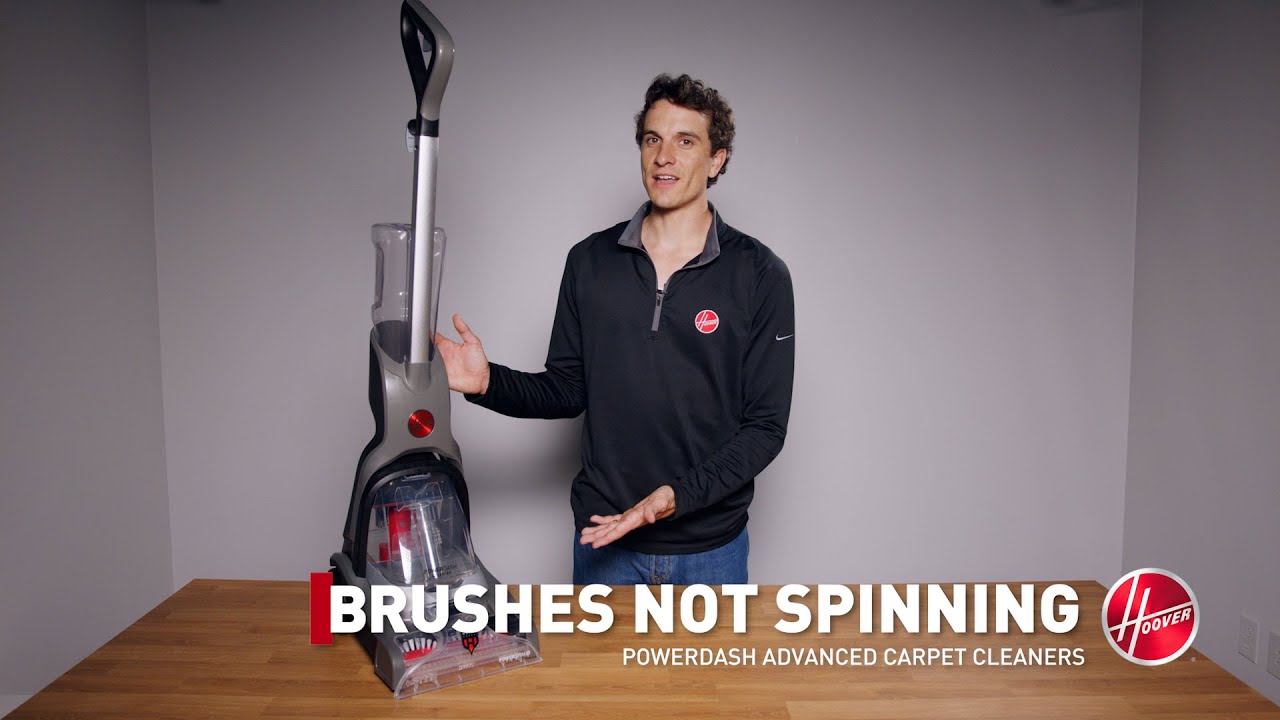
When the problem is easy to fix versus when it is not
A vacuum cleaner brush not spinning is often a simple maintenance issue. If the brush is jammed, the belt is worn, or the setting is wrong, you can usually fix it at home. These are the best-case scenarios, and they are very common.
The harder cases involve motor wear, damaged wiring, a failed clutch, or broken internal parts. If you have already cleaned the brush, checked the belt, and confirmed the settings, the problem may be deeper. At that point, compare the repair cost to the price of a new vacuum.
A practical rule I use is this: if the repair is a small part and the vacuum is otherwise in good shape, fix it. If the machine is old, underpowered, or already has several issues, replacement may make more sense. That is not always fun to hear, but it is honest advice.
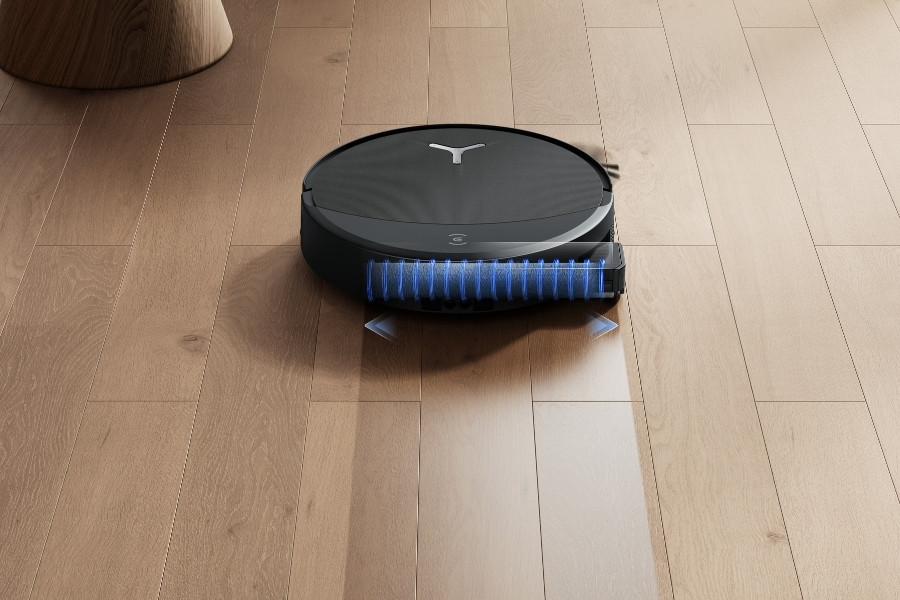
How to prevent brush roll problems
Good maintenance can keep a vacuum cleaner brush from not spinning again. A little care goes a long way here. Most brush problems build up slowly, not all at once.
Clean the brush roll often
Remove hair and string every few weeks, or more often if you have pets. The longer debris stays wrapped around the roll, the harder it is to remove. Regular cleaning also reduces stress on the belt and motor.
Replace belts on schedule
Even if a belt still looks okay, it can lose grip over time. Many vacuums need belt replacement every 6 to 12 months, depending on use. Check your model’s manual for the right interval.
Keep filters and hoses clear
Airflow is the lifeblood of a vacuum. Clean filters, unclog hoses, and empty the dust bin or bag before it gets too full. These habits help the brush system work the way it should.
Use the right setting for the floor
Do not force the brush on a delicate floor if the vacuum is not made for it. Use the correct mode for carpet, tile, wood, or area rugs. The right setting protects both the floor and the vacuum.
Inspect the brush roll during seasonal cleaning
I like to check vacuums the way people check smoke detectors, on a schedule. A quick seasonal inspection can catch a worn belt or tangled brush before it becomes a full failure. It takes only a few minutes and can save you a lot of hassle.

Signs that your vacuum needs repair or replacement
A vacuum cleaner brush not spinning is one warning sign, but not the only one. If you notice weak suction, burning smells, loud rattling, or overheating, the vacuum may need more than a simple clean. Multiple symptoms together usually point to a bigger issue.
Replacement may be the better choice if:
• The motor is failing
• The vacuum overheats quickly
• The repair cost is close to the cost of a new unit
• Parts are hard to find
• The machine is old and underperforming
Repair may be the better choice if:
• The belt is the only problem
• The brush roll is clogged
• The vacuum is otherwise strong
• The model is high quality and worth saving
A vacuum should feel like a tool that helps, not a chore that fights back. If yours keeps failing, it may be time to step back and judge the whole machine, not just the brush.

Frequently Asked Questions
Why is my vacuum cleaner brush not spinning even though the suction is strong?
This often means the brush drive system has a separate problem from airflow. A worn belt, jammed brush roll, or disabled brush setting is usually the cause. Strong suction does not always mean the roller mechanism is working.
Can I use my vacuum if the brush is not spinning?
Yes, but it may clean carpets poorly. On hard floors, it may still work okay, but on carpet the performance drops a lot. If the brush roll is stuck because of a jam or overheating, it is better to fix it first.
How do I know if the belt is broken?
If the vacuum motor runs but the brush roll does not move, the belt is one of the first things to check. A broken belt may look cracked, loose, melted, or completely snapped. In many models, the belt is easy to access once you remove the bottom plate.
Why does my brush roll stop after a few minutes?
That usually points to overheating, a slipping belt, or a clog that puts too much strain on the system. Some vacuums also have thermal protection that shuts parts down when they get too hot. Let the machine cool, clean the airflow path, and inspect the brush area.
Is it worth repairing a vacuum cleaner brush not spinning?
Usually yes if the cause is simple, like a belt or jammed roll. If the motor or internal clutch is damaged, the repair may not be worth it on a lower-end vacuum. The age and overall condition of the machine should guide your decision.
How often should I clean the brush roll?
For most homes, every 2 to 4 weeks is a good target. If you have pets, long hair, or lots of carpet, you may need to clean it more often. Regular care helps prevent a vacuum cleaner brush not spinning in the first place.
Conclusion
A vacuum cleaner brush not spinning is frustrating, but it is often fixable with a few careful checks. In many cases, the problem comes down to tangled debris, a worn belt, a wrong setting, or a clogged airflow path. Once you know where to look, the repair is much less mysterious.
The best approach is to start simple, stay safe, and test one thing at a time. That saves money, reduces guesswork, and helps you decide whether to repair or replace the vacuum with confidence. If this guide helped, try these steps on your own vacuum, and share your experience or questions in the comments so others can learn from it too.

