

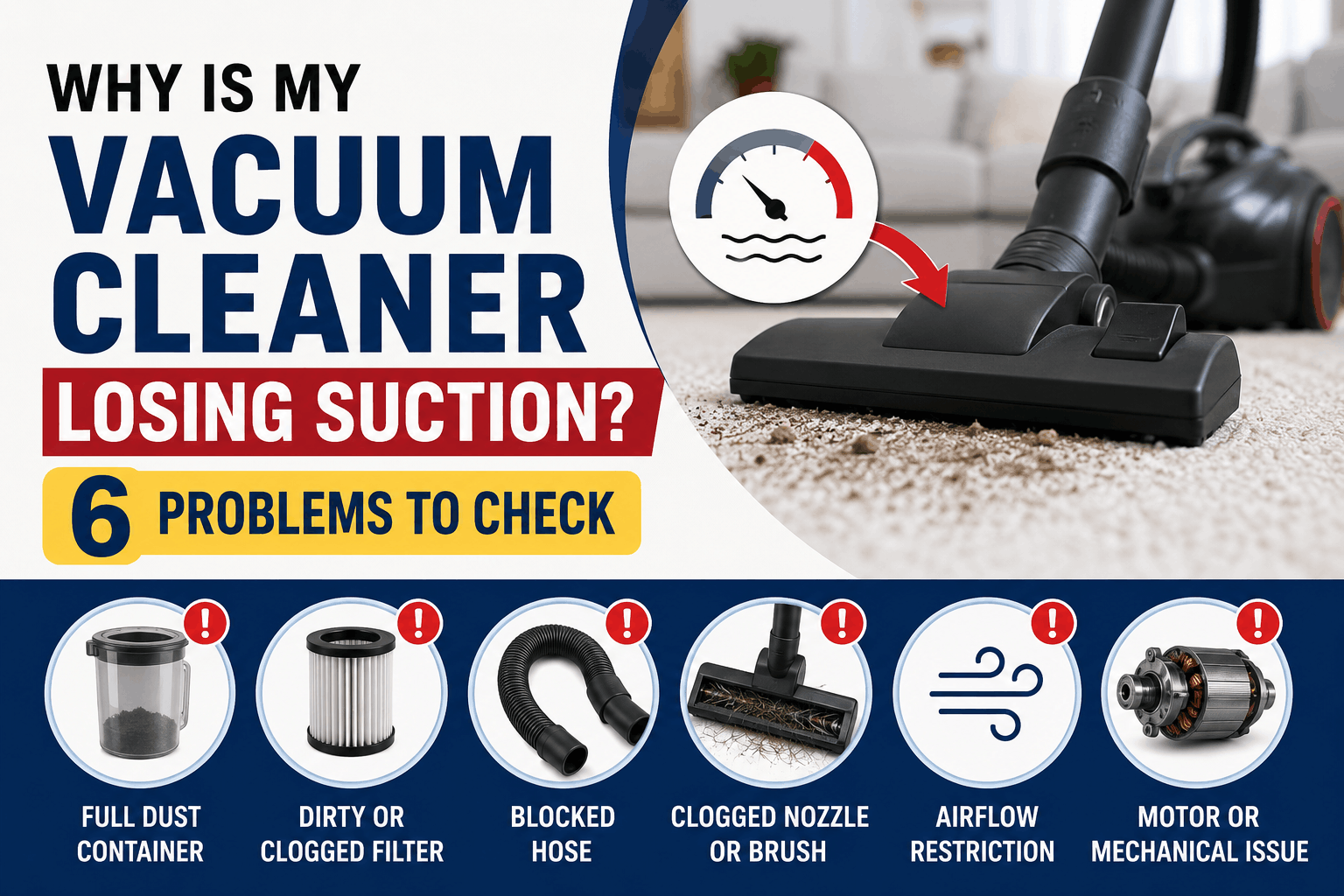
A vacuum cleaner losing suction usually has a clog, full bin, dirty filter, or worn seal.
Today's Exclusive Deals
Limited-time Exclusive Deals. Check current discount on Amazon.
Check Price on Amazon As an Amazon Associate I earn from qualifying purchases.A weak vacuum is frustrating, but it is also one of the easiest home problems to diagnose if you know where to look. I have seen this issue many times in real use, and most of the time the fix is simple, fast, and cheap once you check the airflow path from the floor head to the motor.

Why a vacuum cleaner loses suction
A vacuum cleaner works by moving air, not by “sucking” dirt the way people often imagine. If airflow gets blocked anywhere in the system, suction drops fast. That is why a vacuum cleaner losing suction can happen even when the machine still turns on and sounds normal.
Today's Exclusive Deals
Limited-time Exclusive Deals. Check current discount on Amazon.
Check Price on Amazon As an Amazon Associate I earn from qualifying purchases.The most common causes are easy to miss because they build up slowly. A partly full bag, a clogged filter, a jammed hose, or a cracked seal can all make the machine feel weak. In my experience, people often replace the vacuum first when the real problem is just blocked airflow.
A good way to think about it is like breathing through a straw. If the straw bends, clogs, or gets pinched, the effort goes up and the flow goes down. The same thing happens with a vacuum cleaner losing suction.

Common reasons your vacuum cleaner is losing suction
1. The dust bin or bag is full
This is the most common reason. When the bin or bag fills up, air cannot move through the system well, so the vacuum cleaner losing suction becomes noticeable right away.
Today's Exclusive Deals
Limited-time Exclusive Deals. Check current discount on Amazon.
Check Price on Amazon As an Amazon Associate I earn from qualifying purchases.Even if the bag is not completely packed, fine dust can still block the pores in the bag material. That is why a vacuum can feel weak before it looks full.
2. The filters are dirty
Filters trap dust before it reaches the motor or goes back into the room. Over time, they clog and restrict airflow.
Many vacuums have more than one filter, such as a pre motor filter and a post motor HEPA filter. If one of them is dirty, the vacuum cleaner losing suction may feel like a motor problem when it is really just poor airflow.
3. The hose or wand is blocked
Small toys, pet hair clumps, socks, and even dryer lint can get stuck in the hose. A partial clog is enough to make the vacuum cleaner losing suction feel much worse.
I once found a crumpled receipt deep inside a hose during a routine check. The vacuum was still running, but it sounded tired and barely picked up crumbs until that blockage came out.
4. The brush roll is tangled
Hair and string can wrap around the brush roll and slow it down. That does not always cause total suction loss, but it can make cleaning performance much worse.
If the brush roll cannot spin freely, the vacuum may struggle to lift dirt from carpet. That can feel like vacuum cleaner losing suction, even when the airflow is partly fine.
5. There is an air leak
Cracked hoses, loose lids, worn gaskets, and bad seals let air escape before it reaches the cleaning head. When that happens, the machine loses pulling power.
This is one of the sneakiest causes because the vacuum may still sound strong. But if air is leaking out, the floor does not get the benefit.
6. The height setting is wrong
If the nozzle sits too high above the carpet, pickup drops. If it sits too low, the brush may drag and reduce movement.
I have seen people think their vacuum cleaner is losing suction when the real issue was just a bad height setting for thick rugs or shag carpet. A small adjustment can make a big difference.
7. The belt is worn or broken
On many upright vacuums, the belt helps drive the brush roll. If it slips or breaks, the machine may still turn on but clean poorly.
This often shows up as weak carpet pickup more than a true suction problem. Still, it can feel the same to the user.
8. The motor is failing
This is less common, but it does happen. A weak motor cannot move enough air, and the vacuum cleaner losing suction becomes more obvious over time.
If you have already checked the filters, hose, bag, bin, and seals, then the motor may be part of the problem. At that point, repair or replacement may be the smarter move.

How to fix a vacuum cleaner losing suction
Start with the simple checks first. Most suction problems are solved by cleaning, emptying, or clearing a blockage.
Step 1: Empty the bin or replace the bag
Do this before anything else. A full bin or bag is the easiest fix and often the fastest one.
If you use bags, choose the correct size and type for your model. A poor fit can reduce airflow and add dust leaks.
Step 2: Clean or replace the filters
Check the user manual for the filter locations. Tap out loose dust, rinse washable filters if allowed, and let them dry fully before reinstalling.
Never put a damp filter back in the vacuum. That can cause odor, mold, and more blockage.
Step 3: Inspect the hose, wand, and nozzle
Disconnect each part and look through it. Use a flashlight to spot clogs.
You can often push a blockage out with a broom handle or long flexible tool, but be gentle. Do not puncture the hose.
Step 4: Remove hair and debris from the brush roll
Cut away tangled hair with scissors. Spin the roll by hand to make sure it moves freely.
If the brush still sticks, the bearings may be worn or jammed. That can also hurt cleaning power.
Step 5: Check seals, latches, and connections
Make sure the bin, lid, hose ends, and wand fit tightly. Look for cracks in the hose or broken gaskets.
A vacuum cleaner losing suction is sometimes just leaking air through a small split that is hard to notice.
Step 6: Test the vacuum on the right floor setting
Adjust the height for carpet thickness. Use the correct mode for hard floors or rugs.
This matters more than many people think. A good setting can make an average vacuum feel much stronger.
Step 7: Look at the belt and brush drive
If the brush roll is not turning properly, check the belt. Replace it if it is stretched, glazed, or broken.
Belts are usually inexpensive, and replacing one can bring the vacuum back to life.
Step 8: Consider motor or internal damage
If the vacuum still has weak suction after all the basic checks, the issue may be inside the motor housing. In that case, professional repair is often the safest path.
For older machines, compare repair cost with replacement cost. Sometimes a new unit is the better long-term choice.

How to prevent vacuum cleaner suction loss
Good maintenance is the easiest way to avoid future trouble. A few small habits can keep airflow strong.
Use these simple habits:
- Empty the bin before it gets packed.
- Replace bags before they feel heavy and stiff.
- Clean filters on the schedule in the manual.
- Check the hose for blockages once a month.
- Remove hair from the brush roll regularly.
- Store the vacuum in a dry place.
- Inspect seals and latches when cleaning the unit.
I have found that people who do a 5-minute monthly check usually avoid the bigger headaches. It is a bit like checking tire pressure before a road trip. Small care now saves bigger trouble later.
When the problem is not really suction
Sometimes a vacuum cleaner losing suction is not the true issue. The vacuum may still pull air well but fail to pick up dirt from the floor.
This can happen if:
- The brush roll is not spinning
- The wrong floor setting is selected
- The nozzle is too high above the surface
- The vacuum head is clogged with debris
- The carpet is very dense and needs more brush agitation
This matters because the fix is different. If the machine has airflow but poor pickup, the solution is often mechanical rather than aerodynamic.
Vacuum cleaner losing suction on different vacuum types
Upright vacuums
Uprights often lose suction because of belts, brush rolls, and clogged hoses. They also rely heavily on proper height adjustment.
If an upright feels weak, check the brush first. That is usually where the trouble starts.
Canister vacuums
Canister vacuums often lose suction because of hose blockages or dirty filters. The long hose can hide clogs deep inside.
I have noticed canister models are especially sensitive to small leaks. Even a loose connection can make them feel much weaker.
Cordless stick vacuums
Cordless models can feel weak when the dust cup is full or the battery is low. Some also have compact filters that clog faster.
These vacuums are convenient, but they often need more frequent cleaning. Their smaller size means less room for dust buildup before performance drops.
Robot vacuums
Robot vacuums lose suction when the dust bin fills, brushes tangle, or filters clog. They are efficient for maintenance, but they need regular attention.
If you notice weak pickup, clean the side brushes and main brush first. That usually helps more than people expect.
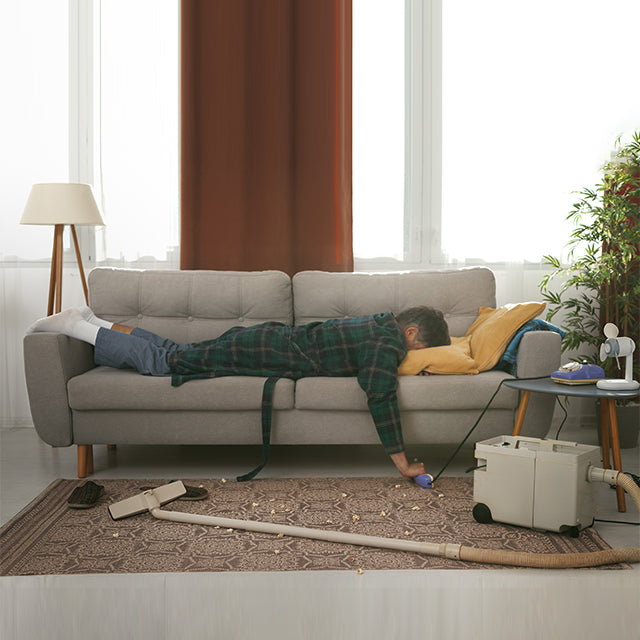
What to check first if your vacuum cleaner is losing suction
If you want the fastest path, use this order:
- Empty the bin or replace the bag.
- Clean the filters.
- Check the hose and wand for clogs.
- Remove hair from the brush roll.
- Inspect seals and latches.
- Test floor height settings.
- Look at the belt.
- Consider motor wear if nothing else works.
This order saves time because it starts with the most common causes. It also helps you avoid guessing.
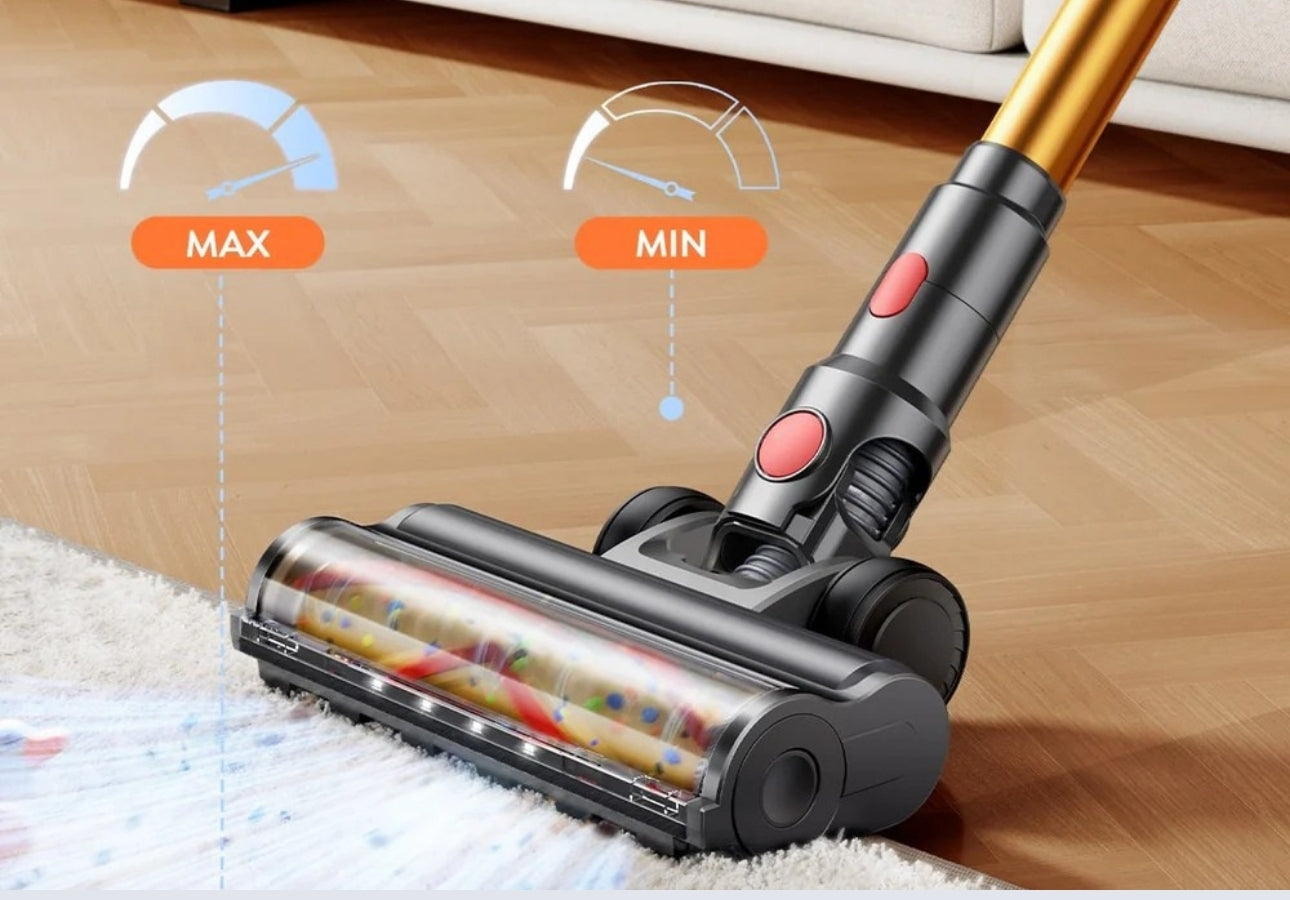
Why suction can drop even when the vacuum sounds normal
A vacuum cleaner losing suction does not always sound broken. That is because the motor can still spin at a normal speed while airflow gets blocked somewhere.
The sound may change a little, but not always enough to notice. That is why weak cleaning performance is often the first real sign.
If you hear the motor working but dirt stays behind, think airflow first. That simple habit solves many problems faster than replacing parts at random.
Frequently Asked Questions
Why is my vacuum cleaner losing suction but the motor still runs?
The motor can still run while airflow is blocked by a full bag, dirty filter, or clog. In many cases, the vacuum cleaner losing suction is a maintenance issue, not a motor failure.
Can a dirty filter really cause weak suction?
Yes, absolutely. A clogged filter slows airflow and makes the vacuum cleaner losing suction feel much worse, even if the machine powers on normally.
How often should I clean vacuum filters?
It depends on the model and use, but many filters need cleaning every few weeks. If you vacuum pet hair or fine dust often, check them more often to avoid suction loss.
Why does my vacuum work on hard floors but not carpet?
The brush roll, height setting, or belt may be the problem. Carpet needs stronger agitation, so a vacuum cleaner losing suction can show up more clearly on thick carpet than on smooth floors.
When should I replace my vacuum instead of repairing it?
If the motor is failing, the hose and seals are damaged, or repair costs are close to the price of a new vacuum, replacement may make more sense. For simple issues like clogs or dirty filters, repair is usually the better choice.
Conclusion
A vacuum cleaner losing suction is usually not a mystery. In most cases, the cause is a full bin, clogged filter, blocked hose, tangled brush roll, or small air leak.
The good news is that these problems are often easy to fix with a little patience and a step-by-step check. If you keep your vacuum clean and inspect the airflow path regularly, you can extend its life and keep it working far better.
If your vacuum is still weak after the basics, take a closer look at the belt, seals, and motor. And if this guide helped, save it for your next tune-up, share it with someone dealing with the same problem, or leave a comment with the issue you found.

